
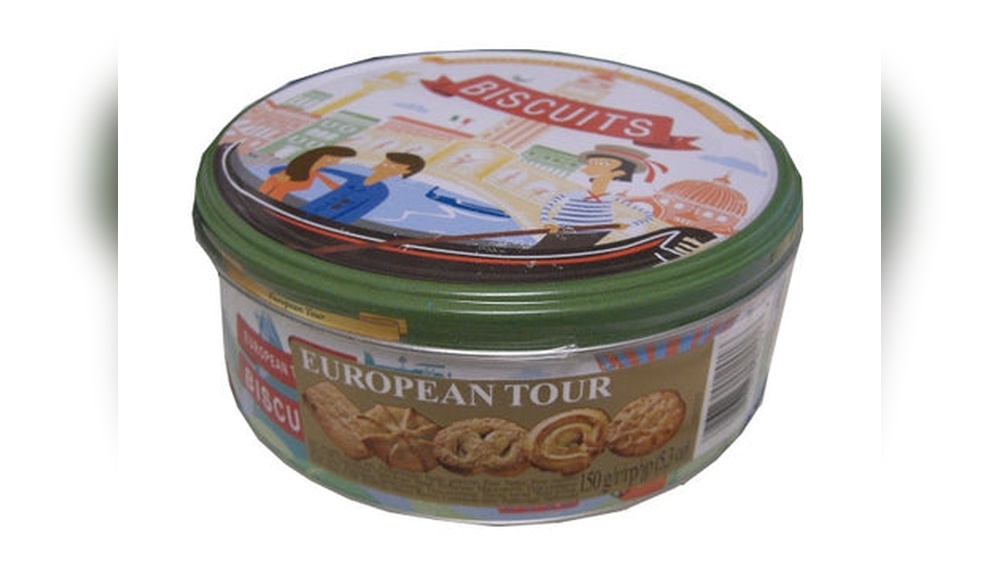
Butter cookies and European biscuits are both classic treats enjoyed worldwide, but they are not the same. Many people confuse them, or think they are just different names for similar snacks. In reality, these two types of baked goods have unique origins, ingredients, textures, and traditions.
Understanding the differences can help you choose the right one for your taste, your recipes, or even your gift-giving. This article explores how butter cookies and European biscuits compare, their history, their flavors, and even their cultural significance. If you’ve ever wondered which one to serve with tea, or what makes a Danish butter cookie special, you’re in the right place.
What Are Butter Cookies?
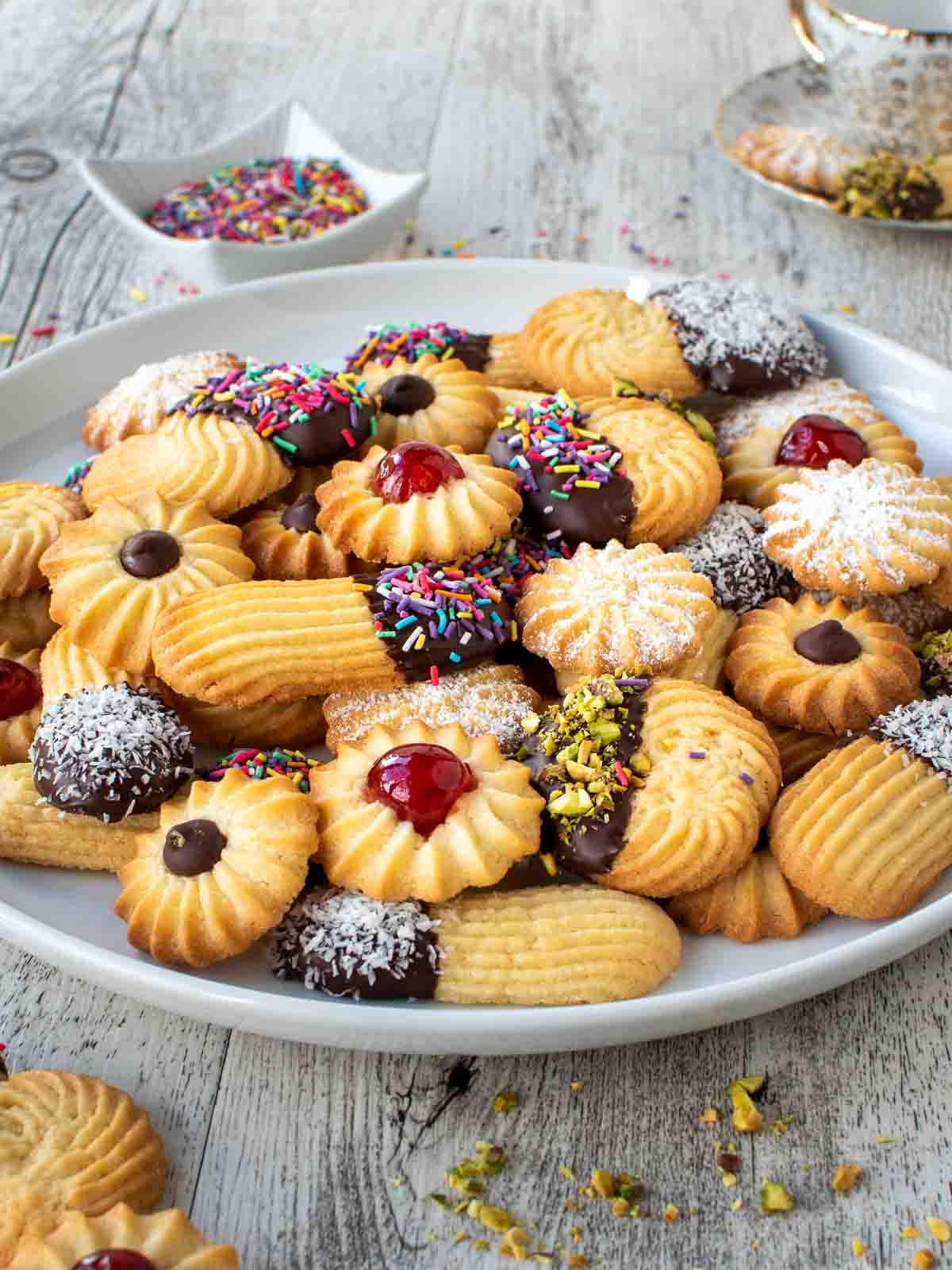
Butter cookies are a simple yet beloved type of cookie, often linked to Denmark. They are famous for their rich buttery flavor, crisp texture, and melt-in-your-mouth finish. Traditionally, butter cookies contain only a few ingredients:
- Butter
- Sugar
- Flour
- Sometimes vanilla or salt
The dough is mixed well, shaped, and baked until golden. Danish butter cookies, like those in iconic blue tins, are a typical example. These cookies are often made for Christmas or given as gifts.
Key Features Of Butter Cookies
- Taste: Strong, buttery flavor with mild sweetness
- Texture: Crisp edges, tender center
- Ingredients: High butter content (sometimes up to 30% of the dough)
- Shapes: Often round, pretzel, or piped forms
- Packaging: Frequently sold in decorative tins
Butter cookies are often enjoyed as snacks, but they also pair well with tea or coffee. The high butter content is what makes them rich and crumbly.
Non-obvious Insights
- Many home bakers use chilled butter to help the cookies keep their shape.
- Butter cookies can last several weeks if stored in airtight containers, making them ideal for gifts and holidays.
What Are European Biscuits?
European biscuits refer to a broad category of baked goods in Europe. The word biscuit in Europe means something different from the American “cookie.” In Europe, biscuits are usually crisp, thin, and less sweet than butter cookies. The recipes, flavors, and styles can vary widely by country.
Some famous European biscuits include:
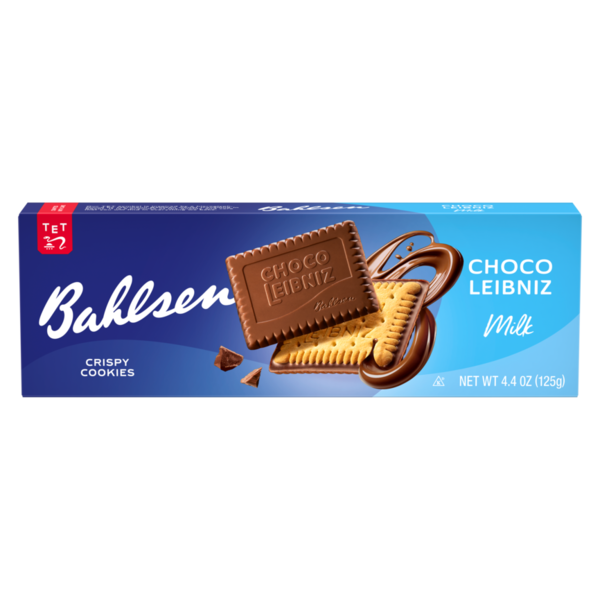
- Digestives (UK): Wheat-based, lightly sweet, sometimes coated with chocolate
- Petit Beurre (France): Rectangular, with a delicate buttery taste but less rich than butter cookies
- Speculoos (Belgium): Spiced, caramelized, often paired with coffee
- Maria biscuits (Spain/Portugal): Simple, lightly sweet, round
European biscuits are often eaten with tea, coffee, or used in desserts like tiramisu.
Key Features Of European Biscuits
- Taste: Mild sweetness, sometimes spiced or flavored (cinnamon, ginger, vanilla)
- Texture: Crisp, dry, sometimes crumbly or sandy
- Ingredients: Lower butter content, often include whole grains or spices
- Shapes: Wide variety (round, rectangular, oval)
- Packaging: Sold in sleeves, boxes, or sometimes tins
Non-obvious Insights
- Many European biscuits are made for dipping in hot drinks, which affects their texture and durability.
- Some biscuits, like speculoos, use brown sugar or caramelized sugar for deeper flavor.

Credit: us.amazon.com
Butter Cookies Vs European Biscuits: Ingredient Comparison
The recipe is where you see the biggest differences. Butter cookies focus on pure butter, while European biscuits often use other fats and ingredients. Here’s a side-by-side comparison:
| Feature | Butter Cookies | European Biscuits |
|---|---|---|
| Main fat | Butter | Butter, margarine, or vegetable oil |
| Sweetener | White sugar | White sugar, brown sugar, honey |
| Flour | All-purpose | All-purpose, whole wheat, specialty flours |
| Flavorings | Vanilla, salt | Cinnamon, ginger, chocolate, lemon |
| Additional ingredients | Rarely | Often (nuts, dried fruit, chocolate chips) |
Butter cookies are simple and rich, while European biscuits offer more variety in taste and texture.
Texture And Taste: How They Differ
The experience of eating butter cookies and European biscuits is not the same. Butter cookies are smooth, with a delicate crunch and a soft finish. European biscuits are usually crisper, sometimes sandy, and can be flavored with spices or chocolate.
| Aspect | Butter Cookies | European Biscuits |
|---|---|---|
| Texture | Melt-in-mouth, crumbly | Crisp, sometimes dry or sandy |
| Sweetness | Medium-high | Low to medium |
| Flavor | Pure butter, mild vanilla | Spiced, chocolate, nutty, or fruity |
| Aftertaste | Rich, creamy | Clean, sometimes spicy |
If you want a rich, buttery snack, butter cookies win. If you prefer a lighter, crisp treat, European biscuits are the answer.
Credit: www.marcellinaincucina.com
Cultural And Historical Background
Butter cookies are most associated with Denmark. Their history goes back to the early 20th century, when Danish bakers began exporting their cookies worldwide. The famous blue tins started in the 1960s, and are now a staple during Christmas and other holidays.
European biscuits, on the other hand, have roots in many countries. Biscuits in the UK date back to Roman times, evolving from hard breads. French biscuits like Petit Beurre were invented in the 19th century. In Belgium, speculoos are tied to St. Nicholas Day. Each region developed its own biscuit style based on available ingredients and local preferences.
Unique Traditions
- Danish butter cookies are often served during festive occasions.
- British biscuits are part of “tea time,” a daily ritual for many.
- French biscuits are enjoyed as light snacks or part of desserts.
- Belgian speculoos are given as gifts during holidays.
These cultural connections make each treat more than just food—they are part of heritage.
Packaging And Presentation
The way butter cookies and European biscuits are presented adds to their charm. Butter cookies are usually found in decorative tins, sometimes with paper liners separating the shapes. This makes them popular for gifting and sharing.
European biscuits are mostly sold in sleeves or boxes, sometimes stacked and wrapped. Some brands use elegant packaging, but it is less common than with butter cookies.
| Type | Common Packaging | Gift Appeal |
|---|---|---|
| Butter Cookies | Decorative tins, paper liners | High (often given as gifts) |
| European Biscuits | Sleeves, boxes, plastic wraps | Medium (occasionally gifted) |
Nutrition: Which Is Healthier?
Butter cookies tend to be higher in fat and calories because of their rich butter content. European biscuits, depending on the recipe, can be lighter and sometimes contain whole grains or less sugar.
- Butter Cookies: About 60–80 calories per cookie, 3–5 grams of fat
- European Biscuits: 40–70 calories per biscuit, 1–3 grams of fat
Some European biscuits offer fiber from whole wheat, while butter cookies rarely do. However, portion control is key; both are treats, not health foods.
Practical Tip
If you are watching your calorie intake, choose European biscuits with whole grains or less sugar. Always check labels, as some biscuits can be high in hidden sugars.
Best Uses And Pairings
Both butter cookies and European biscuits can be served at different times or used in recipes.
- Butter Cookies: Ideal with coffee, as gifts, or in dessert recipes (crumb crusts, ice cream toppings)
- European Biscuits: Perfect for tea, used in layered desserts (tiramisu, icebox cakes), or as a snack
Some European biscuits, like digestives, are great for making cheesecake bases. Butter cookies work well for holiday platters or festive gatherings.
Credit: delivery.publix.com
How To Choose: What Really Matters
When picking between butter cookies and European biscuits, consider:
- Flavor preference: Do you want a rich, buttery taste or something lighter and spiced?
- Texture: Crumbly and melt-in-mouth, or crisp and dry?
- Occasion: Are you gifting, making dessert, or just snacking?
- Nutritional needs: Are you looking for lower calories or whole grains?
Common buyer mistakes include confusing the two types, or picking based only on packaging. Always look at the ingredients and try samples when possible.
Famous Brands And Examples
Some brands are famous for their butter cookies or European biscuits:
- Butter Cookies: Royal Dansk (Denmark), Kjeldsens, Walkers (UK, also makes shortbread)
- European Biscuits: McVitie’s (UK), LU (France), Lotus (Belgium), Gullón (Spain)
Each brand offers its own signature style. For more details about European biscuit history, see Wikipedia.
Frequently Asked Questions Of Butter Cookies Vs European Biscuits
What Makes Butter Cookies Different From Shortbread?
Butter cookies use more sugar and sometimes eggs, while shortbread is simpler, with only butter, flour, and sugar. Shortbread is denser and less sweet than butter cookies.
Can I Use Butter Cookies Instead Of European Biscuits In Recipes?
Yes, but the result may be richer and sweeter. For recipes like tiramisu, using ladyfingers (a European biscuit) is traditional, but butter cookies can add a new twist.
Are European Biscuits Always Less Sweet Than Butter Cookies?
Usually, but not always. Some European biscuits, like speculoos, have caramel or spices that make them quite flavorful. However, most are less sweet compared to butter cookies.
Do Butter Cookies Contain Preservatives?
Most store-bought butter cookies have preservatives to extend shelf life, but homemade versions rarely do. Always check the label for additives if you are concerned.
Which Is More Popular Worldwide: Butter Cookies Or European Biscuits?
European biscuits are more widespread, as each country has its own biscuit tradition. Butter cookies are especially popular during holidays and in gift tins, but biscuits are eaten daily in many European countries.
Butter cookies and European biscuits offer different experiences. Knowing their differences can help you choose the right treat for your taste or occasion. Whether you prefer the rich, creamy bite of butter cookies, or the crisp, flavorful crunch of European biscuits, both have a place in kitchens and cultures around the world.
Disclosure: As an Amazon Associate, I may earn from qualifying purchases at no extra cost to you. Amazon and the Amazon logo are trademarks of Amazon.com, Inc, or its affiliates.
