
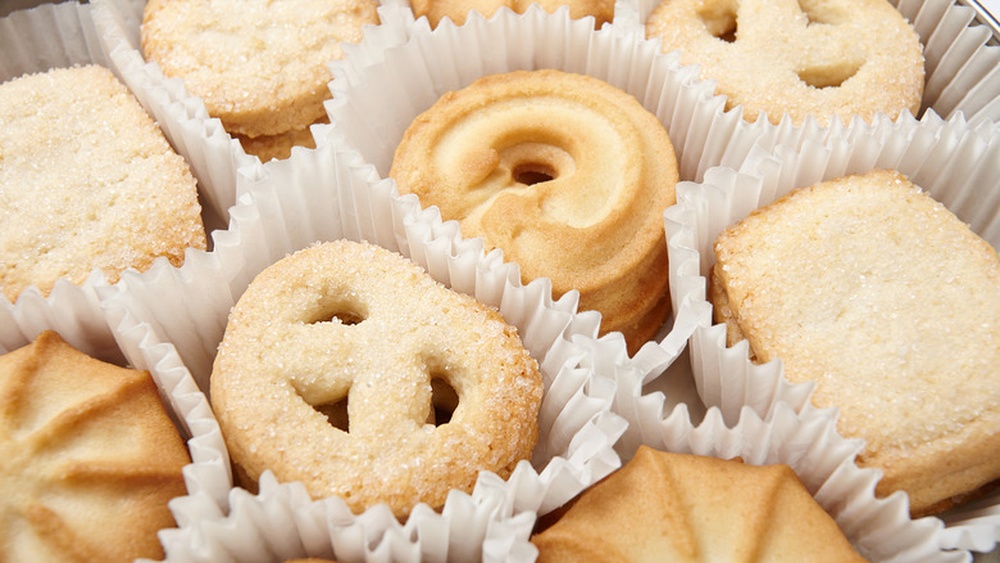
When you walk past the cookie aisle or open a tin of holiday treats, you often find two classic favorites: butter cookies and shortbread cookies. They look similar. Both are rich and crumbly. But dig deeper, and you’ll notice differences that affect taste, texture, and even how you bake them. Whether you’re choosing for a party, planning to bake at home, or just curious about what makes these cookies unique, understanding their differences will help you pick the right one.
Page Contents
Exclusive Amazon Early Sales & Discounts!
Save big with limited-time price drops across top-rated kitchen essentials, tools, auto parts, and accessories on Amazon.
⚡ Shop Prime Big Deal DaysOrigins And History
Cookies have been around for centuries, but butter cookies and shortbread cookies have their own unique stories.
Butter cookies originate mainly from Denmark. Danish butter cookies became world-famous, often sold in blue tins. Their popularity soared in the 20th century, especially as gifts during holidays. The use of high-quality Danish butter is a key reason for their rich flavor.
Shortbread cookies come from Scotland. The earliest recipes date back to the 12th century. Traditionally, shortbread was made for special occasions Christmas, Hogmanay (Scottish New Year), and weddings. Mary, Queen of Scots, is often credited with refining the recipe. Shortbread is now a symbol of Scottish heritage.
While both cookies have European roots, their traditions and significance are quite different. Butter cookies are often seen as festive treats, while shortbread carries a sense of ceremony and history.
Ingredients And Recipe Differences
At first glance, the recipes for both cookies look almost the same: flour, butter, and sugar. But the details make a big difference. Here’s a closer look:
| Cookie Type | Main Ingredients | Common Additions |
|---|---|---|
| Butter Cookies | Flour, butter, sugar, eggs | Vanilla, salt |
| Shortbread Cookies | Flour, butter, sugar | Salt, sometimes rice flour or cornstarch |
Butter cookies usually include eggs and sometimes milk. This makes the dough softer and easier to pipe into shapes. Vanilla is often added for extra flavor.
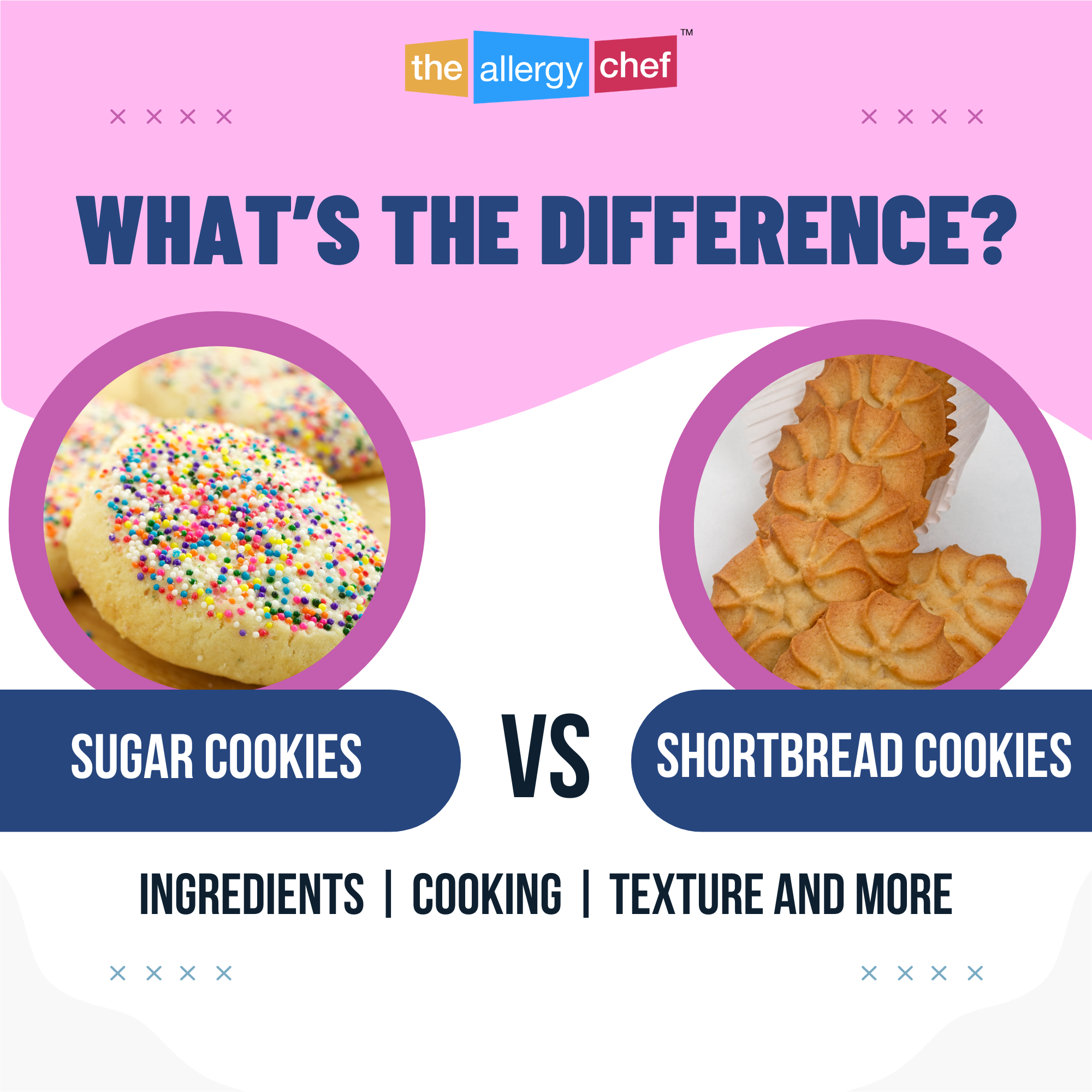
Shortbread cookies are simpler. No eggs, no milk. Just flour, butter, and sugar. Sometimes rice flour or cornstarch is used to make the texture more crumbly. The absence of eggs gives shortbread its signature dry, sandy feel.
Proportions Matter
Shortbread uses a higher ratio of butter to flour compared to butter cookies. Some traditional recipes use a “1-2-3” ratio: one part sugar, two parts butter, three parts flour. Butter cookies usually have more flour and less butter, making them less rich but easier to shape.
Credit: www.momswhothink.com
Texture And Taste
Taste and texture are the heart of the difference.
Butter cookies are crisp, light, and slightly sweet. The eggs make them softer and more tender. They often hold their shape well and can be decorated or piped into fancy designs.
Shortbread cookies are rich, dense, and crumbly. The high butter content gives them a melt-in-the-mouth texture. They’re less sweet, focusing on the pure butter flavor. The crumbly texture is a result of minimal mixing—over-mixing can make shortbread tough.
Let’s compare:
| Cookie Type | Texture | Flavor | Sweetness |
|---|---|---|---|
| Butter Cookies | Crisp, tender | Buttery, sweet, sometimes vanilla | Medium |
| Shortbread Cookies | Crumbly, dense | Very buttery, pure | Low to medium |
Baking Methods And Tips
If you want to bake these cookies at home, understanding their methods helps avoid common mistakes.
Butter Cookies
- Mixing: Cream butter and sugar until light and fluffy. Add eggs and flavorings.
- Shaping: Dough is soft, easy to pipe or roll.
- Baking: Bake at 350°F (175°C) for 8–12 minutes. They brown quickly, so watch closely.
- Common Mistake: Over-baking makes them too hard.
Shortbread Cookies
- Mixing: Butter and sugar are mixed gently, not whipped. Add flour and mix just until combined.
- Shaping: Dough is firmer, pressed into pans or cut into rounds.
- Baking: Bake at 325°F (160°C) for 15–20 minutes. Pale color is key—don’t let them brown.
- Common Mistake: Over-mixing makes shortbread tough, not crumbly.
Two Non-obvious Insights
- Using rice flour or cornstarch in shortbread improves the crumbly texture without affecting flavor.
- For butter cookies, chilling the dough before baking prevents spreading and helps keep sharp shapes.
Appearance And Presentation
Butter cookies often look fancy. They are piped into swirls, rings, or other shapes. Some are dipped in chocolate or decorated with sugar. Their golden color and crisp edges make them visually appealing.
Shortbread is more traditional. It’s usually cut into rectangles (fingers), rounds, or triangles. Sometimes the top is pricked with a fork for decoration and even baking. Shortbread is pale and simple, reflecting its classic roots.
Both cookies are popular in gift tins, but butter cookies dominate festive packaging, while shortbread is often wrapped in tartan or Scottish-themed boxes.
Nutritional Comparison
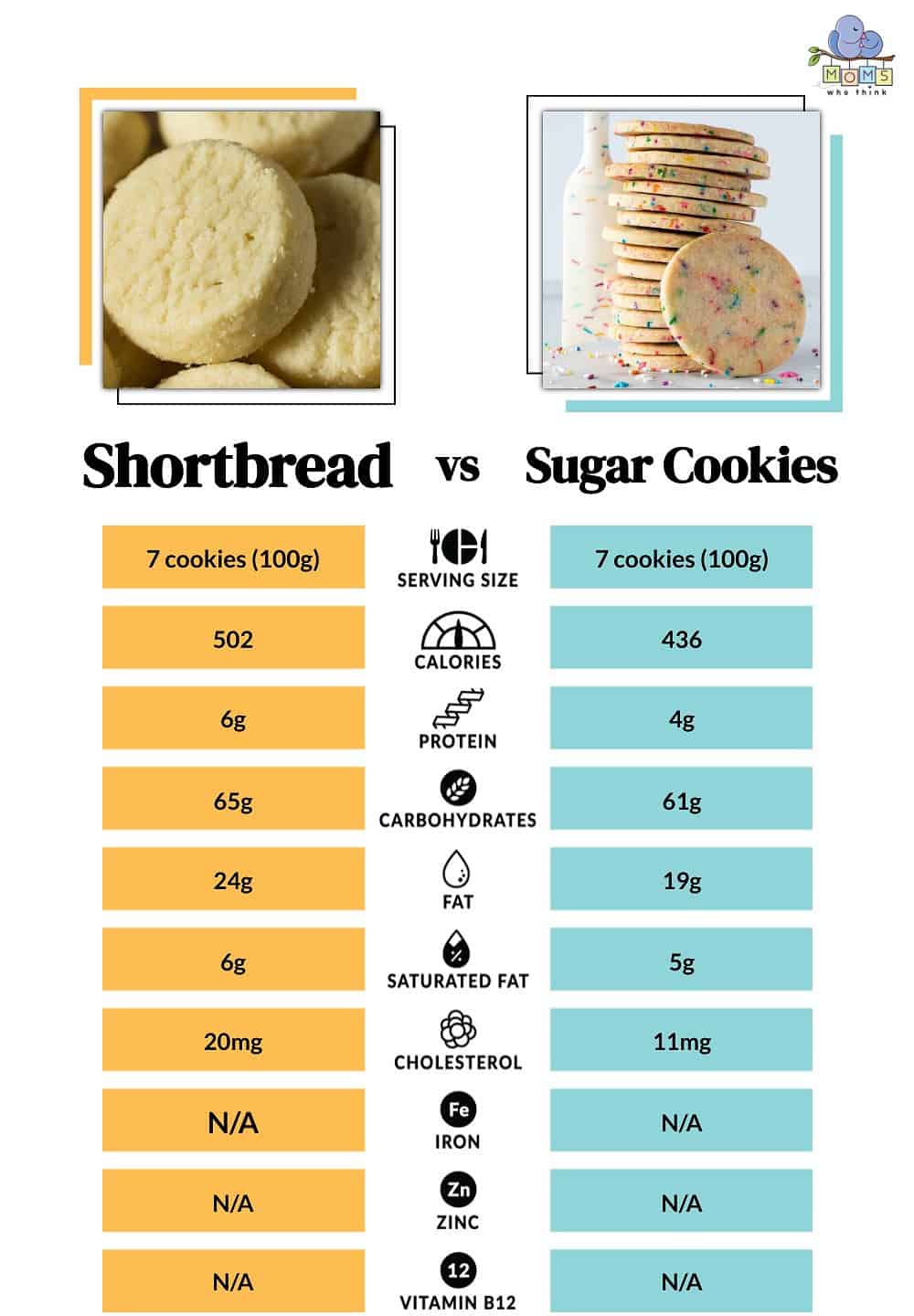
Cookies are treats, not health foods. But if you compare nutrition, there are some differences.
| Nutrient | Butter Cookies (per 1oz/28g) | Shortbread Cookies (per 1oz/28g) |
|---|---|---|
| Calories | 140–160 | 150–170 |
| Fat | 7–9g | 9–11g |
| Sugar | 8–10g | 6–8g |
| Protein | 1–2g | 1–2g |
Shortbread usually has more fat because of the higher butter content. Butter cookies can have more sugar, especially if decorated.
Popular Brands And Regional Variations
Both cookies have brands that are famous worldwide.
Butter cookies: Royal Dansk, Kjeldsens, and Walkers (though Walkers is best known for shortbread).
Shortbread cookies: Walkers (Scotland), Dean’s, and many local bakeries.
Regional variations exist. Danish butter cookies are softer and sweeter. Scottish shortbread is crumbly and rich. Some countries add flavors—almond, lemon, or chocolate.
Which Cookie Should You Choose?
This depends on your taste and purpose.
- For parties and gifts: Butter cookies are often chosen for their variety and decoration.
- For pure flavor: Shortbread wins with its simple, buttery taste.
- For baking with kids: Butter cookies are easier to shape and decorate.
- For traditional celebrations: Shortbread is the classic choice, especially around Scottish holidays.
If you want a crisp, sweet treat, go for butter cookies. If you prefer rich, crumbly, and less sweet cookies, shortbread is the answer.

Credit: lowreyfoods.com
Making Butter Cookies And Shortbread At Home
If you want to try baking these cookies, here are basic recipes.
Butter Cookies Recipe
Ingredients (makes about 30 cookies):
- 1 cup (225g) unsalted butter, softened
- 3/4 cup (150g) sugar
- 1 egg
- 2 cups (250g) all-purpose flour
- 1 tsp vanilla extract
- Pinch of salt
Instructions:
- Cream butter and sugar until light.
- Add egg and vanilla, mix well.
- Add flour and salt, mix until just combined.
- Chill dough for 30 minutes.
- Pipe or roll shapes onto a baking sheet.
- Bake at 350°F (175°C) for 10–12 minutes.
Tips:
- Don’t overmix.
- Chill dough for sharper shapes.
Shortbread Cookies Recipe
Ingredients (makes about 20 cookies):
- 1 cup (225g) unsalted butter, softened
- 1/2 cup (100g) sugar
- 2 cups (250g) all-purpose flour
- 1/4 cup (30g) rice flour or cornstarch (optional)
- Pinch of salt
Instructions:
- Mix butter and sugar gently.
- Add flour, rice flour/cornstarch, and salt, mix until just combined.
- Press dough into a pan or shape into rounds.
- Chill for 20 minutes.
- Bake at 325°F (160°C) for 15–20 minutes (do not brown).
Tips:
- Minimal mixing keeps shortbread crumbly.
- Rice flour/cornstarch improves texture.
Storage And Shelf Life
Both cookies keep well, but there are differences.
Butter cookies can last 2–3 weeks in an airtight tin. Their higher sugar content helps preserve freshness.
Shortbread cookies last even longer up to a month if stored properly. The high butter content keeps them moist, but they should be kept away from heat and humidity.
A practical tip: Layer cookies with parchment paper to prevent sticking and breaking.
Credit: theallergychef.com
Modern Variations And Trends
Cookies evolve with trends. Now you can find gluten-free, vegan, and even low-sugar versions of both butter and shortbread cookies.
Some bakeries add matcha, lavender, or orange zest for a twist. Butter cookies are sometimes filled with jam or dipped in dark chocolate. Shortbread can be topped with caramel (millionaire’s shortbread) or nuts.
For more about cookie trends and history, visit Wikipedia.
FAQs About Butter Cookies Vs Shortbread Cookies
What’s The Main Difference Between Butter Cookies And Shortbread Cookies?
The main difference is in the recipe and texture. Butter cookies have eggs, are sweeter, and are crisp. Shortbread cookies have no eggs, are crumbly, and focus on pure butter flavor.
Are Butter Cookies And Shortbread Cookies Healthy?
Both are high in fat and sugar. They are treats, not health foods. Shortbread has more butter; butter cookies usually have more sugar.
Can I Freeze Butter Cookies Or Shortbread Cookies?
Yes. Both freeze well for up to three months. Use airtight containers and separate layers with parchment paper.
Why Is Shortbread Sometimes Made With Rice Flour Or Cornstarch?
Adding rice flour or cornstarch makes shortbread more crumbly and tender. This is a traditional Scottish technique.
Which Cookie Is Best For Decorating?
Butter cookies are better for decorating because the dough holds shapes well and can be piped or cut. Shortbread is usually kept plain.
Both butter cookies and shortbread cookies offer unique flavors and textures. Understanding their differences helps you choose or bake the perfect treat for any occasion.
Disclosure: As an Amazon Associate, I may earn from qualifying purchases at no extra cost to you. Amazon and the Amazon logo are trademarks of Amazon.com, Inc, or its affiliates.
