
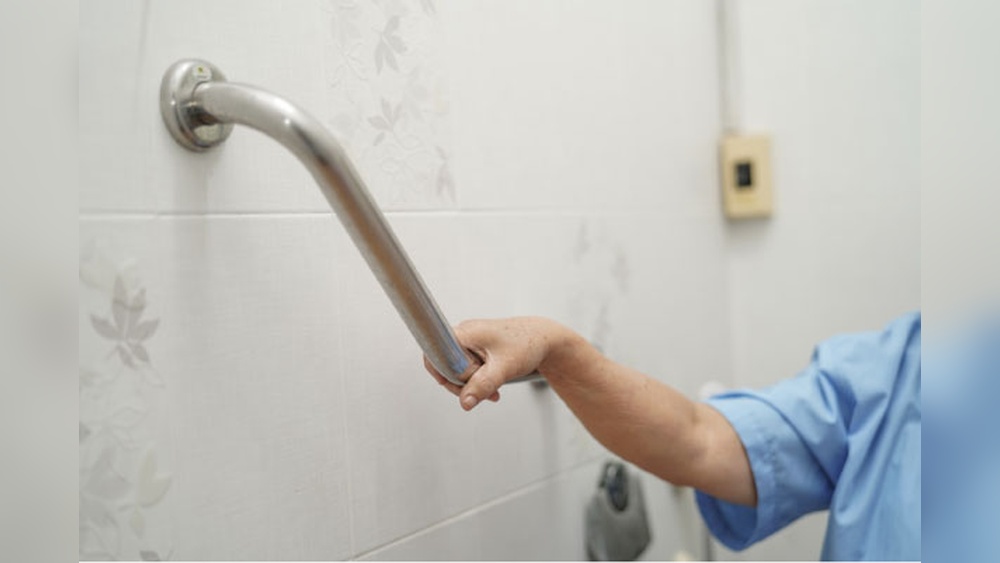
When it comes to making your bathroom safer, knowing exactly where to install grab bars can make all the difference. You want to feel secure every time you step in and out of the tub or move around the shower.
But placing grab bars in the right spots isn’t just about safety it’s about giving you confidence and peace of mind. In this guide, you’ll discover the best places to install grab bars so they work effectively for you and your family.
Keep reading to learn how simple changes can transform your bathroom into a safer, more comfortable space.

Credit: www.handypro.com
Essential Grab Bar Locations
Installing grab bars in the bathroom improves safety and prevents falls. Knowing the best spots to place them helps users move with confidence. Certain areas need grab bars more than others for support and balance.
Near The Toilet
A grab bar near the toilet aids in sitting and standing. Place it on the side wall closest to the toilet. Another bar behind the toilet can help with stability. These bars reduce strain and provide steady support.
Inside The Shower Or Tub
Showers and tubs are slippery and risky. Install grab bars on the walls inside the shower or tub area. One bar should be near the shower controls for balance while adjusting water. Another horizontal bar along the tub wall helps when stepping in and out.
By The Bathroom Door
A grab bar by the bathroom door offers extra support entering or exiting. It helps people steady themselves before moving further inside. Place the bar at a height easy to reach for all users.
Credit: www.getsafe.com
Height And Placement Guidelines
Proper height and placement of grab bars make bathrooms safer. Correct installation helps users maintain balance and avoid slips. This section covers basic height rules, user-specific adjustments, and the best angles for gripping.
Standard Height Recommendations
Most grab bars go between 33 and 36 inches above the floor. This height fits most adults and offers good support. Bars near toilets and showers should be within this range. It helps users reach the bar without stretching or bending.
Adjusting For User Needs
Not all users have the same height or strength. Lower bars may suit children or shorter adults. Taller users might need bars placed higher for comfort. Consider users’ mobility and arm reach when deciding placement. Custom adjustments improve safety and ease of use.
Optimal Angles And Grip
Horizontal bars provide steady support for standing and sitting. Angled bars help users pull themselves up more easily. A 45-degree angle is common for shower grab bars. Choose bars with textured surfaces for a firm grip. Proper angles and grip reduce the chance of slips.
Types Of Grab Bars
Grab bars come in different shapes and sizes. Each type serves a unique purpose in bathroom safety. Choosing the right grab bar helps prevent slips and falls. Understanding these types makes installation easier and more effective.
Straight Bars
Straight bars are the most common grab bars. They provide a firm grip and support in many spots. These bars work well near toilets and showers. Their simple design fits most bathroom styles.
L-shaped Bars
L-shaped bars offer support in two directions. They are helpful near corners or where turning is needed. These bars give extra stability when moving from sitting to standing. They fit well beside toilets or in shower stalls.
Vertical Bars
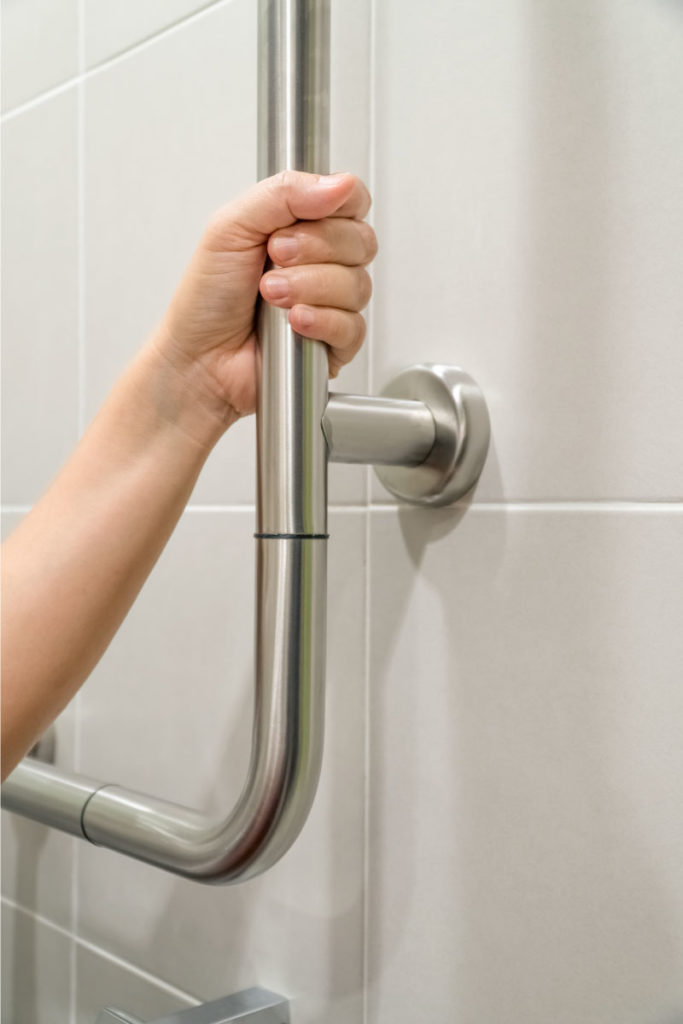
Vertical bars help with balance and pulling up. They are often placed near entrances or along walls. These bars assist when stepping into a bathtub or shower. Their upright position offers a strong hold for safety.
Installation Tips For Safety
Installing grab bars in the bathroom requires careful attention. Safety depends on strong, secure mounting. Follow these tips to ensure your grab bars stay firmly in place and provide the support needed.
Finding Wall Studs
Locate wall studs before installing grab bars. Use a stud finder to detect wooden studs behind the wall. Mounting grab bars directly into studs offers the strongest support. Avoid drywall-only installation, as it cannot hold heavy weight.
Using Proper Anchors
When studs are not available, use heavy-duty wall anchors. Choose anchors designed for bathroom walls and moisture exposure. Toggle bolts or molly bolts work well for grab bars. These anchors spread the load and prevent the bar from pulling out.
Ensuring Secure Mounting
Use long screws that reach the studs or anchors securely. Tighten screws firmly but avoid over-tightening to prevent damage. Test the grab bar by pulling on it with steady pressure. A secure grab bar will not move or wiggle.
Additional Safety Features
Adding grab bars is a big step for bathroom safety. Other features also help prevent slips and falls. These features work together to create a safer space for everyone.
Non-slip Surfaces
Non-slip surfaces reduce the risk of slipping in wet areas. Use non-slip mats inside and outside the shower. Choose textured tiles or add adhesive strips on the floor. These surfaces give better grip for bare feet. They help keep balance, especially when getting in or out of the tub.
Complementary Bathroom Accessories
Bathroom accessories can support safe movements. Install a shower seat for resting during bathing. Use handheld showerheads to control water direction easily. Soap holders and shelves keep items within reach. Avoid reaching or stretching for things, which can cause falls.
Lighting And Visibility
Good lighting is key to bathroom safety. Bright lights help see wet spots and obstacles clearly. Use night lights for safe movement in the dark. Motion sensor lights can turn on automatically. Clear visibility reduces chances of accidents in the bathroom.

Credit: www.angi.com
FAQs Of Where to Install Grab Bars in a Bathroom
Where Should Grab Bars Be Placed In A Shower?
Grab bars in showers should be installed horizontally near the entrance and vertically beside the shower controls. This placement provides support when entering, exiting, and adjusting water temperature, reducing fall risks.
How High Should Bathroom Grab Bars Be Installed?
Bathroom grab bars are typically installed 33 to 36 inches above the floor. This height range offers optimal support for most users when standing or sitting on a toilet or shower seat.
Can Grab Bars Be Installed Near The Toilet?
Yes, grab bars should be installed on the wall beside and behind the toilet. This positioning aids users in sitting down and standing up safely, enhancing bathroom accessibility.
Are There Specific Walls Best For Grab Bar Installation?
Grab bars must be anchored into wall studs for maximum support. Solid walls or reinforced areas are ideal to ensure the bars hold the user’s weight securely.
Conclusion
Installing grab bars in the right spots makes bathrooms safer for everyone. Focus on areas like next to the toilet, inside the shower, and near the bathtub. These bars help prevent slips and falls by giving steady support. Choose sturdy bars and place them where people naturally need help.
Small changes can bring big comfort and safety. Keep these tips in mind to create a secure bathroom space for all users. Safety first, always.
Disclosure: As an Amazon Associate, I may earn from qualifying purchases at no extra cost to you. Amazon and the Amazon logo are trademarks of Amazon.com, Inc, or its affiliates.
