
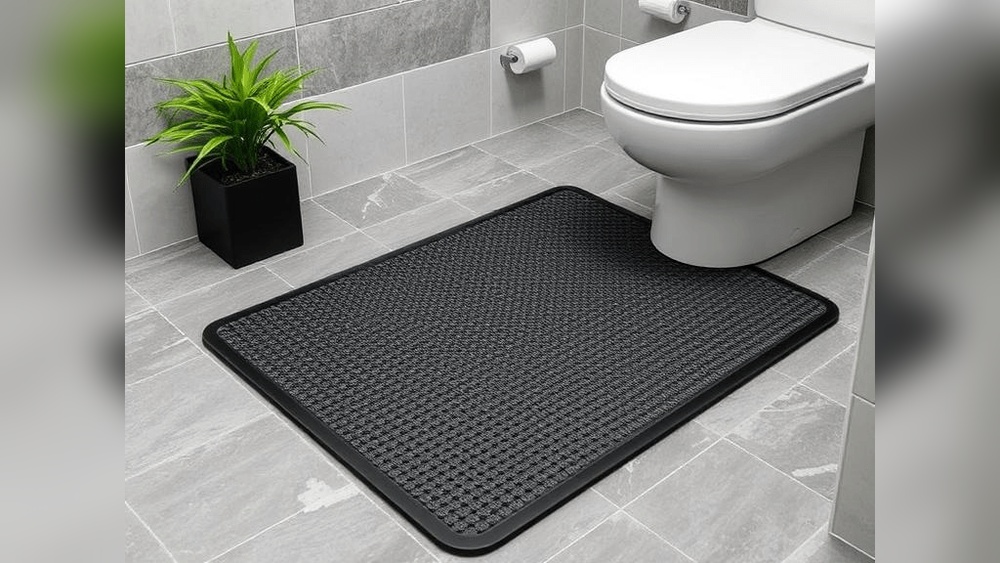
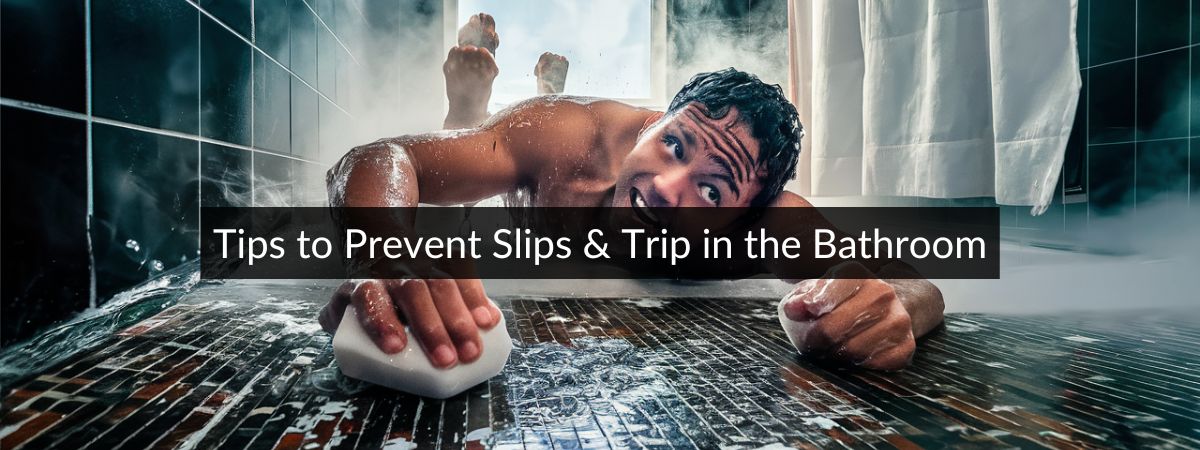
Slips in the bathroom can happen to anyone, and the results can be painful and costly. You might think it won’t happen to you, but a moment of wetness or a loose mat is all it takes.
What if you could take simple steps right now to keep your bathroom safe and protect yourself and your loved ones? You’ll discover easy, practical ways to prevent slips and feel confident every time you step inside. Don’t wait for an accident learn how to make your bathroom a safer place today.
Common Causes Of Bathroom Slips
Bathroom slips happen often and can cause serious injuries. Knowing the common causes helps prevent accidents. Most slips occur due to avoidable hazards found in bathrooms. Understanding these risks is the first step to safer spaces.
Wet And Slippery Surfaces
Water on floors makes surfaces slippery and dangerous. Showers, sinks, and bathtubs often leave water on the floor. Soap and shampoo can create a slick layer. Floors without proper mats increase slip risks.
Inadequate Lighting
Poor lighting hides wet spots and obstacles. Dim bathrooms make it hard to see hazards. Dark corners or broken bulbs add to the danger. Bright lights help spot risks and move safely.
Improper Footwear
Shoes with smooth soles slip easily on wet floors. Walking barefoot or in socks also lowers grip. Wearing shoes with good traction reduces falls. Proper footwear supports steady steps in the bathroom.
Clutter And Obstacles
Objects left on the floor block safe paths. Towels, clothes, and bath toys cause tripping hazards. Narrow spaces filled with stuff make movement tricky. Keeping floors clear helps prevent slips and falls.
Credit: www.rubberduckbathrooms.co.uk
Choosing Non-slip Flooring
Choosing non-slip flooring is essential for bathroom safety. Wet floors cause many slips and falls. Picking the right floor can reduce risks. Bathrooms need materials that stay firm underfoot. Comfort and style matter, but safety comes first. Here are key tips for selecting non-slip bathroom floors.
Best Materials For Bathroom Floors
Textured ceramic or porcelain tiles work well. Their rough surface keeps feet steady. Vinyl flooring with a matte finish offers good grip. Rubber flooring is soft and slip-resistant. Avoid polished or glossy tiles. They become slick when wet. Stone tiles with a rough finish also help. Choose materials tested for slip resistance.
Non-slip Mats And Rugs
Place non-slip mats near the shower and tub. Mats with rubber backing prevent sliding. Wash mats regularly to remove soap and dirt. Use rugs designed specifically for bathrooms. Avoid thick rugs that may cause tripping. Mats add extra safety on any floor type. Keep mats flat and secure at edges.
Maintaining Floor Traction
Clean floors often to remove slippery soap residue. Use mild cleaners that do not leave a film. Dry the floor after each use to avoid wet spots. Repair any cracks or loose tiles quickly. Avoid wax or polish on bathroom floors. Regular maintenance keeps floors safe and grippy. Check floor condition regularly for wear signs.
Installing Safety Features
Installing safety features in the bathroom reduces the risk of slips and falls. These features provide extra support and stability. They help people move safely around wet and slippery areas. Safety equipment is especially helpful for seniors or those with limited mobility. Simple changes can make a big difference in bathroom safety.
Grab Bars And Handrails
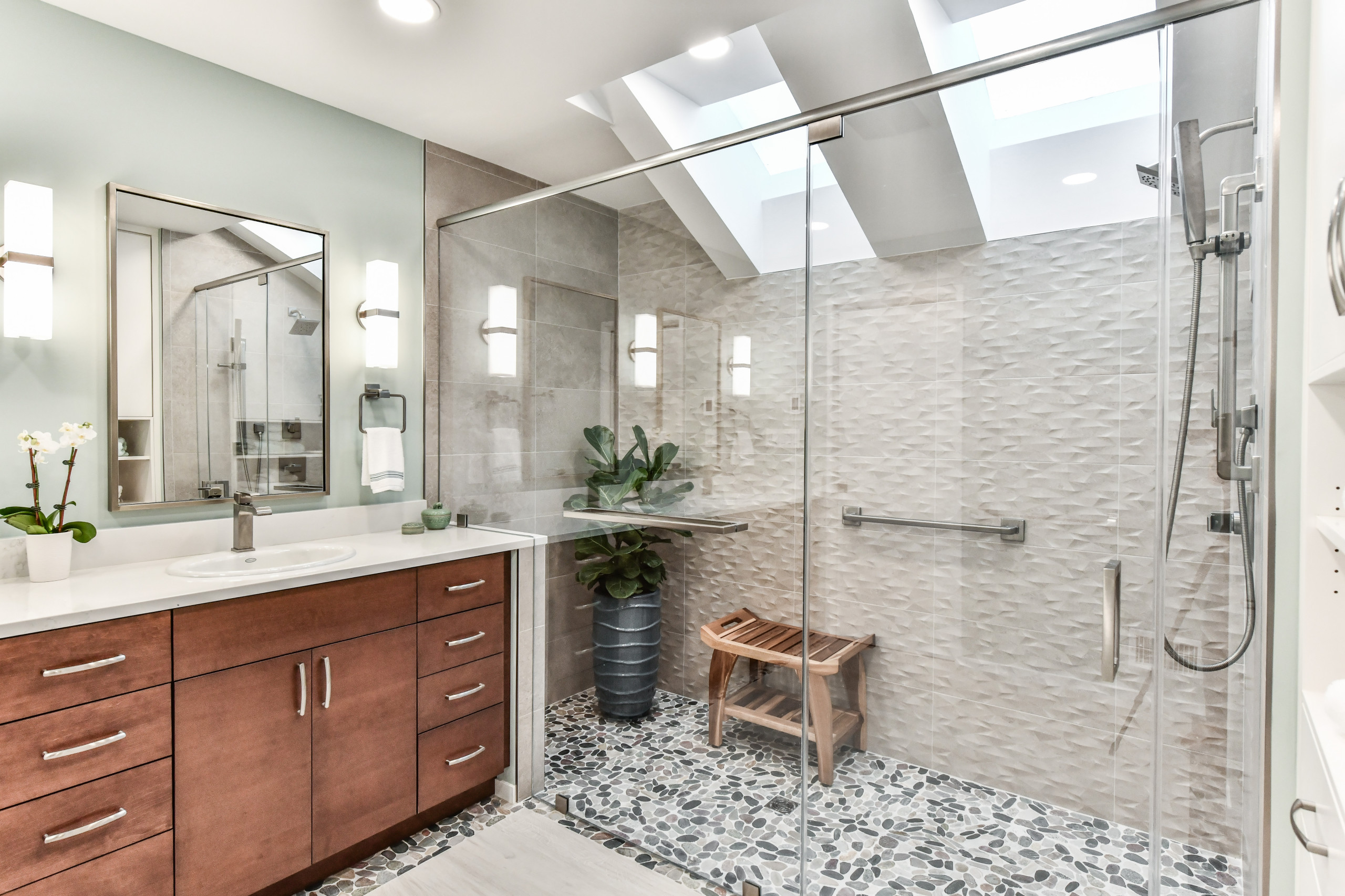
Grab bars and handrails offer steady support for entering and exiting the shower or tub. They help maintain balance and prevent falls. Install them near the toilet and inside the shower. Choose bars that are strong and securely fastened to the wall. Proper placement is key for easy reach and maximum safety.
Shower And Tub Safety
Non-slip mats or adhesive strips improve traction inside showers and tubs. These reduce the chance of slipping on wet surfaces. Consider a shower chair or bench for sitting while bathing. A handheld showerhead adds convenience and reduces movement. Keep the floor dry by using a bath mat outside the tub or shower.
Raised Toilet Seats
Raised toilet seats make sitting down and standing up easier. They reduce strain on knees and hips. These seats fit over the existing toilet and add height. Some models include armrests for additional support. Raised seats help prevent falls by improving stability during use.
Credit: www.houzz.com
Improving Bathroom Lighting
Improving bathroom lighting plays a big role in preventing slips. Bright lights help you see water spills, wet floors, and obstacles clearly. Proper lighting reduces the chance of accidents by making the space safer and easier to navigate.
Types Of Effective Lighting
Bright white LED lights work well in bathrooms. They mimic natural daylight and show true colors. Avoid dim or yellow lights as they can hide wet spots. Wall-mounted lights near mirrors add extra brightness at eye level. Ceiling lights give overall illumination.
Placement Tips For Brightness
Place lights where shadows are less likely. Avoid placing lights directly above the shower or bathtub. Use multiple light sources to brighten dark corners. Position lights to cover all floor areas. Make sure switches are easy to reach from the entrance.
Using Night Lights
Night lights help you move safely in the dark. They provide soft, low-level light without waking you up fully. Place night lights near the toilet and along the floor path. Choose battery-powered or plug-in options for convenience. Night lights reduce sudden exposure to bright light, preventing slips.
Safe Bathroom Habits
Safe bathroom habits reduce the risk of slips and falls. Small changes in daily routines can create a safer space. Consistent care keeps floors dry and secure. Using the right tools helps maintain balance. Footwear choice affects stability on wet surfaces.
Drying Floors Promptly
Water on the floor is a common cause of slips. Wipe up spills and puddles right away. Use a mop or towel to dry wet spots. Check floors after showers or baths for wet areas. Keeping floors dry prevents accidents and injuries.
Using Bath Mats Correctly
Place bath mats outside the tub or shower. Choose mats with non-slip backing for extra safety. Avoid mats that move or slide easily. Clean mats regularly to prevent mold and mildew. Proper mats provide grip and reduce slipping risk.
Choosing Proper Footwear
Wear shoes or slippers with good grip in the bathroom. Avoid socks or bare feet on wet floors. Look for footwear with rubber soles for better traction. Comfortable shoes help maintain balance and prevent falls. Changing into proper footwear adds an extra safety layer.
Regular Maintenance And Checks
Regular maintenance and checks are key to stopping slips in the bathroom. Small problems can turn into big hazards if ignored. A clean and safe bathroom starts with careful and frequent inspections. This keeps the area safe for everyone.
Inspecting Fixtures And Floors
Check all bathroom fixtures often. Look at faucets, showerheads, and taps for any damage. Make sure they work well and do not drip. Examine floors for cracks or loose tiles. These can cause trips and slips. Clean floors regularly to remove soap and water. Use non-slip mats where needed. This reduces the chance of falling.
Fixing Leaks And Drips
Leaks and drips cause water to pool on floors. This creates slippery spots. Fix leaks as soon as found. Check under sinks and around toilets. Use proper tools or call a plumber if needed. Dry wet areas right away. This helps keep the bathroom dry and safe.
Replacing Worn Safety Equipment
Safety equipment wears out over time. Grab bars, shower chairs, and non-slip mats lose their grip. Replace old or broken items quickly. Ensure grab bars are tight and secure. Use mats with strong suction cups. Proper safety tools help prevent falls and injuries.
Frequently Asked Questions
How Can I Make My Bathroom Floor Less Slippery?
Use non-slip mats or rugs with rubber backing to prevent slipping. Keep floors dry and clean spills immediately. Avoid using harsh cleaners that leave residue. Consider applying anti-slip coatings for extra grip on tiles.
What Are The Best Non-slip Bathroom Safety Products?
Look for rubber-backed bath mats, non-slip adhesive strips, and slip-resistant shower decals. These products provide traction and reduce fall risk. Choose waterproof, mold-resistant materials for durability and hygiene in wet bathroom areas.
How Often Should I Check For Bathroom Slip Hazards?
Inspect your bathroom weekly for water spills, loose rugs, and worn-out safety products. Regular checks help identify and fix hazards quickly. Consistent maintenance ensures a safer bathroom environment and reduces slip risks.
Can Bathroom Lighting Help Prevent Slips?
Yes, proper lighting improves visibility and highlights wet areas. Use bright, moisture-resistant LED fixtures. Good lighting reduces accidents by making hazards easier to see, especially for seniors and children.
Conclusion About How to Prevent Slips in the Bathroom
Preventing slips in the bathroom keeps everyone safer every day. Use non-slip mats and keep floors dry. Install grab bars for extra support. Clean spills immediately to avoid accidents. Small changes make a big difference at home. Stay alert and cautious in wet areas.
Safety starts with simple, smart habits. Protect yourself and your loved ones today.
Disclosure: As an Amazon Associate, I may earn from qualifying purchases at no extra cost to you. Amazon and the Amazon logo are trademarks of Amazon.com, Inc, or its affiliates.
