
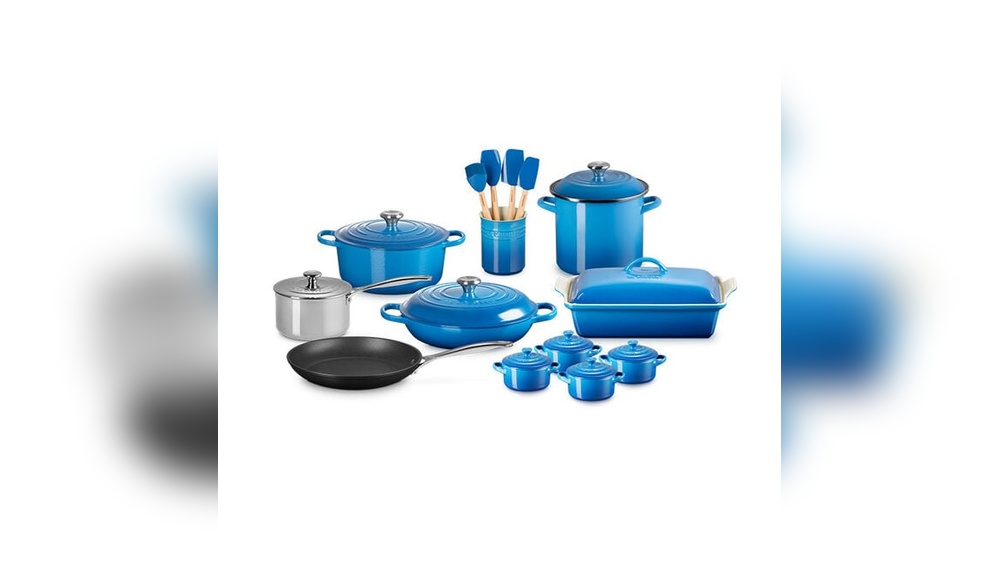
Choosing the right cookware set can feel overwhelming with so many options out there. But knowing what materials are common in cookware sets can make your decision easier.
You want pots and pans that heat evenly, last long, and suit your cooking style. Understanding the benefits and drawbacks of each material helps you pick the perfect set for your kitchen. Keep reading to discover which cookware materials will work best for you and your cooking needs.

Credit: www.walmart.com
Stainless Steel
Stainless steel is a popular choice for cookware sets. It looks shiny and modern. This material is strong and lasts a long time. Many chefs and home cooks trust it for cooking.
Properties And Benefits
Stainless steel resists rust and stains. It does not react with acidic or alkaline foods. This keeps food tasting pure. It heats evenly, helping to cook food well. The surface is smooth and easy to clean. It also handles high heat without damage.
Common Uses In Cookware
Stainless steel is used in pots, pans, and baking sheets. It works well for boiling, frying, and sautéing. Many cookware pieces have layers of stainless steel for better heat control. It is often combined with aluminum or copper cores inside. This mix gives fast and even cooking.
Care And Maintenance Tips
Wash stainless steel with warm, soapy water. Avoid using harsh scrubbers that can scratch the surface. Dry it well to prevent water spots. For tough stains, use baking soda or vinegar. Avoid cooking on very high heat for long times. This keeps the cookware looking new and working well.
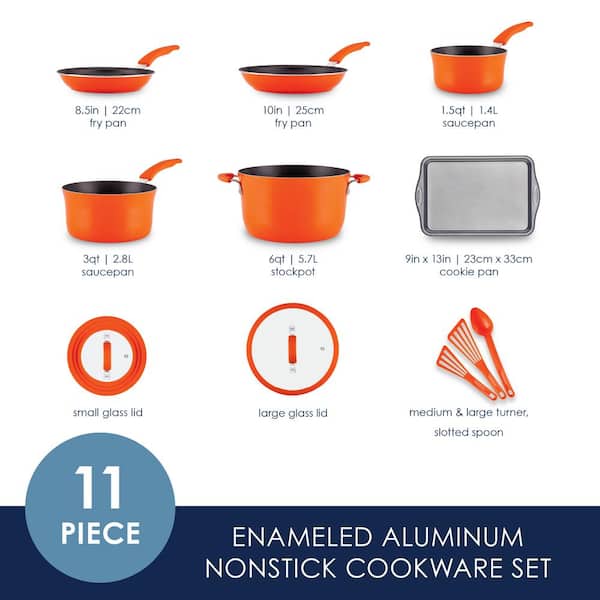
Credit: www.homedepot.com
Nonstick Coatings
Nonstick coatings are a popular choice in cookware sets. They make cooking and cleaning much easier. Food slides off smoothly without sticking. This feature saves time and reduces the need for extra oil or butter.
Nonstick coatings come in different types. Each has its benefits and drawbacks. Knowing these can help you choose the right cookware.
Types Of Nonstick Surfaces
The most common nonstick surface is Teflon, made from PTFE. It offers excellent food release and easy cleaning.
Ceramic coatings are another popular option. They are made from natural materials and are free of chemicals like PTFE.
Some nonstick pans use anodized aluminum. This surface is hard and resists scratches well.
Pros And Cons
Nonstick pans reduce the need for oil, making meals healthier. They clean quickly and save effort.
These coatings can wear out faster than other surfaces. Scratches can damage the nonstick layer and affect performance.
High heat can harm some nonstick coatings, causing them to lose their nonstick ability.
Safety And Longevity
Modern nonstick coatings are generally safe when used properly. Avoid heating empty pans or cooking at very high temperatures.
Use wooden or silicone utensils to protect the surface. Avoid metal tools that can scratch the coating.
Proper care extends the life of nonstick cookware. Hand washing is recommended over dishwashers.
Cast Iron
Cast iron is a classic choice for cookware sets. It has been used for centuries by cooks worldwide. Known for its strength and ability to hold heat, cast iron is a favorite for many kitchens. Its unique properties make it different from other cookware materials.
Durability And Heat Retention
Cast iron is incredibly strong. It can last for decades if cared for properly. This material heats evenly and keeps heat for a long time. That makes it perfect for slow cooking and frying. Cast iron pans stay hot even when food is added. This helps cook food evenly without hot spots.
Seasoning And Upkeep
Cast iron needs special care called seasoning. Seasoning means coating the pan with oil and heating it. This process creates a natural non-stick surface. It also protects the pan from rust. After each use, clean it with warm water and a brush. Avoid soap and dishwasher, which can remove seasoning. Dry the pan well to stop rust from forming.
Ideal Cooking Methods
Cast iron works best for frying, searing, and baking. It is great for cooking meats like steak and chicken. Slow cooking recipes like stews and soups do well in cast iron. You can use it on the stove, in the oven, or over a campfire. Its heat retention helps cook food thoroughly and evenly.
Aluminum
Aluminum is a popular material in cookware sets. It offers great heat conduction and is easy to handle. Many cooks prefer aluminum for its lightweight nature and quick cooking performance. The metal comes in different forms, each with distinct benefits and features. Understanding these can help you choose the right cookware for your kitchen.
Lightweight And Conductivity
Aluminum is very light compared to other metals. This makes pans easy to lift and move. It heats up quickly and spreads heat evenly. Food cooks faster and more uniformly with aluminum cookware. This saves time and energy during cooking.
Anodized Vs. Raw Aluminum
Raw aluminum is soft and can scratch easily. It may react with acidic foods, changing taste and color. Anodized aluminum is treated to harden the surface. This process makes it durable and non-reactive. Anodized cookware resists stains and lasts longer. It is safer and better for everyday use.
Potential Health Considerations
Some worry about aluminum leaching into food. This mostly happens with raw aluminum and acidic dishes. Anodized aluminum reduces this risk greatly. Most studies show normal use is safe. Using anodized cookware is a good choice for health-conscious cooks.
Copper
Copper is a popular material in cookware sets. It looks beautiful with its shiny, reddish color. Copper pans are known for cooking food evenly and quickly. Many chefs prefer copper because it gives precise heat control. This makes it easier to cook delicate dishes.
Heat Conductivity Advantages
Copper is one of the best heat conductors. It heats up fast and cools down quickly. This helps avoid hot spots that burn food. You can change the cooking temperature easily. Copper pans respond instantly to heat changes. This makes cooking more precise and enjoyable.
Maintenance Challenges
Copper cookware needs regular cleaning to keep its shine. It can tarnish and turn green over time. Avoid using harsh cleaners or metal scrubbers. Polishing with a special copper cleaner is necessary. Copper also reacts with acidic foods. Most copper pans have a lining to prevent this. Proper care keeps copper pans working well for years.
When To Choose Copper
Choose copper if you want fast and even heating. It is great for sauces, candy, and delicate recipes. Copper pans work best on low to medium heat. They suit cooks who enjoy precise temperature control. Copper adds elegance to your kitchen too. Consider copper if you don’t mind extra care and maintenance.
Ceramic
Ceramic cookware has become a popular choice for many kitchens. It offers a smooth cooking surface that many cooks appreciate. This material is known for its clean, white look and even heating. Ceramic pots and pans often feature a coating made from natural minerals. These coatings make ceramic cookware stand out from other types.
Many people choose ceramic for its ease of use. It heats food evenly and usually requires less oil. This can make meals healthier and cleanup easier. Ceramic cookware comes in various styles and sizes, fitting many cooking needs.
Natural Nonstick Qualities
Ceramic coatings provide a natural nonstick surface. They do not use synthetic chemicals like traditional nonstick pans. This means less risk of harmful fumes during cooking. The smooth surface helps food slide off easily. It also needs little oil or butter to cook well.
Durability Factors
Ceramic cookware can last a long time if cared for properly. It resists scratches better than some nonstick pans. However, dropping or hitting it hard may cause chips or cracks. Avoid using metal utensils to protect the surface. Hand washing is best to maintain the coating’s strength.
Environmental Impact
Ceramic cookware is often seen as more eco-friendly. It uses natural materials and fewer harmful chemicals. Many ceramic coatings are free from PFOA and PTFE. Production usually has less pollution compared to traditional nonstick pans. After disposal, ceramic pieces break down more safely in the environment.
Glass And Other Materials
Glass and other materials offer unique options in cookware sets. These materials are less common than metals but still important. They provide specific benefits for certain cooking styles and needs. Understanding their uses helps in choosing the right cookware for your kitchen.
Uses In Specialty Cookware
Glass is popular for baking dishes and casserole pans. It allows you to see the food while cooking. This helps prevent burning and overcooking. Glass cookware works well for slow cooking and roasting.
Other materials like ceramic and silicone also appear in specialty cookware. Ceramic is common in baking and serving dishes. Silicone is often used for flexible bakeware and utensils. These materials suit specific tasks rather than general cooking.
Benefits And Limitations
Glass cookware does not react with acidic foods. This keeps flavors pure and safe. It also resists stains and odors. Cleaning glass is easy and dishwasher safe.
Limitations include poor heat conductivity. Glass heats slowly and unevenly. It can break if exposed to sudden temperature changes. Careful handling is necessary to avoid cracks or shattering.
Ceramic cookware offers a smooth, non-stick surface without chemicals. It heats evenly but can chip or crack easily. Silicone is heat resistant and flexible but cannot be used on stovetops.
Choosing The Right Material
Choosing the right material for cookware sets shapes your cooking experience. Different materials heat food differently. Some are better for slow cooking, others for quick frying. The right choice depends on your needs and kitchen habits.
Cooking Style Considerations
Think about how you cook most of the time. Stainless steel works well for searing and browning. Nonstick pans suit gentle cooking like eggs or pancakes. Cast iron holds heat for long cooking times. Choose materials that match your cooking style.
Budget And Longevity
Cookware prices vary widely by material. Aluminum and nonstick sets are often affordable but may wear out faster. Stainless steel and cast iron last longer but cost more upfront. Weigh cost against how long you want the cookware to last.
Health And Safety Factors
Some materials can react with acidic foods. Copper and aluminum pans sometimes affect taste or safety. Nonstick coatings may release fumes if overheated. Stainless steel and cast iron are generally safe choices. Always check for quality and safety certifications.

Credit: www.amazon.com
Frequently Asked Questions
What Materials Are Commonly Used In Cookware Sets?
Cookware sets often use stainless steel, aluminum, cast iron, and non-stick coatings. Each material offers unique benefits for cooking performance and durability.
Is Stainless Steel Good For Cookware Sets?
Yes, stainless steel is durable, non-reactive, and heats evenly. It’s ideal for versatile cooking and easy maintenance.
How Does Cast Iron Cookware Perform?
Cast iron retains heat well and cooks food evenly. It is durable but requires seasoning to maintain its non-stick surface.
Are Non-stick Cookware Sets Safe To Use?
Non-stick cookware is safe when used properly. Avoid overheating and using metal utensils to prevent coating damage.
Conclusion
Choosing the right cookware material affects how you cook and clean. Stainless steel lasts long and looks good. Non-stick pans make cooking and washing easy. Cast iron holds heat well but needs care. Copper heats quickly but costs more. Each material has pros and cons.
Think about your cooking style and needs. Good cookware makes cooking more fun and tasty. Start with what fits your kitchen and budget best. Enjoy cooking with the right pots and pans!
Disclosure: As an Amazon Associate, I may earn from qualifying purchases at no extra cost to you. Amazon and the Amazon logo are trademarks of Amazon.com, Inc, or its affiliates.
