
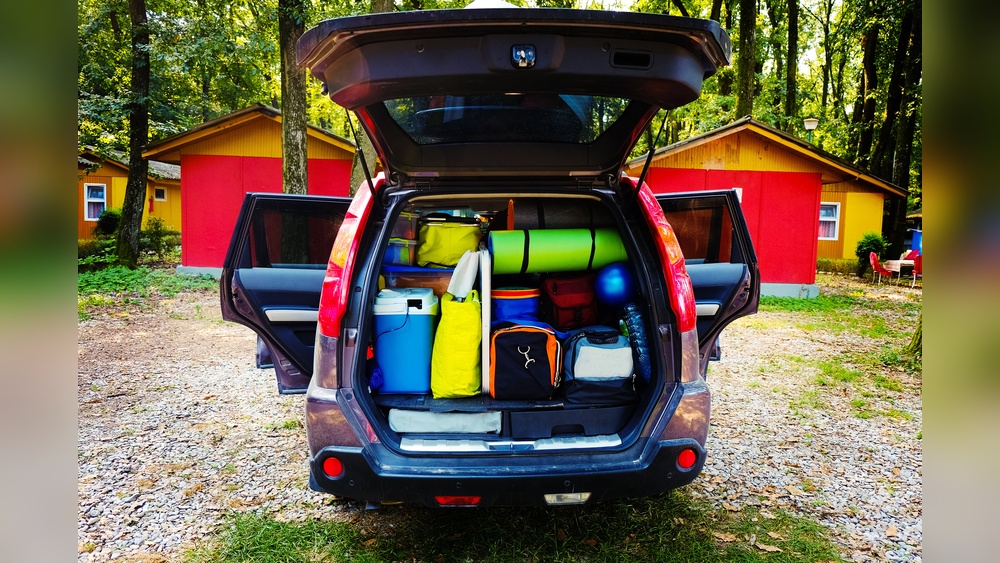
Packing your car for a camping trip can be a challenge—especially if you want to save space and keep everything organized. Many campers end up with a messy car, lost gear, and wasted time searching for items. But with the right planning and smart techniques, you can turn your car into a well-organized, efficient camping base.
This guide will show you practical steps, tested tips, and a few clever tricks to maximize your car’s storage and make your next outdoor adventure smoother.
Why Organizing Your Car For Camping Matters
A messy car not only wastes time but can also spoil your camping experience. When your gear is hard to find, you get frustrated and tired. You might even forget essential items. An organized car makes camp setup fast and easy, improves safety (no loose objects flying around), and ensures you enjoy your trip more.
It’s also safer for your gear, reducing the chance of things breaking or spilling.
A 2022 survey by the North American Camping Report found that 67% of campers wished they packed their car better after their first trip. Organization is a skill worth learning.
Preparing Your Car: The First Step
Before you even start packing, preparing your car is key. Clean out all unnecessary items from previous trips. Check the trunk, back seats, glove box, and door pockets. Remove trash, unused gear, and anything you won’t need for camping. This step gives you a blank canvas and helps you see how much room you really have.
Measure your car’s cargo space. Knowing the exact width, height, and length helps you choose storage bins or organizers that actually fit. If you have a smaller car, it’s even more important to use every inch wisely.

Credit: www.familyhandyman.com
Choosing The Right Gear For Space Saving
Not all camping gear is the same size or shape. Some items pack smaller and work harder. Consider these when selecting your gear:
- Multi-use gear: Choose equipment that serves more than one purpose, like a spork (spoon and fork), a pot that doubles as a bowl, or a sleeping pad that’s also a seat.
- Compact sleeping bags and pads: Modern sleeping bags can compress to the size of a loaf of bread. Inflatable or foldable sleeping pads also save space.
- Stackable cookware: Many cookware sets are designed to nest inside each other.
- Soft-sided bags: Duffle bags or compressible sacks fit into odd-shaped corners better than hard suitcases.
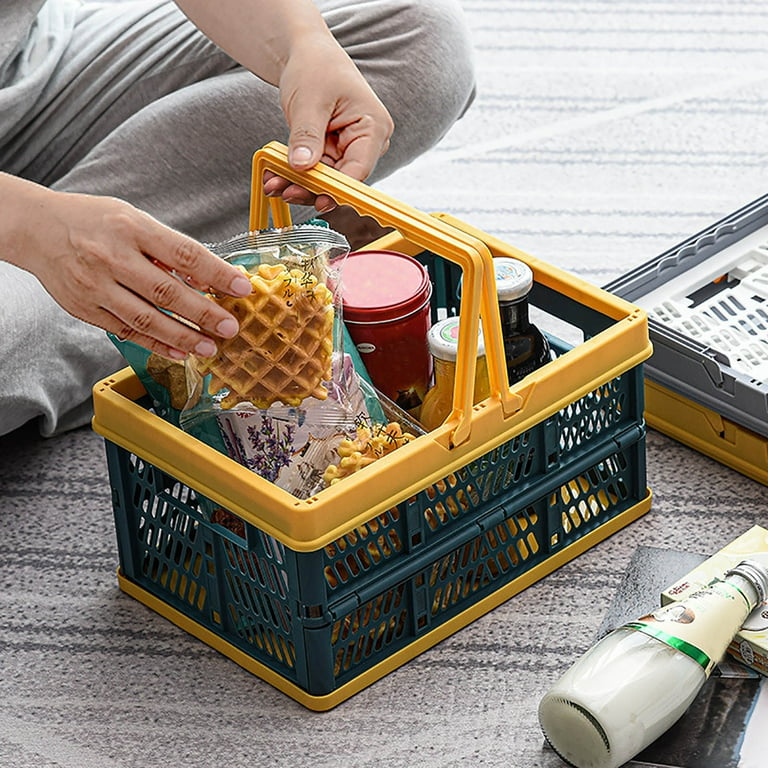
- Collapsible containers: Water jugs, bowls, and even buckets now come in collapsible styles.
A common mistake is to pack bulky, single-use items. If you’re new to camping, borrow or rent gear first to see what works.
Smart Packing Strategies
Packing your car is like solving a puzzle. Here are some proven strategies:
Pack By Zones
Divide your car into zones:
- Sleeping gear: Back seat or under seats
- Cooking gear and food: Trunk or rear cargo
- Clothes and personal items: In soft bags, on top of other gear
- Emergency items (first aid, flashlight): Glove box or door pockets
This way, you always know where to find things.
Heaviest Items First
Put the heaviest items on the bottom and closest to the vehicle’s center. This keeps your car stable and prevents lighter objects from getting squashed.
Use Every Inch
Small gaps near seats, under front chairs, or door pockets are perfect for small items like hats, chargers, or snacks.
Keep Essentials Within Reach
Don’t bury items you need during the drive—like water, sunglasses, or a map. Keep them in the front or on top.
Comparison: Packing Methods
Here’s a side-by-side look at two common packing strategies:
| Packing Method | Pros | Cons |
|---|---|---|
| Stacking Bins | Neat, easy to unload, protects gear | Bins can waste space, heavier to move |
| Soft Bags & Loose Packing | Fills odd spaces, lighter, flexible | Harder to keep organized, items can shift |
For most campers, a mix of bins and soft bags works best.
Storage Solutions And Organizers
Not all cars come with built-in storage for camping. Here are some useful tools you can add:
- Roof boxes or baskets: Great for bulky but light items like sleeping bags.
- Rear cargo organizers: Fit in the trunk, divide space for kitchen, tools, or food.
- Seat-back organizers: Hang on the back of front seats, perfect for maps, small electronics, or toiletries.
- Under-seat storage bins: Use shallow containers for shoes or first aid.
- Hanging shoe racks: Hang inside the rear hatch or on a window for shoes, cables, or small items.
Example: Simple Gear Storage
| Organizer Type | Best For | Fits In |
|---|---|---|
| Seat-back Organizer | Small items, books, maps | Back of front seats |
| Roof Box | Sleeping bags, tents | Car roof |
| Under-seat Bin | Emergency gear | Under rear seats |
Food And Kitchen Gear: Save Space And Stay Organized
Food takes up more space than you think. To keep things simple and compact:
- Pre-plan meals. Know exactly what you’ll cook each day.
- Pack ingredients in small amounts. Use zip bags or small containers instead of whole packages.
- Use stackable pots and pans. Many camping cookware sets nest together.
- Choose dehydrated foods. These are light and take up little space.
- Bring a soft cooler. It fits in tight spots, unlike hard coolers.
Store kitchen gear in a clear bin, so you can see what’s inside. Keep a small bag or box for trash and recycling.
Clothing: Pack Smart, Wear Smarter
Packing clothes for camping is different from a vacation. You want to bring less and choose wisely:
- Layering is key. Bring clothes you can mix and match.
- Use packing cubes or sacks. These keep clothes organized and compact.
- Limit shoes. One pair for hiking, one for camp.
- Choose quick-dry fabrics. They pack small and wash easily.
A good tip: roll your clothes instead of folding. This saves space and reduces wrinkles.
Sleeping Setup: Maximize Comfort, Minimize Bulk
Sleeping gear can be bulky, but there are ways to shrink it down:
- Compression sacks. Squeeze sleeping bags and pads to half their size.
- Inflatable pillows. They pack tiny but add comfort.
- Multi-use blankets. Use a blanket as a picnic rug or extra insulation.
- Roof storage. If your sleeping gear is lightweight, consider storing it in a roof box.
Don’t forget to keep your pillow and sleeping bag accessible for quick setup.
Keeping Your Car Clean And Functional
Camping can get messy—mud, sand, and crumbs all find a way into your car. Stay ahead with these tips:
- Bring a small hand broom or vacuum.
- Use a doormat at your camp entrance and car door.
- Store dirty shoes in a plastic bin or bag.
- Keep a roll of trash bags handy.
- Try to pack gear in bins or bags you can easily wipe clean.
An extra tip: pack a small bottle of hand sanitizer and wipes in the glove box.
Safety And Emergency Storage
Don’t let space-saving make you forget about safety. Always keep emergency items where you can reach them quickly:
- First aid kit
- Flashlight or headlamp
- Jumper cables
- Spare tire and tools
- Multi-tool or knife
- Emergency food and water
Store these in the glove box, under the seat, or in a door pocket—not buried under other gear.
Common Mistakes Beginners Make
Even experienced campers can waste space or lose track of gear. Watch out for these mistakes:
- Overpacking: If you’re not sure you’ll use it, leave it home.
- Ignoring weather: Pack for the real forecast, not just “in case.”
- Forgetting the return trip: Leave space for dirty or wet gear on the way home.
- Not labeling bins: Labeling or color-coding bins saves time searching.
- Blocking rear view: Don’t stack gear above seat level in the back; it’s unsafe and illegal in some places.
Advanced Tips For Expert Organization
Looking for next-level organization? Try these:
- Vacuum-seal bags: For clothes or bedding, these can shrink items by 50%.
- Magnetic hooks: Stick to metal parts inside your car to hang lanterns, towels, or bags.
- Drawer systems: Custom-made drawers in the trunk keep everything in order, though they cost more.
- DIY shelf platforms: Some campers build a raised sleeping platform with storage underneath.
Many expert campers share their car setups online. For more inspiration, visit REI’s car camping guide.
Real-world Example: Weekend Trip Packing
Here’s how you might organize gear for a typical two-night camping trip:
| Zone | Contents | Tips |
|---|---|---|
| Trunk | Kitchen bin, food, tent, camp chairs | Stack largest bins first, keep food cooler on top |
| Back seat | Clothing duffles, sleeping bags, pillows | Soft items fill gaps, easy access for setup |
| Front seats | Day packs, water bottles, snacks | Keep within reach for stops |
| Glove box/doors | First aid, flashlight, wipes | Emergency items always accessible |
Two Non-obvious Space-saving Insights
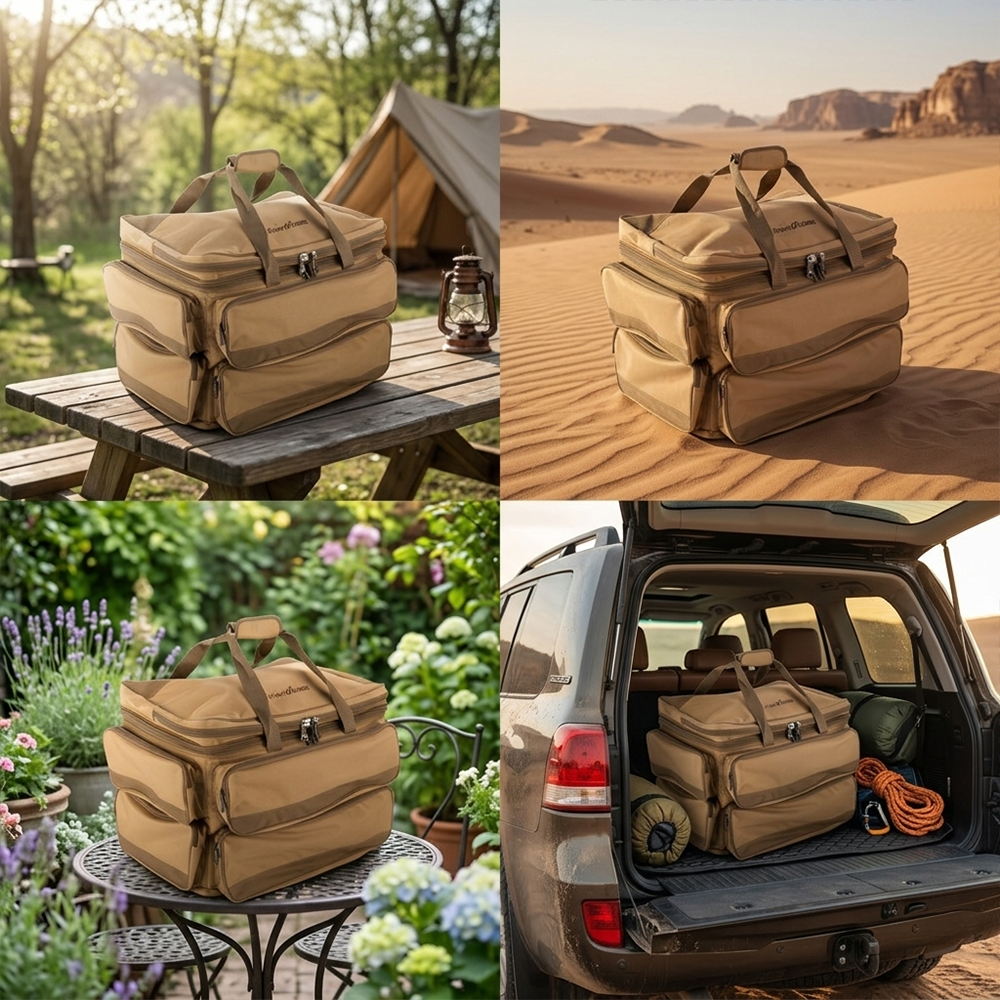
- Pack your gear in reverse order: Put what you need last (like sleeping bags) in first, and keep what you need first (like raincoats or snacks) on top or near doors. This avoids unpacking everything at each stop.
- Use the “modular packing” trick: Group items by use (all kitchen gear together, all sleeping gear together) in separate bins or bags. This makes it easier to grab just what you need at camp or during a quick stop.
Credit: alsanidi.com.sa
Final Checklist Before You Leave
- Double-check your car’s weight limit (listed in the manual).
- Make sure all windows and mirrors are clear.
- Confirm all gear is secure—no loose items that could fly in a sudden stop.
- Bring a spare key and keep it in a safe place.
- Charge your phone and pack a car charger.
Car camping can be simple and enjoyable if you take a little time to organize. The right packing strategy will help you enjoy nature instead of searching for lost gear.
Frequently Asked Questions
How Do I Maximize Space In A Small Car For Camping?
Focus on multi-use gear, compressible items, and use every inch of space—including under seats and door pockets. Soft bags fill small gaps better than hard bins.
What Should I Always Keep Accessible While Driving?
Keep water, snacks, first aid kit, flashlight, and navigation tools within reach. Do not bury these under other gear.
Are Roof Boxes Safe For All Camping Gear?
Roof boxes are best for light, bulky items like sleeping bags or tents. Avoid putting heavy gear up top, as it affects car handling and safety.
How Do I Keep My Car Clean During A Camping Trip?
Use a small broom, trash bags, and a mat at the car door. Store dirty shoes and wet gear in separate bins or bags to avoid mess.
How Can I Avoid Overpacking For Car Camping?
Plan your meals, outfits, and activities in advance. Stick to a packing list and do a final check to remove anything you don’t absolutely need.
Organizing your car for camping is a skill that pays off every time you hit the road. With these tips, you’ll travel lighter, find your gear faster, and make every camping trip more enjoyable.
Credit: www.walmart.com
Disclosure: As an Amazon Associate, I may earn from qualifying purchases at no extra cost to you. Amazon and the Amazon logo are trademarks of Amazon.com, Inc, or its affiliates.
