
Car camping gives you a sense of freedom. You can park almost anywhere, sleep inside your vehicle, and wake up with a new view every morning. But there’s one problem that bothers almost everyone who tries it for the first time: condensation. You go to sleep in a dry car, but by morning, your windows are wet and your bedding feels damp. Why does this happen? And most important, how can you prevent condensation while car camping using proper ventilation? Let’s explore the science, solutions, and real-life tips so you can stay dry and comfortable on your adventures.
Why Condensation Happens In Car Camping
When you sleep inside your car, you breathe out warm, moist air. Even in cold weather, your body and breath release water vapor. The inside of your car is warmer than the outside air, especially if you keep the windows closed. When this warm, moist air hits the cold glass or metal, it turns into liquid water—this is condensation.
Here’s what typically causes the problem:
- Breathing: One person exhales about 0.5 liters of water overnight.
- Damp clothes or bedding: Wet gear releases moisture into the air.
- Cooking inside the car: Boiling water or cooking releases steam.
- Closed windows: Traps humid air inside.
If you don’t manage this, your car will get musty, your sleeping bag will be clammy, and even mold can develop over time.
The Importance Of Ventilation
Many new car campers think the best way to stay warm is to seal all windows and doors. This is actually the worst thing you can do. Without ventilation, moisture has nowhere to escape, so it collects on every surface. Good ventilation lets humid air out and brings dry air in, keeping the inside of your car dry and comfortable.
Key insight: Even in cold weather, a small amount of controlled ventilation is far better than sealing everything up.
Methods To Prevent Condensation In Your Car
Let’s look at the best methods to reduce or stop condensation. You can combine several for the best results.
1. Crack The Windows
Leaving your windows open just a little is the simplest and most effective way. A gap of 1–2 centimeters is usually enough. This lets moist air escape while keeping most rain and cold out.
- Use rain guards or window visors to allow ventilation, even during bad weather.
- Choose windows away from the wind to limit drafts.
2. Use Mesh Window Screens
Mesh screens let air in but keep bugs out. They fit over your window frame and allow you to sleep with the window open safely.
- Buy screens made for your car model, or make your own with fine mesh and magnets.
- They are especially useful in summer or in areas with many insects.
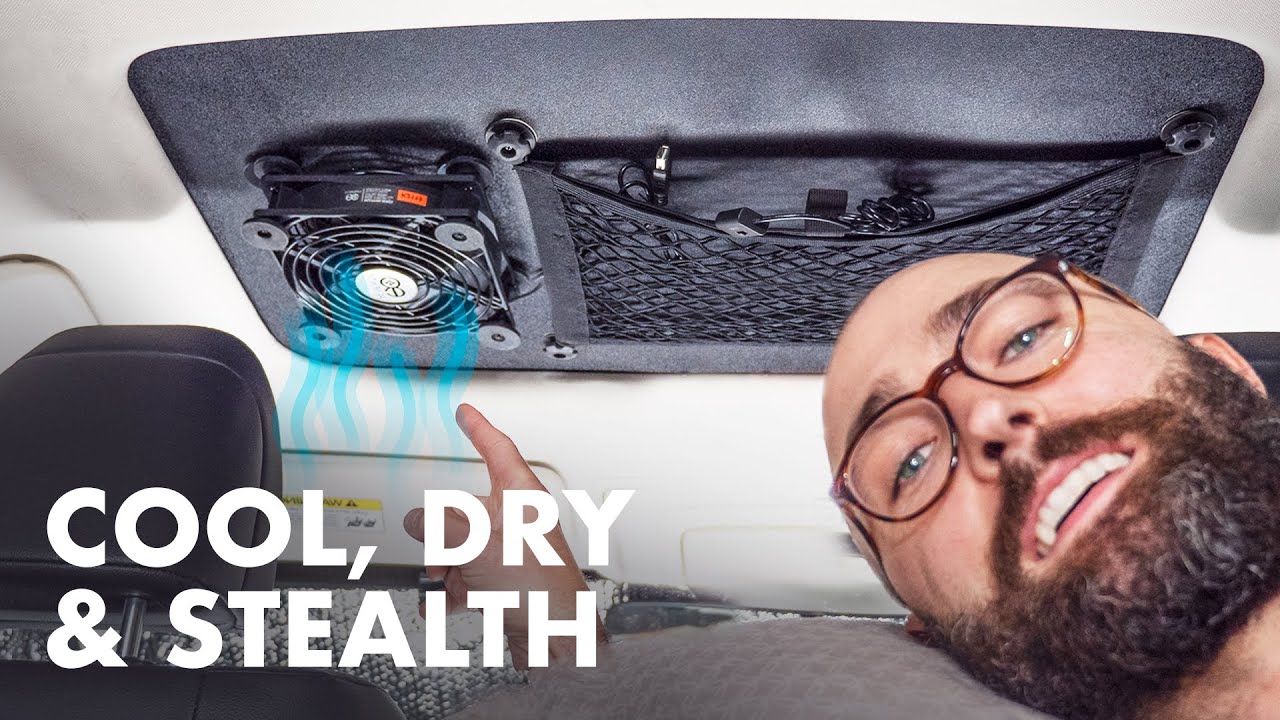
3. Roof Vents And Fan Systems
A powered roof vent or 12V fan can pull humid air out quickly.
- Some campers install a roof vent fan like the Maxxair or Fantastic Fan.
- Portable USB fans can also help if you don’t want to cut a hole in your car.
Pro tip: Always use a fan in “exhaust” mode at night to pull air out, not just recirculate inside.
4. Desiccants And Moisture Absorbers
Desiccant packs like silica gel or products like DampRid can absorb moisture from the air.
- Place several around the car, especially near windows.
- They work best as a support, not as the only solution.
5. Avoid Cooking Inside
Boiling water or cooking inside the car adds a lot of moisture.
- Cook outside whenever possible.
- If you must cook inside (bad weather), open windows fully and use a fan.
6. Dry Wet Gear Before Sleeping
Don’t bring wet clothes or shoes into the car.
- Hang wet items outside or in a separate area until dry.
- Keep sleeping bags and bedding dry at all times.
7. Insulate Windows And Metal Surfaces
Window insulation helps keep glass warmer, reducing condensation.
- Use reflectix or foam panels cut to fit your windows.
- Insulation also helps with temperature control.
8. Choose The Right Sleeping Area
If your car has a sunroof, open it slightly for vertical ventilation. Sleeping with your head near a vent can help moist air exit faster.
9. Use The Car’s Built-in Vents
Most cars have small air vents near the trunk or rear. Keep these clear (don’t block with gear) to let air escape.
10. Park Smart
Park in a spot where you can safely crack your windows. Avoid areas with high humidity (like next to lakes or rivers) if possible.
11. Monitor Humidity
A small digital hygrometer can help you track humidity levels. Aim for below 60% inside your car for comfort.
12. Air Out Your Car Daily
Each morning, open all doors for a few minutes to let moist air escape and fresh air in.
Comparing Ventilation Methods
Here’s a quick comparison of common ways to ventilate your car while camping:
| Method | Effectiveness | Cost | Ease of Use |
|---|---|---|---|
| Cracked Windows | High | Free | Very Easy |
| Mesh Window Screens | High | Low | Easy |
| Roof Vent Fan | Very High | High | Medium |
| Desiccants | Medium | Low | Very Easy |
| Insulation | Medium | Medium | Medium |
Credit: www.youtube.com
Real-world Example: Managing Condensation On A Rainy Night
Imagine camping in your car during a cold, rainy night. You’re tempted to shut all windows to stay warm. But if you do, by morning your windows will be dripping with water. Instead, you:
- Crack two windows slightly (opposite sides)
- Use mesh screens to keep bugs out
- Place a desiccant pack near your bed
- Cook dinner outside before getting in
By morning, your car is dry, and you avoid that sticky, musty feeling.
Non-obvious insight: The best ventilation setup often depends on weather. In windy or cold conditions, crack windows on the side away from the wind to reduce drafts but still let air out.
How Much Ventilation Do You Need?
Many wonder, “Is a small crack enough?” The answer: yes, for most people. If two people sleep in a car, crack two windows about 1–2 centimeters. For more people, or if you have pets, open windows a little more or use a fan.
Helpful tip: If you see heavy condensation, increase window openings the next night. If you feel too cold, add insulation or sleep with a hat rather than closing all vents.
Safety Tips For Nighttime Ventilation
Some worry about safety with windows open. Here’s how to stay safe:
- Use window stoppers to limit how far your windows can open.
- Park in well-lit, safe locations.
- Use mesh or magnetic screens for privacy and security.
- Avoid opening windows near busy roads for noise and safety.
Insulation And Condensation: What Really Matters
Insulation helps, but it’s not a magic solution. If your windows are well insulated but there’s no ventilation, condensation will still happen—just more slowly. Insulation keeps surfaces warmer, so less water forms, but the moist air still needs to escape.
- Use both insulation and ventilation for best results.
- In very cold climates, consider insulated window covers plus cracked windows.
Common Mistakes Beginners Make
Understanding what to avoid can save you a lot of trouble:
- Sealing all windows and doors—This traps all moisture inside.
- Sleeping with wet gear—Dries on your bedding, making everything damp.
- Cooking inside without ventilation—Doubles moisture quickly.
- Not checking weather direction—Windy side windows can cause chills if opened.
- Forgetting to air out daily—Moisture builds up over several nights.
Table: Common Condensation Sources In Car Camping
Here’s a look at how much moisture different activities can add to your car overnight:
| Source | Moisture Added (approx.) |
|---|---|
| Breathing (1 person, 8 hours) | 0.5 liters |
| Cooking (1 meal) | 0.2–0.5 liters |
| Wet clothes/shoes | 0.1–0.3 liters |
| Poor ventilation | Increases overall moisture |
Non-obvious Insights
- Placement matters: Cracking windows at opposite ends (front and back, or left and right) creates a cross-breeze, removing humid air more efficiently.
- Humidity can rise fast: Even on cold nights, humidity inside can reach 80% or more by morning with two people in a small car and no ventilation.
Practical Car Camping Ventilation Setup
For a comfortable, dry night:
- Crack two windows 1–2 cm.
- Install mesh screens for bug protection.
- Place a desiccant pack near your bed.
- Insulate windows with reflectix or foam (especially in winter).
- Air out your car every morning.
Example: On a three-day trip, following these steps means you’ll wake up dry each day, your bedding stays fresh, and there’s no musty smell.
When Extra Measures Are Needed
If you camp in very humid places, or in winter, you may need extra steps:
- Use a portable battery fan or install a roof vent for extra airflow.
- Bring a small towel to wipe windows in the morning if needed.
- If condensation is still bad, increase ventilation or check for hidden moisture sources.
When To Worry About Too Much Condensation
If your car stays damp for days, mold can develop. Signs include a musty smell, visible mold spots, or windows that stay wet all day. Take action right away:
- Air everything out in the sun.
- Clean surfaces with a vinegar-water solution.
- Dry all bedding and gear completely.

Credit: heytrip.net
For More In-depth Advice
If you want to learn about the science of condensation and humidity, or see real-world car camping setups, check the detailed guide on Wikipedia.
Frequently Asked Questions
How Do I Keep My Car Windows From Fogging Up When Camping?
Crack your windows slightly and use mesh screens for airflow. Avoid sleeping with wet gear, and cook outside if possible. A small fan can also help.
Can I Use A Dehumidifier In My Car While Camping?
Portable dehumidifiers can help, but they require power and work slowly. Desiccant packs are a simpler solution for most campers.
Is It Safe To Sleep With Car Windows Open?
Yes, if you open them just a little and use screens for security. Park in a safe area, and use window stoppers to control the opening.
How Much Ventilation Do I Really Need?
Usually, two windows cracked 1–2 cm is enough for one or two people. If you have more people or pets, increase the openings or use a fan.
Will Insulation Alone Stop Condensation?
No, insulation helps reduce condensation but does not eliminate it. You still need ventilation to let moist air escape.
Waking up dry and comfortable is possible with the right ventilation and a few smart habits. Prepare before your next car camping trip, and you’ll never dread waking up to wet windows again.
Credit: teraglide.com
Disclosure: As an Amazon Associate, I may earn from qualifying purchases at no extra cost to you. Amazon and the Amazon logo are trademarks of Amazon.com, Inc, or its affiliates.
