
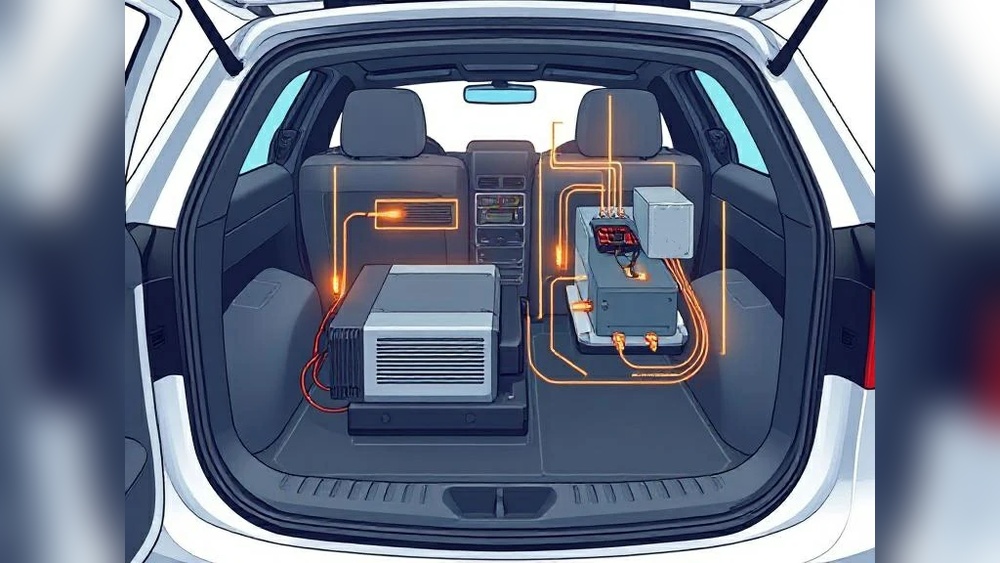
A road trip can be a great adventure, but sometimes you need to power a laptop, charge your camera, or even use small kitchen appliances in your car. Many people face this challenge: your car battery only produces DC (direct current) electricity, but most electronic devices use AC (alternating current), like what you get at home. This is where a car inverter becomes useful. If you have ever wondered what a car inverter is, how to use it safely, and why it can be essential, this article will guide you step by step. You will learn exactly what a car inverter does, how it works, how to pick the right one, and how to use it correctly for different needs.
What Is A Car Inverter?
A car inverter is a compact device that converts the DC power from your car’s battery into AC power (the same type used in regular wall outlets at home). This means you can plug in devices like laptops, phone chargers, small fans, or even mini refrigerators and use them while driving or parked. Car inverters are popular among travelers, campers, and people who need to work on the go.
Inverters usually plug into your car’s cigarette lighter socket (also called a 12V accessory port) or can connect directly to the car battery for higher power needs. The main job is to let you use household electronics inside your vehicle without any complex wiring.
How Does A Car Inverter Work?
The basic idea is simple: your car battery produces DC power, but most of your devices need AC. The inverter uses electronic circuits to change the DC electricity into AC, usually at 110V or 220V, depending on your region.
Here’s a simplified process:
- Takes DC power from your car battery (usually 12V).
- Uses electronic circuits to change this DC into AC power.
- Provides AC outlets (just like at home) where you can plug in your devices.
There are two main types of inverters:
- Modified sine wave: Cheaper, good for simple electronics (phone chargers, laptops).
- Pure sine wave: More expensive, better for sensitive devices (medical devices, CPAP machines, some refrigerators).
Car Inverter Example
Imagine you want to power a laptop (which needs 65 watts) during a long drive. You use a 150-watt car inverter that plugs into your cigarette lighter. The inverter draws DC power from your car, converts it, and you simply plug your laptop charger into the inverter’s AC outlet. Your laptop charges just like at home.
Types Of Car Inverters
Car inverters come in different shapes, sizes, and power ratings. Choosing the right type depends on what you want to power.
By Power Output
- Low power (75W-150W): Good for phone chargers, cameras, small fans.
- Medium power (150W-400W): Laptops, small TVs, portable coolers.
- High power (500W and above): Power tools, blenders, gaming consoles.
By Connection Type
- Cigarette lighter plug: For small devices, up to 150W. Easy to use, but limited power.
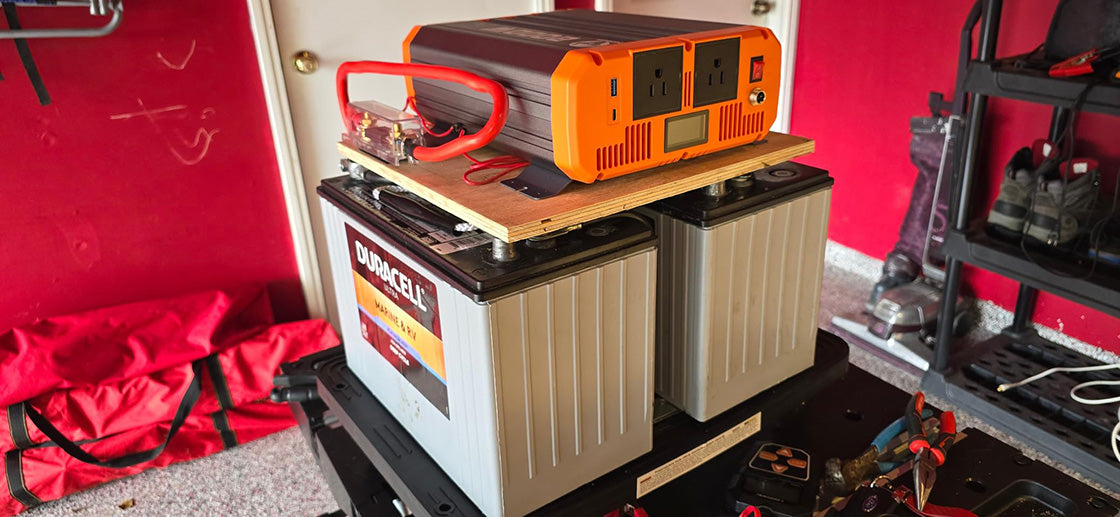
- Battery clamps (alligator clips): For bigger inverters, connect directly to the battery. Can power larger devices but requires opening the hood.
By Waveform
- Modified sine wave: Cheaper, works for most gadgets but might cause noise in audio or interfere with some devices.
- Pure sine wave: More expensive, needed for medical equipment, sensitive electronics, and appliances with motors.
Why Use A Car Inverter?
A car inverter isn’t just a fancy accessory. It solves real problems for travelers, professionals, and families.
- Remote work: Charge your laptop and mobile office gear anywhere.
- Camping: Power small appliances, lights, or a mini fridge away from home.
- Emergency backup: Run medical equipment or keep phones charged during a blackout.
- Long drives: Entertainment for kids (DVD players, handheld consoles).
Non-obvious insight: Some newer cars have built-in AC outlets. But most standard cars do not, and built-in outlets are often limited to 100-150 watts—too little for many appliances.
Credit: www.topbullshop.com
How To Choose The Right Car Inverter
Picking the best inverter is about more than just buying the cheapest option. Here’s what you need to consider.
1. Power Needs
- Add up the wattage of everything you want to run at the same time.
- Always choose an inverter with a higher watt rating than your total.
Example: If you want to run a 65W laptop and a 30W fan, you need at least a 100W inverter, but a 150W model is safer.
2. Connection Type
- For under 150W: Cigarette lighter plug is fine.
- Above 150W: Use direct battery connection for safety.
3. Safety Features
Look for these important features:
- Overload protection: Shuts off if you try to power too much.
- Low-voltage shutdown: Prevents draining your car battery.
- Short-circuit protection: Prevents damage to your car and devices.
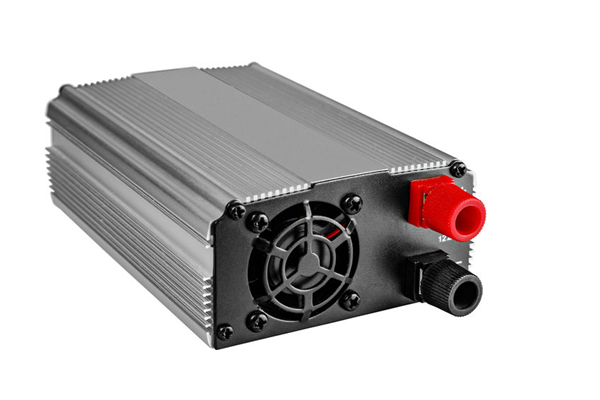
- Cooling fan: Keeps the inverter from overheating.
4. Size And Portability
Some inverters are big and bulky, others are small and easy to store. Decide if you want a portable inverter or a more powerful, permanent installation.
5. Type Of Sine Wave
- Modified sine wave: Cheaper, works for most things.
- Pure sine wave: Costs more, but needed for sensitive or specialty equipment.
6. Brand And Warranty
Choose a reputable brand with good customer reviews. A warranty can save you money if something breaks.
Beginner mistake: Many first-time buyers forget to check the continuous watt rating (what the inverter can run for hours) versus peak watt rating (a short burst for starting motors). Always pay attention to continuous watts.
How To Use A Car Inverter Safely
Even the best inverter can cause problems if used incorrectly. Safety is very important.
Step-by-step Usage Guide
- Read the manual: Always start with the instructions.
- Check your car battery: Make sure your battery is healthy and fully charged.
- Plug in the inverter: Use the cigarette lighter for small inverters, or battery clamps for larger ones.
- Turn on the inverter: Most have a simple power switch.
- Plug in your device: Use only as many devices as your inverter’s watt rating allows.
- Monitor usage: If the inverter gets hot, unplug some devices and let it cool.
- Turn off and unplug when not in use: Don’t leave the inverter connected if the car is off—it can drain your battery.
Non-obvious insight: Running high-wattage devices for a long time with the engine off can quickly kill your car battery. Always keep the engine running if you use the inverter for more than a few minutes.
Common Safety Mistakes
- Overloading: Plugging in too many devices can blow a fuse or even damage your car’s electrical system.
- Poor ventilation: Inverters need airflow. Never cover them with bags or clothes.
- Loose connections: Always check that plugs and clamps are tight to avoid sparks.
- Ignoring warning sounds or lights: Most inverters beep or flash if there’s a problem. Don’t ignore these signals.
Practical Examples: What Can You Power?
Here’s a look at what typical car inverters can handle:
| Device | Power Needed (Watts) | Inverter Size Needed |
|---|---|---|
| Phone charger | 10-20 | 75W |
| Laptop | 40-90 | 150W |
| Mini fridge | 60-100 | 200W+ |
| CPAP machine | 50-100 | 150W+ |
| Small TV | 90-120 | 200W+ |
Car Inverter Vs. Portable Power Station
Many people confuse car inverters with portable power stations (battery packs with AC outlets). Here’s a simple comparison:
| Feature | Car Inverter | Portable Power Station |
|---|---|---|
| Power Source | Car battery | Internal battery |
| Run Time | As long as car battery lasts | Until power station drains |
| Weight | Light | Heavier |
| Price | Lower | Higher |
| Best For | Use in car | Outdoor, away from car |

Credit: www.youtube.com
Car Inverter Installation Tips
Some inverters are plug-and-play, but larger units may need a more permanent setup.
- Mount securely: Don’t let the inverter slide around your car.
- Use the right cables: Thicker cables handle more power and prevent overheating.
- Fuse protection: Always use an inline fuse on the positive cable for battery-connected inverters. This prevents fires if something goes wrong.
- Keep inverter dry: Avoid placing it where it can get wet (rain, spilled drinks).
If you’re unsure about installation, ask a professional or check with your car’s dealer.
How To Maintain A Car Inverter
Proper care helps your inverter last longer and work safely.
- Clean vents regularly: Dust can block airflow and cause overheating.
- Check cables: Look for fraying or loose connections.
- Store safely: When not in use, keep the inverter in a dry, cool place.
- Test regularly: Plug in a small device to make sure the inverter works before a big trip.
Credit: www.mobile-install.com
Signs Your Car Inverter Needs Replacement
No device lasts forever. Here are warning signs:
- Frequent shutdowns: If the inverter turns off often, it may be failing.
- Burning smell: Indicates overheating or electrical problems.
- Damaged outlets: Broken or loose AC outlets are unsafe.
- No power output: If it won’t power devices even though the car battery is fine, it’s time for a new inverter.
Where To Learn More
To understand more about electricity, inverters, and safety standards, you can visit Wikipedia’s Power Inverter page for a deeper look into the science and technology.
Frequently Asked Questions
What Size Car Inverter Do I Need For A Laptop?
Most laptops need between 40 to 90 watts. A 150W inverter is usually enough, and gives you extra power for charging your phone or another small device at the same time.
Can A Car Inverter Drain My Car Battery?
Yes, if you use the inverter while the engine is off, it will drain the battery. Always keep the engine running for high-wattage devices or long use. For short tasks, like charging a phone, it’s usually safe.
Is It Safe To Use A Car Inverter For Medical Equipment?
Only use a pure sine wave inverter for medical devices, and check with your equipment’s manufacturer. Some devices are sensitive and may not work well with modified sine wave inverters.
Can I Use A Car Inverter While Driving?
Yes, most inverters are designed for use while driving. Make sure the inverter and plugged-in devices are secure and will not distract the driver.
Why Does My Inverter Beep Or Shut Off?
Most inverters have alarms for overload, low battery voltage, or overheating. Check your connections, unplug some devices, and make sure your car’s battery is healthy.
A car inverter is a simple tool that can make travel, work, and emergencies much easier. By understanding how it works, how to use it safely, and what to watch out for, you can power your devices on the road without worry. Whether you need to charge a laptop, run a mini fridge, or just keep your phone alive, the right car inverter is a valuable investment for any car owner.
Disclosure: As an Amazon Associate, I may earn from qualifying purchases at no extra cost to you. Amazon and the Amazon logo are trademarks of Amazon.com, Inc, or its affiliates.
