
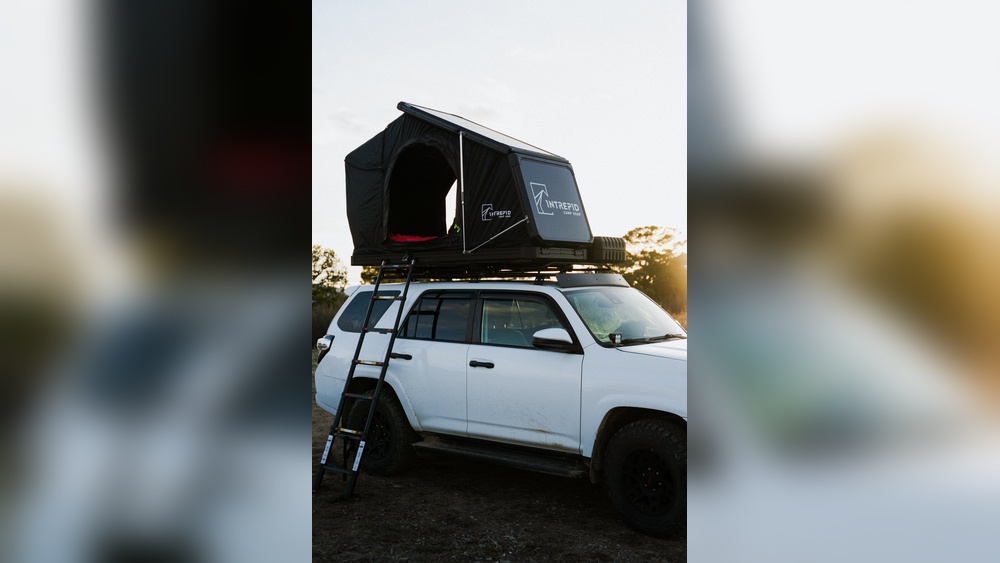
If you love camping but want to avoid sleeping on the cold, uneven ground, a roof top tent could be your answer. These tents mount directly to your vehicle’s roof, giving you comfort, safety, and a great view. But before you buy, it’s important to know if your car or truck can handle a roof top tent, and how to install it the right way. This guide explains everything, step by step, so you can enjoy your next adventure with confidence.
Understanding Roof Top Tent Compatibility
Before choosing a roof top tent, you need to check if your vehicle is suitable. Not all cars can carry the extra weight or support the structure. Choosing the wrong setup can damage your car or even cause accidents.
Vehicle Types That Support Roof Top Tents
Most SUVs, pickup trucks, and some wagons work well with roof top tents. Here’s a quick comparison:
| Vehicle Type | Roof Top Tent Compatible? | Common Limitations |
|---|---|---|
| SUV | Yes | Check roof load rating |
| Pickup Truck | Yes | May need a bed rack |
| Sedan | Rarely | Low roof strength |
| Wagon | Sometimes | Check roof rails |
| Minivan | Sometimes | Roof load limits vary |
Tip: Most small cars (like compact sedans or hatchbacks) can’t safely support a roof top tent. Always check your owner’s manual for roof load rating before buying.
Roof Load Rating: Why It Matters
The roof load rating is the maximum weight your car’s roof can carry while driving. This includes the tent, mounting racks, and anything stored inside. Exceeding this rating can dent your roof or cause roof rack failure.
- Average factory roof load rating: 75–165 lbs (34–75 kg)
- Roof top tent weight: 100–200 lbs (45–90 kg)
- People inside (static weight): Car roofs can usually support more when parked, but the rating still matters.
Non-obvious insight: The static load (when parked) is much higher than the dynamic load (while driving). However, you must never exceed the dynamic load while driving, even if your tent is light but you load it with gear.
Choosing The Right Roof Rack
A roof top tent needs a strong, reliable roof rack. Most factory racks are too weak for the extra weight. You may need to upgrade to an aftermarket rack designed for heavy loads.
Types Of Roof Racks
| Rack Type | Max Weight Capacity | Best For | Notes |
|---|---|---|---|
| Factory-installed | 75–150 lbs | Lightweight tents | Check manual for limits |
| Aftermarket crossbars | 150–300 lbs | Most roof top tents | Choose steel or heavy-duty aluminum |
| Bed rack (pickup) | 300+ lbs | Heavy tents, overlanding | Mounted in truck bed |
Key Factors When Selecting A Roof Rack
- Weight capacity: Must be higher than the total tent weight.
- Mounting style: Crossbars, platform, or bed racks each fit different vehicles.
- Width and spread: Crossbars should match the tent’s mounting rails.
- Attachment points: Strong factory rails or fixed points are safest.
- Material: Steel racks are strongest, but heavier.
Common mistake: Many people trust old or worn roof racks. Always check for rust, cracks, or loose bolts before installation.

Credit: www.naturnest.com
Steps To Install A Roof Top Tent
Installing a roof top tent is not difficult, but you need to follow the steps in the right order. Most tents need at least two people to lift them safely.
Step 1: Gather Tools And Materials
- Roof top tent (with mounting hardware)
- Strong roof rack (installed)
- Wrenches or socket set
- Measuring tape
- Ladder or step stool
- A friend/helper
Step 2: Check All Components
Open your tent box and check all bolts, nuts, brackets, and instructions. Missing parts can delay your setup.
Step 3: Prepare The Roof Rack
Clean the rack surface and make sure it’s tightly attached to your car. Loose racks can be dangerous on the road.
Step 4: Position The Tent
Lift the closed tent onto the rack. Align the mounting rails (under the tent) with the crossbars. Most tents open to the side or rear, so decide how you want it to face for your campsite.
Non-obvious insight: The tent should not extend too far beyond the crossbars or block your rear hatch. Test opening your trunk before final tightening.
Step 5: Attach The Tent
Follow the tent manufacturer’s instructions to bolt the tent to the rack. Usually, metal plates go under the crossbars and bolts come down from the tent rails. Tighten all bolts firmly but don’t over-tighten (which can crush rails).
Step 6: Double-check Everything
Shake the tent and rack gently to check for movement. All bolts should be tight. If anything wiggles, re-tighten or adjust.
Step 7: Test Deployment
Open your tent fully before your trip. Make sure the ladder reaches the ground and all fabric or support poles are working. Practice setting up and closing the tent a few times.
Important Safety Tips
Safety is critical with any roof top tent. Here’s what experienced campers wish they knew earlier:
- Height: Your vehicle will be taller with the tent installed. Watch for low branches, parking garages, or drive-thru signs.
- Weight balance: Heavy tents can change your car’s center of gravity. Drive slower and take turns carefully, especially in wind.
- Weather: Strong winds can shake the tent. Park with the nose into the wind, if possible.
- Ladder placement: Always set the ladder on firm, level ground. If it slips, you could fall.
- Regular checks: Every trip, inspect the rack, bolts, and tent fabric for wear or damage.
Roof Top Tent Compatibility Examples
Let’s look at a few real-world examples to make compatibility clearer.
Example 1: Toyota 4runner
- Roof load rating: 165 lbs (dynamic)
- Factory rails: Yes, but weak
- Best setup: Aftermarket steel crossbars + tent up to 150 lbs
Example 2: Ford F-150 Pickup
- Roof load rating: 120 lbs (roof), 600 lbs (bed rack)
- Best setup: Heavy-duty bed rack + large tent for 3+ people
Example 3: Subaru Outback Wagon
- Roof load rating: 150 lbs
- Factory rails: Decent, but crossbars needed
- Best setup: Aftermarket crossbars + medium tent (up to 120 lbs)
These examples show that the same tent can fit some vehicles but not others. Always measure and check manufacturer specs.
Mistakes To Avoid With Roof Top Tents
Many first-timers make costly errors. Here are the biggest ones and how to avoid them:
- Ignoring weight limits: Don’t guess—check the numbers in your car’s manual.
- Weak roof racks: If you use cheap or old racks, you risk damage.
- Bad placement: Tents that block hatches or stick out too far are unsafe.
- No dry run: Practice setting up at home before your trip.
- Skipping maintenance: Bolts loosen and fabric tears—inspect everything often.
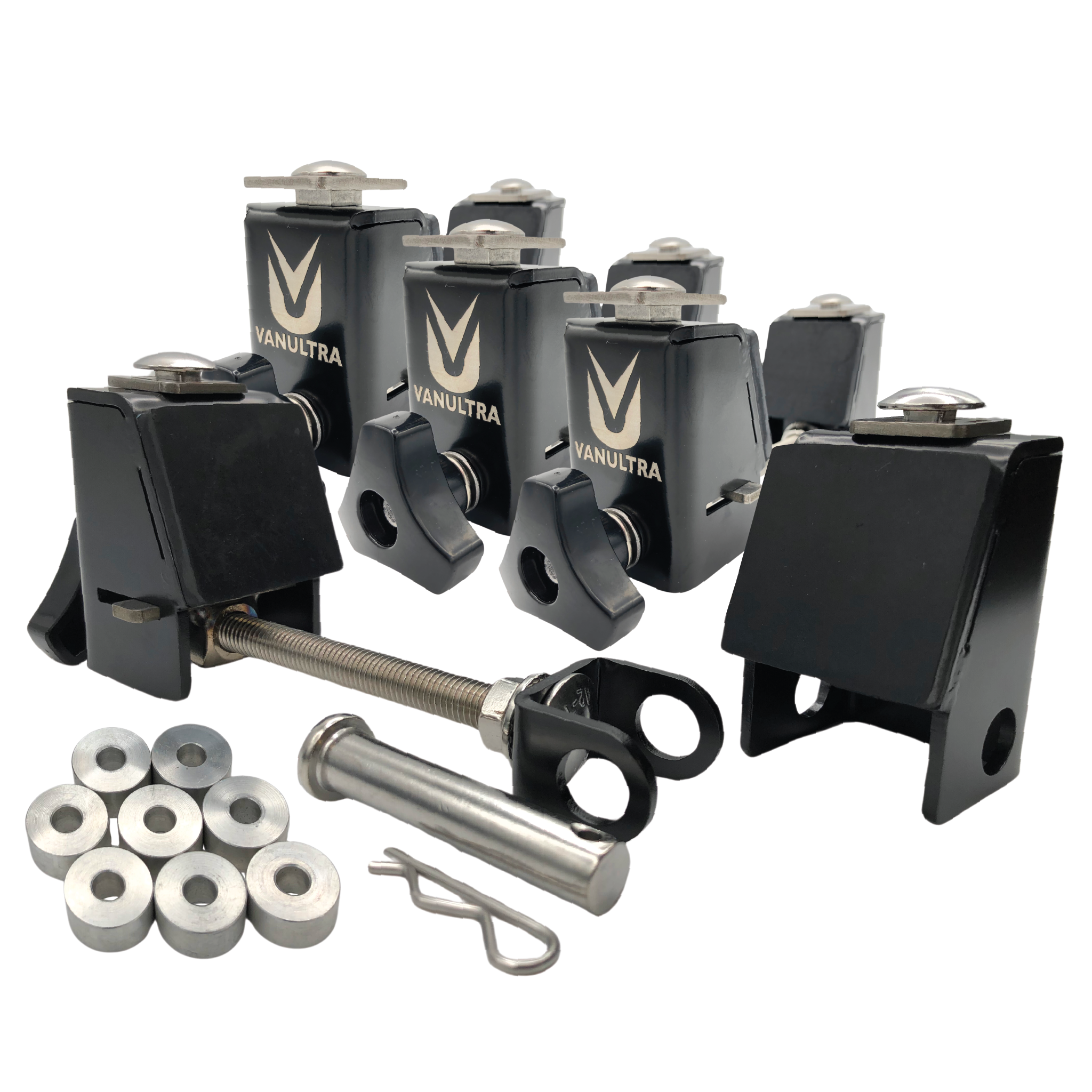
Credit: roofnest.com
How To Maintain Your Roof Top Tent
A roof top tent can last many years with care. Here’s what you should do:
- Clean after each trip: Remove dirt, leaves, and bugs.
- Dry before storage: Always dry the tent fully to prevent mold.
- Check hardware: Tighten all bolts and lube moving parts.
- Inspect fabric: Look for holes or tears, and repair early.
- Store indoors: If possible, keep the tent in a garage or shed to protect from sun and rain.
Comparing Softshell Vs. Hardshell Roof Top Tents
Your tent’s material affects installation and compatibility. Here’s how they differ:
| Type | Setup Time | Weight | Durability | Best For |
|---|---|---|---|---|
| Softshell | 10–15 mins | 80–140 lbs | Moderate | Budget, lighter cars |
| Hardshell | 2–5 mins | 120–200 lbs | High | Frequent use, heavy-duty vehicles |
Softshell tents are lighter and cheaper, but take longer to set up. Hardshell tents are heavier and pricier, but open in seconds and last longer.

Credit: intrepidcampgear.com
Weather And Environmental Considerations
Roof top tents work in all seasons, but you need to prepare for weather changes.
- Rain: Make sure your tent has a waterproof cover and sealed seams.
- Wind: Park in sheltered spots if possible. Use extra guy lines on stormy nights.
- Cold: Bring insulated mats and sleeping bags for winter trips.
- Heat: Open vents and windows for airflow. Some hardshell tents have better insulation.
Extra tip: In hot climates, a silver reflective tarp over your tent can lower inside temperatures by up to 10°F (5°C).
Legal And Insurance Aspects
Some countries and states have laws about roof loads and modifications.
- Check local laws: Some places limit roof weight or tent use in city parking.
- Insurance: Tell your insurance company about the tent. Some policies exclude roof accessories.
- Warranty: Using heavy tents on a roof not rated for them can void your car’s warranty.
For more official info on vehicle load ratings, visit NHTSA.
Frequently Asked Questions
How Do I Know If My Car Can Handle A Roof Top Tent?
Check your car’s roof load rating in the owner’s manual. Compare it to the tent and rack weight. Only use your car if the numbers match. When in doubt, ask your dealer or a roof rack professional.
Can I Install A Roof Top Tent By Myself?
Most roof top tents weigh at least 100 lbs. You should always have a friend help lift and position the tent. Solo installation risks injury or car damage.
Does A Roof Top Tent Affect My Fuel Economy?
Yes. A roof top tent adds weight and changes your car’s shape, increasing wind resistance. Most users see a fuel economy drop of 1–3 MPG (0.4–1.3 km/L), especially at highway speeds.
What Maintenance Does A Roof Top Tent Need?
Keep the tent clean and dry. Check all bolts and hardware every few trips. Inspect the tent fabric for tears or mold. Store the tent out of the sun when not in use.
Are Roof Top Tents Safe In Storms?
Most modern tents are safe in wind and rain if installed correctly. Always park facing into the wind and secure all guy lines. In severe weather, it’s safest to sleep in your car or seek shelter.
A roof top tent can change how you experience the outdoors, giving you comfort and freedom anywhere you can park. With the right preparation and installation, your tent will be safe, long-lasting, and ready for adventure. Always check your vehicle’s limits, use strong racks, and practice safe camping habits for the best experience.
Disclosure: As an Amazon Associate, I may earn from qualifying purchases at no extra cost to you. Amazon and the Amazon logo are trademarks of Amazon.com, Inc, or its affiliates.
