
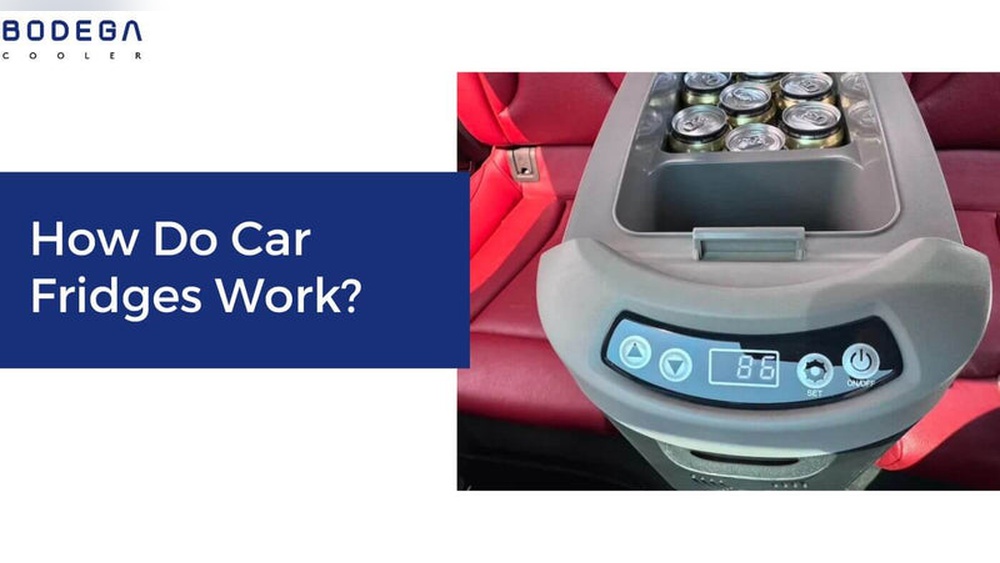
Many people love road trips, camping, or just traveling for work. But there’s one thing that often makes these adventures hard: keeping food and drinks cool. That’s why the car fridge has become so popular. You might wonder, how does a car fridge work? Is it really worth the price and space? Let’s break down how these compact coolers operate, what sets them apart from simple ice chests, and whether buying one makes sense for you.
How Does A Car Fridge Work?
A car fridge is not just a small version of your home refrigerator. It’s built to handle the bumps and shakes of a moving vehicle, and it runs on a different type of power. Here’s what happens inside:
The Cooling System
Most car fridges use one of three main technologies:
- Compressor-based fridges: These work like your kitchen fridge. They use a compressor and refrigerant gas to absorb heat from the inside and push it outside. These are the most powerful and efficient, especially for long trips or high heat.
- Thermoelectric coolers: These use a Peltier plate, which transfers heat from one side to another when electricity passes through. They’re quieter and lighter but can only cool to a certain amount below the outside temperature—usually 20°C below ambient.
- Absorption fridges: These use heat (often from propane, but some work with 12V power) to move ammonia around inside. They’re common in RVs but less in cars because they need to stay level.
Power Source
A car fridge usually plugs into your vehicle’s 12V DC socket (the cigarette lighter). Some can also run on 110V or 220V AC at home. Many models have automatic shut-off systems to protect your car’s battery from draining too low.
Temperature Control
Unlike coolers with ice, a car fridge has a thermostat. You can set the temperature to keep drinks cold or even freeze meat. Some models have digital panels, others have a simple knob.
Insulation
Good car fridges have thick insulation. This keeps the cool air inside, so the compressor or cooling system doesn’t have to run all the time. Less running means less power used and less strain on your car’s battery.
Car Fridge Vs. Cooler: What’s The Difference?
Many travelers wonder if they should just buy a high-quality cooler instead of a car fridge. Let’s see how they compare:
| Feature | Car Fridge | Cooler (Ice Chest) |
|---|---|---|
| Cooling Method | Active (Compressor, Thermoelectric, Absorption) | Passive (Ice or Ice Packs) |
| Temperature Control | Set and maintain exact temperature | No control; depends on ice amount |
| Power Source | Vehicle battery, wall outlet | None |
| Long-Term Cooling | Days to weeks (with power) | 1-3 days (ice melts) |
| Maintenance | Clean interior, check power | Drain water, replace ice |
Key insight: Car fridges are better if you need reliable, adjustable cooling for more than a day or two, or if you want to freeze items. Coolers are simpler, cheaper, and don’t need power, but you’ll spend more on ice and lose space to melted water.

Credit: www.bodegacooler.com
Types Of Car Fridges
Not all car fridges are the same. Here are the main types you’ll find:
1. Compressor Fridges
These are strong and efficient. They keep food cold or even frozen, no matter how hot it gets outside. Brands like Dometic, Engel, and ARB are famous for their durable compressor units. Expect to pay more, but you get true refrigeration.
2. Thermoelectric Coolers
These are lighter and usually cheaper. They’re best for keeping drinks or snacks cool for short trips. They use less power but can’t make things colder than about 20°C below the outside temperature. In hot weather, they might not keep items as cold as you want.
3. Absorption Fridges
These are rare in cars but common in RVs. They can run on propane, AC, or DC power. They’re silent but less efficient on DC and must stay level to work well.
4. Dual Zone Fridges
Some advanced models have two compartments. One side can be set as a fridge, the other as a freezer. This is perfect for long trips or families.
What Matters When Choosing A Car Fridge
Buying a car fridge isn’t simple. Here’s what you should look for:
- Size and Capacity: Think about how much you need to store. Car fridges range from 15 liters (for drinks and snacks) up to 80 liters (for big trips or families). Bigger fridges use more power and take up more space.
- Power Consumption: Compressor fridges are more efficient but still draw power. Check the average amp draw—most use 1-5 amps per hour. If you camp with the engine off, consider a second battery or solar panel.
- Temperature Range: Some units can freeze down to -18°C, others only cool. Pick based on your food needs.
- Durability: Off-roaders need rugged fridges that can handle bumps and dust. Look for reinforced corners and strong handles.
- Ease of Use: Is the control panel easy to read? Can you set the temperature quickly? Some models have Bluetooth apps.
- Additional Features: Consider things like interior lights, removable baskets, or USB charging ports.
- Warranty and Support: Good brands offer 1-3 year warranties and helpful customer service.
Non-obvious insight: Many first-time buyers forget to check the fridge’s shape. Tall, narrow fridges may fit better in small cars and still hold bottles upright.

Credit: www.bodegacooler.com
Practical Benefits Of A Car Fridge
You might think a car fridge is just a luxury. But for many, it becomes a must-have. Here’s why:
- No more soggy food: Ice coolers can ruin food as ice melts. A fridge keeps everything dry.
- Saves money: You can buy groceries in bulk, bring home leftovers, and avoid expensive gas station snacks.
- Healthier eating: Diabetics, parents, or people with special diets can keep medicine or fresh food cold.
- Longer trips possible: If you like camping or fishing in remote areas, a fridge is a game-changer.
- Less stress: No need to hunt for ice or worry about food spoiling.
Downsides And Common Mistakes
No product is perfect. Here’s what you should consider before buying:
- Power drain: A big fridge running non-stop can drain your car battery. Many travelers run into trouble by not using a second battery or forgetting to start the engine often.
- Cost: Good compressor fridges can cost $300–$1,000. Cheaper models may break or not cool well in hot climates.
- Space: A fridge takes up room in your trunk or back seat. Measure carefully before buying.
- Weight: With food inside, a fridge can get heavy. Make sure you can lift it in and out.
Common mistake: People often underestimate how much power the fridge uses, especially overnight. Always check your car’s battery health and consider a low-voltage cut-off.
Real-world Example: Road Trip Use
Let’s say you’re driving across the country in summer. Outside, it’s 35°C. With a compressor fridge, you can keep drinks at 3°C and meat frozen at -10°C. After three days, everything is still fresh. If you used a cooler, the ice might have melted, and your food could be soggy or warm.
Who Should Buy A Car Fridge?
- Campers: If you sleep in your car or tent for several days, a fridge keeps your food safe.
- Long-distance drivers: Truckers, delivery drivers, and salespeople can eat healthier and save money.
- Families: Traveling with kids means snacks and drinks. A fridge means no more melted chocolate or warm milk.
- Outdoor fans: Fishermen, hunters, and hikers can store bait, catches, or food for days.
- People with medical needs: Some medicines, like insulin, must stay cold. A fridge provides peace of mind.

Credit: www.bodegacooler.com
Worth It? The Value Breakdown
Is a car fridge worth the money? For some, yes. For others, a cooler is enough. Here’s a simple value comparison:
| Scenario | Car Fridge | Cooler |
|---|---|---|
| Weekend camping | Useful, keeps food fresh longer | Usually enough for short trips |
| Week-long road trip | Best choice, no ice needed | Ice melts, food can spoil |
| Remote work/living | Essential for safe food | Risky, hard to restock ice |
| Budget | Higher upfront cost | Cheaper, but ongoing ice cost |
Non-obvious insight: If you travel a lot, the money you save on food, ice, and wasted groceries can pay for the fridge within a year.
How To Get The Most From Your Car Fridge
- Pre-cool at home: Plug the fridge into the wall before your trip. Fill it with cold items. This saves power.
- Pack smart: Don’t block the fan or vents. Leave space for air to circulate.
- Monitor battery: If parked for a long time, run the engine or use a solar charger.
- Clean regularly: Wipe spills to prevent smells and mold.
- Use baskets: Many fridges come with baskets—use them to separate food and make cleaning easier.
When A Cooler Is Better
If you only travel once or twice a year, or your trips are short, a cooler is simple and reliable. No wires, no worries about batteries. Just remember to buy enough ice and empty out the melted water.
New Technology And Trends
Modern car fridges are getting smarter. Some now have Bluetooth apps for monitoring temperature. Others run on both AC and DC, so you can use them at home and in the car. Solar panels are becoming popular for off-grid power.
For more on how refrigeration works, you can check this Wikipedia refrigerator article.
Frequently Asked Questions
How Much Power Does A Car Fridge Use?
Most compressor car fridges use 1–5 amps per hour. At 12 volts, that’s about 12–60 watts. Thermoelectric coolers use less, but can’t cool as much. Always check your model’s rating and monitor your car’s battery.
Can I Leave A Car Fridge Running Overnight?
Yes, but it’s best if your vehicle has a second (auxiliary) battery. If you use the main battery, the fridge might drain it and you could have trouble starting your car in the morning. Many fridges have a low-voltage cut-off to prevent this.
Can A Car Fridge Freeze Food?
Compressor fridges can freeze food, often down to -18°C. Thermoelectric fridges usually cannot. Check the temperature range before buying if freezing is important to you.
Is A Car Fridge Safe For Storing Medicine?
Yes, a car fridge is ideal for medicines like insulin that need to stay cold. Make sure the temperature is stable and monitor it, especially in very hot weather.
How Long Will A Car Fridge Last?
A good-quality car fridge can last 5–10 years or more with proper care. Compressor models tend to last longer than thermoelectric ones. Clean it regularly and avoid rough handling to extend its life.
A car fridge is not just a luxury for serious road trippers or campers—it can change the way you travel and eat on the road. If you need reliable cooling, adjustable temperatures, and less worry about spoiled food, it’s often worth the price.
For short or rare trips, a cooler may be enough. Choose wisely based on your needs, and enjoy fresher food wherever the road takes you.
Disclosure: As an Amazon Associate, I may earn from qualifying purchases at no extra cost to you. Amazon and the Amazon logo are trademarks of Amazon.com, Inc, or its affiliates.
