
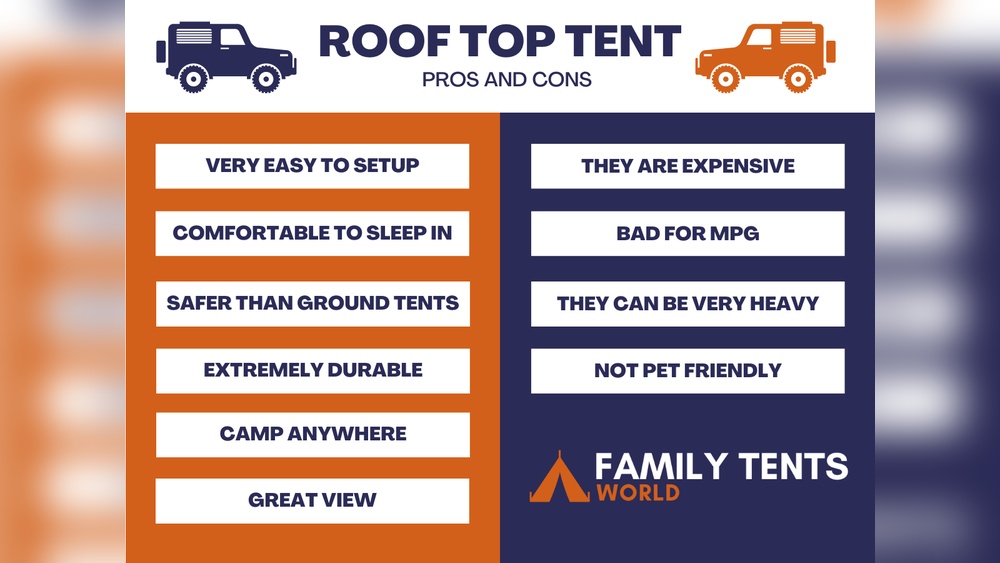
Camping is a special way to connect with nature, but your choice of shelter can shape your whole experience. The debate between roof top tents and ground tents is popular among outdoor lovers. Each has unique benefits and drawbacks, and the right choice depends on your needs, vehicle, and style of adventure. Whether you’re new to camping or a seasoned explorer, understanding these differences can help you pick the right tent for your next trip.
What Is A Roof Top Tent?
A roof top tent (RTT) mounts on the roof rack of your car, SUV, or truck. Instead of sleeping on the ground, you climb up a ladder to a platform above your vehicle. RTTs became popular with overlanders and travelers who want quick setup and extra comfort.
Modern RTTs come in two main types: soft-shell and hard-shell. Soft-shell tents fold out and have a fabric cover, while hard-shell tents use a solid top that pops up. Many offer built-in mattresses, mesh windows, and weatherproof materials.
What Is A Ground Tent?
A ground tent is the classic tent style. You set it up directly on the earth, using stakes and poles. There are many shapes and sizes, from simple two-person tents to big family cabins. Ground tents are popular with backpackers, car campers, and festival-goers, mainly because they are affordable and lightweight.
Roof Top Tent: Pros
1. Quick Setup
Most roof top tents are ready in minutes. You can unfold or pop up the tent, and your bed is made. This is a big advantage if you arrive late or in bad weather.
2. Sleeping Comfort
RTTs usually include a built-in foam mattress. Sleeping off the ground means you avoid rocks, roots, and uneven surfaces. For people with back pain, this can be a game-changer.
3. Safety From Wildlife
Being high above the ground helps you avoid small animals, insects, and sometimes even snakes. This provides peace of mind, especially in areas with lots of wildlife.
4. Better Views
Waking up to a sunrise from your car roof feels magical. Many campers love the elevated views of nature that ground tents can’t offer.
5. Weather Protection
RTTs often handle wind and rain better because they sit off wet or muddy ground. Water runoff is less likely to get inside, and the sturdy base keeps you dry.
6. Camping Anywhere Your Vehicle Can Go
If you can park your vehicle, you can camp. This means rocky, sandy, or uneven terrain doesn’t stop you from sleeping comfortably.
7. Built-in Ventilation
Many roof top tents have large mesh windows for airflow and to keep bugs out. This is great in hot weather.
8. No Need To Clear Campsite
There’s no need to search for flat, smooth ground. You don’t have to worry about sticks, thorns, or mud.
Roof Top Tent: Cons
1. Price
RTTs are expensive. Even entry-level models can cost several hundred to thousands of dollars. You also need a strong roof rack and sometimes professional installation.
2. Vehicle Dependency
You must have a suitable vehicle with a compatible roof rack. Not every car can safely carry an RTT, especially small or low-roof vehicles.
3. Fuel Efficiency
Adding a heavy, boxy tent on your roof increases wind drag and reduces fuel efficiency. This means more stops for gas and higher travel costs.
4. Packing Up To Drive
If you want to drive somewhere, you must pack up your tent every time. This can be annoying for day trips or if you want to leave your camp set up.
5. Weight Limit
Vehicles have a roof weight limit. RTTs are heavy, and you must also consider the weight of people inside. Overloading can damage your car.
6. Accessibility
Climbing a ladder isn’t easy for everyone. Kids, older adults, or pets might find this difficult or unsafe, especially at night.
7. Storage Space
When not in use, RTTs take up space in your garage or storage area. They are bulky and not easy to move alone.
8. Limited Living Space
RTTs are usually for sleeping only. You’ll need a separate awning or shelter for cooking and relaxing in bad weather.
Ground Tent: Pros
1. Affordable
Most ground tents are much cheaper than RTTs. Good quality options are available in every price range, from budget to premium.
2. Lightweight And Packable
Ground tents pack down small and are easy to transport. Backpackers, cyclists, and travelers with small cars prefer them for this reason.
3. Variety Of Sizes
Ground tents come in all shapes and sizes. You can find solo tents, family cabins, or multi-room shelters. There’s something for every group size.
4. Easy To Replace Or Upgrade
If your tent tears or wears out, replacing it is simple and affordable. Accessories like footprints or rain flies are widely available.
5. Camp Flexibility
You can leave your tent set up and take your vehicle elsewhere. This is handy if you want to explore nearby areas without packing up camp.
6. No Vehicle Needed
You don’t need a car at all. Pitch a tent in the backyard, at a festival, or in a remote wilderness spot.
7. Lower Profile
Ground tents are less visible and have a lower impact on the environment. They blend in better and don’t stick out like a rooftop tent.
8. No Weight Concerns
You’re not limited by your car’s roof strength. Even the largest ground tents won’t affect your vehicle’s safety.
Ground Tent: Cons
1. Setup Time
Pitching a ground tent takes time. Some models are easy, but bigger tents can be confusing and slow to assemble, especially in the dark or rain.
2. Comfort Depends On Surface
You sleep on whatever is underneath your tent. Rocks, roots, and uneven ground can disturb your sleep unless you bring a thick sleeping pad.
3. Exposure To Weather
Heavy rain can soak through the floor, and tents can flood if set up in a low spot. Cold or wet ground can also make for an uncomfortable night.
4. Wildlife And Insects
You’re closer to bugs, snakes, and other animals. Mosquitoes and ants are common problems, especially in summer.
5. Security
Ground tents offer less protection from animals and people. Zippers can be opened by anyone, and you’re more visible to passersby.
6. Limited Ventilation
Some cheaper tents have poor airflow, leading to condensation inside, especially on cold nights.
7. Damage Risk
Tent floors can rip on sharp objects. You need to clear your site carefully, and repair kits are important to carry.
8. Limited Use In Some Environments
In rocky or very wet places, finding a good tent site may be impossible, making ground tents less versatile.

Credit: www.youtube.com
Choosing between a rooftop tent and a ground tent affects your camping experience in many ways. Both options offer shelter but differ in setup, comfort, and mobility. Roof Top Tent Vs Ground Tent is a common dilemma for outdoor enthusiasts.
The core difference is that rooftop tents attach to your vehicle, while ground tents stay on the earth.
After reading, you will understand which tent suits your camping style better.
Key Points To Consider For Camping Tents
- Choose HOMEFUN Inflatable Rooftop Tent if you want quick setup and elevated sleeping space.
- Pick FanttikOutdoor Zeta C6 Pro Ground Tent when you need more space for a family and gear.
- HOMEFUN roof tent fits well with vehicles like trucks or SUVs for easy overlanding.
- FanttikOutdoor ground tent suits family camping with its roomy cabin style and ventilation.
- Consider the weather conditions; the rooftop tent offers better wind resistance on high ground.
Experience Using Roof And Ground Tents Daily
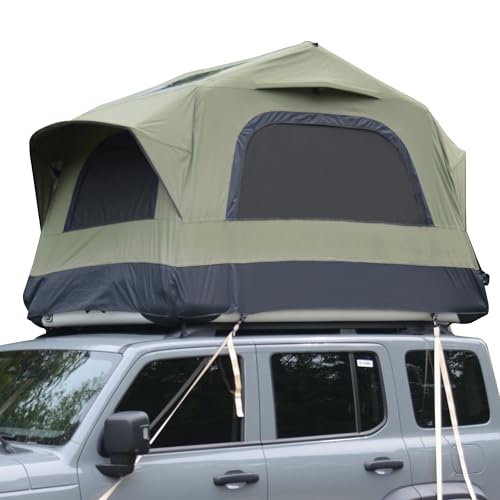
The HOMEFUN Inflatable Rooftop Tent is convenient for quick trips. It inflates fast and stays stable on the vehicle roof, making it easy to camp anywhere you park. The airflow and panoramic skylight add comfort during the night.
The FanttikOutdoor Zeta C6 Pro ground tent offers plenty of room for a group. Setting it up is straightforward, and it provides good ventilation through mesh windows. I appreciate the solid frame and the protection from rain and wind for longer stays.
Overview Of The Homefun Inflatable Rooftop Tent
Ideal Uses for the HOMEFUN Rooftop Tent
- Perfect for overlanding and outdoor adventures where quick setup is needed.
- Fits well on trucks, SUVs, and cars with roof racks.
- Good option for two people with comfortable sleeping base.
- Suitable for varied weather due to waterproof and windproof fabric.
Limitations of the HOMEFUN Rooftop Tent
- Limited sleeping capacity compared to larger ground tents.
- Requires a vehicle with compatible roof rack system.
- Inflatable design may need occasional maintenance to ensure air-tightness.
Quick Look At Fanttikoutdoor Zeta C6 Pro Ground Tent

Best Situations for the FanttikOutdoor Ground Tent
- Ideal for family camping or groups needing space for six people.
- Works well for longer camping trips with gear storage needs.
- Good choice for campers who want quick setup on the ground.
- Offers solid protection from rain and wind with its rainfly and stakes.
Where the FanttikOutdoor Ground Tent Falls Short
- Heavier and bulkier to carry compared to rooftop tents.
- Requires flat ground for setup, limiting some camping spots.
- Setup, while fast, still takes longer than inflating a rooftop tent.
Comparing Practical Aspects Of Roof And Ground Tents
In daily use, I compared setup time, comfort, weather protection, and space. I also noted how each tent handled airflow and stability. The comparison focuses on how these tents perform during camping trips under normal conditions.
How Easy Is Setup?
Setup time affects how soon you can relax after arriving. The rooftop tent inflates in about five minutes. The ground tent sets up in about a minute but requires staking and arranging.
| Aspect | HOMEFUN Rooftop Tent | FanttikOutdoor Ground Tent |
|---|---|---|
| Setup Time | About 5 minutes with electric pump | Under 60 seconds with pre-installed poles |
| Complexity | Simple inflation process | Requires staking and guy lines |
| Portability | Attached to vehicle, no extra pack | 16.8 pounds, needs carry bag |
| Vehicle Dependence | Needs roof rack | Independent |
Ratings: HOMEFUN Rooftop Tent – 7/10 | FanttikOutdoor Ground Tent – 8/10
Edge: The rooftop tent suits those valuing fast setup on the go, while the ground tent fits families needing more space.
Comfort and Space Considerations
Comfort depends on sleeping surface and room inside. The rooftop tent has a thick base and fits two people. The ground tent offers more room for six but less padding.
| Aspect | HOMEFUN Rooftop Tent | FanttikOutdoor Ground Tent |
|---|---|---|
| Sleeping Capacity | 2 persons | 6 persons (sleeping only) |
| Sleeping Surface | 6” thick inflatable base | Standard ground pad needed |
| Interior Height | 52.36 inches | 66 inches center height |
| Ventilation | Four mesh windows and skylight | Mesh on all sides and ceiling |
Ratings: HOMEFUN Rooftop Tent – 8/10 | FanttikOutdoor Ground Tent – 7/10
Edge: The rooftop tent offers better comfort for two, while the ground tent provides more space for groups.
Weather Protection and Stability
Protection from rain and wind is key for a safe night. The rooftop tent has waterproof 300D fabric and windproof design. The ground tent features waterproof fabric and can handle winds up to 35 mph.
| Aspect | HOMEFUN Rooftop Tent | FanttikOutdoor Ground Tent |
|---|---|---|
| Waterproofing | 100% waterproof 300D fabric | Water-resistant with rainfly |
| Wind Resistance | Stable with high wind resistance | Withstands winds up to 35 mph |
| Base Stability | Heavy-duty laminated base | Ground stakes and guy lines |
| Additional Features | UV-resistant fabric | Drainage channel at door zipper |
Ratings: HOMEFUN Rooftop Tent – 8/10 | FanttikOutdoor Ground Tent – 7/10
Edge: The rooftop tent is better for elevated stability, while the ground tent offers reliable protection on flat surfaces.
Long-term Use And Reliability For Camping Tents
Using the rooftop tent consistently requires some familiarity with your vehicle’s roof setup. Once learned, it offers reliable performance and peace of mind on various terrains. Its inflatable design needs occasional checks but is generally stable and durable.
The ground tent has a straightforward learning curve. Regular users find it dependable and easy to maintain. Its classic design is trusted for family camping and hiking trips, offering comfort and ventilation over time.
Deciding Between Elevated And Ground Camping Options
Choose the HOMEFUN Inflatable Rooftop Tent if you value quick setup, protection from uneven or wet ground, and compatibility with your vehicle. It suits solo campers or couples who prefer mobility and a cozy sleeping space.
The FanttikOutdoor Zeta C6 Pro ground tent is better for families or groups who need more room and prefer traditional camping on flat ground. Its fast setup and weather resistance make it a solid choice for longer trips and varied conditions.
Both tents serve their purpose well depending on your camping needs and style.
Side-by-side Comparison
To make the differences clearer, here’s a comparison of key factors:
| Feature | Roof Top Tent | Ground Tent |
|---|---|---|
| Cost | High ($800–$4000+) | Low to moderate ($50–$800+) |
| Setup Time | Very quick (2–5 min) | Varies (5–30 min) |
| Comfort | High (built-in mattress) | Depends on ground, requires pad |
| Vehicle Required | Yes | No |
| Mobility | Must pack up to drive | Can leave tent, drive away |
| Wildlife Protection | Better (elevated) | Standard |
Real-life Examples
Imagine a weekend trip to a national park. With a roof top tent, you find a stunning viewpoint, park your SUV, and set up camp in minutes. The view is unbeatable, but if you want to hike elsewhere, you need to pack everything up.
With a ground tent, you set up your base, leave your gear, and drive or walk to trailheads. You might spend more time finding a flat spot, but you have more freedom to explore without breaking camp.
Here’s another quick comparison for different camping styles:
| Camping Style | Best Tent Type | Why |
|---|---|---|
| Overlanding | Roof Top Tent | Quick setup, elevated sleeping |
| Backpacking | Ground Tent | Lightweight, no vehicle needed |
| Family Camping | Ground Tent | More space, easier access |
| Solo Road Trips | Roof Top Tent | Fast setup, safe from wildlife |

Credit: campncar.com
Two Insights Most Campers Miss
- Insurance and Vehicle Warranty: Adding a roof top tent can affect your car’s warranty or insurance. Some companies treat it as a “modification,” which could impact claims if your roof gets damaged.
- Camping Regulations: Certain parks and campgrounds only allow ground tents or have limits on where you can park overnight. Always check local rules before choosing your tent style.
Common Mistakes To Avoid
- Ignoring weight limits: Never mount an RTT on a car with a weak roof rack. Overloading can cause expensive damage.
- Choosing based on trend, not need: Roof top tents are popular on social media, but if you camp rarely or move camp often, a ground tent might suit you better.
When To Choose A Roof Top Tent
- You want fast setup and takedown.
- You camp in places with rough, uneven, or wet ground.
- You travel in areas with lots of wildlife.
- Your vehicle can safely handle the weight.
When To Choose A Ground Tent
- You want to keep costs low.
- You don’t have a compatible vehicle.
- You need more living or sleeping space.
- You camp in areas with soft, flat ground.

Credit: www.youtube.com
Which Tent Is Right For You?
There’s no perfect answer for everyone. Think about your budget, vehicle type, and camping style. If comfort, speed, and unique views matter most, a roof top tent could be worth the cost. If you value flexibility, affordability, and easy transport, a ground tent is a classic choice.
Research brands, read reviews, and consider renting before you buy. For more details on camping gear and tips, check resources like REI’s camping tent guide.
Frequently Asked Questions
What Vehicles Can Support A Roof Top Tent?
Most SUVs, trucks, and some crossovers can handle an RTT, but always check your vehicle’s roof load rating. Small cars and sedans usually can’t support the extra weight safely.
Are Roof Top Tents Safe In Storms?
Yes, RTTs are generally safe in storms. They are built to handle wind and rain, but strong gusts can still be dangerous. Park your car facing into the wind for more stability.
How Do You Keep A Ground Tent Dry In Heavy Rain?
Choose a high, flat spot and use a rain fly and ground tarp. Avoid pitching in low areas where water pools. Sealing seams and using a quality tent also helps.
Can You Leave A Roof Top Tent On Your Car Year-round?
You can, but it’s not recommended. Sun and weather can damage the fabric over time, and it may lower your car’s gas mileage. Remove it if not in use for long periods.
Which Tent Is Better For Families With Kids?
A ground tent is usually better for families. It offers more space and is easier for kids to enter and exit. Roof top tents can be challenging and less safe for young children.
Choosing the right tent can make your camping trip more enjoyable, comfortable, and safe. Think about your needs, your travel habits, and your camping environment before investing in either a roof top tent or a ground tent. With the right shelter, every adventure becomes a great memory.
Disclosure: As an Amazon Associate, I may earn from qualifying purchases at no extra cost to you. Amazon and the Amazon logo are trademarks of Amazon.com, Inc, or its affiliates.
