
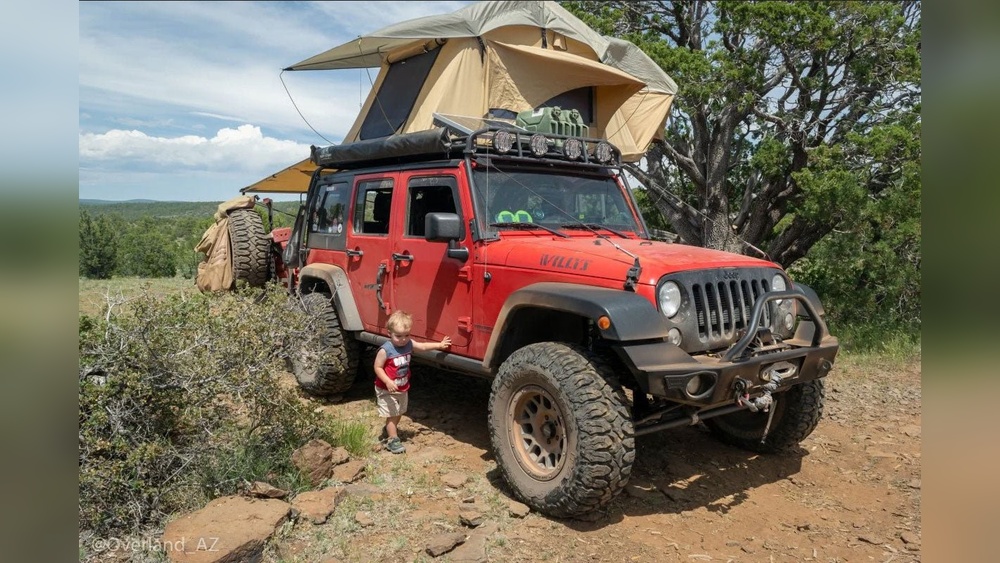
If you love adventures or camping, you may have seen vehicles with rooftop tents. These tents sit on top of cars, SUVs, or trucks. They make camping easier and more comfortable. But many people wonder how a roof top tent affects their vehicle. Does it impact fuel economy? Is it safe? Let’s look at the facts and details so you can make smart choices before heading out on your next trip.
How Roof Top Tents Affect Fuel Economy
When you add anything to your vehicle, it changes how your car uses fuel. A roof top tent is not small, and it sits high on your car. This changes the way air moves around your vehicle, and that can mean you use more fuel. Let’s break down why this happens and how much of an impact you can expect.
Increased Weight
A typical roof top tent weighs between 100 to 200 pounds (45 to 90 kg). The extra weight makes your engine work harder. If you drive a small car, the effect will be bigger than on a heavy-duty truck. Even a 100-pound increase can reduce your fuel economy by 1–2%.
Reduced Aerodynamics
The biggest change comes from how the tent affects your car’s shape. Cars are designed to cut through air smoothly. When you add a tent, the air hits it and creates resistance. This is called drag. More drag means your engine uses more energy to move forward. Studies show that roof boxes and cargo carriers can reduce fuel efficiency by 10–20%. A roof top tent, which is larger and less streamlined, can cause similar or greater losses.
Real-world Statistics
Let’s look at real numbers. If your SUV usually gets 25 miles per gallon (mpg), a roof top tent can reduce it to 21–23 mpg. On highways, the impact is bigger because drag increases as you drive faster. At city speeds, the effect is smaller, but still noticeable.
Here’s a comparison table to show the change:
| Vehicle Type | Normal MPG | MPG with Roof Top Tent | % Drop |
|---|---|---|---|
| Small Sedan | 30 | 26 | 13% |
| Mid-Size SUV | 25 | 22 | 12% |
| Pickup Truck | 20 | 18 | 10% |
Driving Habits Matter
If you drive faster, your fuel loss is greater. At 70 mph, drag is much higher than at 50 mph. So, slowing down can help save some fuel. Also, city driving uses less fuel overall, so the tent’s impact is less.
Tips To Reduce Fuel Consumption
- Remove the tent when not in use.
- Choose more aerodynamic tent designs.
- Drive at moderate speeds.
- Keep tires properly inflated.
- Avoid carrying extra weight inside the tent.
Many beginners forget that leaving the tent on all year causes constant fuel loss. Removing it after your trip is a smart move.
Safety Impacts Of Roof Top Tents
Safety is a top concern for anyone adding equipment to their vehicle. A roof top tent changes weight distribution, height, and stability. Let’s look at the main issues and how to stay safe.
Higher Center Of Gravity
A roof top tent adds weight on top of your vehicle. This raises the center of gravity, making your car more likely to tip or roll in sharp turns. SUVs and trucks are already tall, so adding a tent increases this risk.
Handling And Braking
With a tent on top, your vehicle may not handle as smoothly. Quick turns, lane changes, and sudden stops become harder. Your brakes must work harder to slow down the extra weight. For example, stopping distance can increase by 5–10%.
Clearance Issues
Many beginners forget their vehicle is now taller. A tent can add 1–2 feet to your car’s height. This can make it difficult to drive under bridges, enter parking garages, or pass through drive-thrus. Always measure your total height before traveling.
Roof Load Limits
Every vehicle has a roof load limit—the maximum weight you can safely put on the roof. This includes the tent, mounting hardware, and people inside. Exceeding the limit can damage your roof or make your vehicle unsafe. Check your car’s manual or look for the “roof load rating.” For example, a Toyota RAV4 has a roof load limit of 165 pounds (75 kg).
Here’s a table to illustrate typical roof load limits:
| Vehicle Model | Roof Load Limit (lbs) | Can Hold Roof Top Tent? |
|---|---|---|
| Toyota RAV4 | 165 | Yes, Small Tent |
| Jeep Wrangler | 200 | Yes, Medium Tent |
| Honda Civic | 110 | No, Tent Too Heavy |
Wind And Weather Hazards
A roof top tent increases wind resistance. In strong winds, your car can sway or feel unstable. During storms, the tent acts like a sail and can make driving dangerous. Always check weather forecasts before traveling.
Secure Installation
Poorly installed tents can come loose or shift during travel. Always follow the manufacturer’s instructions. Use high-quality racks and hardware. Double-check bolts and clamps before every trip.
Insurance Considerations
Some insurance companies need to know about modifications like roof top tents. If you don’t inform them, you may not be covered in case of an accident. Check with your provider before installing a tent.
Common Safety Mistakes
- Ignoring roof load limits.
- Failing to secure the tent properly.
- Not accounting for increased height.
- Leaving tent on during high winds.
- Forgetting to inform insurance.
Many new users overlook these details, which can lead to accidents or costly repairs.
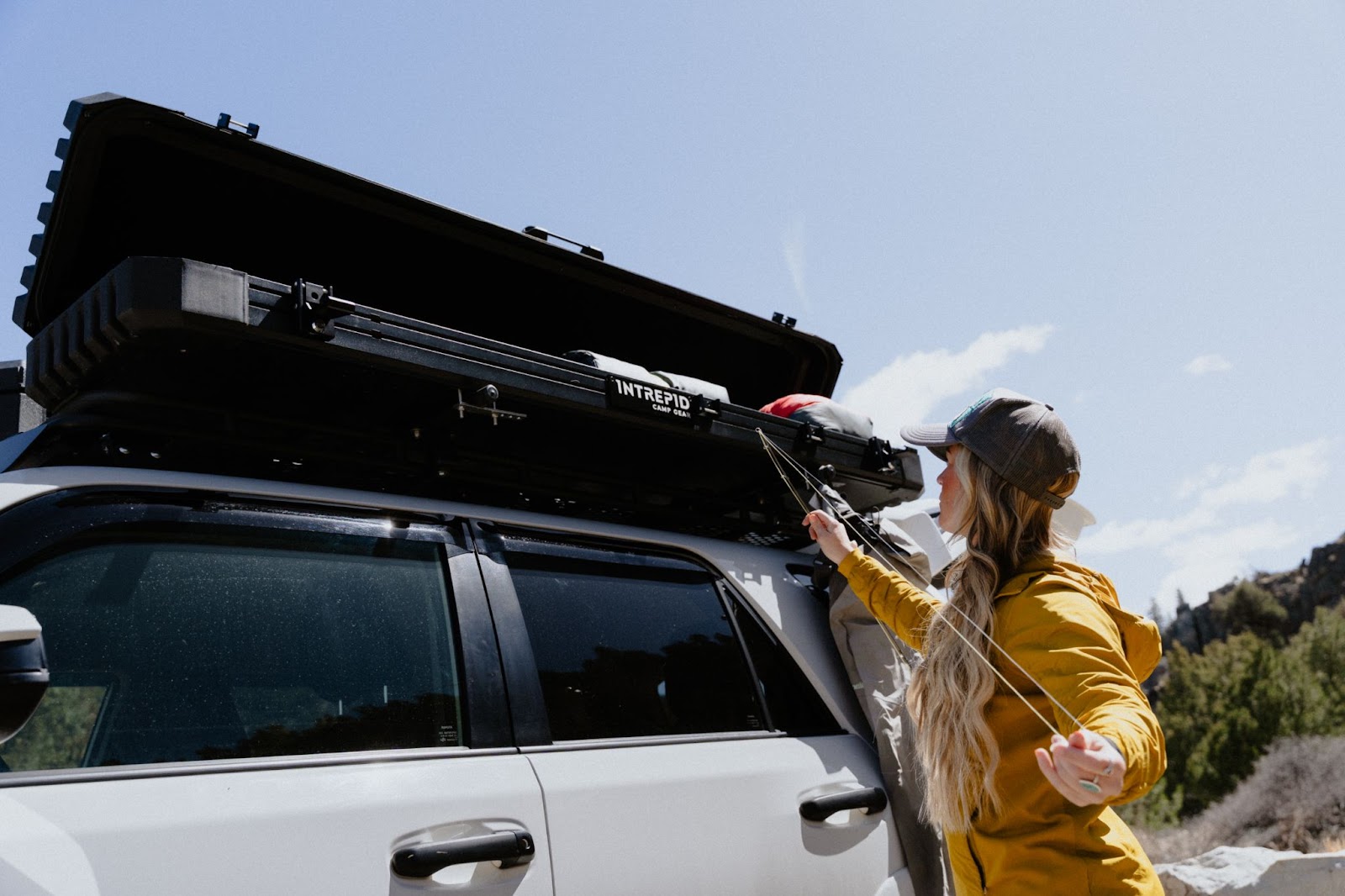
Credit: intrepidcampgear.com
Choosing A Roof Top Tent: What Matters
If you want a roof top tent, picking the right one is important for both fuel economy and safety. Here are the main factors to consider:
Tent Weight
Choose a tent that matches your vehicle’s roof load limit. Lightweight tents are easier on fuel and safer for smaller cars.
Aerodynamic Design
Some tents are shaped to reduce drag. Look for low-profile, tapered designs. These can save you 2–3 mpg compared to bulky, box-shaped tents.
Mounting System
A strong, secure mounting system is essential. Use racks that are rated for the tent’s weight. Avoid cheap or universal racks that may not fit well.
Material Quality
High-quality materials last longer and are safer. Look for strong aluminum frames and durable fabric. Cheap materials can tear or fail during travel.
Ease Of Removal
If you plan to use the tent only for camping trips, choose one that is easy to remove. This lets you restore your vehicle’s fuel economy when not camping.
Real-world Example
A user with a Subaru Outback reported that switching from a bulky, box-shaped tent to a sleek, aerodynamic model improved highway fuel economy by 3 mpg. They also found the tent easier to install and remove.
Practical Tips For Roof Top Tent Owners
Once you have a roof top tent, there are several ways to reduce its impact on your vehicle and stay safe. Here are practical tips that many beginners miss:
- Plan your route: Avoid low bridges and tight parking areas.
- Monitor tire pressure: Extra weight means tires need to be checked more often.
- Drive slower: High speeds increase drag and fuel use.
- Check roof rack bolts: Inspect before every trip.
- Remove tent when not needed: This saves fuel and reduces wear.
- Record fuel economy: Track your mileage before and after installing the tent.
- Update insurance: Tell your insurer about the tent.
- Pack light: Don’t overload the tent with heavy gear.
- Check weather: Avoid driving in storms with the tent on.
- Inform passengers: Make sure everyone knows about the height and weight changes.
Many people overlook the importance of checking bolts and tire pressure, which can lead to dangerous situations. Recording your fuel economy helps you see the real impact and adjust your habits.
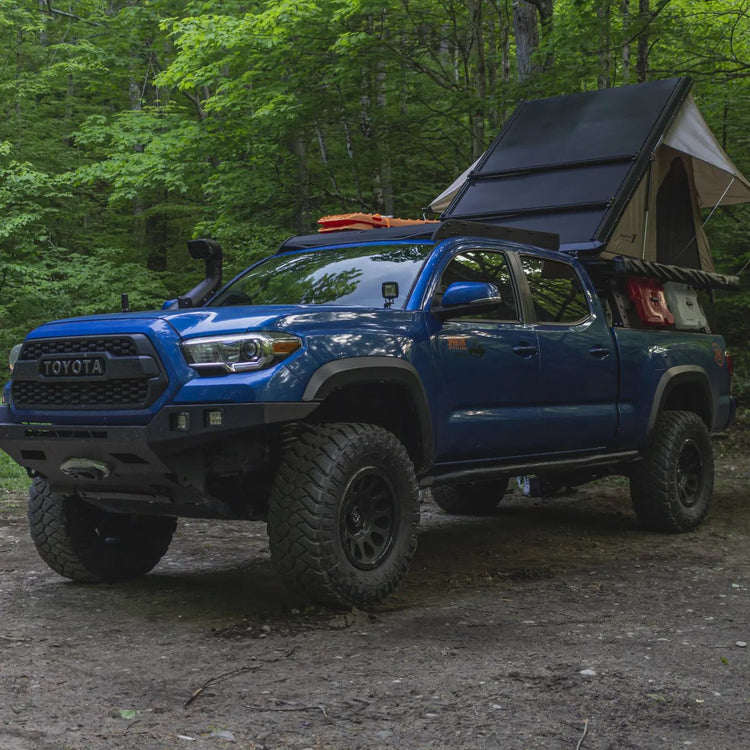
Credit: www.hookeroad.com
Comparing Roof Top Tents And Other Cargo Solutions
Some campers wonder if a roof top tent is better or worse for fuel and safety than other cargo options. Let’s compare roof top tents with roof boxes and hitch-mounted carriers.
| Feature | Roof Top Tent | Roof Box | Hitch Carrier |
|---|---|---|---|
| Average Weight | 120–200 lbs | 30–60 lbs | 40–80 lbs |
| Aerodynamics | Poor | Good | Excellent |
| Fuel Economy Impact | High | Medium | Low |
| Safety Risks | High Center, Handling | Moderate Center, Handling | Low Center, Rear Impact |
| Camping Use | Sleeping | Storage | Storage |
Roof top tents are unique because they let you sleep on your vehicle. But for storage-only needs, hitch carriers and roof boxes are safer and more fuel-efficient.
Non-obvious Insights For Beginners
Many new users miss these points:
- Weather changes can make a tent dangerous: High winds and storms can destabilize your vehicle.
- Roof racks also have their own limits: If your rack is rated for less weight than your tent, it can break even if your roof can support the tent.
Always check both your roof load rating and the rack’s weight limit before installing a tent.

Credit: intrepidcampgear.com
Frequently Asked Questions
How Much Does A Roof Top Tent Reduce Fuel Economy?
A roof top tent typically reduces fuel economy by 10–20%. The exact impact depends on tent size, shape, and your vehicle type. Driving faster increases the effect.
Is It Safe To Drive With A Roof Top Tent In Strong Winds?
Driving in strong winds with a roof top tent is risky. The tent increases wind resistance, making your vehicle harder to control. It’s best to avoid travel during storms or high winds.
Can I Leave My Roof Top Tent On All Year?
You can leave your tent on, but it’s not recommended. It will cause constant fuel loss and increase wear on your roof and rack. Remove it when not in use for better efficiency and safety.
What Vehicles Are Best For Roof Top Tents?
Vehicles with high roof load limits and sturdy racks are best. SUVs, trucks, and some crossovers work well. Small sedans and hatchbacks may not support the weight safely.
Do I Need To Tell My Insurance About A Roof Top Tent?
Yes. Many insurance companies require you to report modifications like roof top tents. Not informing them can lead to denied claims.
Adventures with a roof top tent are exciting, but understanding the impact on fuel economy and safety is essential. Always check your vehicle’s roof load limit, choose the right tent, and follow practical safety tips. If you want more technical details, you can visit Wikipedia for deeper research. With smart planning, you can enjoy your trips while keeping your vehicle safe and efficient.
Disclosure: As an Amazon Associate, I may earn from qualifying purchases at no extra cost to you. Amazon and the Amazon logo are trademarks of Amazon.com, Inc, or its affiliates.
