
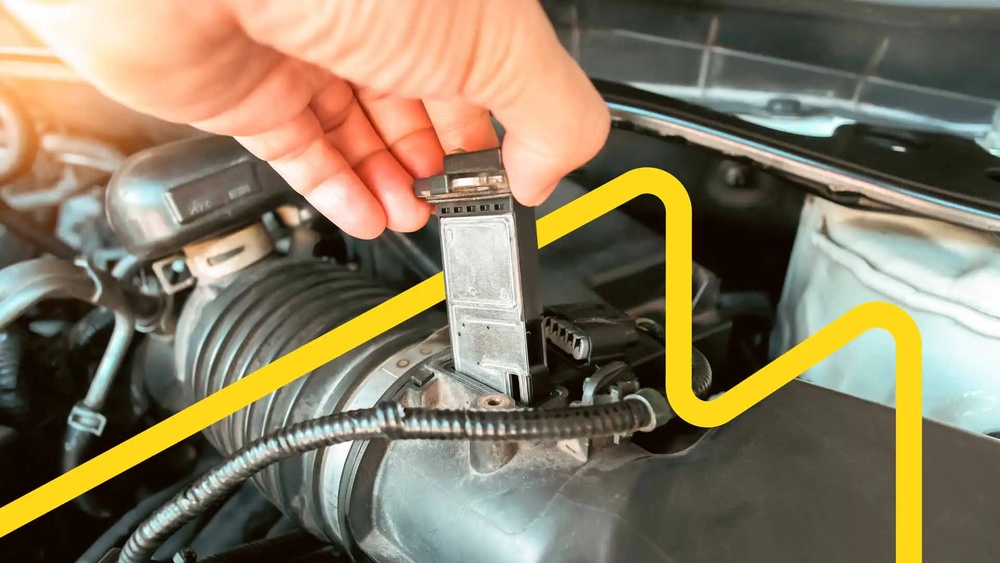
A car that hesitates, idles roughly, or burns more fuel than usual often has a problem with the MAF sensor. The Mass Air Flow (MAF) sensor measures the air entering your engine. When it works well, your car runs smoothly and efficiently. But dust, oil, and debris can build up over time, causing trouble. Then, you face a decision: should you clean the sensor or replace it?
Let’s explore the real differences between MAF sensor cleaning cost vs replacement. This guide will help you understand not just the price, but also how each choice affects your car, when each option is best, and what most drivers miss about this common problem.
What Is A Maf Sensor And Why Does It Matter?
The MAF sensor is a small part, but it plays a big role in your engine’s performance. It measures the amount of air that flows into the engine. The car’s computer uses this data to mix the right amount of fuel with the air. If the sensor sends wrong information, your car can run too rich (too much fuel) or too lean (not enough fuel).
Common symptoms of a dirty or failing MAF sensor include:
- Poor acceleration
- Rough idle or stalling
- Check engine light comes on
- Decreased fuel efficiency
- Black smoke from the exhaust
A faulty MAF sensor can even damage other engine parts if ignored for too long.
Maf Sensor Cleaning: What’s Involved And How Much Does It Cost?
The Cleaning Process
Cleaning a MAF sensor is straightforward, but you must be gentle. Most sensors are delicate and can break if handled roughly. Here’s what a mechanic usually does:
- Disconnect the car battery (for safety).
- Remove the MAF sensor from the air intake.
- Spray the sensor with MAF sensor cleaner (never use regular cleaners or compressed air).
- Let the sensor dry.
- Reinstall the sensor and reconnect the battery.
This process takes about 20–30 minutes for a professional. For DIYers, it may take longer, especially if you haven’t done it before.
Cleaning Cost Breakdown
- Professional cleaning: $60–$100 (includes labor and cleaner)
- DIY cleaning: $7–$15 (just the price of the cleaner)
These prices can vary by location and car model. Some luxury or imported vehicles may be harder to access, raising labor costs.
Non-obvious insight: Many drivers skip cleaning because they believe the sensor is already ruined. But in most cases, mild to moderate dirt can be safely removed, restoring normal function.
When Is Cleaning Enough?
Cleaning works well if the sensor is only dirty, not damaged. If your car has recently shown symptoms after an air filter change, or after driving on dusty roads, cleaning is often the best first step.
Signs cleaning will likely help:
- No visible cracks or damage on the sensor
- Check engine light code points to “MAF sensor circuit low input” or similar
- No burning smell or melted parts

Credit: www.youtube.com
Maf Sensor Replacement: Process, Cost, And When It’s Needed
The Replacement Process
Replacing the sensor is usually simple:
- Disconnect the car battery.
- Remove the old MAF sensor (often held by screws or clips).
- Install the new sensor.
- Reconnect the battery.
Some cars require a reset of the car computer or additional steps, especially in high-end vehicles.
Replacement Cost Breakdown
- OEM (original equipment) sensors: $120–$400 (part only)
- Aftermarket sensors: $50–$150 (part only)
- Labor: $50–$100
So, the total replacement cost ranges from $100 to $500 depending on your car and the part you choose.
Non-obvious insight: Cheap aftermarket sensors often do not last as long or work as precisely as OEM sensors. Many drivers end up replacing these again within a year.
When Is Replacement Necessary?
Cleaning won’t fix every problem. Replacement is the only answer if:
- The sensor is physically damaged (cracked, melted, or corroded)
- The sensor fails again soon after cleaning
- The engine computer reports “MAF sensor circuit high input” or “sensor out of range”
- The car runs poorly even after cleaning
If your car is older and the sensor has never been replaced, it may be safer to invest in a new one.
Direct Cost Comparison: Cleaning Vs Replacement
Let’s see how cleaning and replacement stack up side by side.
| Option | DIY Cost | Professional Cost | Time Required | Expected Result |
|---|---|---|---|---|
| Cleaning | $7–$15 | $60–$100 | 30–60 min | Good if sensor is only dirty |
| Replacement (Aftermarket) | $50–$150 | $100–$250 | 45–90 min | Restores function if sensor is faulty |
| Replacement (OEM) | $120–$400 | $170–$500 | 45–90 min | Best reliability, most expensive |
Cleaning Or Replacement: Which Is Best For Your Situation?
The right choice depends on your car’s symptoms, the sensor’s age, and your budget.
When To Try Cleaning First
- Your car is less than 10 years old.
- The sensor has never been cleaned.
- The problem started after a filter change or dirty driving conditions.
- You want the most budget-friendly solution.
Cleaning is a smart first step in these cases. If cleaning works, you save money and avoid unnecessary parts.
When To Replace Immediately
- The sensor is over 100,000 miles old.
- There is visible damage or corrosion.
- The same problem returns soon after cleaning.
- The sensor is causing misfires or major driveability issues.
Replacing the sensor is often better if you’re already paying for labor, or if you want long-term peace of mind.
Factors That Influence Cost
Several things affect how much you pay for cleaning or replacing a MAF sensor:
- Car make and model: Some cars use expensive sensors or are harder to work on.
- Local labor rates: Big cities usually charge more.
- Part quality: OEM sensors cost more but last longer.
- Warranty: Some new sensors come with a warranty, but cleaning does not.
Tip: Always check if your car is still under warranty. Sometimes the MAF sensor is covered, especially for emissions-related repairs.
Common Mistakes Drivers Make
- Using the wrong cleaner: Never use brake cleaner, carburetor cleaner, or WD-40. These can damage the sensor. Always use a product labeled for MAF sensors.
- Touching the sensor wires: The sensor wires are very sensitive. Even a gentle touch can break them or leave oil, making the problem worse.
- Skipping the air filter: If your air filter is dirty or damaged, cleaning or replacing the MAF sensor will not solve the issue for long. Change the air filter first.
- Buying the cheapest part: Super cheap aftermarket sensors often don’t match the car computer’s calibration. This can cause rough running or engine codes.
- Not resetting the computer: Some cars need the error codes cleared after cleaning or replacing the sensor. Otherwise, the check engine light stays on.
Real-world Examples
Example 1:
Maria’s 2015 Honda Civic started hesitating after a dusty road trip. The mechanic recommended cleaning the MAF sensor. The cost was $75, and the car ran smoothly afterward.
Example 2:
John’s 2008 BMW kept stalling, even after cleaning the sensor twice. The garage found the sensor was corroded. Replacing with an OEM part cost $380, but the problem was solved for good.
Example 3:
Sara tried a $25 aftermarket sensor for her 2012 Ford Focus to save money. The check engine light came back in two weeks. She then bought an OEM part for $160, which fixed the issue permanently.
These stories show that cleaning often works for mild cases, but replacement is best for long-term or severe problems.
Is Diy Maf Sensor Cleaning Safe?
Many car owners clean their MAF sensors at home. It’s safe if you:
- Use the right cleaner
- Avoid touching the sensor elements
- Let the sensor dry before reinstalling
However, one common pitfall is not waiting long enough for the sensor to dry. Even a small amount of leftover cleaner can cause misfires or rough running. Always allow at least 15–20 minutes drying time.
If you’re not comfortable with car repairs, a professional can do the job quickly and safely.
Long-term Value: Cleaning Vs Replacement
It’s tempting to clean the sensor every time there’s a problem, but this is not always best for your car.
| Option | Short-Term Cost | Long-Term Value | Repeat Needed? |
|---|---|---|---|
| Cleaning | Low | Good for mild dirt, not for worn sensors | Sometimes |
| Replacement | High | Excellent, new sensor lasts years | Rarely |
If your sensor is near the end of its life, replacement is usually the smarter long-term choice.

Credit: knowhow.napaonline.com
How To Prevent Maf Sensor Problems
You can avoid many MAF sensor headaches with a few simple habits:
- Change your air filter regularly: Every 12,000 to 15,000 miles is standard.
- Avoid over-oiling air filters: Too much oil can coat the sensor.
- Drive carefully in dusty conditions: Use recirculated air if possible.
- Have the sensor checked during regular service: Many shops will inspect and clean it as part of maintenance.
Professional Vs Diy: Which Is Better?
Some drivers prefer to do basic maintenance themselves, while others want a mechanic’s touch. Here’s how the two approaches compare:
| Task | DIY | Professional |
|---|---|---|
| Cleaning | Cheaper, but risk of damage if not careful | Safer, usually includes warranty on work |
| Replacement | Possible for experienced DIYers | Faster, more reliable for most people |
For newer cars or if you’re unsure, professional service is usually worth the extra money.

Credit: www.youtube.com
Where To Find Reliable Information
Always use trusted guides and official repair manuals for your specific car. If you want more technical details, visit the Wikipedia page on Mass Flow Sensors.
The Bottom Line
Choosing between MAF sensor cleaning and replacement depends on your car’s age, the severity of the problem, and your budget. Cleaning is cheaper and often works for mild issues. Replacement costs more but is the best fix for damaged or worn-out sensors. Avoid common mistakes, use the right parts, and your car will reward you with better performance and fuel savings.
Frequently Asked Questions
How Often Should I Clean My Maf Sensor?
Most experts recommend cleaning the MAF sensor every 12,000 to 15,000 miles, or once a year. If you drive in very dusty conditions, you may need to clean it more often.
Can I Drive With A Bad Maf Sensor?
You can drive for a short time, but it’s not safe. A bad sensor can make your engine run poorly and damage other parts like spark plugs or the catalytic converter.
Is It Okay To Use Regular Cleaners On The Maf Sensor?
No, always use a MAF sensor-specific cleaner. Other cleaners can damage the sensor’s thin wires or leave residue that causes more problems.
Will Replacing The Air Filter Help My Maf Sensor?
Yes, a clean air filter keeps dirt and debris away from the MAF sensor, helping it last longer and work better.
Is An Oem Maf Sensor Worth The Higher Price?
Usually, yes. OEM sensors are made to fit your car exactly and are more reliable than many aftermarket options. If you plan to keep your car for several years, OEM is often the better value.
Disclosure: As an Amazon Associate, I may earn from qualifying purchases at no extra cost to you. Amazon and the Amazon logo are trademarks of Amazon.com, Inc, or its affiliates.
