
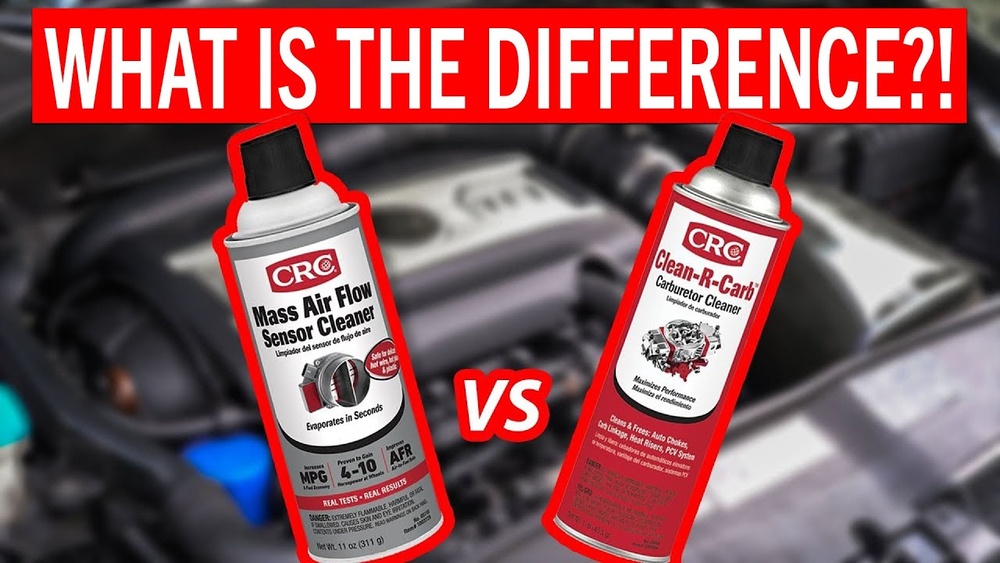
Is Maf Cleaner Different From Carb Cleaner
When your car struggles with rough idling or poor acceleration, the solution often starts with a can of cleaner. But walk into any auto parts shop and you’ll notice there are different products for different jobs—two common ones being MAF cleaner and carb cleaner. They may look similar and sit side by side, but are they truly the same? If you want to keep your engine running smoothly and avoid costly mistakes, it’s important to know the difference. This guide explains everything you need to know, from what each cleaner does to why using the wrong one can cause serious problems.
What Is A Maf Cleaner?
The Mass Air Flow (MAF) sensor measures how much air enters your engine. This lets your car’s computer adjust fuel delivery for the best performance and efficiency. Over time, dust, oil vapor, and other contaminants can coat the sensor wire or plate, causing incorrect readings. The result? Your engine may run too rich or too lean, leading to poor fuel economy, hesitation, or even stalling.
MAF cleaner is a specially formulated spray designed to clean these delicate sensors. It breaks down and removes dirt without leaving any residue or causing damage to the sensitive electronics. MAF sensors are fragile—using the wrong cleaner can ruin them.
Key features of MAF cleaner:
- Residue-free: Leaves nothing behind that could interfere with readings.
- Non-corrosive: Won’t damage plastic or sensitive electronics.
- Quick-drying: Evaporates fast to prevent short circuits.
What Is A Carb Cleaner?
Carburetor cleaner is made to remove heavy deposits from carburetors, throttle bodies, and sometimes intake valves. Carburetors have small passages that can easily get clogged with varnish, old fuel, and carbon buildup. These blockages cause poor idling, rough running, or even a non-start condition.
Carb cleaner is much more aggressive than MAF cleaner. It’s designed to dissolve fuel gums, carbon, and other stubborn residue. But what makes it effective for metal carburetor parts can make it dangerous for delicate sensors or painted surfaces.
Key features of carb cleaner:
- Strong solvents: Break down thick deposits and varnish.
- Multi-surface: Safe for most metals, but not for all plastics or electronics.
- Slower evaporation: Often stays wet longer to soak and dissolve build-up.
Direct Comparison: Maf Cleaner Vs Carb Cleaner
To help you quickly see the main differences, consider the comparison below:
| Feature | MAF Cleaner | Carb Cleaner |
|---|---|---|
| Designed For | MAF Sensors | Carburetors, Throttle Bodies |
| Solvent Strength | Mild | Very Strong |
| Residue | None | Possible |
| Safe for Plastics/Electronics | Yes | No |
| Evaporation Rate | Very Fast | Moderate |
Why Not Use Carb Cleaner On A Maf Sensor?
Using carb cleaner on a MAF sensor is a common mistake. Many DIY mechanics think any spray cleaner will do the job. Unfortunately, carb cleaner is much too aggressive. It contains strong chemicals that can eat away at the sensor’s fine wire or delicate coatings. Even a small amount of residue left behind can cause false readings.
What can go wrong if you use carb cleaner on a MAF sensor?
- Sensor failure: The sensor may stop working completely.
- Engine damage: Incorrect air-fuel mix can harm the engine over time.
- Costly repairs: MAF sensors can cost $100 or more to replace.
Why Not Use Maf Cleaner On A Carburetor?
On the flip side, using MAF cleaner on a carburetor is not effective. MAF cleaner is gentle and designed for light dust or oil films, not the thick carbon or varnish that builds up in carburetors. You’ll end up wasting product and time, with little to no improvement in performance.
What Happens If You Use Maf Cleaner On A Carburetor?
- Poor cleaning: Heavy deposits will remain.
- Repeat problems: Carburetor may still cause engine issues.
- Wasted money: MAF cleaner is often more expensive per ounce.
Chemical Composition And Safety
The real difference between MAF cleaner and carb cleaner lies in their chemical makeup. MAF cleaners often contain isopropyl alcohol and other mild solvents. These evaporate quickly and don’t leave residue.
Carb cleaners, however, use powerful chemicals such as acetone, xylene, or toluene. These can dissolve carbon and varnish, but are harsh on plastics and electronic parts.
Here’s a closer look at how these chemicals behave:
| Chemical | Found in | Effect |
|---|---|---|
| Isopropyl Alcohol | MAF Cleaner | Cleans gently, quick evaporation |
| Heptane | MAF Cleaner | Removes oil, leaves no residue |
| Acetone | Carb Cleaner | Dissolves varnish, melts some plastics |
| Xylene/Toluene | Carb Cleaner | Powers through carbon, can damage sensors |
Important safety tip: Always wear gloves and use cleaners in a well-ventilated area. Some carb cleaners are so strong they can irritate your skin or lungs.
How To Use Each Cleaner Correctly
Knowing how to apply these cleaners safely and effectively can save you time and money. Here’s a quick guide for each.
Cleaning A Maf Sensor
- Disconnect the battery to prevent electrical shorts.
- Locate the MAF sensor (usually between the air filter and throttle body).
- Remove the sensor carefully, following your car’s manual.
- Spray with MAF cleaner. Hold the can 8-12 inches away. Spray the sensor wire or plate thoroughly, but do not touch it.
- Let it dry completely (at least 10 minutes).
- Reinstall and reconnect everything.
Pro tip: Never touch the MAF sensor wire with fingers or tools. Even a small scratch can ruin it.
Cleaning A Carburetor
- Disconnect the battery if you need to remove the carburetor.
- Remove the air cleaner to access the carburetor.
- Spray carb cleaner into the throat, linkages, and passages.
- Let it soak for a few minutes if deposits are heavy.
- Scrub with a brush if needed, then spray again to rinse.
- Reassemble after everything is dry.
Pro tip: For stubborn buildup, you may need to remove the carburetor completely for a deep clean.
When Should You Use Each Cleaner?
MAF cleaner is the right choice when:
- Your car has a check engine light with a MAF sensor code.
- You notice poor fuel economy or hesitation.
- You clean or replace your air filter and see dirt on the sensor.
Carb cleaner is best when:
- The engine idles rough or stalls, especially in older cars with carburetors.
- You see black smoke from the exhaust, signaling excess fuel.
- You rebuild or service the carburetor or throttle body.
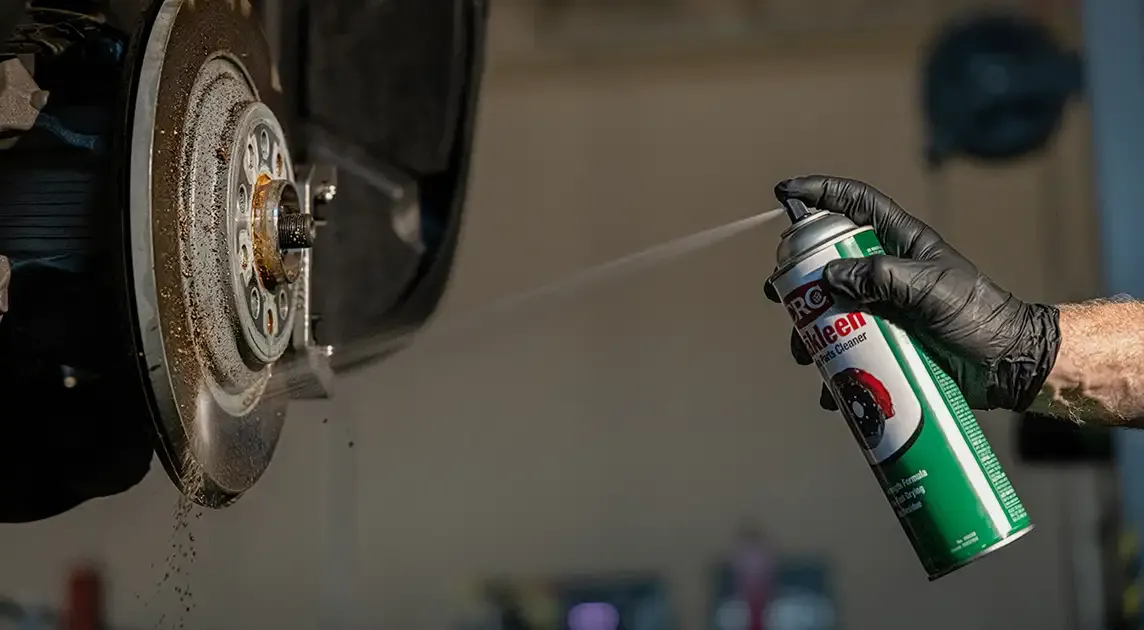
Credit: www.crcindustries.com
Common Mistakes And How To Avoid Them
Many car owners use the wrong cleaner out of convenience or lack of information. Here are mistakes beginners often make:
- Using carb cleaner on sensors: This can cause instant failure. Always read the label before spraying.
- Not letting sensors dry: Even residue-free cleaners need time to evaporate, or you risk a short circuit.
- Spraying too close or too much: High pressure can damage delicate parts.
- Ignoring compatibility warnings: Some plastics and painted surfaces can be ruined by strong solvents.
Real-life Example
James, a DIY car owner, sprayed carb cleaner on his Toyota’s MAF sensor, hoping to fix a rough idle. The engine ran worse afterward, and the check engine light returned. At the dealership, he learned the sensor was fried and needed a $220 replacement.
Had he used MAF cleaner, he could have solved the issue for less than $10.
Cost And Availability
MAF cleaner is usually more expensive per ounce, but you use less each time. Carb cleaner comes in larger cans and is cheaper, but it’s not a substitute for MAF cleaner.
Here’s a price comparison:
| Product | Average Price (USD) | Typical Size |
|---|---|---|
| MAF Cleaner | $7 – $12 | 11 oz |
| Carb Cleaner | $4 – $7 | 12 – 16 oz |
For most drivers, a single can of MAF cleaner lasts for years. Carb cleaner may be used more often if you own older vehicles.
Expert Insight: What Professionals Use
Professional mechanics never substitute one cleaner for the other. They know that using the right product can prevent expensive repairs and maintain engine health. Many shops keep both on hand, but they are careful to use MAF cleaner only for sensors and carb cleaner only for metal parts.
An insight beginners often miss: Even throttle body cleaners are different from both carb and MAF cleaners. Throttle bodies may have plastic sensors attached, so always check the label before using any cleaner.
Credit: www.youtube.com
Environment And Disposal
Both MAF and carb cleaners contain volatile organic compounds (VOCs) that can harm the environment if not used properly. Never pour leftover cleaner down the drain or on the ground. Take empty cans to a hazardous waste collection site. Some newer MAF cleaners are formulated to be less harmful, but all should be handled with care.
Frequently Asked Questions
What Happens If I Accidentally Use Carb Cleaner On A Maf Sensor?
Carb cleaner can quickly damage the sensor’s delicate wires or film and may leave residue that causes false readings. If you realize the mistake, let the sensor dry completely before reinstalling, but be aware that the sensor may need replacement.
Can I Use Maf Cleaner To Clean My Throttle Body?
Some throttle bodies have electronic sensors that are safe with MAF cleaner, but it may not clean heavy carbon deposits well. Always check your car’s manual and the cleaner label. For tough build-up, use a dedicated throttle body cleaner.
Are There Universal Cleaners Safe For Everything?
No. Each cleaner is formulated for its specific purpose. Universal cleaners often compromise on effectiveness or safety. Always use the right product for the right job.
How Often Should I Clean My Maf Sensor Or Carburetor?
Clean your MAF sensor every 12,000 to 15,000 miles or when you change the air filter. Carburetors may need cleaning every 20,000 miles, or sooner if you notice performance problems.
Where Can I Learn More About Automotive Cleaners?
You can find detailed information and product safety data on the Wikipedia Carburetor Cleaner page and from trusted automotive repair guides.
Keeping your engine clean and healthy means knowing which cleaner to use and when. By choosing the right product, you’ll enjoy better performance, fewer repairs, and a longer-lasting vehicle. Always read the label, follow safe practices, and never substitute one cleaner for the other.
Your engine—and your wallet—will thank you.

Credit: q20.co.za
Disclosure: As an Amazon Associate, I may earn from qualifying purchases at no extra cost to you. Amazon and the Amazon logo are trademarks of Amazon.com, Inc, or its affiliates.
