
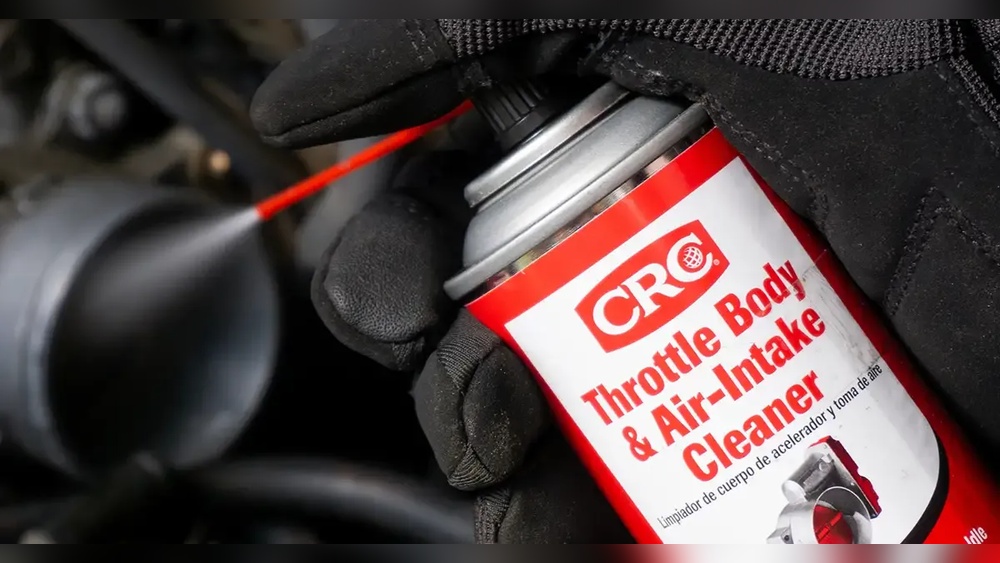
Cleaning your car’s MAF sensor can make your engine run smoother and improve fuel efficiency. But many beginners make mistakes that can damage this sensitive part or cause new problems. You might think spraying some cleaner is enough, but simple errors can cost you time and money. If you want your car to perform well after cleaning the MAF sensor, you need to avoid these common mistakes. This article explains the most frequent errors, why they matter, and what you should do instead. Whether you are a DIY enthusiast or just trying to save some cash, learning about MAF sensor cleaning mistakes will help you get better results and avoid costly repairs.
What Is A Maf Sensor And Why Clean It?
The MAF sensor (Mass Air Flow sensor) is a small device found in most modern cars. It measures how much air enters the engine so your car’s computer can adjust fuel injection. When the MAF sensor gets dirty, your engine may run rough, use more fuel, or even stall.
Cleaning the MAF sensor can restore performance, but only if you do it correctly. Using the wrong cleaner, touching the sensor, or skipping steps can cause more harm than good. Dirty sensors often lead to problems like:
- Poor acceleration
- High fuel consumption
- Engine misfires
- Check engine light
A clean MAF sensor helps your car run better, saves fuel, and prevents expensive repairs.
Common Maf Sensor Cleaning Mistakes Beginners Make
Many people make mistakes because they don’t understand how fragile the MAF sensor is. Let’s look at the most frequent errors and how to avoid them.
1. Using The Wrong Cleaning Product
Some beginners use brake cleaner, WD-40, or carburetor cleaner on the MAF sensor. These products are too harsh and leave residues that can damage the sensor.
Always use a MAF sensor-specific cleaner. It evaporates quickly and leaves no residue. Using the wrong cleaner can cause sensor failure or wrong readings.
2. Touching The Sensor Element
Inside the MAF sensor is a tiny wire or strip that measures airflow. If you touch it with your finger or a tool, you can bend or break it. This is one of the most common mistakes.
Never touch the sensor element. Even soft brushes or cotton swabs can cause damage. Only spray the cleaner and let it drip off.
3. Skipping Safety Steps
Beginners often forget to disconnect the battery before cleaning. This can cause short circuits or trigger error codes.
Before cleaning, always disconnect the negative terminal of your car battery. This protects both you and the sensor.
4. Not Waiting For The Sensor To Dry
Some people reinstall the MAF sensor while it’s still wet. Moisture can cause incorrect readings or short the sensor.
After spraying the cleaner, wait at least 30 minutes for the sensor to dry completely. If possible, let it air dry longer.
5. Over-spraying Or Under-spraying
Using too much cleaner can flood the sensor and create residue. Using too little may not remove all dirt.
Spray the sensor with short bursts. Usually, 10–15 sprays are enough. Make sure all surfaces are covered but not dripping wet.
6. Not Removing The Sensor From The Housing
Some people try to clean the MAF sensor without removing it from its housing. This can make cleaning ineffective and cause cleaner to drip into the intake.
Always remove the sensor from the housing. Place it on a clean, lint-free surface for cleaning.
7. Using High-pressure Air
Blowing the sensor with compressed air can break the delicate wire or strip. Never use high-pressure air to dry the sensor.
Let the sensor air dry naturally. If you must speed up drying, use very gentle airflow.
8. Ignoring The Electrical Connector
Some beginners focus only on the sensor, forgetting the electrical connector. Dust or corrosion in the connector can cause poor contact.
Inspect the connector for dirt or corrosion. Clean gently with electrical contact cleaner if needed.
9. Reinstalling Without Inspecting Seals
When reinstalling, some people ignore the rubber seals or gaskets. Damaged seals can let in dirt and cause leaks.
Check seals before reinstalling. Replace any worn or cracked gaskets.
10. Forgetting To Reset Error Codes
After cleaning, many beginners forget to reset the error codes or clear the check engine light.
Use an OBD-II scanner to reset codes after cleaning. This ensures your engine computer gets fresh readings.
11. Not Following Manufacturer Instructions
Every car model is different. Some sensors need special handling. Ignoring manufacturer instructions can cause mistakes.
Read your car’s manual or the sensor’s instructions before cleaning. Follow recommended steps.
12. Cleaning Too Often
Some people clean the MAF sensor too frequently. Over-cleaning can wear out the sensor and cause damage.
Clean the sensor only when needed—usually every 12,000 to 15,000 miles or if symptoms appear.
13. Not Wearing Gloves
MAF sensor cleaner can irritate your skin. Beginners sometimes skip gloves.
Wear nitrile or latex gloves to protect your hands.
14. Cleaning While The Engine Is Hot
Spraying cleaner on a hot sensor can cause rapid evaporation and leave residue.
Let the engine cool before removing and cleaning the sensor.
15. Not Checking For Other Problems
Sometimes, cleaning the MAF sensor does not solve the issue. Beginners may forget to check for other causes, like air leaks or dirty air filters.
If cleaning does not help, inspect the air intake, filter, and hoses for leaks or blockages.

Credit: spraygunner.com
Step-by-step Guide To Proper Maf Sensor Cleaning
To clean your MAF sensor safely and effectively, follow these steps:
- Turn off the engine and let it cool.
- Disconnect the battery negative terminal.
- Locate the MAF sensor (usually between the air filter and throttle body).
- Remove the sensor carefully. Avoid touching the element.
- Place the sensor on a clean surface.
- Spray with MAF sensor cleaner (10–15 short bursts).
- Wait at least 30 minutes for the sensor to dry.
- Inspect seals and connector. Clean if needed.
- Reinstall the sensor and reconnect the battery.
- Use an OBD-II scanner to clear error codes.
Maf Sensor Cleaner Comparison
Choosing the right cleaner is important. Here’s a comparison of popular MAF sensor cleaners:
| Brand | Residue | Drying Time | Average Price |
|---|---|---|---|
| CRC MAF Cleaner | No | 10 min | $7 |
| Gunk MAF Cleaner | No | 12 min | $8 |
| WD-40 Specialist | Yes | 15 min | $6 |
CRC MAF Cleaner is recommended for most cars because it leaves no residue and dries quickly.

Credit: www.origin-ic.com
Symptoms Of A Dirty Maf Sensor
Recognizing the signs of a dirty MAF sensor can help you know when to clean it. Here are typical symptoms:
| Symptom | Possible Cause | Frequency |
|---|---|---|
| Poor acceleration | Low airflow reading | Common |
| High fuel consumption | Wrong air/fuel ratio | Moderate |
| Engine stalls | Sensor malfunction | Rare |
| Check engine light | Sensor error | Common |
If you notice these symptoms, check your MAF sensor before replacing other parts.
Practical Tips For Beginners
Cleaning your MAF sensor is not hard, but small details matter. Here are some non-obvious tips:
- Work in a clean area. Dust can enter the sensor during cleaning.
- Use a clean, lint-free cloth for placing the sensor.
- Do not shake or drop the sensor—it’s fragile.
- Label screws and parts so you don’t forget where they go.
- Check air filter before cleaning. A dirty filter can make the sensor dirty again.
Many beginners overlook the importance of the air filter. If the filter is dirty, your clean sensor will get dirty quickly. Also, placing the sensor on a paper towel or rough surface can leave fibers inside—use a plastic tray or lint-free cloth.
When To Replace Instead Of Clean
Sometimes cleaning is not enough. If your MAF sensor is damaged or shows signs of wear, it’s better to replace it.
Signs you need replacement:
- Broken wire or sensor element
- Persistent error codes after cleaning
- Visible corrosion
- Cracked housing
New MAF sensors cost between $60–$200. Cleaning is cheaper, but replacement may be needed if damage is visible.
How Cleaning Mistakes Affect Performance
Mistakes during cleaning can cause more problems than a dirty sensor. For example:
- Using the wrong cleaner can damage the sensor’s coating and change readings.
- Touching or bending the element can cause permanent failure.
- Not drying properly can cause short circuits and engine stalling.
Let’s compare engine performance before and after proper cleaning:
| Condition | Fuel Efficiency | Acceleration | Idle Stability |
|---|---|---|---|
| Dirty sensor | Low | Poor | Rough |
| Cleaned correctly | High | Good | Smooth |
| Cleaned incorrectly | Variable | Unstable | Erratic |
Proper cleaning improves all aspects of engine performance. Incorrect cleaning can make things worse.

Credit: www.crcindustries.com
Expert Advice: Avoiding Costly Repairs
One insight beginners miss is that cleaning the MAF sensor can help diagnose other engine problems. If your engine keeps running badly after cleaning, it’s a sign to check for vacuum leaks, bad spark plugs, or other issues. Another tip: always save your old sensor until you confirm the new one works. Sometimes, replacing the sensor introduces new problems, and having the old one helps troubleshoot.
For more detailed information about MAF sensors, you can visit Wikipedia.
Frequently Asked Questions
How Often Should I Clean My Maf Sensor?
You should clean your MAF sensor every 12,000–15,000 miles, or when you notice symptoms like rough idle or poor acceleration. If your air filter is dirty, clean it more often.
Can I Use Regular Cleaners Like Wd-40 Or Carburetor Cleaner?
No, only use a MAF sensor-specific cleaner. Regular cleaners can leave residue or damage the sensor.
What Happens If I Touch The Sensor Element?
Touching the sensor element can bend or break it. This usually ruins the sensor and makes it unusable.
Do I Need To Disconnect The Battery Before Cleaning?
Yes, always disconnect the battery. This protects the sensor and prevents short circuits.
Will Cleaning The Maf Sensor Fix My Engine Problems?
Cleaning helps if the sensor is dirty. If problems continue, check for other issues like vacuum leaks, dirty air filters, or faulty spark plugs.
Avoiding these beginner mistakes will help your car run better and save you money. Take your time, use the right products, and follow the steps carefully. Your engine—and your wallet—will thank you.
Disclosure: As an Amazon Associate, I may earn from qualifying purchases at no extra cost to you. Amazon and the Amazon logo are trademarks of Amazon.com, Inc, or its affiliates.
