
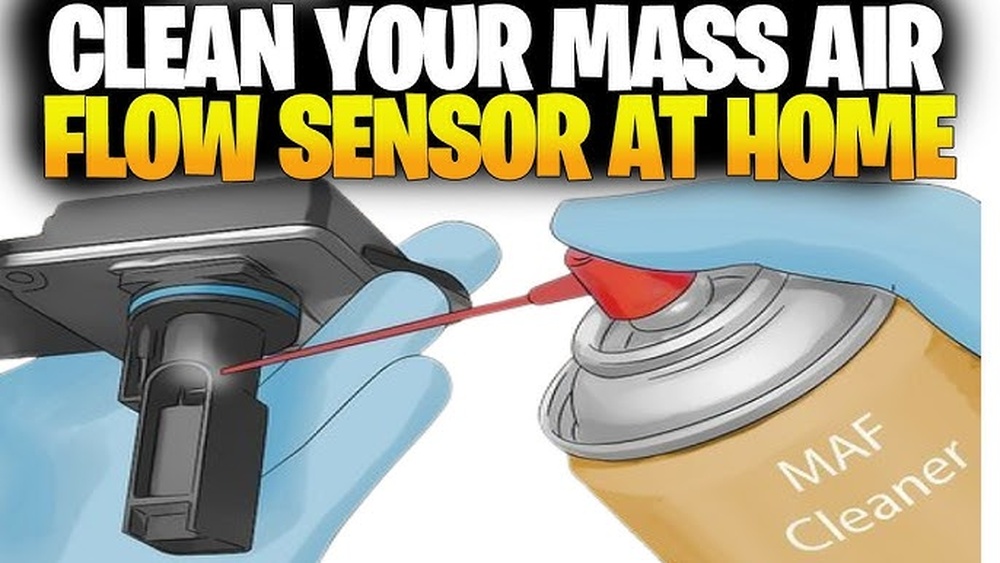
Modern vehicles depend on precise sensors to work efficiently. One of the most important is the MAF sensor—short for Mass Air Flow sensor. It measures the amount of air entering your engine, helping your car’s computer adjust fuel delivery. But what happens when the MAF sensor gets dirty? Many drivers notice their fuel economy drops, even if their car seems to run fine. Cleaning the MAF sensor is a simple task, but its effect on fuel economy is often misunderstood. Let’s explore how MAF sensor cleaning can impact your car’s performance, why fuel economy suffers when the sensor is dirty, and how to maintain it for best results.
What Is A Maf Sensor And Why Does It Matter?
The MAF sensor is usually located between the air filter and the engine intake. Its main job is to measure the volume and temperature of air flowing into the engine. This information is sent to the car’s Engine Control Unit (ECU), which calculates how much fuel to inject. If the air measurement is wrong, the ECU may add too much or too little fuel, leading to reduced performance, higher emissions, and wasted money at the gas pump.
How The Maf Sensor Works
When air passes over the sensor’s wire, it cools the wire down. The sensor measures this cooling and converts it into an electrical signal. The ECU uses this signal to balance air and fuel—keeping the engine running smoothly.
Typical Problems With Maf Sensors
Over time, dust, oil, and tiny particles can stick to the sensor wire. This dirt changes the sensor’s readings, making the engine think there’s less air than there really is. As a result, fuel injection becomes inaccurate.
Signs Of A Dirty Maf Sensor Affecting Fuel Economy
Many drivers don’t realize their MAF sensor is dirty. Common signs include:
- Reduced fuel economy: You notice you need to fill up more often.
- Rough idle: The engine shakes or vibrates at stop lights.
- Poor acceleration: The car feels slow or sluggish.
- Check engine light: Sometimes the sensor triggers a warning.
- Hard starts: The engine struggles to turn on.
You might ignore these symptoms, thinking they are normal with age. But a dirty MAF sensor can reduce fuel efficiency by 10% or more. With gas prices rising, this can cost you hundreds of dollars each year.
Real-world Example
Consider a car that normally gets 30 miles per gallon (mpg). A dirty MAF sensor might drop this to 27 mpg. Over 10,000 miles, that means you use about 37 more gallons of gas—a loss of over $150 if gas costs $4 per gallon.
Credit: www.youtube.com
Why Cleaning The Maf Sensor Helps Fuel Economy
Cleaning the MAF sensor restores its ability to measure air accurately. The ECU can then deliver the right amount of fuel, improving combustion efficiency and reducing waste. Clean sensors also help lower emissions and keep your engine running smoother.
How Much Can You Gain?
Most drivers see a fuel economy improvement of 5–10% after cleaning the MAF sensor. In some cases, especially with very dirty sensors, gains can reach 15%. These numbers depend on your driving habits, car model, and how dirty the sensor was.
Comparison Of Fuel Economy Before And After Cleaning
Here’s a quick look at typical improvements:
| Condition | MPG (Before) | MPG (After) | % Improvement |
|---|---|---|---|
| Moderately dirty MAF | 28 | 30 | 7% |
| Severely dirty MAF | 25 | 29 | 16% |
| Regular maintenance | 30 | 31 | 3% |
Step-by-step: How To Clean Your Maf Sensor Safely
Cleaning your MAF sensor is simple, but you must use proper methods to avoid damage.
- Gather tools: You need a MAF sensor cleaner (not carburetor or brake cleaner), gloves, and a screwdriver.
- Locate the sensor: Usually found just after the air filter box.
- Disconnect the battery: Prevents electrical shorts.
- Remove the MAF sensor: Carefully unscrew and pull out the sensor.
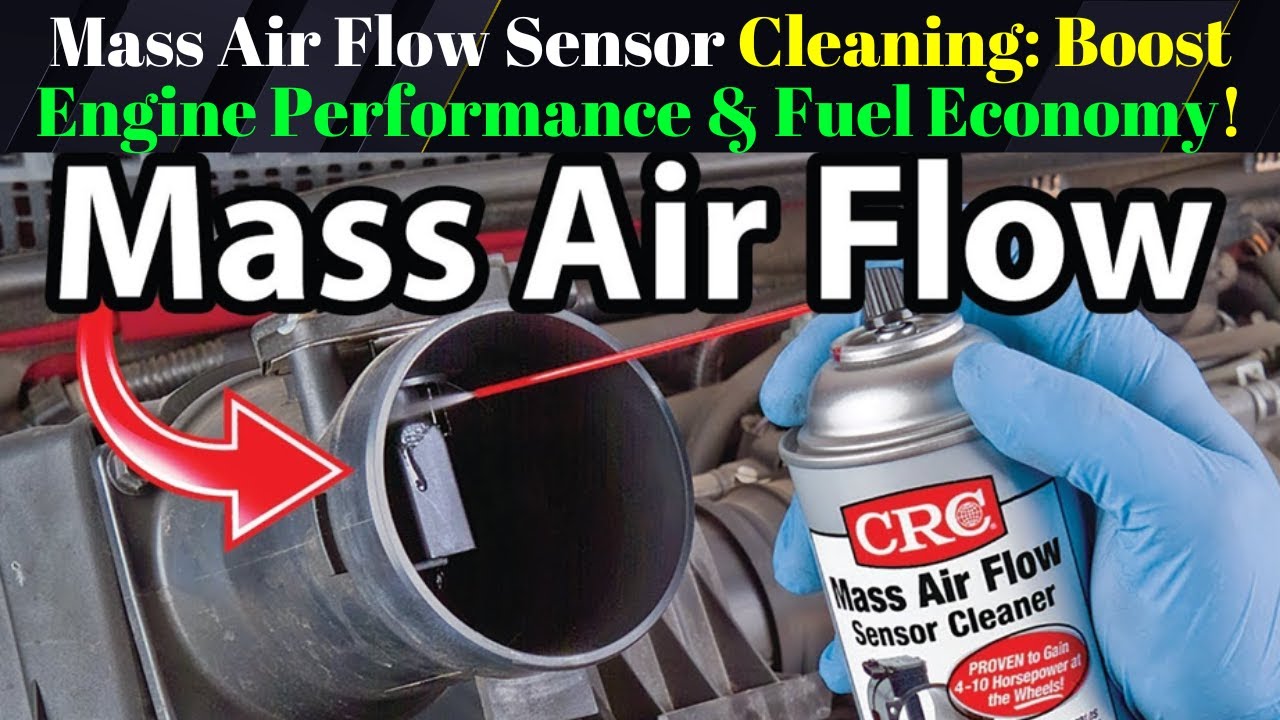
- Spray cleaner: Spray the wire or film directly; do not touch it.
- Let it dry: Wait 10–15 minutes for the cleaner to evaporate.
- Reinstall sensor: Screw the sensor back in and reconnect the battery.
- Test drive: Check for improvement in performance and fuel economy.
Practical Tips For Best Results
- Always use a special MAF sensor cleaner. Other cleaners can damage the sensor.
- Never touch the sensor wire or film with your fingers or tools.
- Clean your sensor every 12,000–15,000 miles or at least once a year.
Common Mistakes To Avoid
- Using compressed air or strong cleaners—these can break the sensor.
- Forgetting to disconnect the battery, which can cause error codes.
- Reinstalling while still wet, risking short circuits.

Credit: www.crcindustries.com
How Maf Sensor Cleaning Compares To Other Maintenance
Many people believe changing spark plugs or air filters is the main way to improve fuel economy. While these are important, cleaning the MAF sensor often gives faster and bigger results.
Comparing Different Maintenance Tasks
| Maintenance Task | Impact on Fuel Economy | Cost | Time Needed |
|---|---|---|---|
| MAF sensor cleaning | 5–15% improvement | $5–$10 | 15–20 mins |
| Air filter replacement | 3–6% improvement | $20–$50 | 10–15 mins |
| Spark plug change | 2–4% improvement | $30–$60 | 30–60 mins |
As you can see, MAF sensor cleaning is low-cost and gives a quick boost to fuel efficiency.
Data And Statistics: Maf Sensor Cleaning Impact
Research shows a clear link between sensor cleanliness and fuel economy. In a study by the Society of Automotive Engineers (SAE), cars with dirty MAF sensors used up to 12% more fuel. Another test found that after cleaning, CO2 emissions dropped by 8%, showing the engine was burning fuel more efficiently.
Example From Fleet Vehicles
A delivery company tested MAF sensor cleaning on 20 vans. After cleaning, the vans averaged 9% better fuel economy and needed fewer repairs. Over a year, this saved the company over $2,000 in fuel costs.
Summary Table: Key Data Points
| Data Source | Fuel Economy Change | Emissions Change | Repair Costs |
|---|---|---|---|
| SAE study | +12% | -8% CO2 | N/A |
| Fleet test | +9% | N/A | -$2,000/year |
| Individual owner | +7% | -5% CO2 | N/A |
Non-obvious Insights Beginners Often Miss
- Sensor location matters: Some cars have two MAF sensors. Always check your manual to clean both if needed.
- Aftermarket air filters can cause dirt buildup faster: High-flow filters may let in more particles, so clean your sensor more often if you use these.
- Weather and driving conditions: Dusty environments or frequent stop-and-go driving can dirty the sensor faster.
- Error codes may not show right away: Sometimes, fuel economy drops before the check engine light comes on.
How Often Should You Clean The Maf Sensor?
Most car makers recommend cleaning every 12,000–15,000 miles. If you drive in dusty areas, do it more often. Some mechanics suggest checking the sensor each time you change your air filter.
Can Over-cleaning Harm The Sensor?
Too much cleaning with harsh chemicals or physical contact can damage the sensor. Stick to recommended products and avoid touching the sensor directly.
Is Cleaning Always Enough, Or Should You Replace?
If your sensor is damaged or doesn’t improve after cleaning, replacement may be needed. Signs of a bad sensor include:
- No change in fuel economy after cleaning
- Persistent check engine light
- Engine stalling or failing to start
Replacement sensors cost $50–$150, but are a good investment if cleaning fails.
Environmental Benefits Of Maf Sensor Cleaning
Better fuel economy means lower emissions. Cleaner sensors help your car burn fuel more efficiently, reducing carbon footprint. This is good not just for your wallet, but for the planet too.

Credit: www.ebay.com
Expert Advice: Getting The Most From Your Maf Sensor
- Use only approved cleaners.
- Clean regularly, especially in dusty or polluted areas.
- Pair MAF sensor cleaning with air filter changes.
- Track your fuel economy after cleaning—many cars show instant results.
For more technical details, the Wikipedia MAF Sensor page offers deeper explanations.
Frequently Asked Questions
How Often Should I Clean My Maf Sensor?
Most experts recommend cleaning the MAF sensor every 12,000–15,000 miles. If you drive in dusty areas or use aftermarket air filters, clean it more often.
Can Cleaning The Maf Sensor Fix Poor Fuel Economy?
Yes, in many cases, cleaning the MAF sensor restores accurate air readings and improves fuel efficiency by 5–15%. If you see no improvement, the sensor may need to be replaced.
What Kind Of Cleaner Should I Use For The Maf Sensor?
Always use MAF sensor-specific cleaner. Other products, like carburetor or brake cleaner, can damage the sensor and cause expensive repairs.
Is It Safe To Clean The Maf Sensor Myself?
It is safe if you follow instructions and use the right cleaner. Avoid touching the sensor directly and always disconnect the battery before starting.
Will Cleaning The Maf Sensor Help Reduce Emissions?
Yes, a clean sensor helps the engine burn fuel more efficiently, lowering CO2 and other emissions. This is good for both your wallet and the environment.
A clean MAF sensor is one of the easiest ways to boost your car’s fuel economy. With just a few minutes and a $10 cleaner, you can save money, reduce pollution, and keep your engine running strong. Don’t overlook this simple maintenance—your wallet and the planet will thank you.
Disclosure: As an Amazon Associate, I may earn from qualifying purchases at no extra cost to you. Amazon and the Amazon logo are trademarks of Amazon.com, Inc, or its affiliates.
