
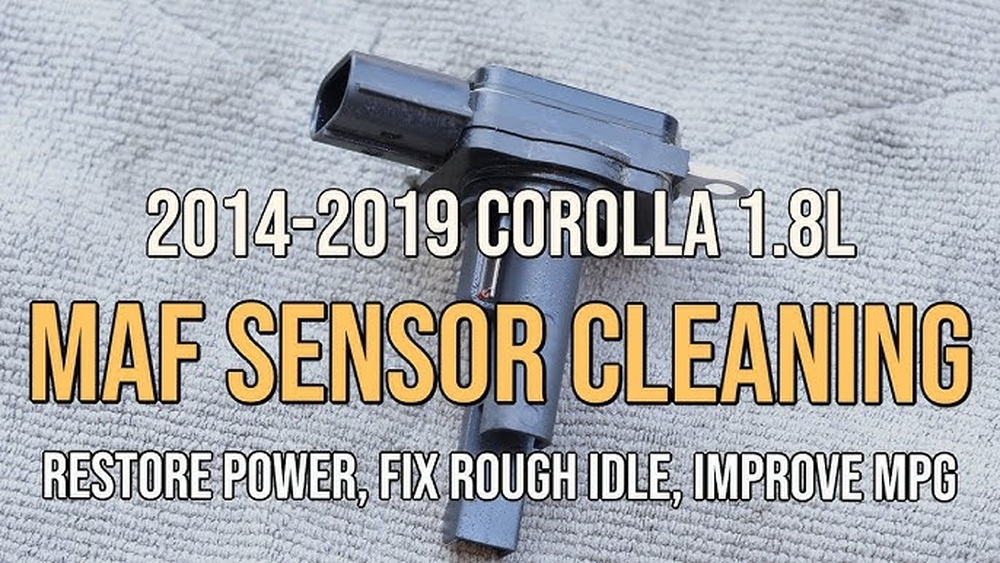
Most drivers have felt the frustration of a car that shakes or stumbles while idling. This “rough idle” problem can make your vehicle feel unreliable and uncomfortable. One question often comes up when diagnosing this issue: Can cleaning the MAF sensor fix rough idle? Understanding how the Mass Air Flow (MAF) sensor works, and its role in your engine’s performance, is key to finding the answer.
A rough idle can be caused by many things, from old spark plugs to vacuum leaks. But the MAF sensor is often overlooked, even though it has a big effect on how your engine runs at idle. Many car owners are surprised to learn that this small sensor, when dirty or faulty, can lead to rough idling, stalling, and even poor fuel economy.
But does cleaning the MAF sensor really solve the problem? And how do you know if it’s the cause?
Let’s dive deeper into what the MAF sensor does, how it affects idle quality, and whether cleaning it can bring your engine back to smooth operation. Along the way, you’ll learn how to spot symptoms, clean the sensor safely, and avoid common mistakes that can make things worse.
What Is A Maf Sensor And Why Is It Important?
The MAF sensor is a small electronic device found in the intake system of most modern cars. Its job is to measure the amount of air entering the engine. The engine control unit (ECU) uses this information to calculate the correct amount of fuel to inject. If the MAF sensor gives wrong data, the fuel-air mixture will be off, causing problems like rough idle, hesitation, and even engine damage over time.
Here’s why the MAF sensor matters:
- It ensures the engine gets the right mix of air and fuel.
- It helps optimize fuel efficiency.
- It keeps emissions low.
- It prevents engine knocking and stalling.
Most MAF sensors use a thin wire or film that gets heated. As air flows past, it cools the wire. The sensor measures how much current is needed to keep the wire hot, and this tells the ECU how much air is coming in.
Dirt or oil on the wire can make readings inaccurate.
How A Dirty Maf Sensor Causes Rough Idle
When the MAF sensor gets dirty, it can’t measure air flow accurately. This is usually due to dust, oil, or other debris from the air filter or intake system. Even a thin coating of grime can make a big difference.
How Does This Lead To Rough Idle?
- The sensor sends the wrong signal to the ECU.
- The engine may get too much or too little fuel.
- The air-fuel mixture is unbalanced.
- This causes uneven combustion, leading to shaking or stumbling at idle.
Some drivers notice that their car idles fine when cold, but starts to idle roughly once warm. This is because the ECU uses other sensors when the engine is cold, but relies more on the MAF sensor as the car warms up.
Signs Your Maf Sensor Needs Cleaning
A dirty or failing MAF sensor doesn’t always trigger a check engine light right away. But there are clear signs to look for:
- Rough idle: The engine shakes or vibrates when stopped.
- Stalling: The car may die at stoplights or when idling.
- Hesitation: Slow response when you press the gas pedal.
- Poor fuel economy: More trips to the gas station than usual.
- Hard starting: The engine cranks longer before starting.
- Engine misfires: Popping or backfiring sounds from the engine.
If you notice several of these symptoms together, it’s smart to inspect and possibly clean your MAF sensor before replacing expensive parts.
Can Cleaning The Maf Sensor Fix Rough Idle?
In many cases, cleaning the MAF sensor can fix rough idle—especially if the rough idle is caused by dirt or oil on the sensor. This is a common problem, especially on cars with high mileage or poor air filter maintenance.
However, cleaning only helps if the sensor is dirty. If the sensor is physically damaged or has an electrical fault, cleaning won’t solve the problem.
When cleaning helps:
- If idle improves after cleaning, the sensor was dirty.
- If the engine runs smoother, the issue was likely air-fuel mixture related.
When cleaning does NOT help:
- If the sensor is broken or has a wiring issue.
- If the problem is caused by something else (like a vacuum leak or bad spark plugs).
Non-obvious insight: Many people clean the sensor but forget to check the air filter. A dirty air filter can quickly re-contaminate a clean sensor.
How To Clean A Maf Sensor Safely
Cleaning the MAF sensor is a simple process, but you must do it carefully to avoid damaging the fragile parts. Here is a step-by-step guide:
- Turn off the engine and let it cool down.
- Disconnect the battery to prevent electrical shorts.
- Locate the MAF sensor (usually near the air filter box).
- Remove the sensor by undoing the screws or clamps (handle it gently).
- Use only MAF sensor cleaner (never carburetor or brake cleaner).
- Spray the cleaner onto the sensor’s wire or film (do not touch it with your fingers or tools).
- Let the sensor air dry for at least 10-15 minutes.
- Reinstall the sensor and reconnect all wiring.
- Reconnect the battery and start the engine.
Important Safety Tips
- Never use compressed air to dry the sensor.
- Do not use cotton swabs or brushes.
- Avoid touching the sensor element—it is very delicate.
- Only use cleaners labeled “MAF Sensor Cleaner.”
Example: Diy Cleaning Success
A 2012 Honda Accord had a rough idle and poor acceleration. After cleaning the MAF sensor (which was visibly dirty), idle quality improved and fuel economy returned to normal. The owner avoided a costly repair by doing a simple cleaning at home.
Comparing Dirty Vs. Clean Maf Sensor Effects
Below is a comparison of engine performance with a dirty and clean MAF sensor:
| Condition | Idle Quality | Fuel Economy | Throttle Response |
|---|---|---|---|
| Dirty MAF Sensor | Rough, unstable | Poor | Sluggish |
| Clean MAF Sensor | Smooth, stable | Normal | Responsive |
Pro tip: If your engine performance improves after cleaning, you’ve likely found the cause. If not, keep looking for other issues.
When Cleaning The Maf Sensor Is Not Enough
Sometimes, rough idle continues even after cleaning the MAF sensor. This means the problem is likely elsewhere. Here are other common causes:
- Vacuum leaks: Cracked hoses or gaskets let air in, making idle rough.
- Faulty spark plugs: Old or fouled plugs can cause misfires.
- Dirty throttle body: Carbon buildup can block airflow.
- Bad idle air control valve: Controls how much air bypasses the throttle at idle.
- Low fuel pressure: Clogged fuel filter or weak fuel pump.
If you’ve cleaned the MAF sensor and replaced the air filter but still have a rough idle, it’s time to check these other parts.
Example: When Cleaning Didn’t Work
A Toyota Corolla had persistent rough idle. Cleaning the MAF sensor brought no improvement. Further inspection found a large vacuum leak in the intake hose. Once fixed, idle became smooth.
Maf Sensor Cleaning Frequency: How Often Should You Do It?
Most manufacturers do not list a specific mileage for cleaning the MAF sensor. However, experts suggest cleaning it every 20,000 to 30,000 miles, or whenever you change the air filter. If you drive in dusty conditions, you may need to clean it more often.
Here’s a simple chart comparing recommended cleaning intervals:
| Driving Conditions | Recommended Cleaning Interval |
|---|---|
| Normal city/highway | Every 30,000 miles |
| Dusty/rural roads | Every 15,000–20,000 miles |
| After air filter replacement | Every time |
Non-obvious insight: If you use an oiled air filter (like K&N), oil can easily coat the MAF sensor. Clean the sensor more often with these filters.

Credit: q20.co.za
Common Mistakes To Avoid When Cleaning The Maf Sensor
Many car owners make mistakes when cleaning the MAF sensor, sometimes causing more harm than good. Avoid these pitfalls:
- Using the wrong cleaner: Carburetor or brake cleaner will damage the sensor.
- Touching the sensor element: Oils from your skin can ruin the delicate wire.
- Not letting the sensor dry: Moisture can cause short circuits.
- Forgetting to disconnect the battery: This can trigger engine warning lights.
- Ignoring the air filter: If it’s dirty, the problem will return quickly.
If you’re unsure, ask a mechanic for help.
How Much Does Professional Cleaning Or Replacement Cost?
Professional MAF sensor cleaning usually costs between $50 and $100 at most repair shops. Replacing the sensor can cost anywhere from $100 to $400, depending on your car model. Cleaning it yourself costs less than $10 for a can of cleaner.
Here is a quick cost comparison:
| Service | Typical Cost |
|---|---|
| DIY Cleaning | $7–$12 |
| Professional Cleaning | $50–$100 |
| Sensor Replacement | $100–$400 |
Tip: Always try cleaning before replacing the sensor. Many sensors last the life of the car if kept clean.

Credit: www.youtube.com
Real-world Data: Does Cleaning Maf Sensor Really Help?
Studies and real-world mechanic reports show that cleaning a dirty MAF sensor can improve idle quality and fuel economy by up to 10–15%. In a test by an independent auto lab, cars with rough idle improved idle smoothness in 7 out of 10 cases after MAF sensor cleaning.
For more technical details, see this Wikipedia article on MAF sensors.
Frequently Asked Questions
How Do I Know If My Maf Sensor Is Dirty Or Failing?
Common signs are rough idle, poor acceleration, increased fuel usage, and stalling. If cleaning the sensor does not improve these symptoms, the sensor may be failing or another part may be at fault.
Can I Drive With A Dirty Maf Sensor?
You can, but it’s not recommended. A dirty MAF sensor can cause your engine to run rich or lean, which can damage the engine, reduce fuel efficiency, and increase emissions over time.
What Is The Best Cleaner For A Maf Sensor?
Only use MAF sensor cleaner. It is designed to remove dirt and oil without damaging the delicate wires. Do not use household cleaners, carburetor cleaner, or brake cleaner.
How Long Does It Take To Clean A Maf Sensor?
The whole process usually takes 15–30 minutes including drying time. Actual cleaning is quick, but allow the sensor to air dry completely before reinstalling.
Will Disconnecting The Maf Sensor Fix Rough Idle?
Disconnecting the MAF sensor may cause the engine to run in “limp mode,” sometimes making idle smoother. This is not a fix and can cause other problems. Cleaning or replacing the sensor is the correct solution.
A rough idle can be more than just a small annoyance—it often signals something is wrong in your engine’s air-fuel system. The MAF sensor is a simple but critical part. Cleaning it is a safe, cheap, and often effective way to fix rough idle, as long as you follow the right steps and avoid common mistakes. For many drivers, this quick maintenance task brings back smooth, reliable idling and better overall performance. If cleaning doesn’t help, don’t stop there—keep looking for other possible issues, and remember that regular care of your intake system will keep your car running strong.

Credit: www.reddit.com
Disclosure: As an Amazon Associate, I may earn from qualifying purchases at no extra cost to you. Amazon and the Amazon logo are trademarks of Amazon.com, Inc, or its affiliates.
