
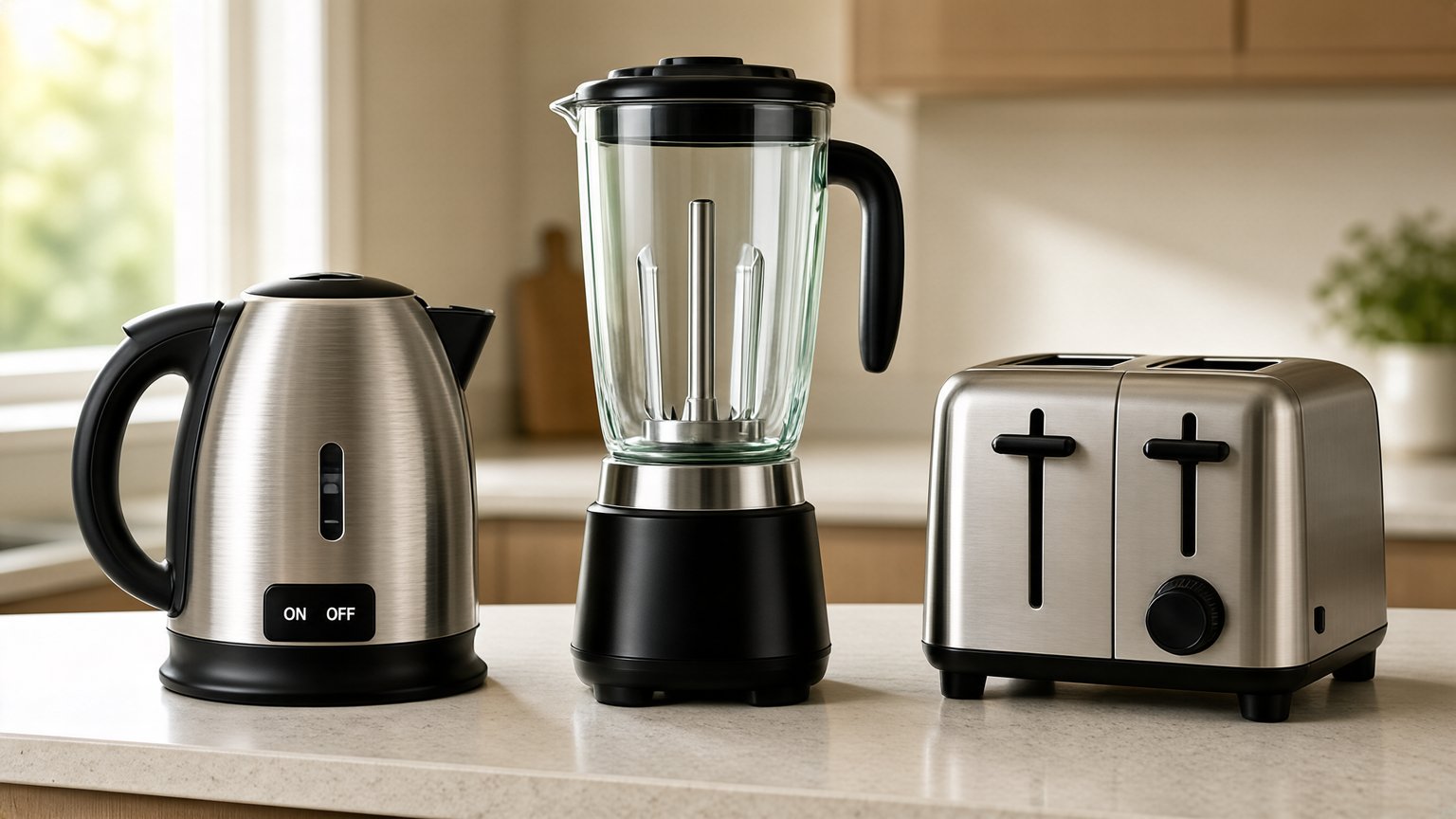
Using small kitchen appliances safely involves maintaining your cords, monitoring heat levels, and following manufacturer guidelines to prevent electrical hazards and accidental fires. By treating devices like toasters, blenders, and air fryers with consistent care, you extend their lifespan while protecting your household from injury. Safety isn’t about avoiding technology; it’s about respecting the operational limits and physical requirements of every tool in your culinary arsenal.
Key Takeaways
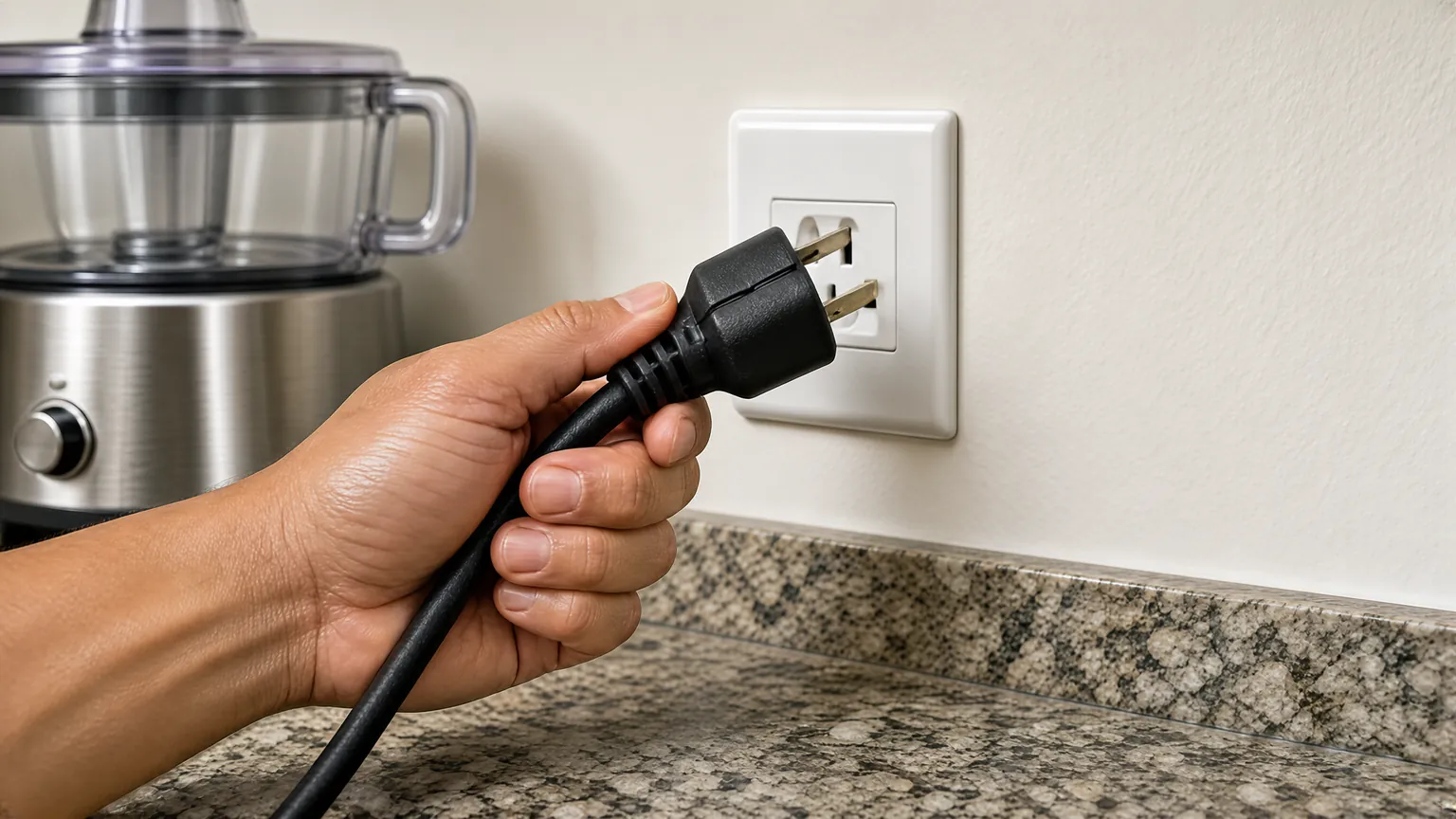
- Always unplug appliances when not in use to prevent accidental activation and energy waste.
- Keep electrical cords away from hot surfaces like stovetops or open flames to avoid insulation damage.
- Never immerse the motor base of appliances in water unless explicitly permitted by the manual.
- Check for frayed wires or cracked plugs before every use to mitigate the risk of shocks.
- Ensure your kitchen outlets are equipped with ground-fault circuit interrupters (GFCI) for added protection.
How To Use Small Kitchen Appliances Safely
Operating small appliances requires a blend of common sense and technical awareness. When you plug in a device, you’re completing an electrical circuit that carries significant current. To ensure this process remains safe, always inspect the cord and plug for visible damage. If you notice any exposed wires, discoloration, or a burning smell, disconnect the appliance immediately and discontinue use until it’s professionally repaired or replaced.
Managing Electrical Cords Properly
The cord is the most vulnerable part of your appliance. Avoid running cords under rugs or heavy furniture, as this can cause overheating or physical damage to the internal wiring. Never pull on the cord to unplug a device; always grasp the plug head itself. If you need to store cords, wrap them loosely to avoid putting stress on the connection point where the cord meets the base of the appliance.
| Appliance Type | Safety Priority | Risk Factor |
|---|---|---|
| Toasters | Crumb removal | Fire hazard |
| Blenders | Blade sharpness | Laceration |
| Air Fryers | Ventilation space | Overheating |
| Electric Kettles | Mineral buildup | Short circuit |
Is Your Kitchen Environment Prepared?
A safe kitchen is an organized kitchen. Clutter often leads to accidents, such as knocking a blender off a counter or accidentally turning on a range. Ensure that your appliances are placed on a dry, level, and stable surface.
Keep a clear perimeter around appliances that generate heat, such as toaster ovens or slow cookers, to allow for proper air circulation. According to the Electrical Safety Foundation International, keeping these devices at least six inches away from walls and curtains is essential to prevent heat buildup that can ignite surrounding materials.
Utilizing Ground-Fault Protection
Water and electricity are a dangerous combination. In areas where moisture is present, such as near your kitchen sink, all outlets should ideally be GFCI-protected. These specialized outlets detect imbalances in electrical current and cut power instantly if a short occurs, potentially saving you from a severe shock. If your home is older and lacks these outlets, consider hiring a licensed electrician to upgrade them for long-term safety.
Maintaining Your Appliance Hygiene
Cleaning appliances isn’t just about aesthetics; it’s a critical safety practice. Food debris, grease, and dust can become flammable over time. For example, a buildup of crumbs in the bottom of a toaster is a common cause of small kitchen fires. Regularly wipe down the exterior of your devices and empty crumb trays or drip pans. Always ensure the appliance is completely cool and unplugged before beginning any cleaning routine.
Safe Cleaning Techniques
Never use abrasive scrubbers that can damage the protective coating or housing of your appliances. For non-removable parts, use a damp, lint-free cloth. Avoid spraying cleaning solutions directly into the ventilation slots or control panels, as liquid can seep into the electronic components and cause a short circuit. If you must use a cleaning agent, spray it onto a cloth first, then wipe the surface.
What To Do With Damaged Appliances
If an appliance starts making unusual noises, sparking, or failing to heat properly, don’t attempt to “fix it” unless you’re a qualified technician. Attempting to open the casing of an appliance can expose you to high-voltage capacitors that may hold a charge even when the device is unplugged. Instead, consult the manufacturer’s warranty information. Many companies provide authorized repair centers that can restore the device to safe working order.
Handling Sharp Blades And Components
Blenders, food processors, and immersion blenders rely on extremely sharp blades to function. When cleaning these items, always handle the blade assembly with extreme caution. If you’re cleaning a blender pitcher, don’t reach inside with your bare hands. Use a long-handled brush to reach the bottom, or fill the pitcher with warm water and a drop of dish soap, then pulse it briefly to clean the blades safely.
| Maintenance Task | Frequency | Safety Benefit |
|---|---|---|
| Empty crumb trays | Weekly | Fire prevention |
| Inspect power cords | Monthly | Shock avoidance |
| Deep clean blades | Per use | Injury prevention |
| Check ventilation vents | Quarterly | Overheat protection |
Strategic Appliance Storage Solutions
Where you store your appliances matters as much as how you use them. Don’t stack heavy appliances on high shelves where they could fall and break or cause injury. Store frequently used items, like your coffee maker or toaster, on the countertop. For less frequently used items, like stand mixers or waffle irons, keep them in lower cabinets or pantry shelves that are easy to reach. This reduces the likelihood of dropping a heavy device while retrieving it.
Preventing Accidental Activation
Some appliances, such as food processors, have safety interlocks. Never bypass these sensors. If a lid isn’t locked correctly, the machine shouldn’t operate. If you notice that an appliance is running despite a safety lock being disengaged, stop using it immediately. This indicates a mechanical failure that could lead to an accident. Always store appliances in a way that prevents accidental button presses, especially if you have curious children or pets.
When To Retire An Old Appliance
Every appliance has a functional lifespan. Even if a device still turns on, internal components like heating elements or capacitors degrade over time. If your toaster takes significantly longer to brown bread than it did when new, or if your blender motor smells like ozone during use, it’s time to retire the unit. Replacing old, inefficient, or glitchy appliances is a proactive measure that keeps your kitchen running smoothly and safely.
Sustainable Disposal Practices
When you finally decide to retire an appliance, don’t just toss it in the regular trash. Many small appliances contain metals and electronics that can be recycled. Check with your local municipal waste management office to see if they have a dedicated e-waste drop-off location. Some retail chains also offer take-back programs for small household electronics, ensuring that the components are salvaged and disposed of in an environmentally responsible manner.
FAQs About How To Use Small Kitchen Appliances Safely
Can I plug multiple appliances into one power strip?
Generally, no. Small kitchen appliances often draw high wattage, which can quickly overload a standard power strip. This can melt the plastic housing of the strip or trigger a circuit breaker. It’s much safer to plug high-wattage appliances directly into wall outlets to ensure they receive consistent power without risking an electrical fire from an overloaded strip.
Is it safe to leave my coffee maker plugged in all day?
While modern coffee makers often have automatic shut-off features, it’s best practice to unplug them when not in use. This prevents the device from drawing “vampire” power and eliminates the risk of an electrical fault occurring while you’re away from home. Unplugging also protects the internal electronics from potential power surges that could damage the unit.
What should I do if my appliance catches fire?
If a small appliance catches fire, never use water to extinguish it, as this can cause a dangerous electrical shock. If the fire is small and contained inside the unit, unplug it if you can do so safely. Use a fire extinguisher rated for electrical fires (Class C) or smother the flames with baking soda. If the fire spreads, evacuate immediately and call emergency services.
Can I use an extension cord with my toaster?
Using an extension cord with heating appliances is generally discouraged. Toasters and other heating devices require a high current, and most extension cords aren’t rated to handle that load safely. If you absolutely must use one, ensure it’s a heavy-duty cord rated for the specific wattage of the appliance and keep it as short as possible to avoid dangerous overheating.
Why does my blender smell like burning plastic?
A burning smell usually indicates that the motor is overheating or that there’s friction between internal components. This often happens if you’re processing ingredients that are too thick, running the motor for too long, or if the ventilation slots are blocked. Stop the blender immediately, allow it to cool down completely, and check for any debris blocking the fan or motor base.
Conclusion
Always prioritize safety by keeping your kitchen workspace organized and your appliances in good repair. By following these simple guidelines, you ensure that your cooking experience remains enjoyable and incident-free. Make a habit of checking your cords and outlets this weekend to ensure everything is in proper working order, providing yourself with peace of mind for every meal you prepare.
Disclosure: As an Amazon Associate, I may earn from qualifying purchases at no extra cost to you. Amazon and the Amazon logo are trademarks of Amazon.com, Inc, or its affiliates.
