
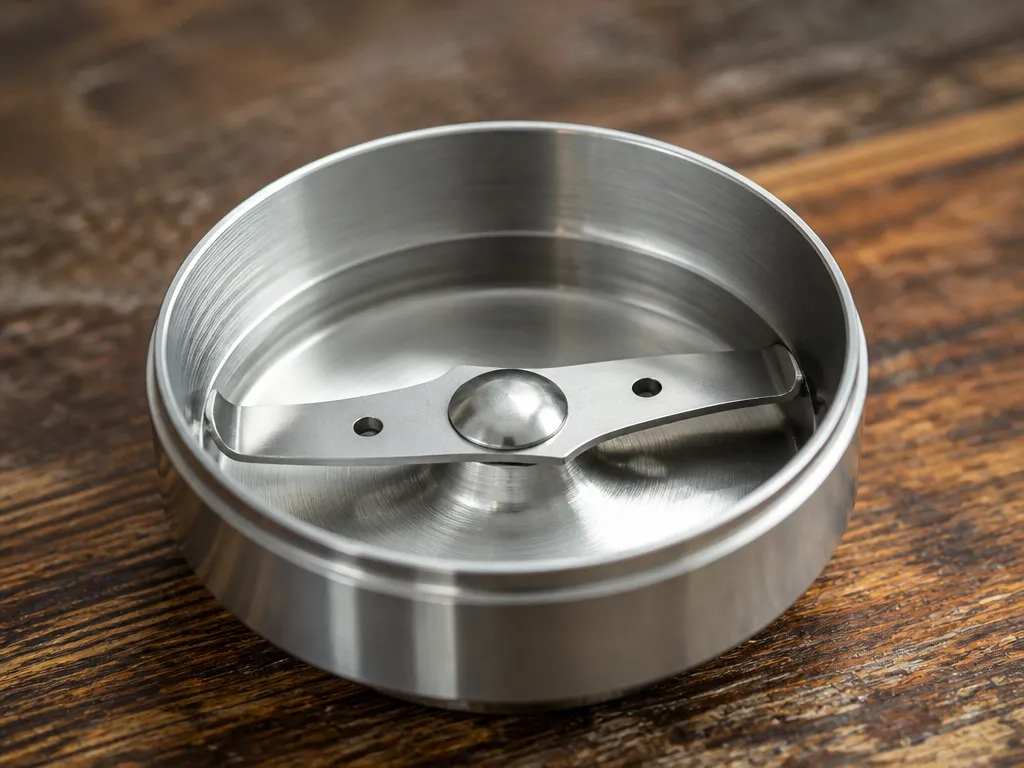
Coffee tastes stale when the machine is dirty. A buildup of coffee oils and grounds coats the blades and chamber, transferring a rancid flavor to your fresh beans. This guide shows you exactly how to clean a coffee grinder blade safely and effectively, removing old residue without damaging the motor or rusting the metal.
Clean a blade grinder by grinding 1/4 cup of uncooked rice to absorb oils, then wiping out the residue with a damp cloth and a stiff brush.
Unplug and empty the grinder before starting any cleaning process to ensure safety.
Use uncooked white rice as the primary cleaning agent for blade grinders.
Grind for 30 to 60 seconds to turn the rice into flour that traps coffee oils.
Wipe with a damp cloth only after dumping the rice flour to remove remaining residue.
Vacuum the chute monthly to remove fine dust that brushing misses.
How to begin
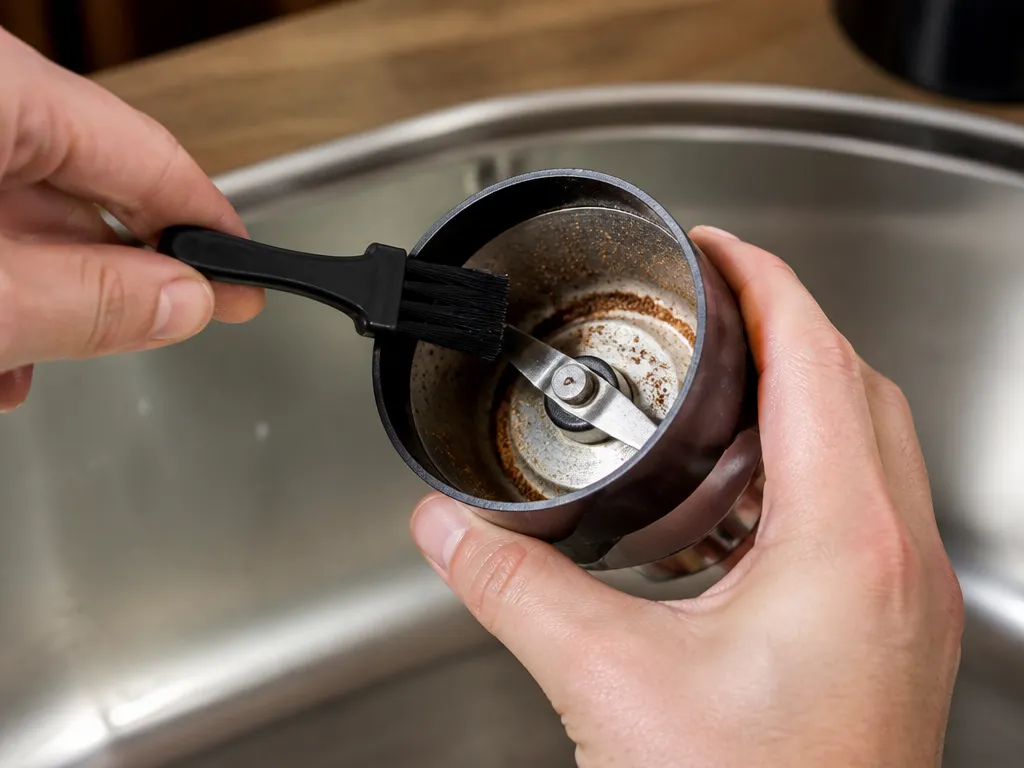
Cleaning a blade grinder requires just a few basic tools and a moment of preparation. You do not need specialized cleaning solutions or a complicated disassembly process to get the job done. The most effective method relies on the properties of uncooked rice and a simple vacuum.
Start by unplugging the grinder completely. Never attempt to clean a running or plugged-in machine, as the blades move fast and pose a serious injury risk. Empty any remaining coffee beans or grounds from the chamber into the trash. A quick visual inspection can reveal if any beans are stuck in the blades, which can cause an imbalance or jam the mechanism.
You need four main items to proceed. First, a bag of uncooked white rice serves as the cleaning agent. Second, a stiff brush helps dislodge debris from the blades and corners. Third, a vacuum cleaner with a narrow nozzle removes fine dust that rice cannot reach. Finally, a damp cloth wipes down the interior surfaces after the rice has done its work. These tools are inexpensive and available at any grocery store.
💡 Starting your cleaning routine is simple when you have the right mindset and tools to maintain your coffee grinder properly. Begin.
Basics of how to clean coffee grinder
Coffee oils build up quickly inside a blade grinder and create a stale, rancid flavor profile. Every time you grind beans, the blades chop them and release essential oils onto the blade surfaces and the interior walls of the chamber. Over time, these oils oxidize and become rancid, which contaminates your fresh coffee and gives it a sour or bitter aftertaste.
Blade grinders operate differently than burr grinders, which use two abrasive surfaces to crush beans. Blade grinders use a spinning metal blade that chops beans into irregular pieces. This chopping action smears oil onto the blade more aggressively than a burr grinder would. The lack of uniform particle size in a blade grinder also means some beans are ground more than others, leaving behind oily residue in the cracks and crevices.
The buildup is not just aesthetic. A dirty grinder can also affect the machine’s performance. Coffee dust and fine grounds can clog the motor vents and cause the unit to overheat. Additionally, the sticky residue attracts more dust and pests.
how to clean coffee grinder

The most effective method for cleaning a blade grinder involves grinding uncooked rice to absorb oils. This process turns the rice into a flour that acts like a sponge, drawing the sticky coffee oils out of the blades and chamber walls. The rice flour is then easy to wipe away.
Measure 1/4 cup of uncooked white rice and pour it into the grinder chamber. Plug the grinder in and turn it on. Let the rice grind for at least 30 seconds and up to one minute. You should hear the sound change as the hard grains turn into a fine powder. This process takes time to break down the clumps of old coffee grounds and coat them with the starchy rice.
Turn the grinder off and unplug it immediately after the rice has turned into flour. Carefully dump the rice flour into the trash can. It will likely be clumpy with old coffee residue. Do not dump it into your sink drain, as it can clump together and cause a blockage. Once the rice is removed, take a paper towel or cloth that is barely damp with warm water. Wipe the inside of the grinder, focusing on the blades and the corners of the chamber. Be extremely careful not to cut your fingers on the blades while wiping. Wipe the chamber a second time with a dry cloth to ensure no moisture remains inside the machine.

Helpful pick
Urnex Grindz Professional Coffee Grinder Cleaning Tablets – 430 Grams – All Natural Food Safe Gluten Free – Cleans Burr and Casing – Help Extend Life of Your Grinder
While rice is a common household hack, these professional cleaning tablets are specifically formulated to absorb oils and remove residue effectively.
Things that matter most
Vacuuming the grinding chute is a critical technique that removes fine dust missed by the rice method. Even after grinding rice and wiping the chamber, a thin layer of coffee dust remains on the blades and inside the chute. This dust can transfer to your beans during the next grinding cycle.
Use a vacuum cleaner with a narrow attachment, such as a crevice tool or a dusting brush. Run the nozzle over the blades and into the chute while the grinder is unplugged. This pulls out the fine particles that brushing cannot dislodge. For a deeper clean, remove the grinding chamber if it is detachable and vacuum the inside of the lid and the exterior of the base. This step is especially important if you grind oily beans, as the dust clings more stubbornly to the surfaces.
Another useful technique involves using a specialized cleaning tablet occasionally, though this is less common for blade grinders than for burr grinders. Some manufacturers produce cleaning tablets designed to dissolve oils without leaving a residue. For most home users, the combination of the rice method and regular vacuuming provides sufficient maintenance.
💡 Focusing on the small details like cleaning the grinding chute is one of the things that matter most for fresh coffee. The Things That Matter Most.
What works in practice
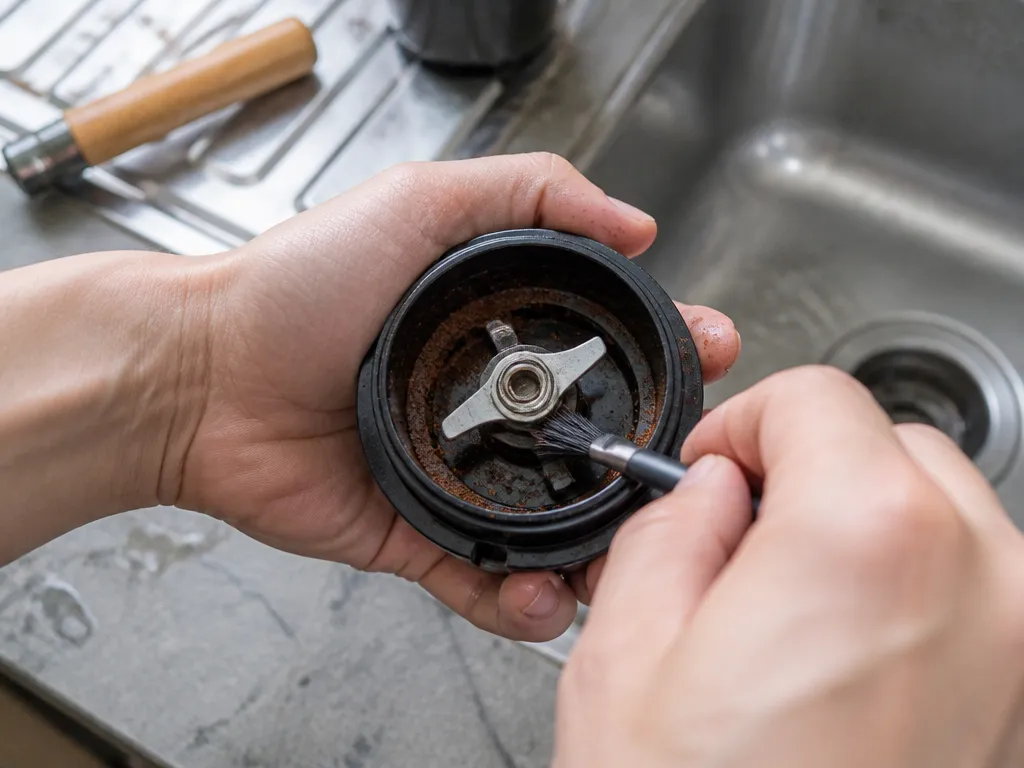
Maintaining a consistent cleaning schedule prevents the buildup of coffee oils and extends the life of the motor. You should clean your blade grinder at least once a month, even if you use it infrequently. Monthly cleaning removes the layer of stale oil before it becomes a thick, sticky film that is difficult to remove.
Your cleaning frequency should increase if you grind oily beans, flavored coffees, or dark roasts. These beans release more oil during the grinding process, which accelerates the buildup. For this type of use, wipe the dosing area every few days and perform the full rice clean every two weeks.
A quick wipe of the hopper lid and the exterior of the grinder should happen every two to four weeks. Coffee dust settles on the outside of the machine and can transfer to your hands or countertops. Wiping these surfaces down regularly keeps your kitchen clean and ensures that the only thing that touches your fresh beans is the grinder itself. Never leave the hopper off the machine for long periods, as this allows humidity and bugs to enter the chamber.

Helpful pick
KitchenAid BCG111OB Blade Coffee Grinder, 4 oz, Onyx Black
If your current grinder is beyond cleaning, this high-quality blade model is a reliable replacement that is easy to maintain monthly.
Mistakes to Avoid with how to clean coffee grinder
Using water directly on a blade grinder can cause rust and damage the internal components. The internal motor housing is often made of metal or plastic that is not rated for exposure to water. Pouring water into the chamber or trying to wash the machine with a hose can lead to corrosion and electrical shorts.
Avoid using metal brushes to clean the blades. A stiff nylon brush or a stiff toothbrush is sufficient to dislodge coffee grounds without scratching the blade surface. Metal brushes can nick the blade edges, which dulls them over time and makes grinding less efficient. They can also send metal shavings into your coffee, which is a health hazard.
Do not mix old rice flour with fresh beans. If you grind rice and do not remove all the flour before adding new beans, the old rice will contaminate your fresh coffee. This results in a grainy texture and an unpleasant, starchy taste. Always dump the rice flour completely and wipe the chamber before adding your daily beans.

Helpful pick
KRUPS Precision Electric Coffee Grinders, 3 oz Capacity, 200W Motor, Stainless Steel Blades for Uniform Grinding of Beans, Herb and Nuts, Coffee and Spice Grinder Electric, (Black)
Avoid water damage by choosing a durable grinder with stainless steel blades that are designed for easy, dry cleaning and maintenance.
Pro Tips for how to clean coffee grinder
Don’t forget the exterior of the grinder, as coffee dust settles on the hopper and base. The exterior accumulates dust from the air and from the beans themselves. Wiping this down with a damp cloth not only keeps the machine looking good but also prevents dust from being blown back into the beans during grinding.
Check for stuck beans before starting. Sometimes a single bean will get wedged between the blade and the chamber wall. If you try to grind rice with a bean stuck, the bean can get smashed and turn into a hard black rock that damages the blade. Removing this debris manually before starting ensures a smooth grinding process.
Run a dry cycle with a few beans after cleaning. Once you have finished cleaning and wiping the chamber, grind a small amount of fresh beans to flush out any remaining rice dust or cleaning residue. This ensures that your first cup of coffee after cleaning is completely free of cleaning agents or old rice.
💡 Follow these expert recommendations to keep your machine in top shape, including using a dedicated brush for hard-to-reach coffee dust. Wancle Electric Coffee Grinder, Spice Grinder, One Touch Coffee Mill for Beans, Spices and More, with Clean Brush Black.
FAQ About How To Clean Coffee Grinder Blade
Can I use soap and water to clean my coffee grinder blade?
You should never wash a blade grinder with soap and water. The internal motor and electrical components are not water-resistant. Exposing the machine to water can cause rust on the blades and short-circuit the motor. Stick to the dry rice method and a damp cloth for wiping.
How often should I clean my coffee grinder?
You should clean your blade grinder at least once a month. If you use oily or flavored beans, increase this to every two weeks. A quick vacuum of the chute should be done every month.
Does the rice method work for all blade grinders?
The rice method works for virtually all blade grinders. Whether you have a small personal grinder or a larger household model, 1/4 cup of uncooked white rice is sufficient to absorb the oils. Just ensure you grind for long enough to turn the rice into a fine powder.
Can I use bread to clean my coffee grinder blade?
Using bread is a common alternative to rice, but it is less effective. Bread absorbs oil well but can leave behind crumbs that are difficult to remove. Rice turns into a fine powder that is easy to dump and wipe away, making it the superior choice for cleaning.
Why does my coffee taste sour after cleaning?
If your coffee tastes sour after cleaning, you might have left a small amount of rice flour or residue in the chamber. Ensure you dump all the rice flour and wipe the chamber thoroughly before grinding fresh beans. A lingering cleaning agent or rice starch can temporarily alter the flavor profile.
Disclosure: As an Amazon Associate, I may earn from qualifying purchases at no extra cost to you. Amazon and the Amazon logo are trademarks of Amazon.com, Inc, or its affiliates.
