
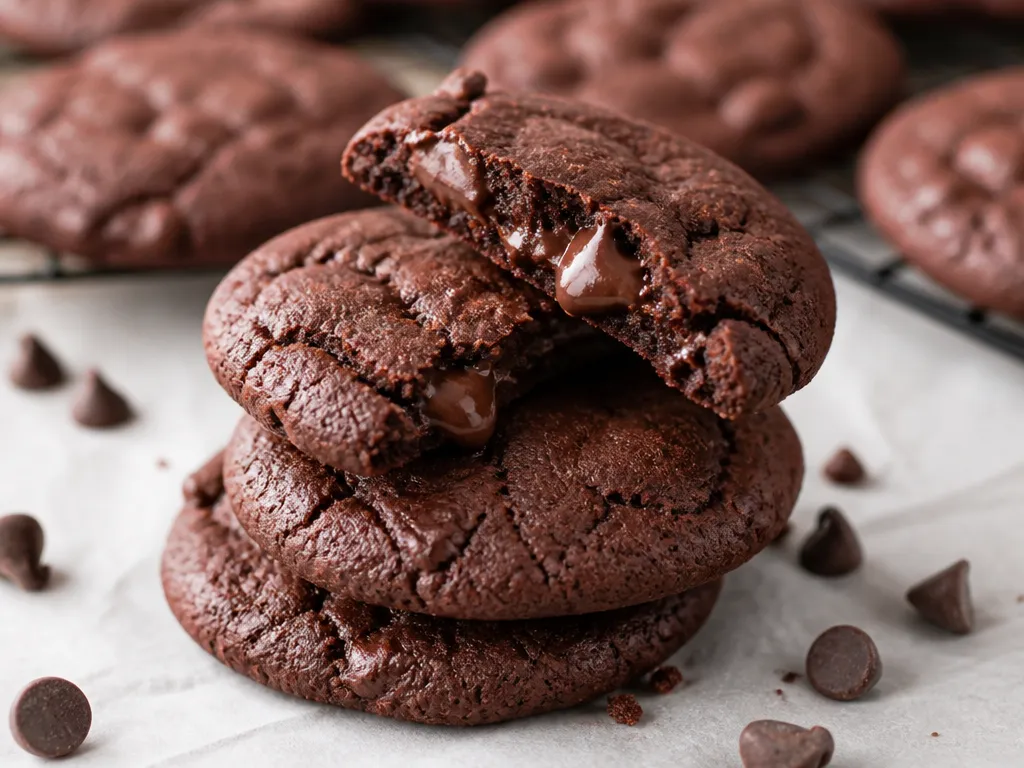
Chewy chocolate cookies come down to moisture and structure. Brown sugar helps the dough retain water, careful flour measurement prevents it from drying out, and a shorter bake keeps the centers tender. Pull the cookies from the oven before the middle looks fully dry, because residual heat finishes the bake on the tray. Overbake them, and even a well-balanced recipe turns crisp.
Chewy chocolate cookies stay soft because they hold onto water while their starches set into a tender rather than dry structure. The biggest factors are the dough’s fat-to-sugar balance, the type of sugar, the amount and type of flour, and baking time.
The Main Ingredients and Techniques Behind Chewy Cookies
- Brown sugar helps most. Its molasses adds moisture, which helps cookies stay chewy.
- Underbake slightly. Pull cookies when the edges look set but the centers still look soft, then let them cool fully on the tray.
- Measure flour carefully. Too much flour absorbs extra moisture and turns chewy cookies crisp.
- Chill the dough when needed. Chilling firms the fat and reduces spread, helping the center stay thick and tender.
- Choose fat deliberately. Butter adds flavor, but a blend that includes shortening can help cookies stay chewy longer.
- Let cookies finish setting. Leave them on the baking sheet for 5-10 minutes before moving them.
Why Chocolate Cookies Turn Chewy
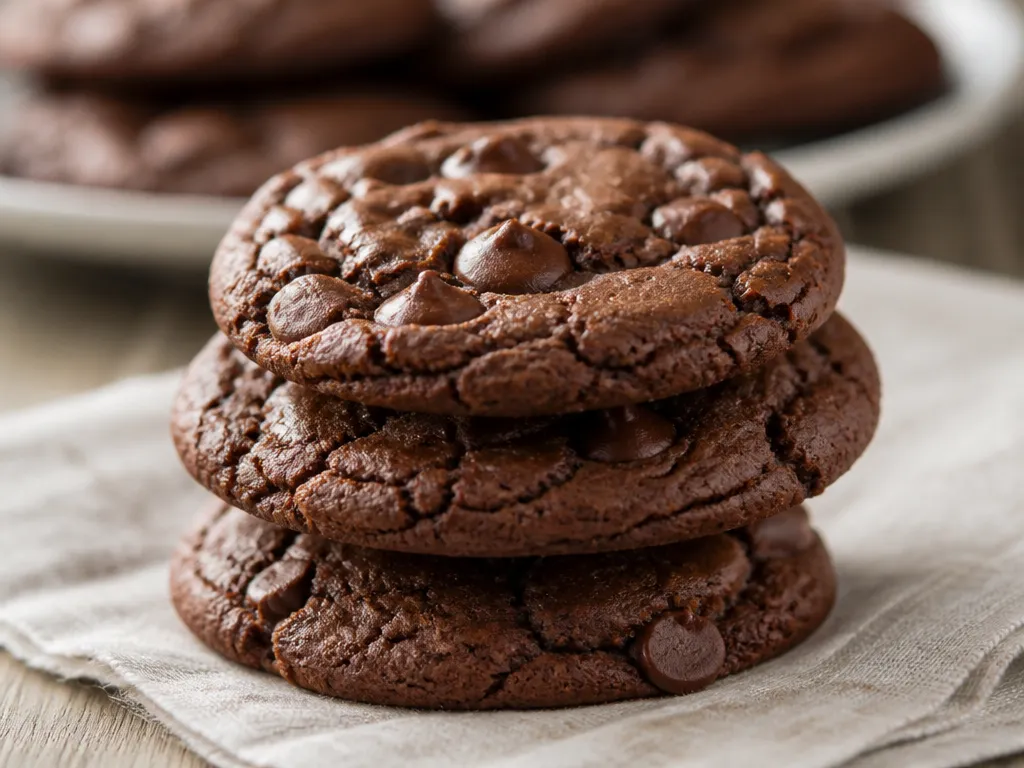
Chewiness is a moisture and structure issue. Baking drives water out of the dough and sets its starches. If the cookies lose too much water or bake until the starches form a firm, dry structure, they become crisp. Chewy cookies either start with more retained moisture, spend less time in the oven, or use both approaches.
Sugar does more than sweeten the dough. Brown sugar contains molasses, which adds moisture and acidity and delays the dry set that makes cookies crisp. Recipes built around brown sugar and a controlled amount of flour therefore tend to stay chewy after cooling.
Mixing and dough handling affect texture too. Overmixing develops more gluten, which can make cookies tough and tight. That texture can feel chewy, but it is different from the moist, tender chew most people want.
The Five Factors That Control Chew
- Sugar type controls moisture. Brown sugar helps cookies retain more moisture than white sugar, making them more likely to stay soft and chewy.
- Baking time matters more than small temperature changes. A minute or two can determine whether the center stays tender. Many chewy-cookie failures happen because the tray remains in the oven after the edges look done.
- Flour amount and measuring method matter. Packed or heavily scooped flour raises the total amount in the dough and absorbs more water. Less available water means drier cookies.
- Fat choice changes spread and texture. Butter provides flavor, but cookies made with a higher proportion of shortening often stay chewy longer because shortening behaves more consistently at room temperature.
- Resting and chilling improve consistency. Chilling thickens the dough and firms the fat, which reduces excessive spread. Less spread usually produces a taller cookie with a more tender interior.
How to Bake Chewy Chocolate Cookies Reliably
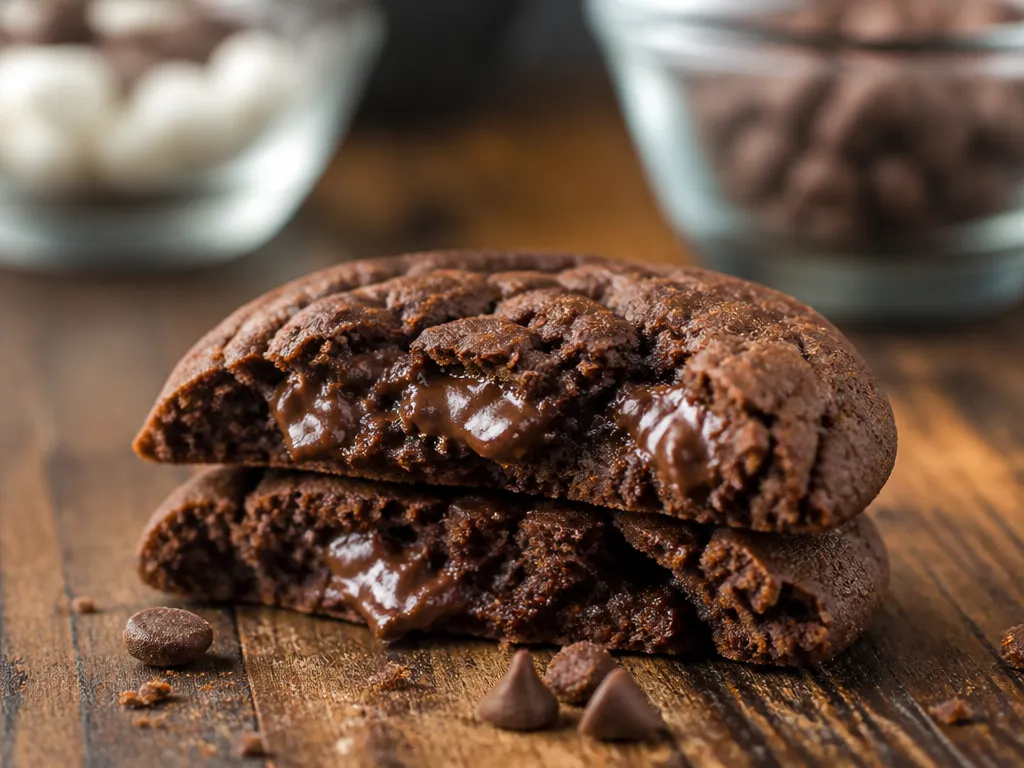
Use visual cues instead of relying on the timer alone. Chewy cookies usually come out when the edges look slightly set and the centers still look soft or a little underbaked. If the middle looks dry and fully cooked in the oven, the cookies have probably passed their best chew point.
Bake batches with consistent dough temperature. A tray of cold dough and a tray of warmer dough will spread, brown, and finish at different rates. If you chill the dough, follow the recipe’s instructions for bringing it back toward room temperature, and handle every batch the same way.
Chilling does more than make the dough easier to handle. It gives the flour time to hydrate and firms the fat, reducing excessive spread. Thin cookies dry out faster in the oven and during cooling, so they usually lose chew.
For dependable texture, use a blend of brown and white sugar. Brown sugar supplies moisture and a deeper flavor, while white sugar helps with spread and crisp edges. Using all brown sugar can make cookies moister, but it can also give them a darker, deeper flavor than some people expect.

Helpful pick
Christie Cookie Co., Chocolate Chip Cookies, Chocolate Chunk, 8ct (Sold Frozen)
These premium chocolate chunk cookies are sold frozen, allowing you to bake them to your preferred level of soft-centered, chewy perfection.
Why Chewy Cookies Hold Their Texture Better
A properly chewy cookie has a soft center that continues to feel pleasant after cooling. Crisp cookies begin with less moisture, so they can become stale quickly as they dry further.
Chew also limits crumbling and gives the cookie a softer, more cohesive bite. That texture often holds up better over the next several days, which is usually the real goal when people try to make cookies chewy.
A tender cookie also handles mix-ins well. Chocolate chips and chunks add weight and texture without making the whole cookie feel rigid, provided the dough has enough moisture and the flour stays balanced.
How to Fix Cookies That Are Crisp, Cakey, or Tough
The right adjustment depends on the texture you are getting now.
If your cookies are too crisp, try:
- Increasing the brown sugar, or using more brown sugar than white sugar.
- Reducing bake time by 1-2 minutes and using soft-center cues.
- Slightly reducing the flour or improving how you measure it.
If your cookies are cakey or bready, try:
- Avoiding overmixing.
- Checking that you are not adding too much leavening.
- Chilling the dough longer so it can develop structure without puffing as much.
If your cookies are hard or tough, try:
- Underbaking slightly and cooling them on the tray first.
- Replacing some butter with shortening, or using a recipe designed for chewy cookies.
- Reviewing the mixing time, since overdeveloped gluten can make chew feel tight and unpleasant.
If you want chew that lasts longer, consider:
- Using more brown sugar for a higher-moisture dough.
- Balancing the fat so the cookies stay soft after cooling.
- Storing the cookies in an airtight container to limit moisture loss.

Helpful pick
Betty Crocker Chocolate Chip Cookie Mix, Makes 12 Cookies, 7.5 oz, 9 Pack
This convenient mix is a great starting point if you want to experiment with adjusting brown sugar ratios to fix crisp cookies.
Techniques That Make Chew More Consistent
Cooling is part of the bake. Move cookies only after the centers are no longer liquid and the cookies can hold their shape. Transfer them too early and they may break, while steam escapes before the structure has a chance to settle.
Keep dough portions uniform. Uneven dough balls bake at different rates, and a larger cookie needs more time. Equal portions let you find the right pull time and apply it consistently across the tray.
What Common Chewy-Cookie Problems Look Like
A chewy-style recipe can still produce crisp cookies if you bake until the center looks completely firm. The edges may look correct, but the center has lost enough moisture to turn crunchy as it cools. The recipe was not necessarily missing chew; the cookies were baked past the point where the center could stay tender.
For a hands-on test, bake one tray exactly as the recipe instructs and a second tray 1-2 minutes less. Compare the centers after cooling. Once you find your preferred pull time, chewy results become much easier to repeat.

Helpful pick
CHIPS AHOY! Big Chewy Chocolate Chip Cookies, Chocolatey Brownie, 14 Packs
If your homemade batches turn out too crisp, these big chewy brownie-style cookies offer the soft, moist texture you are likely craving.
FAQ
Why did my chocolate cookies turn crisp instead of chewy?
Overbaking is the most common cause. Pull the cookies when the edges look set but the centers still look soft, because the centers continue cooking as the cookies cool on the tray. Over-flouring is the second common cause, especially when flour is scooped and packed into a measuring cup.
How long do I need to bake chewy chocolate cookies?
Bake until the edges are set and the centers still look slightly underbaked, then leave the cookies on the hot tray before moving them. Many chewy cookies require shortening the bake time by 1-2 minutes compared with cookies that are golden and firm throughout, but the exact timing depends on your oven and dough size.
What ingredient makes chocolate cookies chewy?
Brown sugar is the biggest single ingredient lever because its molasses adds moisture and delays the drying that creates crisp cookies. Flour amount and fat balance matter too, but brown sugar is usually the most noticeable change when you are trying to increase chew.
How do I store cookies so they stay chewy?
Store fully cooled cookies in an airtight container. If your kitchen is dry, add a slice of bread to the container for a few hours, then remove it. The bread can help reintroduce moisture. Leaving cookies uncovered allows them to lose water and become crisper.
Can I make chewy cookies without chilling the dough?
Yes, but chilling helps control spread and improves consistency. If you skip chilling, keep the portions uniform and adjust the bake time if needed because warmer dough spreads more and dries faster. Cookies that spread thin will usually bake up less chewy.
Measure the flour carefully, use brown sugar, and stop baking when the centers still look soft rather than fully dry. For one simple test, pull the first tray 1 minute earlier than you think you should and check the texture after cooling.
Disclosure: As an Amazon Associate, I may earn from qualifying purchases at no extra cost to you. Amazon and the Amazon logo are trademarks of Amazon.com, Inc, or its affiliates.
