
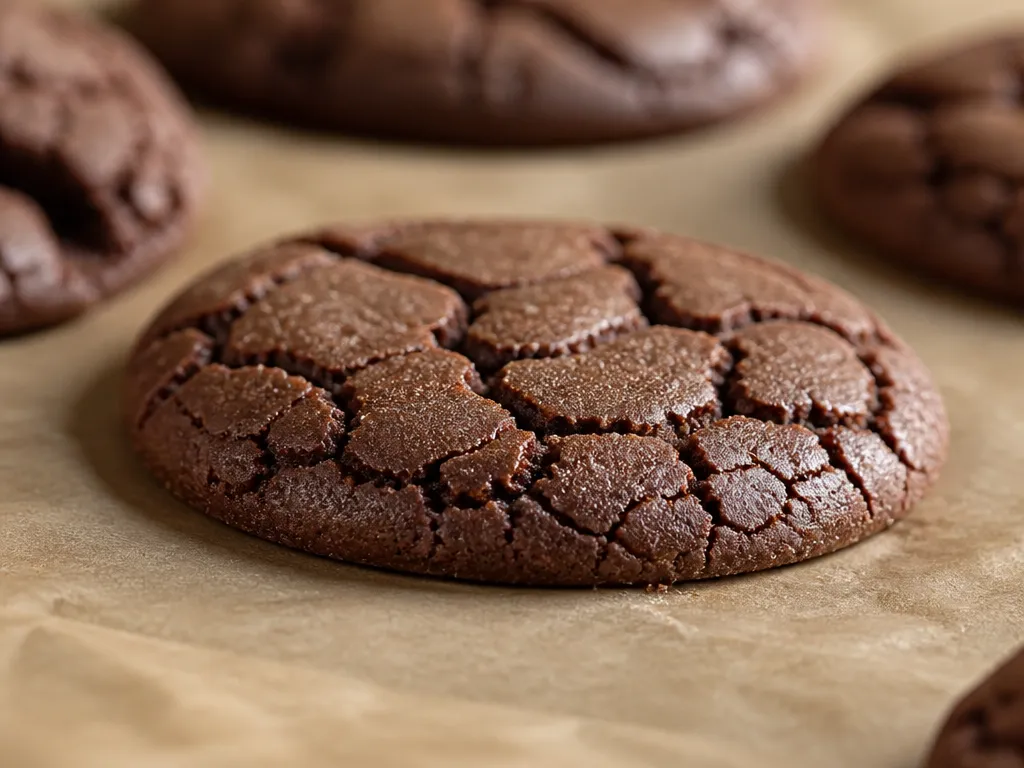
Chocolate cookie tops crack because the outer surface sets faster than the center can fully expand, then steam and gas push up and split that forming crust. If you see those “crinkle” lines on chocolate cookies, you are usually looking at a heat-and-structure timing issue more than a ruined-batch issue. This guide explains why do chocolate cookies crack (and how to control it) using practical adjustments you can make in your next bake.
Chocolate cookies crack on top because the surface dries and sets before the center finishes rising, creating tension as steam and leavening gas expand underneath. High oven heat, dry dough, too much flour, or too much leavening can worsen it. In many styles, cracking is also normal and even desirable.
Key Takeaways
- Surface sets first. The top crust forms before the center expands, so steam and gas split it.
- Heat drives cracking. Higher oven heat makes the top dry faster and encourages stronger fissures.
- Dough hydration matters. Too-dry or crumbly dough spreads differently and often cracks more.
- Leavening can be excessive. Too much baking soda or baking powder creates extra gas pressure under the crust.
- Sugar type affects texture. Granulated sugar can produce sharper crack patterns than powdered sugar.
- Chill changes spread. Dough that is too warm or too dry behaves differently; aim for consistent dough temperature.
What to Know About why do chocolate cookies crack
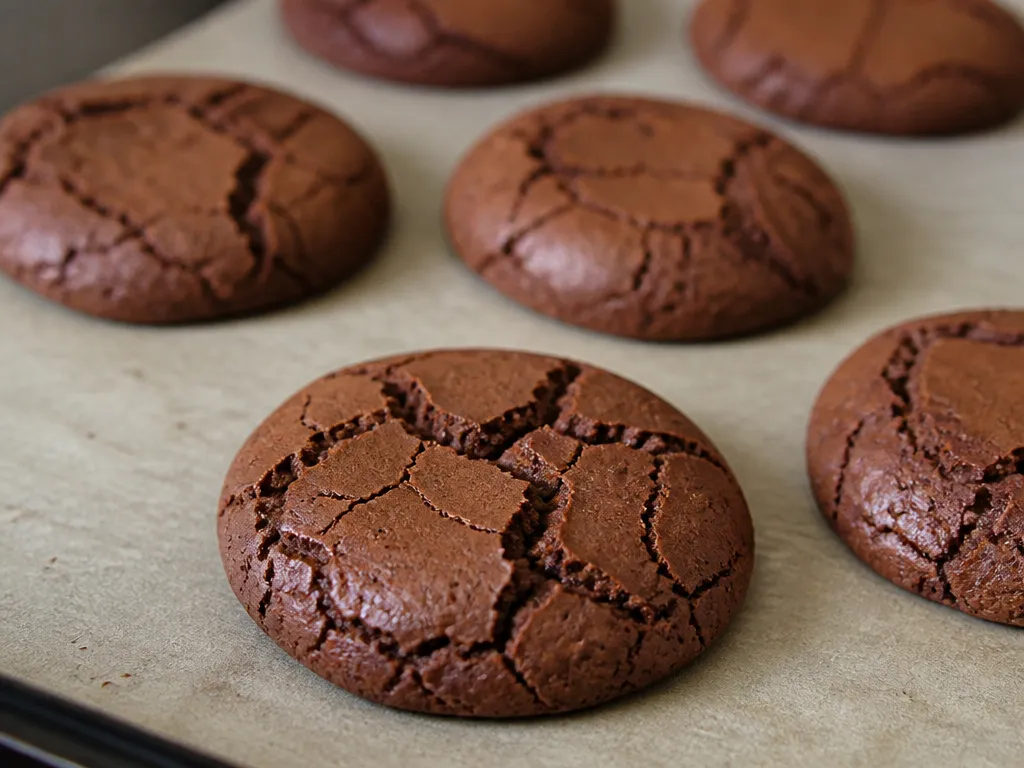
Chocolate cookie tops crack because the outer layer turns into a dry skin earlier than the dough underneath. When butter melts and water becomes steam, and leaveners release gas, pressure builds upward against a surface that is already starting to set. That mismatch creates tension, and the crust breaks into cracks.
In other words, cracking is usually a timing problem between “surface setting” and “interior expansion.” It can show up as a light web of lines (sometimes desirable) or deeper splits (often from heat, dryness, or ingredient imbalance). For chocolate cookies specifically, the way sugar and fat combine and how quickly the dough loses surface moisture can make cracking easier to trigger.
The “crack level” also depends on what kind of cookie you mean. A crinkle cookie recipe is designed to fracture, while a typical chocolate chip-style drop cookie usually wants a smoother dome. The same physical mechanism happens in both, but the recipe targets it differently.

Helpful pick
Pepperidge Farm Soft Baked Dark Chocolate Cookies, 8.6 Oz
Enjoy the perfect texture with these soft baked dark chocolate cookies that offer a delicious, consistent bite.
Things that matter most
Hot ovens accelerate surface drying, and that makes fissures more pronounced. If your oven runs hot or you bake on a hot dark pan, cracking becomes harder to avoid.
Flour amount and dough moisture are the next biggest levers. If your dough is dry, it spreads and fractures differently, and you end up with a tougher surface that can split. If your dough is too warm, the cookie may spread too far and thin the top layer, which also encourages cracking lines to appear.
Leavening matters because it changes gas pressure under the crust. Too much baking soda or baking powder can generate more gas than the dough can accommodate before the top sets. The result is a higher push from inside, which exaggerates cracks.
Sugar type and sugar distribution also influence the final look. Granulated sugar forms coarser crystals, which can encourage sharper crack patterns because the sugar layer can melt and then re-solidify as it cools. Powdered sugar can give a smoother, different surface behavior and often less dramatic cracking.
💡 Explore deeper philosophical perspectives on what truly matters most in life through these insightful and moving essays. Things That Matter Most: Essays on Home, Friendship, and Love.
Tips for why do chocolate cookies crack
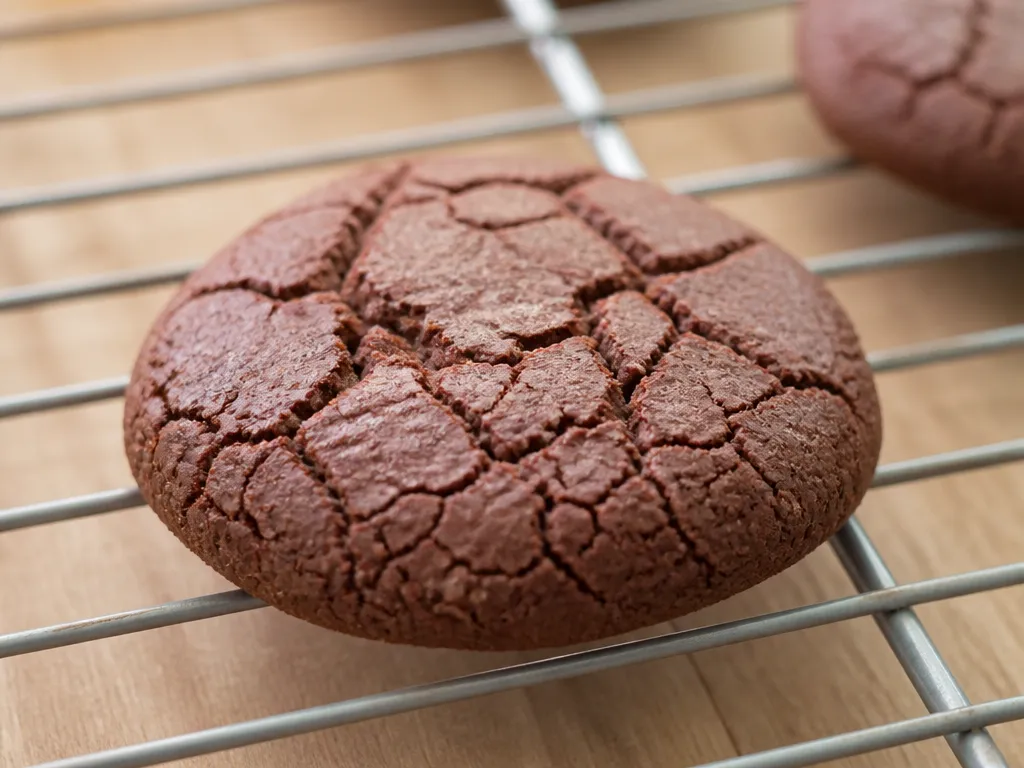
Start by choosing your goal: “I want crackle” versus “I want a smoother top.” If you want fewer cracks, your job is to slow surface setting, improve dough hydration, and reduce excess gas pressure.
Use these adjustments in your next batch:
- Measure flour by weight. If you scoop, you can accidentally add too much flour, which dries dough and increases cracking.
- Check oven temperature. Preheat fully, and if you can, use an oven thermometer because hot ovens dry the top too quickly.
- Avoid over-leavening. Keep baking soda and baking powder exactly to the recipe amount; extra can increase pressure and split tops.
- Adjust dough moisture. If dough looks crumbly, add a small amount of moisture (common fixes include extra egg yolk or a bit more butter, but keep changes modest).
- Control dough temperature. Let dough rest or chill as the recipe says. Warm dough spreads fast, while overly dry chilled dough can behave unexpectedly.
- Use the sugar the recipe intends. If the recipe calls for granulated sugar, don’t swap in powdered sugar unless you want a different surface texture.
- Space cookies evenly. Crowding reduces airflow and can change how quickly tops dry across the sheet.
- Don’t overbake. Longer baking dries the surface more, and that can turn fine cracks into deeper splits.
In practice, the fastest way to diagnose is to look at your cookie’s shape. If cookies spread a lot before cracks form, your dough is likely too warm or the pan or oven is too hot. If cookies barely spread and still crack, the dough may be too dry, or you may be over-leavening or drying the surface too aggressively with heat.
If you want crackly tops, lean into the mechanism rather than fighting it. Bake at the recipe’s intended temperature, use granulated sugar when specified, and give the dough the hydration level the recipe expects.
Benefits of why do chocolate cookies crack
Cracked tops are often a sign that your cookies are doing the “right” structural thing: the interior is creating steam and gas while the surface sets in time to fracture. In many chocolate cookie styles, that fracture pattern is the aesthetic, and it comes with a desirable texture contrast.
A crackled top usually means you have a slightly drier, crisp surface layer. Underneath, the cookie can stay softer because the center continues to expand after the top skins over. That contrast is why crackle cookies can feel crisp on top and tender inside.
Cracks can also be an indirect cue that your dough and oven heat are reaching a reliable stage transition. Once you dial in hydration, sugar type, and bake temperature, the crack pattern becomes repeatable from batch to batch.
Finally, cracking can indicate that leaveners and moisture are interacting normally during baking. If the cookie rises and then splits, the leavening is doing its job. The goal is balance, because excessive cracks can turn from “crinkle charm” into “dry and over-pressurized.”

Helpful pick
Pepperidge Farm Nantucket Double Dark Chocolate Chunk Cookies, 7.75 Oz Bag
These double dark chocolate chunk cookies provide the beautiful, rich aesthetic that many chocolate cookie lovers crave.
Options for why do chocolate cookies crack
You have three realistic options depending on whether you want to reduce cracks, increase them, or just make them more consistent.
Option 1: Reduce cracking (smooth dome)
If your target is a smoother top, focus on slowing top-set and improving dough cohesion. You do this by keeping dough hydration correct, avoiding too much leavening, and baking at a controlled temperature.
Here are the most effective swaps and adjustments:
- Use the recipe’s exact flour amount, preferably weighed.
- Confirm oven temperature with a thermometer.
- Keep baking soda and baking powder at the specified quantity.
- Let the dough rest/chill exactly as directed.
Option 2: Encourage crackle (intentional fissures)
If your goal is a crackly chocolate cookie look, you want the surface to set quickly enough to fracture but not so quickly that the cookie becomes dry. Sugar choice, heat level, and dough temperature become your main controls.
To encourage crackle:
- Stick to granulated sugar if the recipe uses it.
- Bake at the specified higher heat for the style.
- Maintain correct dough moisture so the interior expands properly.
- Use the intended mixing and resting method so the dough has consistent structure.
Option 3: Make cracking more consistent
If your cracks vary from batch to batch, treat it like a process control problem. Measure ingredients accurately, standardize dough temperature at the time of baking, and keep sheet pans and spacing consistent.
Consistency wins because the crack pattern is sensitive to small changes in flour, oven heat, and dough hydration. Once those stabilize, your “random” crack lines often become predictable.

Helpful pick
PEPPERIDGE FARM THIN & CRISPY Farmhouse Thin & Crispy Milk Chocolate Chip Cookies, 6.9 oz. Bag, (Pack of 1), 200140004810
If you prefer a thin and crispy texture over a cracked top, these milk chocolate chip cookies are ideal.
Expert Advice on why do chocolate cookies crack
When I troubleshoot cracked cookie tops in a home oven, I treat it like a three-part system: structure (dough hydration and flour), pressure (leavening and steam), and timing (oven heat and surface setting).
First, validate your structure. Too much flour or improper mixing can leave you with dough that is effectively “dry” in behavior, even if it doesn’t seem dry to the touch. That dry structure sets differently and can crack more aggressively.
Second, validate your pressure. Excess leavening increases gas generation, which pushes upward as the surface sets. If you measured from a canister and someone swapped baking powder for baking soda (or doubled the amount), cracks can jump a lot.
Third, validate timing. Oven temperature is the most common home-variable. Even a few degrees can change how fast the top dries into a skin. If your cookies crack earlier and deeper than you expect, assume your oven runs hot until you prove otherwise.
A quick sanity check before you bake your next batch: watch the first few minutes. If the top already looks set while the cookie is still spreading, heat and surface drying are ahead of interior expansion. If the cookie spreads too much, the dough may be too warm, and the top layer gets thin and fractures.
💡 Learn how to focus on the twenty things that matter most to lead and bake with excellence. What Great Principals Do Differently: Twenty Things That Matter Most.
why do chocolate cookies crack?
For example, imagine you follow a chocolate chip recipe but scoop flour loosely from the bag. The dough ends up drier than intended, so it spreads more and the surface layer sets with less flexibility. When steam and leavening gas push up, the top splits into visible cracks.
For instance, suppose you accidentally use extra baking powder because you “round up” the teaspoon. The cookie creates more internal gas than the dough can cushion before the top crust forms. You pull the tray and see deeper fissures and a more aggressive crack pattern than usual.
In practice, changing oven behavior can explain “why it only cracks on one side” too. If your oven has a hot spot or your pan sits closer to the heating element, the surface in that area sets faster. Those cookies often crack more strongly on the hotter side because the tension forms unevenly.
As another concrete scenario, if your dough is very cold, it can spread less and stay thicker. A thicker cookie can trap steam and pressure under a surface that still dries quickly, which can produce cracks even without dramatic spreading. Consistency comes from hitting the same dough temperature every bake.
If you want a smoother dome, take the opposite approach in those scenarios: weigh flour, keep leaveners exact, and verify oven temperature. If you want crackle, keep flour and leaveners correct too, but lean into granulated sugar and baking temperature as the recipe specifies.
FAQ
Why do chocolate cookies crack on top even when I follow the recipe?
Cracks often happen when the surface sets before the center finishes expanding. High oven heat, flour amount (especially if measured by volume), or leavening that’s slightly off can make fissures more obvious. Many crack patterns are normal, especially for chocolate “crinkle” styles.
Does overmixing cause chocolate cookies to crack?
Overmixing can change cookie structure by developing gluten, which can affect how the dough spreads and how the surface sets. If your dough ends up drier or stiffer than intended, cracking may increase. The safer move is to mix until the dry ingredients are just incorporated, like most chocolate cookie recipes instruct.
How can I stop cookies from cracking on top?
Reduce variables that speed up surface setting and increase internal pressure. Measure flour accurately, confirm oven temperature with a thermometer, and keep baking soda and baking powder at the recipe amounts. Also follow the specified dough rest or chill time so dough temperature is consistent.
Can I make chocolate cookies crack more on purpose?
Yes, by targeting the same surface-setting and interior-expansion balance the recipe intends. Use granulated sugar if your recipe calls for it, maintain correct dough hydration, and bake at the stated temperature. Avoid overbaking because extra drying can turn “crackle” into dryness.
Are cracked tops safe, or do cracks mean the cookies are undercooked?
Cracks themselves do not automatically mean undercooking. If the cookie edges are set and the centers are baked to the recipe’s doneness, the cracking is usually just a structural fracture pattern. If the centers look raw or glossy, bake longer, but don’t keep baking until the surface is overly dry.
Disclosure: As an Amazon Associate, I may earn from qualifying purchases at no extra cost to you. Amazon and the Amazon logo are trademarks of Amazon.com, Inc, or its affiliates.
