
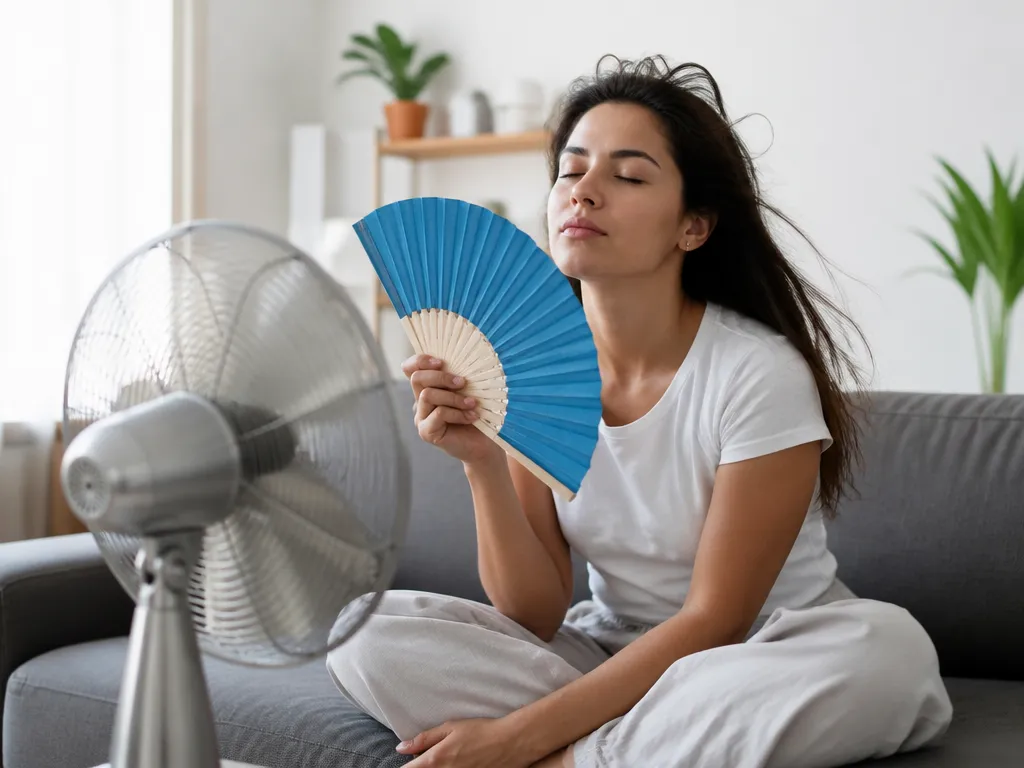
Managing indoor temperatures during a heatwave requires blocking external heat gain and maximizing natural airflow before relying on energy-intensive cooling. When outdoor temperatures climb above 90 degrees Fahrenheit, your primary goal shifts from cooling your home to preventing the interior from absorbing solar radiation. By controlling your environment through passive techniques, you can maintain a habitable space without facing a massive spike in your monthly electricity bill.
Cheap ways to stay cool indoors during a heatwave rely on three core principles: blocking direct sunlight, creating cross-ventilation during cooler hours, and using evaporative cooling tricks to lower your personal body temperature. Blocking windows with blackout curtains can reduce heat gain by up to 33 percent, while proper fan placement can drop the perceived temperature in a room by several degrees through wind-chill effects.
Key Takeaways
- Block solar gain. Close all curtains, blinds, and shades on the sun-facing side of your home during the peak heat of the day.
- Master cross-ventilation. Open windows on opposite sides of your home only when the outside air temperature drops below your indoor temperature.
- Use fans strategically. Position fans to pull cool air in at night and exhaust hot air near the ceiling during the day.
- Manage humidity levels. Minimize moisture-producing activities like cooking on the stove or using a clothes dryer during the hottest afternoon hours.
- Hydrate and cool pulses. Keep your core body temperature down by drinking cold water and applying damp cloths to pulse points.
- Optimize appliance usage. Turn off unnecessary lights, computers, and televisions, as these devices radiate heat into your living environment.
What to Know About cheap ways to stay cool indoor
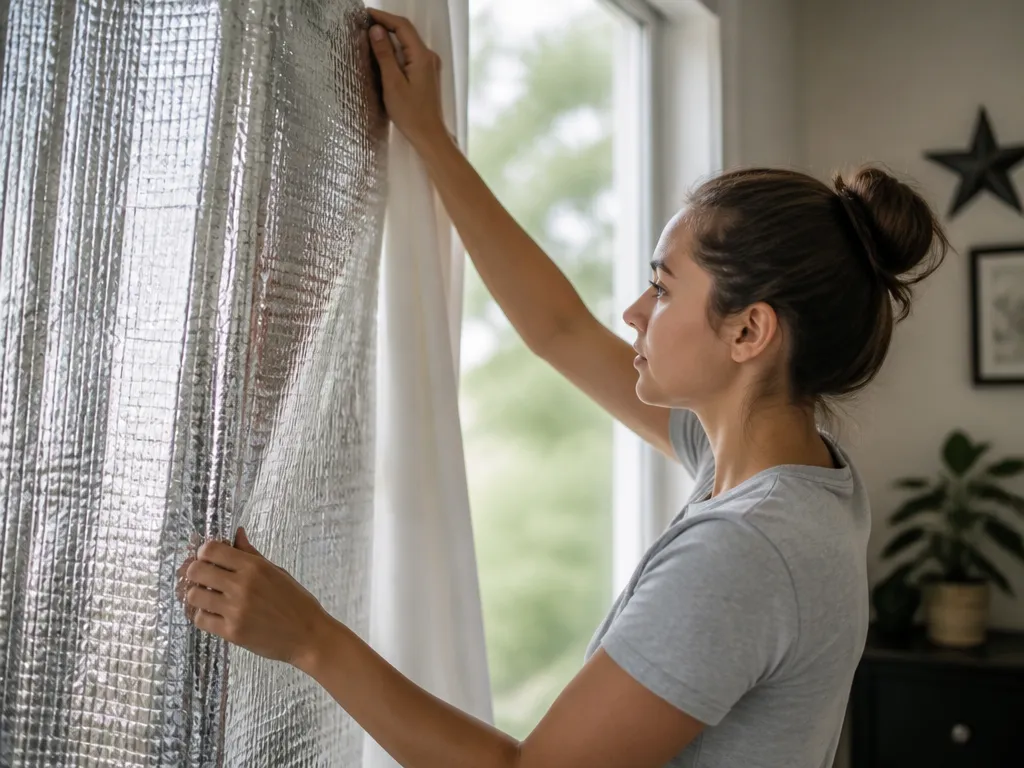
Thermal regulation in a residential space is a battle against heat transfer. Heat enters your home primarily through windows and roof surfaces, accumulating throughout the day and radiating back into your rooms long after the sun has set. Understanding that your home acts as a thermal battery is the first step toward effective cooling. Once your walls and furniture absorb heat, they release it steadily, which is why a house feels hot even when the outdoor temperature drops at night.
Exclusive Amazon Early Sales & Discounts!
Save big with limited-time price drops across top-rated kitchen essentials, tools, auto parts, and accessories on Amazon.
⚡ Shop Prime Big Deal DaysEffective cooling strategies focus on interrupting this cycle of absorption and release. You do not need expensive HVAC upgrades to see a difference in your comfort levels. By focusing on physical barriers to solar radiation and leveraging the natural cooling capacity of night air, you can keep the interior temperature significantly lower than the outdoor peak. This approach requires consistent monitoring of the weather and intentional changes to your daily routine during heat events.
Things that matter most
Preparation is the most cost-effective tool you have for surviving a heatwave. If you wait until your home is already sweltering to start cooling, you are playing catch-up against the thermal mass of your building materials. Start your cooling routine in the early morning hours when the air is at its crispest. By “charging” your home with cool air before the sun rises, you create a thermal buffer that lasts well into the early afternoon.
Focusing on the movement of air is equally important. Many people run fans in a way that simply churns warm air around, which does little to actually reduce the temperature. To be effective, a fan must be part of a larger plan to exhaust hot air or bring in cool air from outside. Furthermore, keep in mind that fans cool people, not rooms. Running a fan in an empty room is a waste of electricity and provides no benefit to your overall comfort.
💡 Prioritize your cooling strategy with this essential guide to help you focus on the most effective preparations for a heatwave. The Things That Matter Most.
Tips for cheap ways to stay cool indoor
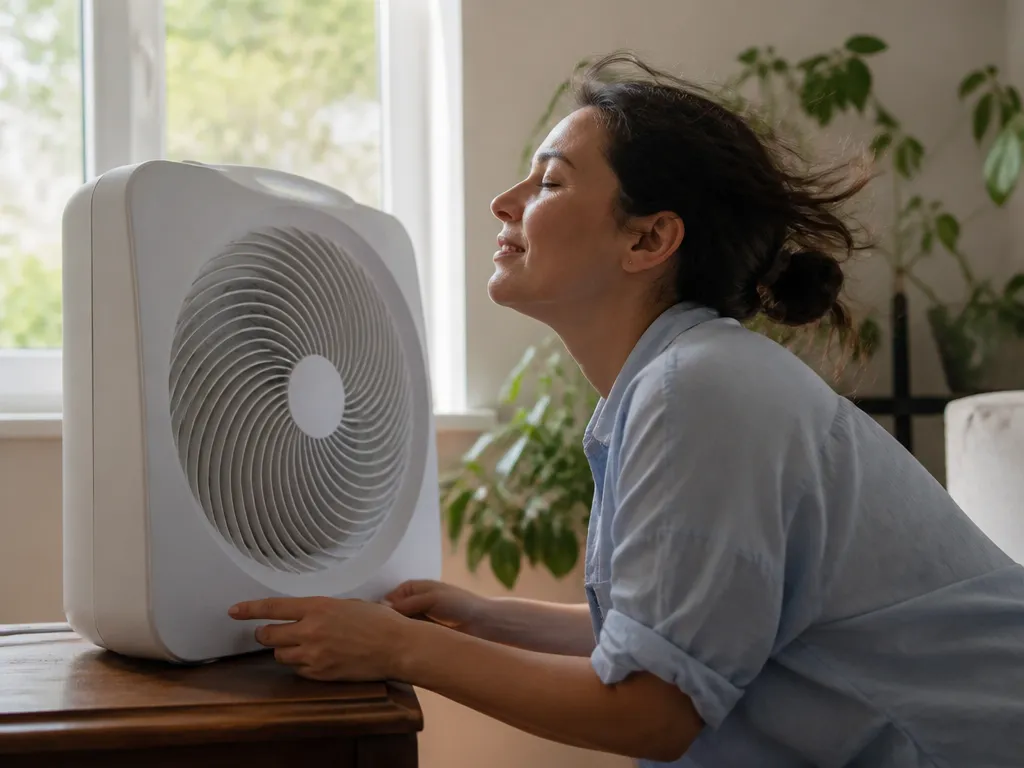
Creating a comfortable indoor environment starts with the windows. During the day, keep every window that receives direct sunlight covered. If you do not have professional blackout curtains, even thick blankets or cardboard taped over the glass can make a measurable difference in reducing the temperature of a room. This simple step prevents the greenhouse effect from turning your home into a furnace.
At night, shift your strategy to active ventilation. Once the outside temperature falls below the temperature inside, open windows on opposite sides of your home to encourage a cross-breeze. If you have a box fan, place it in an upstairs window facing outward to pull hot air out of the building. This creates negative pressure that draws cooler air in through lower-level windows on the shaded side of your home.

Helpful pick
Neck Cooling Tube 70% Gel Increase Ice Cooler Ring Wearable Neck Wraps
When keeping windows covered, stay cool personally by wearing this gel-filled neck cooling ring for immediate relief from rising indoor temperatures.
Benefits of cheap ways to stay cool indoor
The most obvious benefit of these low-cost strategies is the reduction in your energy expenditure. Air conditioning units are the largest consumers of electricity in most American homes during the summer months. By using passive cooling techniques, you decrease the load on your cooling system, which extends the lifespan of your equipment and prevents the mechanical strain that leads to expensive repair bills.
Beyond the financial savings, these methods offer a layer of reliability that mechanical systems cannot match. Heatwaves often coincide with grid stress, leading to rolling blackouts or equipment failure. If your home is already optimized for passive cooling, you remain comfortable even if the power grid fails. You gain a sense of control over your environment that is not dependent on the availability of electricity or the performance of a compressor.
Options for cheap ways to stay cool indoor
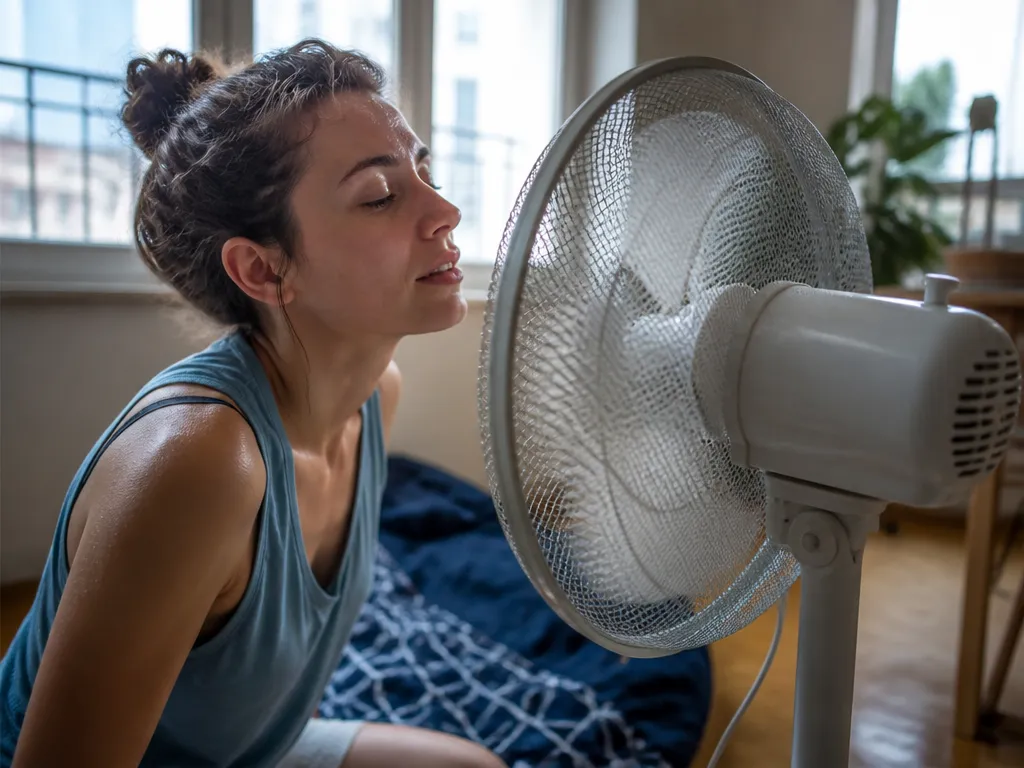
You have several options for managing heat, ranging from behavioral changes to simple hardware hacks. Behavioral changes involve adjusting your lifestyle to accommodate the weather, such as cooking outside or using a microwave instead of an oven. Since ovens can raise the temperature of a kitchen by several degrees, switching to cold meals or outdoor grilling keeps the heat outside where it belongs.
Hardware options include basic items you likely already own or can purchase for very little money. A simple spray bottle filled with water allows you to mist your skin, providing immediate relief through evaporative cooling. When combined with the airflow from a fan, this creates a cooling effect similar to a swamp cooler. Table 1 below outlines some of the most effective low-cost tools for temperature management.
| Tool | Primary Function | Best For |
|---|---|---|
| Box Fan | Air circulation | Pushing hot air out of windows |
| Blackout Curtains | Insulation | Blocking solar radiation |
| Spray Bottle | Personal cooling | Immediate skin-temperature relief |
| LED Bulbs | Heat reduction | Replacing incandescent heat sources |
| Window Film | Solar reflection | Permanent heat gain prevention |
Expert Advice on cheap ways to stay cool indoor
Professional building managers often emphasize the importance of air sealing. Even if you have the best curtains in the world, air leaks around door frames and window sashes allow hot air to infiltrate your living space. Use simple foam weatherstripping or temporary tape to seal these gaps during a severe heatwave. This prevents the “leakage” of cool air you have worked so hard to maintain.
Another piece of advice is to manage your internal moisture. High humidity makes high temperatures feel significantly more oppressive because your sweat cannot evaporate from your skin efficiently. Avoid long, hot showers during the heat of the day, and ensure your bathroom exhaust fan is running if you must use hot water. By keeping your indoor humidity levels low, you allow your body’s natural cooling mechanism to function as intended.
Helpful pick
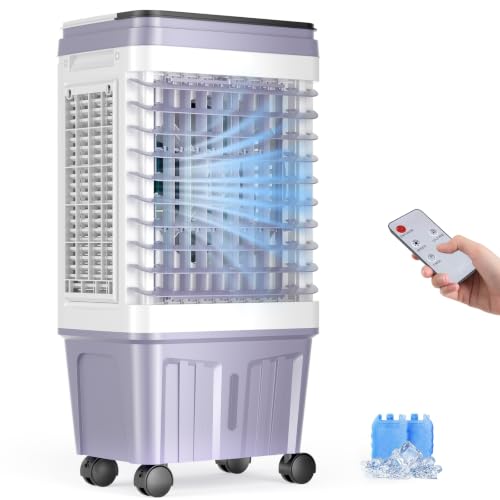
Portable Air Conditioner, 3000 CFM Swamp Cooler & Evaporative Air Cooler
If air sealing isn’t enough to stop the heat, this portable evaporative air cooler provides an efficient way to lower your room temperature.
Examples: cheap ways to stay cool indoor
In practice, a well-managed heatwave strategy looks like a daily rhythm of opening and closing. For instance, at 6:00 AM, you open all windows and turn on exhaust fans to flush out the heat accumulated from the previous day. By 9:00 AM, you close all windows and draw the curtains tight to lock in the morning freshness. You spend the day in the coolest part of the house, perhaps the basement or a north-facing room, with minimal lighting.
Another example involves using a DIY evaporative cooling station. Place a shallow bowl of ice water in front of a standard desk fan. As the air passes over the ice, it picks up moisture and cools down before reaching you. While this does not cool the entire house, it creates a “micro-climate” that keeps you comfortable while you work or sleep. This is particularly effective in dry climates where evaporation happens quickly.

Helpful pick
Bedsure Cooling Mat for Large Dogs,Washable Breathable QMax>0.4 Cool Fiber
Keep your pets comfortable while you manage your home’s daily cooling rhythm with this breathable, cooling mat designed for large dogs.
Bottom line
Maintaining a comfortable home during a heatwave starts with controlling solar gain. By blocking windows with heavy curtains or reflective film, you prevent the greenhouse effect from raising your indoor temperature. This passive approach is the foundation of any low-cost cooling strategy. Following this, you must master the timing of your ventilation, opening windows only when the external air is cooler than the internal air to effectively cycle out heat.
Active cooling techniques are equally essential for personal comfort. Using fans to facilitate cross-ventilation or creating small-scale evaporative cooling stations provides immediate relief without the high cost of air conditioning. Furthermore, managing internal heat sources like ovens and incandescent lights keeps your overall thermal load low. By combining these passive and active methods, you can maintain a liveable environment while protecting your budget and ensuring your home remains cool even during the most intense summer heat.
💡 Get to the bottom line of home cooling by implementing these passive strategies to maintain a comfortable temperature during extreme heat. The Bottom Line.
FAQ About Cheap Ways To Stay Cool Indoors During Heatwave
Does running a fan actually cool down a room?
No, a fan does not lower the temperature of a room. It cools you down through the wind-chill effect, which helps sweat evaporate from your skin. To actually lower the room temperature, you must use the fan to move hot air out of the building or pull cool air in from outside.
Is it cheaper to leave the AC running or turn it off?
It is cheaper to turn it off or set it to a higher temperature when you are away. Running an air conditioner constantly forces the unit to cycle frequently, which wastes energy. Use your passive cooling methods to keep the heat out during the day so the AC does not have to work as hard.
What is the best way to block heat from windows?
The best cheap method is using blackout curtains or thermal drapes. If you do not have those, white-colored sheets or cardboard placed over the glass can reflect sunlight and prevent heat from entering. The goal is to stop the sun’s rays before they strike your furniture or floors.
How do I lower the humidity in my house without a dehumidifier?
You can lower humidity by minimizing moisture-producing activities. Avoid boiling water, taking long hot showers, or drying clothes indoors during a heatwave. Using your exhaust fans in the kitchen and bathroom is the most effective way to vent moisture outside before it saturates your indoor air.
Can I sleep better during a heatwave without AC?
Yes, you can improve your sleep by cooling your body, not just the air. Try using damp sheets or a cool water bottle in bed, and keep a fan pointed toward you. Sleeping in the lowest level of your home, such as a basement, also provides a natural temperature advantage.
Disclosure: As an Amazon Associate, I may earn from qualifying purchases at no extra cost to you. Amazon and the Amazon logo are trademarks of Amazon.com, Inc, or its affiliates.
