
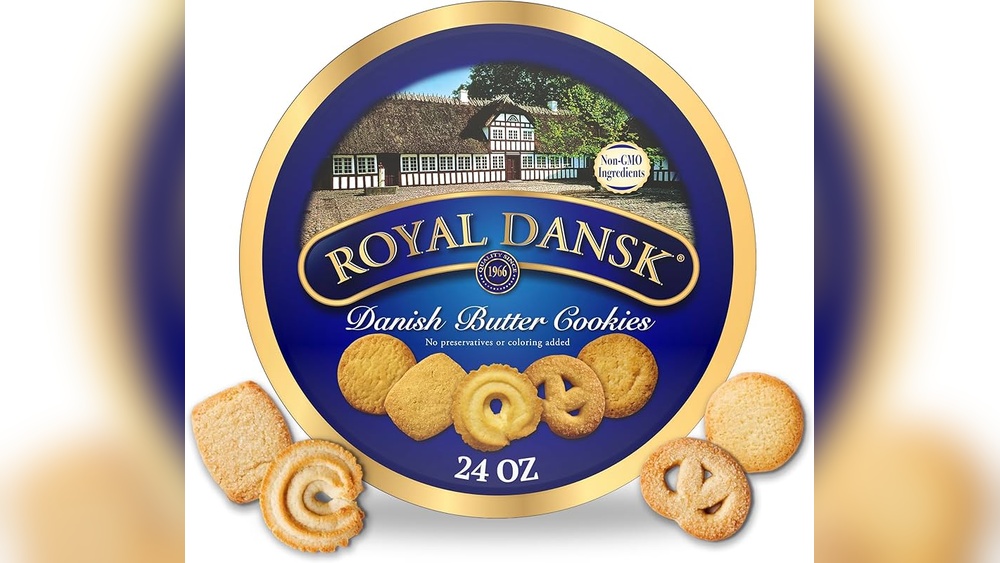
Have you ever opened a blue tin of Danish butter cookies and wondered why they always come in that iconic container? There’s more to these tins than just keeping cookies fresh.
The bright blue color, the classic design, and even the tin itself all have a story behind them. If you’re curious about what makes these cookies so special and why the blue tin has become a symbol you recognize worldwide, keep reading.
You might be surprised by the history and clever reasons that made the blue tin a timeless favorite in your kitchen.
Origins Of Danish Butter Cookies
Danish butter cookies are known worldwide for their rich taste and crisp texture. Their journey began long ago in Denmark, where bakers perfected their craft. The tradition of making these cookies has been passed down through generations. The blue tin packaging became a symbol of quality and heritage.
This section explores the roots of Danish butter cookies. It looks at their history and the traditional ways they are made. Understanding these origins helps explain why they remain so popular today.
History Of Butter Cookies In Denmark
Butter cookies have a long history in Denmark. They date back to the 19th century. At that time, butter was a key ingredient in Danish baking. Farmers used fresh cream from their cows to make butter. This butter gave the cookies a unique, rich flavor.
In the early 1900s, Danish bakers started baking butter cookies on a larger scale. They sold them at local markets and fairs. These cookies became a favorite treat for families. Over time, they gained fame beyond Denmark’s borders.
Traditional Recipes And Baking Methods
The traditional recipe uses simple ingredients: butter, sugar, flour, and sometimes vanilla. The high butter content makes the cookies tender and crumbly. Bakers mix the dough carefully to keep the texture light.
Shaping the cookies is an important step. They are often formed into rings, pretzel shapes, or simple rounds. The cookies bake at a low temperature to prevent burning. This careful baking brings out the buttery aroma and golden color.
These methods have stayed mostly unchanged. They keep the authentic taste alive. Each bite reflects the care and skill of Danish bakers.

Credit: www.walmart.com
The Iconic Blue Tin
The blue tin of Danish butter cookies is famous worldwide. It stands out on shelves and brings a feeling of tradition and quality. Many people associate the blue tin with special moments and holiday celebrations. The tin is not just a container; it is a symbol of Danish heritage.
Its unique design and color make it easy to recognize. This has helped Danish butter cookies become a beloved treat in many countries. The blue tin also protects the cookies, keeping them fresh and crunchy. The story behind this iconic packaging is interesting and shows how design can impact a product’s success.
Design And Color Choice
The blue color was chosen to reflect calmness and trust. Blue is a color often linked to tradition and quality. The deep blue shade contrasts well with the gold and white lettering on the tin. This makes the brand name and images easy to see from afar.
The round shape of the tin adds to its charm. It feels classic and elegant, perfect for gift-giving. The design often includes pictures of the cookies inside. These images help buyers know what to expect. The blue tin’s look has become a strong part of the cookie’s identity.
Evolution Of The Packaging Over Time
The blue tin has changed slightly since it first appeared. Early versions had simpler designs with fewer details. Over time, the artwork became more detailed and colorful. The images of the cookies grew clearer and more inviting.
Despite updates, the tin kept its original blue color and round shape. This consistency helped customers easily recognize the product. Packaging improvements also focused on better sealing methods. These changes keep the cookies fresh longer while preserving the classic look.
The blue tin remains a beloved symbol of Danish butter cookies. It combines beauty, function, and tradition in one package.
Brand Influence On Packaging
The packaging of Danish butter cookies plays a big role in their popularity. Brands use packaging to catch attention and build trust. The blue tin is more than just a container. It is a symbol that many recognize worldwide. This section explores how brands influenced the choice of the blue tin for these cookies.
Role Of Major Danish Cookie Brands
Leading Danish cookie brands set the standard for packaging. They chose the blue tin to stand out on shelves. This choice helped create a strong brand identity. Consumers began to link the blue tin with quality Danish cookies. The tin also protects the cookies, keeping them fresh longer. This practical feature became part of the brand’s appeal.
Brands also use the tin to show Danish culture. The design often includes traditional Danish images. This connection adds value and authenticity for buyers. The major brands’ consistent use of the blue tin made it a signature look.
Marketing Strategies Behind The Blue Tin
The blue tin serves as a powerful marketing tool. It attracts customers with its bright, calm color. Blue suggests trust and reliability, important qualities for food products. Brands use the tin to create a sense of nostalgia. Many people remember these tins from childhood, creating emotional ties.
Limited edition tins and holiday designs increase sales. They encourage customers to collect or gift the tins. The tin’s durability means customers reuse it, keeping the brand visible. This ongoing presence helps brands maintain customer loyalty and recognition.

Credit: www.royal-dansk.com
Cultural Significance Of The Blue Tin
The blue tin holding Danish butter cookies is more than just packaging. It represents a rich cultural heritage that connects people to Danish history and traditions. The tin’s color and design carry meanings cherished by many. This container is a symbol of warmth, hospitality, and celebration in Denmark.
Through its presence, the blue tin evokes feelings of comfort and joy. It reminds people of shared moments around the table. The tin’s cultural significance goes beyond the cookies inside. It plays a role in Danish customs and special occasions.
Symbolism In Danish Traditions
The blue color of the tin reflects calmness and trust in Danish culture. Blue is often linked to the sea and sky, important to Denmark’s identity as a coastal nation. The tin’s sturdy metal shows care and quality, symbolizing the value Danes place on good craftsmanship.
Giving a blue tin of butter cookies is a sign of kindness and friendship. It is a common gift to show appreciation or welcome guests. The tin acts as a bridge between people, making it a meaningful part of Danish social customs.
Blue Tins In Holiday Celebrations
The blue tin becomes a festive icon during holidays in Denmark. It appears in homes during Christmas and other special times of the year. Families pass the tin around while sharing stories and laughter.
Its presence adds a sense of tradition and continuity to holiday gatherings. The tin’s familiar look brings comfort and happiness to celebrations. It is a small but powerful reminder of Danish roots and togetherness.
Global Popularity And Recognition
Danish butter cookies are loved around the world. Their taste and packaging make them special. The blue tin is a symbol many recognize instantly. It holds a place in homes far from Denmark. This section explores why these cookies gained such global popularity and how the blue tin became a worldwide icon.
Export And International Appeal
Danish butter cookies started as a local treat. Exporting them helped spread their fame. The cookies traveled to many countries by ship and air. People everywhere enjoyed their rich, buttery flavor. The blue tin kept the cookies fresh during long trips. It also made the cookies easy to gift. This practical packaging helped boost their appeal abroad. The cookies became popular during holidays and celebrations worldwide.
How The Blue Tin Became A Worldwide Icon
The blue tin is more than just a container. Its design is bright and inviting. The color blue stands out on store shelves. The tin often shows Danish landmarks or winter scenes. These images connect people to Denmark’s culture. Collectors appreciate the tin’s sturdy and reusable nature. Over time, the blue tin became a symbol of quality. It signals a delicious treat inside. This recognition helped the cookies keep their global charm. The tin is a reminder of tradition and delight.
Sustainability And Modern Packaging Trends
The blue tins that hold Danish butter cookies are not just pretty containers. They reflect a shift toward sustainability and modern packaging trends. These tins are designed with care for the environment. They also keep the cookies fresh and tasty for longer.
Packaging has changed over the years. Consumers want products that are good for the planet. Danish butter cookie makers respond by using materials that are easier to recycle. This helps reduce waste and pollution.
Eco-friendly Initiatives
Danish butter cookie brands use tin because it is reusable and recyclable. Tin cans have a lower carbon footprint than plastic. They can be melted and reshaped without losing quality. This means less waste in landfills.
Brands also focus on reducing packaging size. Smaller tins use less metal and energy to produce. Some companies add eco-labels to show their commitment to sustainability. These steps make the blue tins more eco-friendly.
Future Of Danish Butter Cookie Packaging
The future points to even greener packaging. New coatings on tins can make them easier to recycle. Some brands explore biodegradable liners inside the tins. This keeps cookies fresh and cuts plastic use.
Technology helps create designs that use fewer resources. Sustainable inks and dyes replace harmful chemicals. These trends ensure the iconic blue tins stay friendly to the planet. They keep tradition alive in a modern, responsible way.

Credit: www.amazon.com
Frequently Asked Questions
Why Are Danish Butter Cookies Sold In Blue Tins?
Danish butter cookies come in blue tins to symbolize Denmark’s royal heritage. The blue color represents the Danish flag’s colors. It also helps the brand stand out on store shelves. The tin packaging preserves freshness and adds a collectible appeal.
What Is Special About The Blue Tin Packaging?
The blue tin packaging protects the cookies from moisture and damage. It keeps the cookies fresh for longer periods. The tins are reusable, which adds value for customers. The attractive design also makes them popular as gifts during holidays.
Do Blue Tins Affect The Cookie Quality?
The blue tins do not affect cookie taste or quality. They only help maintain freshness by sealing out air and moisture. The quality depends on the ingredients and baking methods used by the manufacturers.
Are Danish Butter Cookies Always In Blue Tins?
Most traditional Danish butter cookies come in blue tins, but not all. Some brands may use different colored tins or boxes. However, the blue tin remains the iconic and most recognized packaging choice worldwide.
Conclusion About Why Do Danish Butter Cookies Come in Blue Tins
Danish butter cookies in blue tins are more than just treats. The blue tin keeps cookies fresh and protects them during shipping. It also stands out on store shelves, making it easy to find. The tradition began decades ago and continues today because people love the look and feel.
These tins remind many of holiday seasons and happy moments. Next time you see a blue tin, you’ll know the story behind it. A simple design with a rich history. A small detail that makes a big difference.
Disclosure: As an Amazon Associate, I may earn from qualifying purchases at no extra cost to you. Amazon and the Amazon logo are trademarks of Amazon.com, Inc, or its affiliates.
