
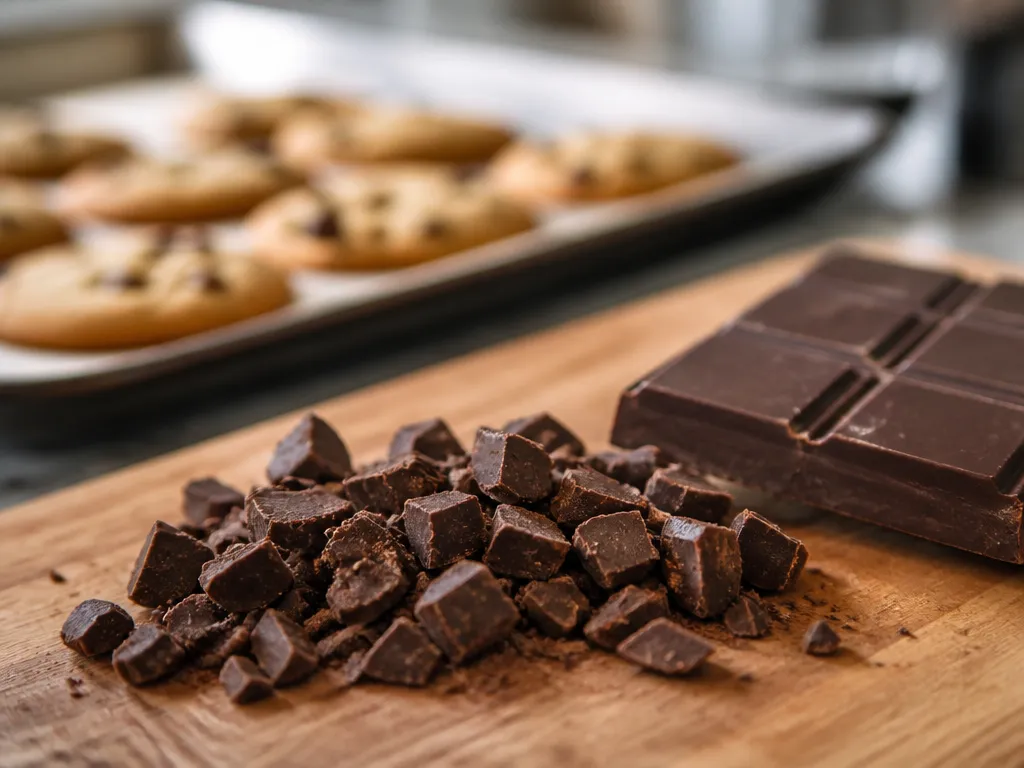
Most chocolate chip cookies turn out best when the chocolate’s sweetness and melting behavior match the dough. Dark, milk, and white chocolate behave differently in the oven, changing both the intensity of the chocolate flavor and whether you get molten pockets or firmer pieces.
Dark chocolate is usually the best choice for bold chocolate flavor and a richer bite. Milk chocolate is the safest pick for a milder, sweeter cookie with a softer melt. White chocolate works best when you want a sweet, creamy cookie with a candy-like character. For the most reliable results in a standard recipe, start with semisweet or dark chocolate chips.
Quick Picks for Chocolate Chip Cookies
- Pick by cocoa level. Dark chocolate has a richer, bolder flavor and melts at a higher temperature than milk and white chocolate.
- Use milk chocolate for easy sweetness. It is mild and sweet, with a lower melting point than dark chocolate.
- Choose white chocolate for a creamy cookie. It is sweet and creamy, with a low melting point and smooth texture.
- Buy chips or chunks based on texture. Chips melt more evenly; chunks create bigger molten pockets and a firmer bite.
- Match the chocolate to the dough. Sturdier dough benefits from dark or bittersweet chocolate, while softer dough pairs well with milk chocolate.
The Best Chocolate Depends on Sweetness and Melt
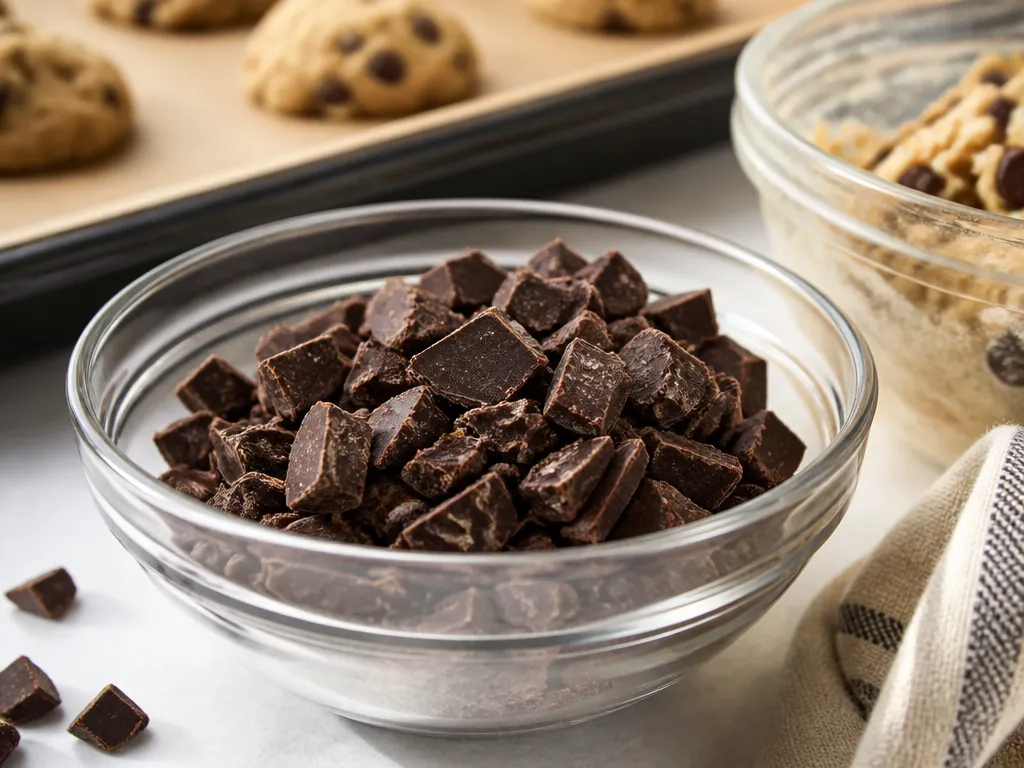
The best chocolate for cookies depends on how sweet you want the finished cookie and how you want the chocolate to behave in hot dough. Dark chocolate has more cocoa solids and less sugar than milk chocolate, giving it a richer, more intense flavor. Milk chocolate is milder and sweeter, making it the classic crowd-pleaser. White chocolate is sweet and creamy, with a gentler flavor profile.
Melting point changes how chocolate spreads inside the cookie. Dark chocolate has a higher melting point in a simple comparison of common varieties, while milk and white chocolate have lower melting points. Lower-melting chocolate integrates more into the dough; higher-melting chocolate tends to hold its shape longer and create more concentrated melted spots.
The chocolate’s format matters, too. Chips are designed to hold their shape during mixing and baking, then melt in a predictable way. Chunks melt more irregularly, creating larger molten pockets and a chunkier bite.
Chocolate Types Compared
Use flavor first, then texture, then consistency when choosing chocolate. The straightforward baseline is dark for bold flavor, milk for easy sweetness, and white for a creamy, gentle profile.
| Chocolate Type | Flavor Profile | Texture | Melting Point |
|---|---|---|---|
| Dark Chocolate | Rich, bold | Smooth, velvety | High |
| Milk Chocolate | Mild, sweet | Soft, delicate | Low |
| White Chocolate | Sweet, creamy | Smooth, velvety | Low |
Cocoa percentage is the usual way to adjust dark chocolate. You do not need to memorize exact percentages, but the direction is simple: higher cocoa means less sugar and a more chocolate-forward cookie. If your cookies taste weak despite containing plenty of chocolate, a sweeter, lower-cocoa chocolate may be getting overwhelmed by brown sugar, flour, and butter.
Cookie dough also changes the result. Thick dough that bakes slowly lets chocolate melt and set differently from thin dough that bakes quickly, so the best chocolate for one cookie shape may not be the best choice for another.

Helpful pick
Pepperidge Farm Tahoe Crispy White Chocolate Macadamia Nut Cookies, 7.2 OZ Bag (8 Cookies)
White chocolate macadamia nut cookies illustrate the creamy, gentle profile of white chocolate for softer, sweeter cookie variations.
How to Match Chocolate to Your Cookie
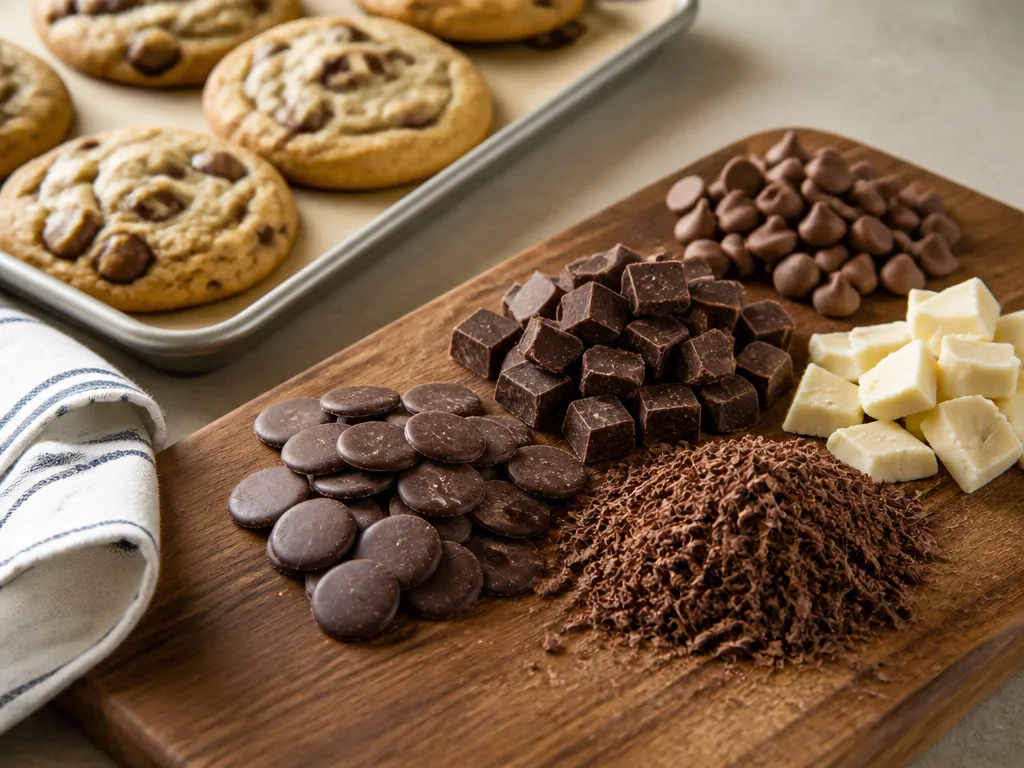
If your cookies were too sweet, move from milk chocolate to semisweet or dark. If they were too bitter or flat, move from dark to milk chocolate. If they lacked a creamy dessert quality, white chocolate is often the better choice.
Choose the format according to the bite you want:
- For an even melt: Use chips.
- For large molten pockets: Use chopped chocolate chunks.
- For mixed texture: Combine semisweet chips with a smaller portion of dark chunks.
Overmixing and adding chocolate too early can coat the dough and affect how the chips melt, especially in very soft dough. Chocolate chips also vary by brand in how well they hold their shape, so test a small batch if you switch brands.
For consistent results:
- Use chocolate you can source consistently. Chips are more reliable than bars cut by hand.
- Chill the dough if the chocolate spreads too much. Thicker dough reduces greasy spread and helps the chocolate stay in the cookie.
- Keep the chocolate-to-dough ratio consistent. Too little chocolate makes the flavor faint; too much can change the cookie’s structure.
Semisweet or dark chocolate chips usually suit gooey centers with crisp edges. Milk chocolate chips create a softer, sweeter distribution throughout the cookie.

Helpful pick
OLDSOUL Chocolate Compound Buttons 13.2 lb | Milk Chocolate 8% Real Cocoa | Smooth Melting | Perfect for Baking & Desserts (13.2 lbs, Milk Chocolate)
Large‑scale milk chocolate compound buttons let bakers adjust sweetness and cocoa balance when matching chocolate to cookie dough.
Best Chocolate by Cookie Style
The right chocolate controls the cookie’s chocolate footprint – how strongly the flavor comes through and how the chocolate feels in each bite.
Best for Bold, Cocoa-Forward Cookies: Dark Chocolate
Dark chocolate provides a richer, bolder flavor and often holds its shape longer before melting into the dough. That creates stronger cocoa notes and more contrast between melted spots and firmer pieces. Dark chocolate works especially well in doughs with plenty of brown sugar, caramel notes, or other sweet ingredients, where milk chocolate could make the cookie taste overly sweet.
The tradeoff is bitterness. If the dough is not sweet or flavorful enough, dark chocolate can make the finished cookie taste harsh. Salt helps sharpen its chocolate flavor.
Best for Classic Sweet Cookies: Milk Chocolate
Milk chocolate offers a mild, sweet flavor that pairs easily with brown sugar, vanilla, and butter. Its lower melting point helps it blend into the dough for a softer, more uniform chocolate experience. Choose it for family-style cookies, especially when you want sweetness rather than deep cocoa intensity.
The tradeoff is complexity. Milk chocolate can make cookies taste less distinctive if you prefer a darker, more pronounced chocolate flavor.
Best for Creamy Dessert Cookies: White Chocolate
White chocolate brings a sweet, creamy flavor that makes cookies taste more like a candy-style dessert. Its smooth, velvety texture contrasts with crisp edges and works well with nuts or dried fruit.
The tradeoff is delicacy. White chocolate can taste thin or one-note if the cookie base lacks enough flavor. Salt, vanilla, or citrus zest can give it more definition.

Helpful pick
Chocolate Melts, Melting Chocolate for Dipping & Coating – 1 Lb Pack
These melting chocolate melts provide consistent fluidity, great for achieving the right texture in specialty cookie styles.
Chocolate Options Worth Buying
Semisweet chips are a useful middle ground for many bakers because they balance sweetness and cocoa flavor. Dark chocolate chips or chunks are better when you want the strongest cocoa character. Milk chocolate chips suit a softer, sweeter cookie. White chocolate chunks fit creamy cookies, especially those made with nuts or dried fruit.
Choose according to the result you want:
- Best for classic chocolate chip cookies: Semisweet or dark chocolate chips
- Best for sweeter cookies: Milk chocolate chips
- Best for a creamy dessert flavor: White chocolate chunks
- Best for dramatic molten pockets: Dark chocolate chunks
- Best for balanced flavor and texture: Semisweet chips with a smaller portion of dark or white chocolate
Brands vary in how their chips melt and hold their shape. The chocolate type drives the main flavor and melting differences, but once you find a brand that works in your recipe, using it consistently makes results easier to repeat.
The tradeoffs are straightforward. Dark chocolate can make very sweet cookies taste balanced, but it can also turn bitter. White chocolate adds creamy sweetness, but it needs a flavorful dough to avoid tasting flat. Milk chocolate is widely appealing, but it offers less cocoa depth.
How to Test Chocolate Without Guessing
Let the cookie’s flavor profile decide the chocolate rather than simply choosing the most intense option. Very sweet dough with lots of brown sugar, caramel notes, or sweet add-ins usually benefits from dark or semisweet chocolate. More neutral dough with vanilla and fewer sweet add-ins can handle the extra sweetness of milk chocolate.
Texture deserves equal attention. Chips melt in a controlled way and distribute evenly. Chunks create larger molten pockets and a less uniform bite. If you need consistent cookies for gifting or events, chips are usually the safer choice.
Change one variable at a time when testing. Keep the dough recipe and temperature the same, then swap only the chocolate type or format. A small test batch of a dozen cookies lets you compare spread, bake time cues from the dough, and final flavor intensity.
Salt improves nearly every option. It makes dark and semisweet chocolate taste more chocolate-forward and keeps milk chocolate from tasting flat. White chocolate also benefits from salt and vanilla because it is sweeter by default.
Best Chocolate for Common Cookie Goals
For Brownie-Like Chocolate Chip Cookies
Choose dark chocolate chips or 60-70% cocoa dark chunks. Their rich flavor stands out against butter and sugar, while the higher melting point helps create deeper chocolate pockets instead of allowing the chocolate to melt completely into the dough.
For Classic Family Cookies
Choose milk chocolate chips. Their mild, sweet flavor works for kids and adults, and the lower melting point helps the chocolate integrate into the dough for a soft, delicate bite.
For Creamy Candy-Style Cookies
Choose white chocolate chunks. Their sweet, creamy flavor defines this style of cookie, while their smooth, velvety texture contrasts with crisp edges and fruit or nut add-ins.
For the Best General Starting Point
For a consistent melt, use chocolate chips. Their uniform size helps provide balanced distribution and predictable results from batch to batch.
If you are unsure which direction you prefer, make one batch of dough and bake two versions side by side: one with milk chocolate chips and one with semisweet or dark chips. The difference is clear in the first bite, and the comparison quickly shows which flavor you prefer.
FAQ
What type of chocolate is best for cookies if I want the richest flavor?
Dark chocolate is the best bet for richer, bolder flavor because it has higher cocoa solids and less sugar than milk chocolate. It also has a high melting point compared with milk and white chocolate, which can help it hold its shape longer. Use dark chocolate chips for a consistent melt or dark chunks for larger molten pockets.
Is milk chocolate or dark chocolate better for chocolate chip cookies?
Milk chocolate is better when you want a mild, sweet cookie with soft, delicate chocolate distribution. Dark chocolate is better when you want stronger cocoa flavor and a richer, more pronounced bite. If your dough is very sweet, dark or semisweet chocolate usually provides better balance.
Does white chocolate work well in cookies?
White chocolate works well when you want a sweet, creamy, dessert-like flavor. It has a low melting point similar to milk chocolate, so it tends to melt gently and blend into the dough. Salt or vanilla can keep it from tasting one-note.
How should I choose between chocolate chips and chocolate chunks?
Use chocolate chips for even distribution and more predictable melting. Use chocolate chunks for larger pockets and a chunkier texture. If you are still tuning your recipe, start with chips because they are more consistent from batch to batch.
What common mistake ruins chocolate chip cookies for most people?
Using chocolate that does not match the cookie’s sweetness level is a common mistake. Very sweet dough combined with milk chocolate can taste flat instead of chocolatey. Switch to semisweet or dark chocolate, or add salt to sharpen the flavor.
Disclosure: As an Amazon Associate, I may earn from qualifying purchases at no extra cost to you. Amazon and the Amazon logo are trademarks of Amazon.com, Inc, or its affiliates.
