
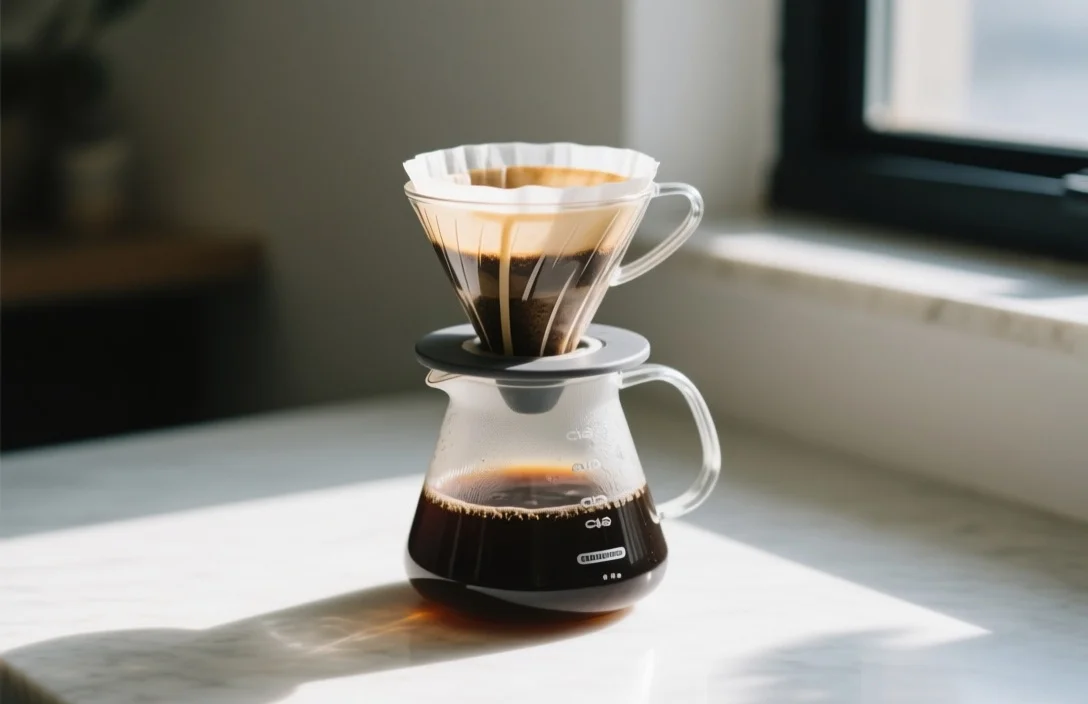
A reusable filter coffee maker is any brewing system that uses a permanent, washable filter instead of disposable paper cones or pods. These machines or accessories allow coffee oils to pass through into the cup, often resulting in a heavier body and bolder flavor than paper-filtered brews. Most users switch to these systems to eliminate daily waste and reduce the recurring cost of buying paper filters.
Reusable filter coffee makers use mesh materials like stainless steel, nylon, or gold-plated metal to strain coffee grounds. These filters typically cost between $10 and $30 and can last for years with basic rinsing and occasional deep cleaning, replacing thousands of single-use paper filters.
Key Takeaways
Waste reduction. Switching to a permanent filter eliminates hundreds of paper discs from landfills every year.
Flavor profile. Permanent filters allow more natural oils to enter the brew, creating a richer, fuller-bodied coffee.
Direct savings. You stop paying for recurring packs of paper filters, paying only a one-time fee for the hardware.
Material choice. Stainless steel is the gold standard for durability, while nylon is often more affordable.
Maintenance needs. These filters require rinsing after every use to prevent old oils from turning rancid.
Compatibility. Most reusable filters are designed to fit standard 8-12 cup drip machines or pour-over cones.
Reusable Filter Coffee Maker Benefits for Sustainability
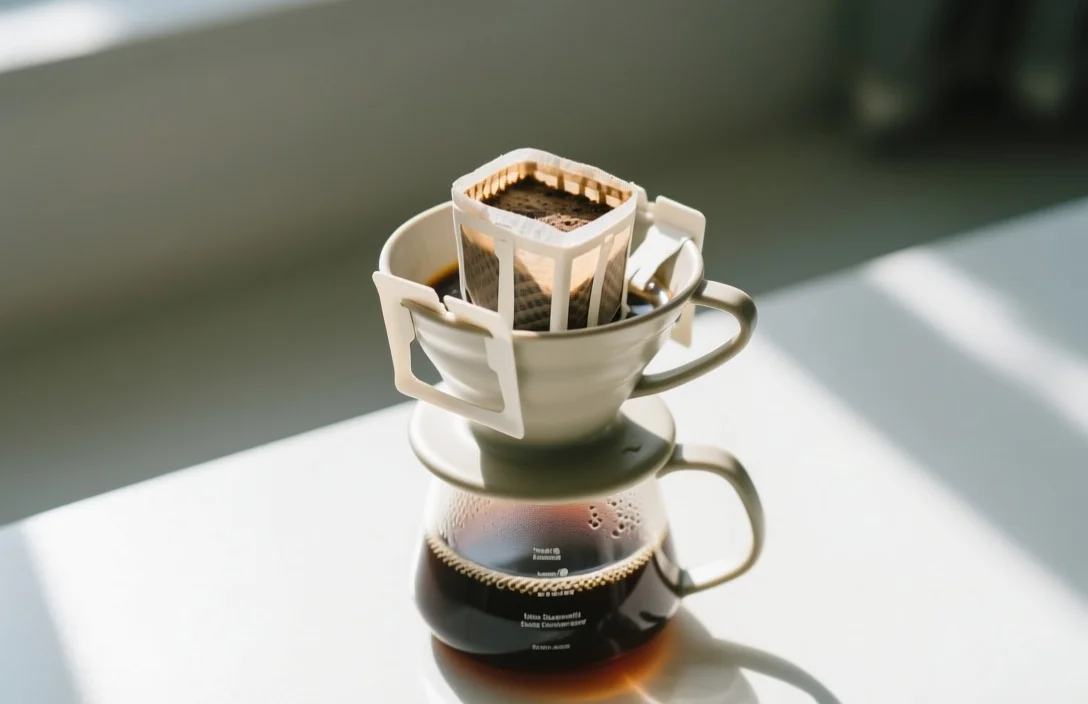
Reducing daily waste is the primary driver for switching to a reusable filter. A single person brewing one pot of coffee every morning generates over 360 paper filters a year. While paper is biodegradable, the industrial bleaching process used for many white filters involves chemicals that can impact water quality and soil health during decomposition.
Moving to a permanent mesh system removes this cycle of consumption. By investing in one piece of hardware, you eliminate the need for the packaging and transport energy associated with shipping boxes of disposable filters. This shift aligns with a broader move toward “zero waste” kitchen habits, where long-term durability replaces convenience-based disposability.
Beyond the filter itself, using a reusable system often encourages a move away from single-use plastic pods. Many reusable filter makers are compatible with traditional ground coffee, which can be bought in bulk or brought in reusable containers from local roasters. This creates a chain of sustainable choices that significantly lowers the carbon footprint of a morning caffeine routine.
The long-term environmental gain is measurable. When you factor in the water used in paper pulp production and the carbon emitted during the logistics of retail distribution, a stainless steel filter pays its “environmental debt” within the first few months of use.
Silicone vs Stainless Steel Filter Options
Stainless steel is the most popular choice for those prioritizing longevity and flavor. These filters are usually made from a fine micro-mesh that is strong enough to withstand years of scrubbing without tearing. Because steel is non-reactive, it does not impart any metallic taste into the coffee, provided it is high-grade (like 304 or 316 stainless).
Steel filters generally have slightly larger pores than paper, which allows the cafestol (coffee oil) to pass through. This results in a “heavier” mouthfeel. For those who enjoy a rich, French press-style texture in a drip machine, steel is the correct choice.
Silicone filters are less common as standalone mesh but often appear as the housing or the “basket” that holds a metal mesh. Pure silicone is not porous enough to filter coffee on its own, so these are actually hybrid products. The silicone provides a flexible, airtight seal against the machine’s brew head, while a metal insert does the actual straining.
The trade-off with silicone-hybrid filters is heat retention and ease of cleaning. Silicone can sometimes hold onto odors if not scrubbed thoroughly. However, they are often easier to insert and remove from tight machine baskets than rigid steel rings.
| Feature | Stainless Steel | Silicone/Hybrid |
|---|---|---|
| Durability | Extremely High | High (but can tear) |
| Flavor | Full-bodied, oily | Varies by mesh insert |
| Cleaning | Dishwasher safe | Hand wash recommended |
| Fit | Rigid, precise | Flexible, snug |
| Price | Moderate to High | Low to Moderate |
Cost Savings of Reusable Coffee Filters
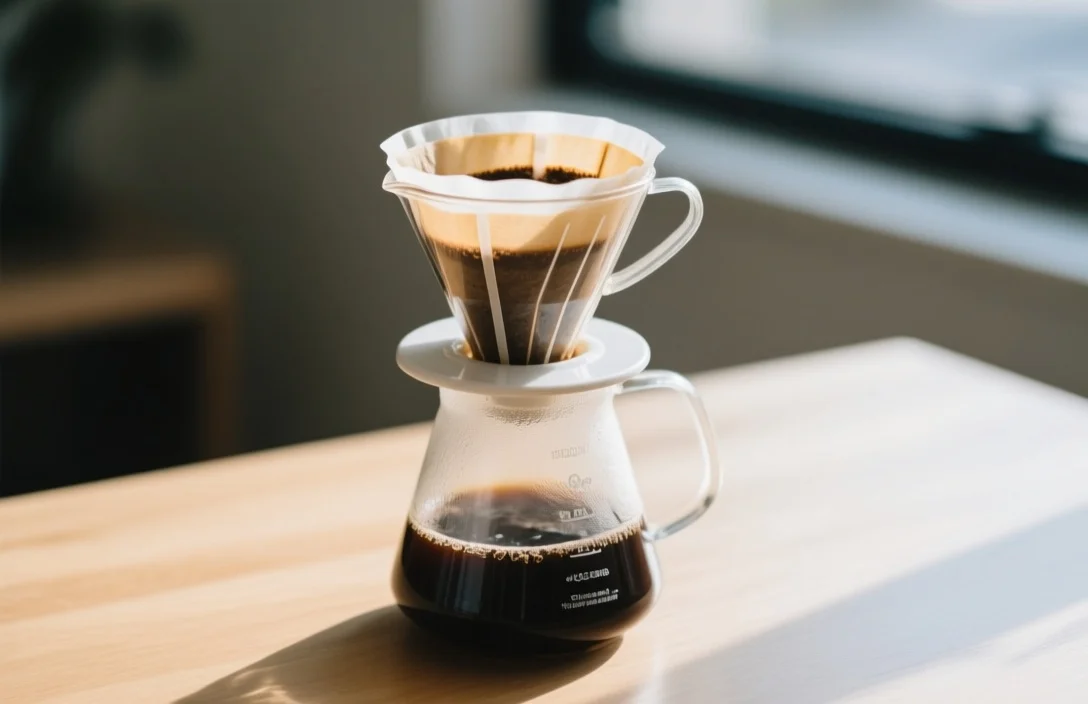
The financial benefit of a reusable filter is a classic example of high upfront cost versus low operating cost. A high-quality stainless steel filter typically costs between $15 and $25. In contrast, a pack of 100 paper filters usually costs between $5 and $10 depending on the brand and size.
While the paper filter seems cheaper initially, the math shifts quickly. A daily coffee drinker uses 365 filters a year. At an average cost of $0.07 per paper filter, that is roughly $25 per year. A reusable filter pays for itself in approximately 12 months.
For those using pod-based machines, the savings are even more dramatic. Single-use pods can cost anywhere from $0.50 to $1.20 per cup. Switching to a reusable filter pod that allows you to use your own bulk-bought grounds can reduce the cost per cup to under $0.20.
Over a five-year period, the savings can reach hundreds of dollars. This is especially true for households with multiple coffee drinkers. Instead of buying monthly supplies of paper or pods, the only recurring cost remains the coffee beans themselves.
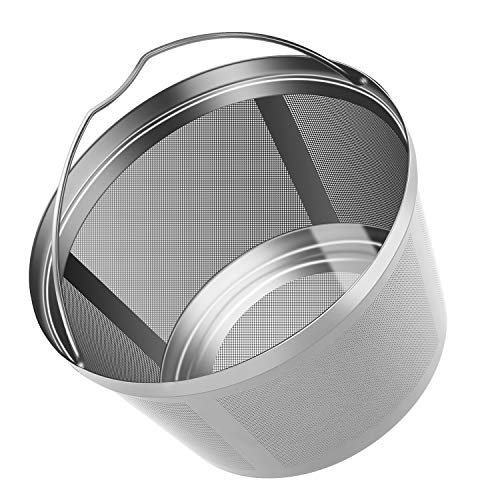
Helpful pick
Stainless Steel Reusable Coffee Filters Basket 8 12 Cup Sturdy Permanent Coffee Filter fit for Mr. Coffee Black,Decker Coffee Makers 8 12 cups
Investing in a sturdy, permanent stainless steel filter saves you money over time by removing the need to buy recurring paper supplies.
Environmental Impact of Eliminating Paper Filters
Eliminating paper filters reduces the demand for virgin wood pulp. Although many paper filters are labeled as compostable, they often end up in standard trash bins where they are sent to landfills. In an anaerobic (oxygen-poor) landfill environment, paper decomposes slowly and can release methane, a potent greenhouse gas.
The manufacturing process for paper filters is also resource-intensive. It requires significant amounts of water and energy to turn wood into a thin, porous sheet. Additionally, many commercial filters are treated with chlorine to achieve a bright white color. This process can release dioxins into the environment, which are persistent organic pollutants.
By switching to a permanent filter, you remove the need for this industrial cycle. A single stainless steel filter replaces thousands of paper units over its lifetime. This reduces the volume of waste leaving your home and decreases the demand for the chemical-heavy bleaching processes used in paper mills.
This change also reduces secondary waste. Every box of paper filters comes with cardboard or plastic packaging. By removing the filter from the shopping list, you simultaneously remove the packaging waste that accompanies it.
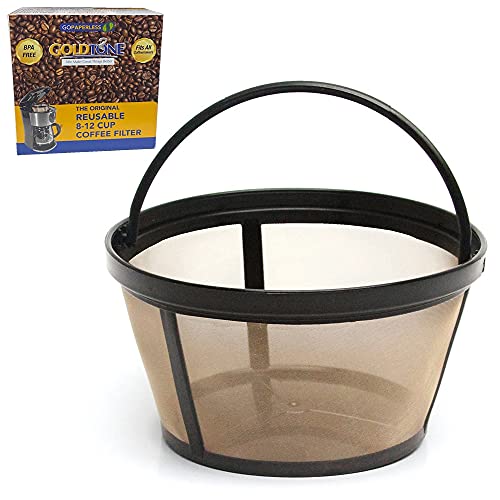
Helpful pick
GOLDTONE Reusable 8-12 Cup Basket Coffee Filter fits Black and Decker Makers and Brewers, Replaces your Paper Coffee Filters, BPA-Free
Reduce your environmental footprint by choosing this BPA-free reusable filter, which helps divert thousands of paper filters from local landfills annually.
Cleaning Your Reusable Coffee Filter Effectively
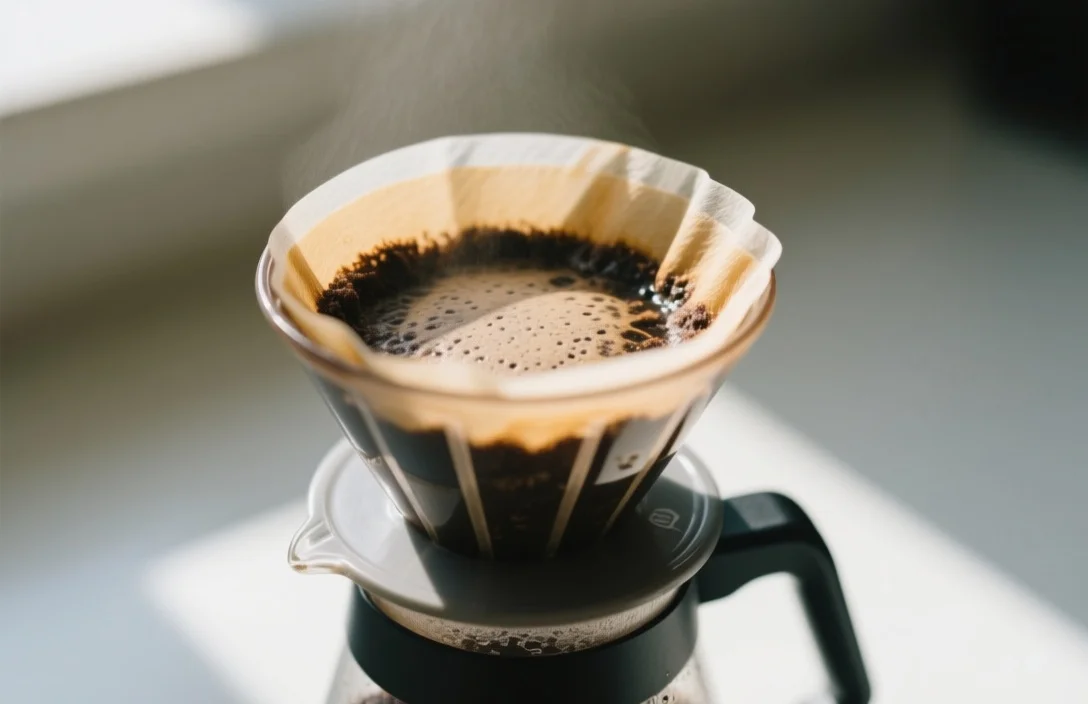
Proper cleaning is the only way to prevent a reusable filter from ruining your coffee. Coffee contains oils that, when left on a mesh screen, oxidize and turn rancid. This creates a bitter, “fishy,” or metallic taste in subsequent brews if the filter is not cleaned properly.
The first step after every brew is a thorough rinse. Dump the grounds into a compost bin and rinse the filter under hot running water. For most users, a quick scrub with a soft brush or a sponge is enough to remove the bulk of the residue.
For a deep clean, which should happen once a week, use one of these methods:
- Vinegar Soak. Submerge the filter in a mixture of equal parts white vinegar and warm water for 30 minutes. This breaks down mineral buildup and neutralizes old oils.
- Baking Soda Paste. For stubborn stains, rub a paste of baking soda and water onto the mesh, let it sit for 10 minutes, and rinse.
- Dishwasher Cycle. Most stainless steel filters are dishwasher safe. Placing them in the cutlery basket ensures a high-temperature wash that strips away lipids.
Avoid using steel wool or abrasive metal scrubbers. These can tear the micro-mesh or create tiny holes that allow coffee grounds to leak into your pot, resulting in a “muddy” cup of coffee.
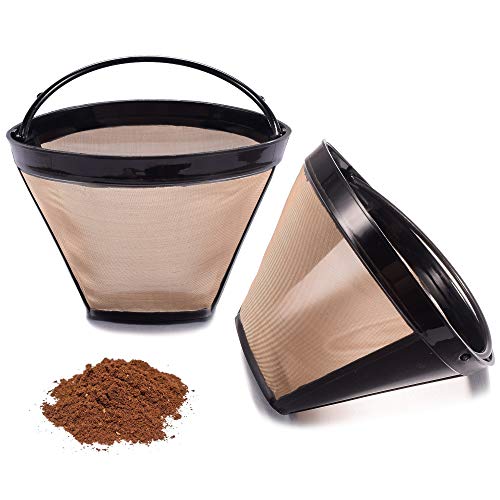
Helpful pick
Reusable No.4 Cone Coffee Maker Filters for Ninja Coffee Bar Brewer Replacement Permanent Basket Filter (2 Coffee Filters)
Keep your coffee tasting fresh by using these dishwasher-safe filters, which are easy to clean and prevent the buildup of bitter oils.
Compatible Brewer Types for Reusable Filters
Most standard drip coffee makers are compatible with reusable filters, provided the filter matches the basket shape. These are typically sold as “universal” sizes (like 8-12 cup) or brand-specific replacements for popular machines.
Pour-over cones, such as the Hario V60 or Chemex, also have reusable options. While the Chemex is famous for its thick paper filters that produce a tea-like clarity, a stainless steel insert can be used to create a more robust brew in the same vessel. This is a common modification for people who find the original Chemex filters too restrictive.
French presses are essentially reusable filter makers by design. They use a coarse metal mesh plunger to separate the grounds from the liquid. If you already own a French press, you are already using a reusable filter system.
For pod machines, “refillable pods” serve as the reusable filter. These are plastic or steel capsules with a built-in mesh bottom. You fill them with your own coffee and pop them into the machine. This allows you to keep the convenience of a pod machine while using the economics of bulk ground coffee.
FAQ Best Reusable Filter Coffee Maker
Do reusable filters make coffee taste different?
Yes, they produce a bolder, oilier taste. Paper filters trap “cafestol” and other coffee oils, resulting in a cleaner, lighter cup. Reusable mesh filters let these oils pass through, which creates a heavier body and a more intense flavor profile.
How long does a stainless steel filter last?
A high-quality stainless steel filter can last 5 to 10 years or more. As long as you avoid using abrasive scrubbers that could tear the mesh, the metal does not degrade. Most failures happen due to physical damage rather than wear and tear.
Can I use a reusable filter in any coffee machine?
Most standard drip machines and pour-overs can use them, but you must match the size. A filter that is too small will allow grounds to bypass the mesh, while one too large will not fit in the basket. Always check the cup-capacity rating (e.g., 4-6 cup vs 8-12 cup).
Are reusable filters harder to clean than paper?
Yes, because they require manual rinsing and periodic deep cleaning. While paper is simply tossed in the bin, reusable filters must be scrubbed to remove old oils. If you skip cleaning, the oils will oxidize and make your coffee taste bitter.
Which is better for health: paper or reusable?
Reusable filters allow more coffee oils into the drink. Some people prefer this for flavor, but those monitoring their cholesterol may prefer paper filters, as they remove cafestol, a compound that can slightly raise LDL cholesterol levels.
If you prefer a rich, full-bodied cup of coffee and want to stop paying for disposable supplies, a stainless steel filter is the smartest upgrade for your kitchen. Start by checking your coffee maker’s basket size and picking up a 304-grade stainless steel mesh filter to begin reducing your waste today.
Disclosure: As an Amazon Associate, I may earn from qualifying purchases at no extra cost to you. Amazon and the Amazon logo are trademarks of Amazon.com, Inc, or its affiliates.
