
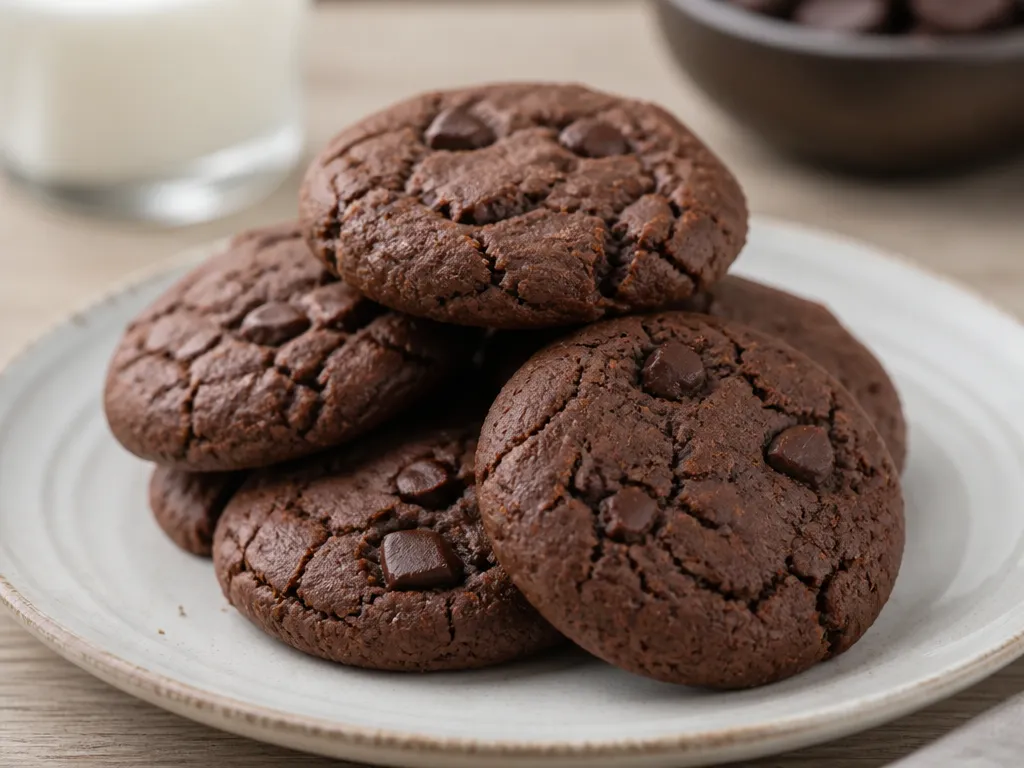
For most chocolate cookies, buy unsweetened Dutch-process cocoa. It gives cookies a darker color and a smoother, less acidic chocolate flavor. Choose natural cocoa instead when the recipe calls for baking soda and relies on cocoa’s acidity for lift.
The best choice depends on three things: the cocoa type, the recipe’s leavener, and the cookie’s target texture. Dutch-process suits dark, fudgy, bakery-style cookies. Natural cocoa works better for classic cocoa cookies with chewy centers, especially when baking soda is the only leavener. Whichever type you buy, sift it before mixing.
Key Takeaways
- Dutch-process is the best overall pick for darker color and a smoother chocolate flavor.
- Natural cocoa matches baking soda better because it remains more acidic.
- Use unsweetened cocoa. Sweetened cocoa changes the dough’s sugar balance and flavor.
- Sift cocoa into the dry ingredients to prevent clumps, dry spots, and bitter pockets.
- Buy smaller containers if you bake infrequently. Fresh cocoa tastes better than cocoa that has sat exposed to air.
- Match the cocoa to the cookie style. Brownie-style cookies usually suit Dutch-process, while old-fashioned cocoa cookies often suit natural cocoa.
How Cocoa Type Changes Chocolate Cookies
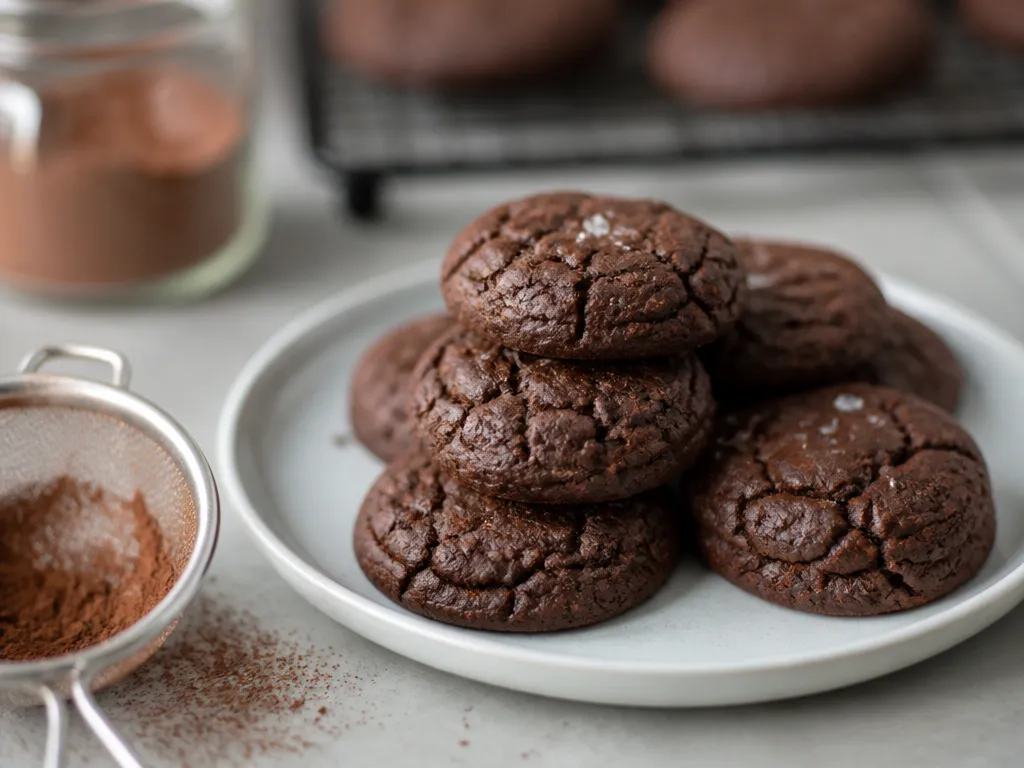
Cocoa powder is made from cocoa solids, but natural and Dutch-process cocoa do not behave identically in cookie dough. The main difference is acidity.
Natural cocoa remains acidic. When a recipe uses baking soda, that acidity can help create carbon dioxide and give the cookies lift. Natural cocoa also has a sharper, more traditional cocoa flavor.
Dutch-process cocoa has been alkalized, so it is less acidic. It usually produces a darker dough and a smoother, less tangy flavor. Because it has less acidity, it may provide less lift in a recipe that depends on baking soda alone. The cookies can spread more or come out slightly denser.
Cocoa also affects texture. Some powders disperse easily, while older or lower-quality cocoa can clump and leave dry pockets. Two bags from the same brand may behave differently if one has been stored warm or left open for months.
How to Choose Cocoa for Cookies
Then choose the flavor and appearance you want:
- Dark, fudgy, bakery-style cookies: Dutch-process
- Classic cocoa flavor and chewy centers: Natural cocoa
- Smooth, mellow chocolate flavor: Dutch-process
- Sharper, slightly tangy cocoa flavor: Natural cocoa
Check the label for unsweetened cocoa. Hot cocoa mix contains sugar and sometimes other additives, so it changes the dough’s sugar balance and can throw off the texture.
Freshness matters, too. Cocoa contains fat and absorbs odors from its surroundings. Stale cocoa still tastes like chocolate, but its flavor can become flat, harsh, or reminiscent of cardboard or old nuts. Store it tightly sealed in a cool pantry, and buy smaller containers if you use cocoa slowly.
Best Cocoa Options for Chocolate Cookies
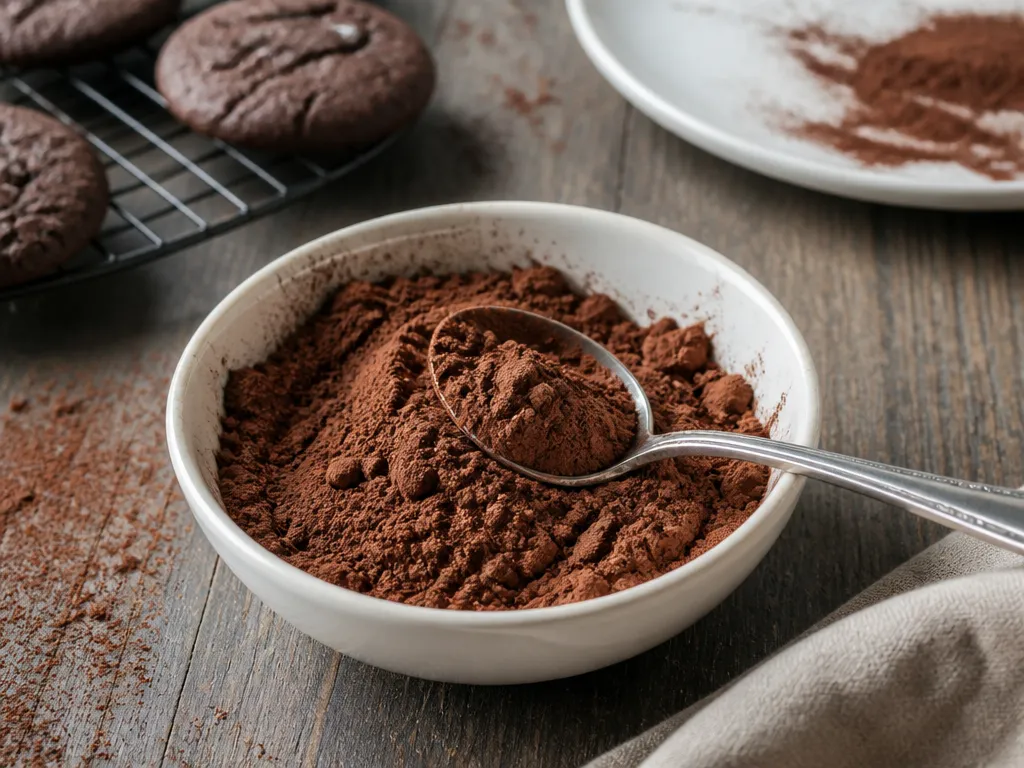
Best Overall: Unsweetened Dutch-Process Cocoa
Dutch-process cocoa produces a deeper color and a rounder flavor without the sharper edge natural cocoa can bring.
Use it for thick, fudgy cookies, brownie-like cookies, and recipes that call for baking powder or have other ingredients supplying acidity or lift. It is also a good choice when the finished cookies need to look dark and bakery-style.
The main tradeoff is recipe compatibility. Dutch-process cocoa may not provide enough acidity for a cookie recipe that depends on baking soda alone. In that situation, the cookies may spread more or turn out denser.
Best for Recipes With Baking Soda
Natural cocoa gives cookies a classic cocoa flavor with a slight tang. That profile works well in old-fashioned cocoa cookies and chocolate chip-style cookies with chewy centers. The downside is that natural cocoa can taste sharper or more bitter if the cookies are overbaked.
Best for Simple Everyday Baking
A widely available natural or Dutch-process cocoa from a mainstream brand can be the most practical choice for everyday baking. Consistency matters more than a dramatic label claim. Once you find a cocoa you like, stick with the same type and brand so your dough behaves predictably from batch to batch.
“Special dark” cocoa may be a natural-and-Dutch blend, but the composition varies by brand. It can work well in everyday chocolate cookies, though the flavor and baking behavior may shift slightly when you change brands.
Best for Experimenting: Unsweetened Cacao Powder
Cacao powder is typically unroasted, so it can have a more intense and distinct flavor than standard cocoa powder. It works in cookies, but it is better treated as an intentional variation than as a direct substitute.
Expect the flavor and dough behavior to differ slightly. If you want a familiar chocolate cookie, use cocoa powder. If you want to test a more unusual profile, cacao powder is worth trying.
Avoid: Hot Cocoa Mix
Hot cocoa mix does not belong in a standard chocolate cookie recipe. It contains sugar and may include other additives, which can change the dough’s sugar ratio, spread, sweetness, and texture.
| Cocoa powder option | Key spec or label | Best for cookie style | Tradeoffs |
|---|---|---|---|
| Dutch-process, unsweetened | Label says “Dutch-process” or “alkalized” | Dark, fudgy, bakery-style cookies | May give less lift if the recipe relies on baking soda chemistry |
| Natural cocoa, unsweetened | Label says “natural” | Classic cocoa cookies and recipes using baking soda | Can taste sharper or more acidic if overbaked |
| “Special dark” natural/Dutch blend | Label indicates a blend, often darker | Easy everyday chocolate cookies | Blend composition can vary by brand |
| Cacao powder, unsweetened | Label says “cacao,” not cocoa | Experimental flavor profiles | Can taste more intense and behave differently in dough |
| Hot cocoa mix | Contains sugar and sometimes additives | None | Changes sugar levels and can disrupt dough ratios |
Match Cocoa to the Recipe’s Leavener
Other ingredients can affect the balance, too. Whipped eggs, creaming, fat, sugar, and additional acidic ingredients may provide lift or change how the cocoa behaves. When you do not know the recipe’s assumptions, following its stated cocoa type is safer than switching between natural and Dutch-process.

Helpful pick
Hersheys, Cocoa 100% Cacao Natural Unsweetened, 6 Ounce
This natural, unsweetened cocoa powder is perfect for recipes relying on baking soda for lift, ensuring your cookies rise beautifully.
How to Mix Cocoa Without Dry Pockets
Sift cocoa before adding it to the dough. Cocoa clumps easily, and unsifted lumps can create streaks, bitter pockets, and dry spots.
Whisk the sifted cocoa thoroughly into the flour and other dry ingredients before combining them with the wet ingredients. If the recipe adds cocoa directly to a liquid, whisk vigorously. You can also bloom the cocoa by dissolving it in a small amount of hot water or coffee, which helps distribute its flavor evenly.
Measure cocoa by weight when possible. Cocoa settles differently in a container, so volume measurements can vary depending on how tightly it is packed. Even a small change in the cocoa amount can alter the moisture balance, especially in chewy cookies.
Keep an eye on baking time. Dutch-process dough often looks done sooner because its color is darker. Judge the cookies by their texture: the edges should be set while the centers still look slightly underbaked. They will continue cooking on the tray as they cool.

Helpful pick
365 by Whole Foods Market, Organic Cocoa Powder, Unsweetened, 8 Ounce
Using a high-quality, fine-textured organic cocoa powder ensures that your dry ingredients incorporate smoothly without leaving behind any stubborn, bitter clumps.
Best Cocoa by Cookie Style
Chocolate Chip-Style Cookies
Chewy centers and a classic cocoa flavor work well in this style. Natural cocoa helps the leavener work while adding the familiar tang associated with traditional cocoa cookies.
Fudgy, Dark Chocolate Cookies
For thick dough, browned edges, and a deep color, Dutch-process cocoa’s smoother flavor suits cookies designed to taste rich rather than tangy.
Brownie-Like Cookies
For intense chocolate flavor and a tender crumb, Dutch-process cocoa gives the cookies a darker appearance and a mellow profile that works well in brownie-style dough.
Old-Fashioned Cocoa Cookies
Natural cocoa brings the traditional cocoa aroma and slight acidity many classic recipes are built around. It adds a more pronounced cocoa flavor.
Recipes That Specify Dutch-Process Cocoa
Follow the recipe, especially if the cookies are noticeably dark or the recipe includes baking powder. Substituting natural cocoa may still produce edible cookies, but the rise, texture, color, and flavor can shift.
Cookies Made With Cacao Powder
Use cacao powder when you want a different flavor profile on purpose. Because it is typically unroasted, it can taste more intense than standard cocoa powder and may behave differently in the dough.

Helpful pick
Black Cocoa Powder (8 oz) Bake the Darkest Chocolate Baked Goods, Achieve Rich Chocolate Flavor, Natural Substitute for Black Food Coloring, Dutch-Processed Cocoa Powder, Unsweetened, Extra Dark, Fair Trade Certified
This intense black cocoa powder provides the deep, dramatic color and robust, earthy flavor profile essential for achieving fudgy, dark cookies.
Practical Buying and Storage Tips
Choose unsweetened cocoa and confirm whether it is natural or Dutch-process before buying. The front label may emphasize color or darkness, but the cocoa type is more useful for predicting how the cookies will bake.
Buy a smaller container if you bake chocolate cookies only occasionally. Cocoa loses flavor when exposed to air and can absorb pantry odors. Keep it tightly sealed in a cool, dry pantry.
If the cocoa smells flat, like cardboard, or like old nuts, replace it. Darker color alone does not guarantee stronger chocolate flavor. A fresh, well-mixed cocoa often produces better cookies than an older powder with a more impressive-looking label.
If you are sensitive to stimulants, remember that cocoa contains small amounts of caffeine and theobromine. Cocoa products vary in their exact composition, so the effect may feel different from one brand to another.
Final Recommendation
Sift cocoa, measure it consistently, and keep it sealed so the cookies taste as rich as the recipe intended.
FAQ
What cocoa powder is best for chocolate cookies if I want the darkest color?
Unsweetened Dutch-process cocoa gives deep color and a mellow flavor. Stick with one brand and cocoa type for consistent appearance and baking behavior.
Should I use natural cocoa or Dutch-process cocoa for cookies?
Use natural cocoa with recipes that include baking soda and rely on it for lift. Use Dutch-process cocoa with baking powder or for a darker, smoother chocolate flavor. If the recipe specifies a type, follow that instruction.
Can I substitute Dutch-process cocoa for natural cocoa in a cookie recipe?
You can, but expect a different result. Dutch-process cocoa is less acidic, so it may reduce chemical lift when the recipe uses baking soda. Cookies may spread more, become slightly denser, or taste less tangy.
How much cocoa powder should I use for chocolate cookies?
Use the amount listed in the recipe. Cocoa changes the dough’s moisture and structure, so adding more or less can quickly alter the texture. Weigh it when possible because volume scoops are less consistent.
Should I sift cocoa powder for cookies?
Yes. Sifting breaks up clumps and helps the cocoa blend evenly with the flour and other dry ingredients. It prevents cocoa streaks, bitter pockets, and dry spots.
What is a common mistake with cocoa powder in chocolate cookies?
Using the wrong cocoa type for the recipe’s leavener is one of the most consequential mistakes. Skipping the sifting step is another. Natural and Dutch-process cocoa are not always interchangeable, and clumped cocoa will not distribute evenly through the dough.
Disclosure: As an Amazon Associate, I may earn from qualifying purchases at no extra cost to you. Amazon and the Amazon logo are trademarks of Amazon.com, Inc, or its affiliates.
