
Choosing the right bathroom safety solution can make a huge difference in your comfort and peace of mind. If you’re trying to decide between a walk-in tub and a transfer bench, you’re not alone.
Both offer ways to make bathing safer and easier, but which one fits your needs best? You’ll discover the key differences, benefits, and drawbacks of each option. By the end, you’ll feel confident about making the choice that keeps you secure and comfortable every time you step into the bath.
Keep reading to find the perfect fit for your bathroom and lifestyle.
Walk-in Tub Features
Walk-in tubs offer unique features that make bathing safer and more comfortable. These tubs are designed to help people with limited mobility enjoy a full bath without struggle. Their features focus on ease of use, safety, and relaxation.
Design And Accessibility
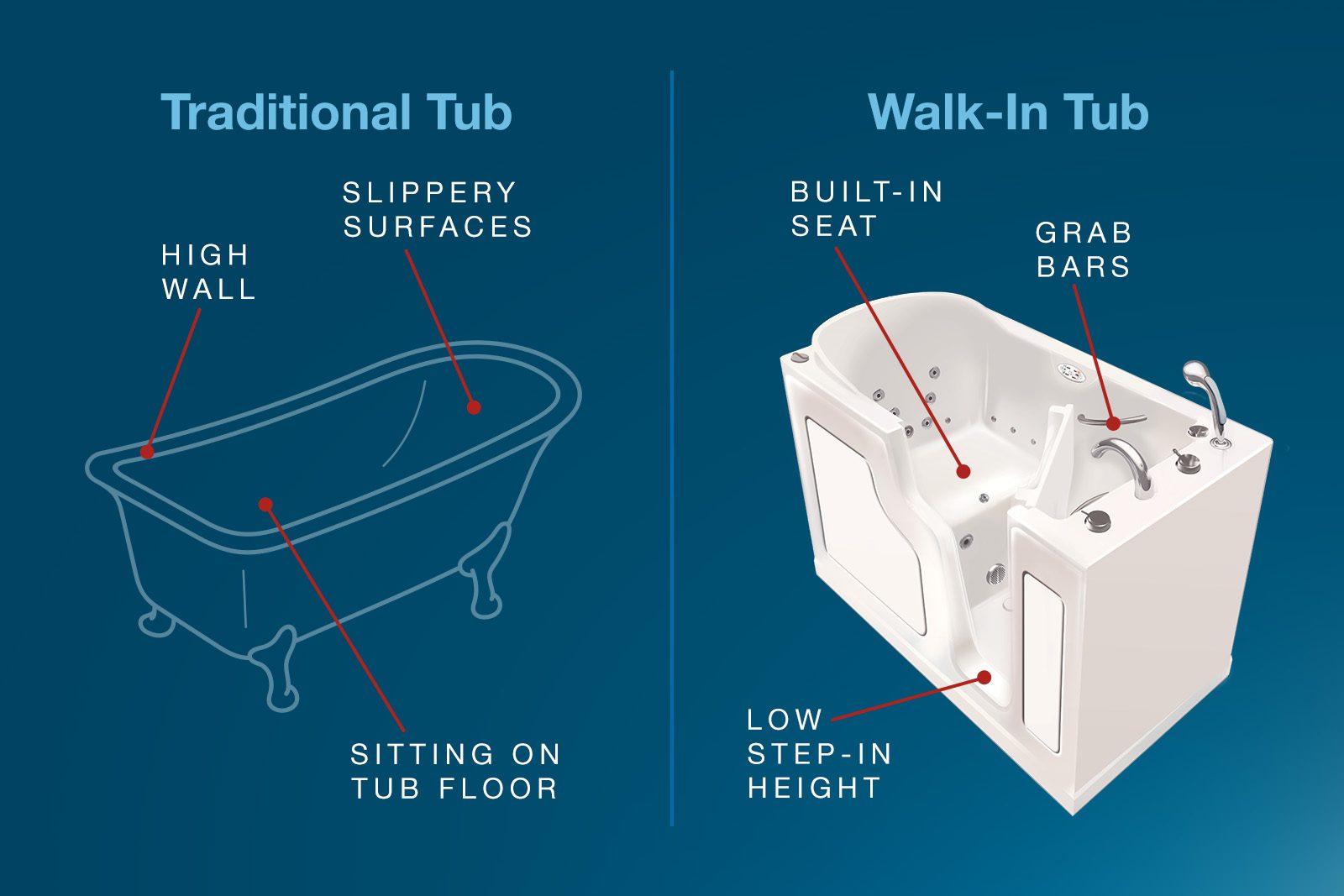
Walk-in tubs have a door that opens sideways. This allows easy entry without stepping over a high edge. The tubs are deeper than regular tubs, letting users sit comfortably. Built-in seats keep users stable while bathing. Controls are often placed within easy reach to avoid stretching or bending.
Safety Mechanisms
Non-slip floors prevent slipping inside the tub. Grab bars provide extra support when entering or exiting. The door seals tightly to avoid water leaks. Some tubs have quick-drain systems to lower water fast. Temperature controls help avoid scalding. These features reduce the risk of accidents.
Comfort And Therapeutic Benefits
Many walk-in tubs include jets for water massage. Warm water jets help soothe sore muscles and joints. Some models offer air bubbles for gentle massage. The deep soaking design promotes relaxation. These tubs can ease pain from arthritis or injuries. Bathing becomes a calming, healing experience.

Credit: www.borapescar.com
Transfer Bench Features
Transfer benches help people get in and out of the bathtub safely. They are a useful tool for those with limited mobility. Understanding their features makes it easier to choose the right one. Below are key points about transfer bench features.
Structure And Setup
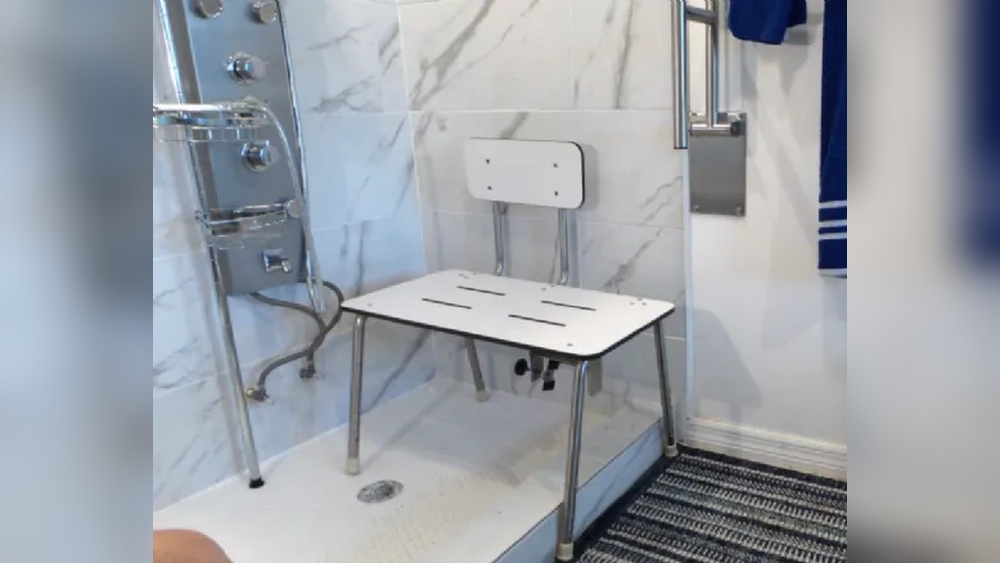
Transfer benches have a long seat that extends outside the tub. This design allows users to sit down before moving into the tub. Most benches have adjustable legs to fit different tub heights. The materials used are usually rust-resistant for safety. Setup is simple and does not need tools. The bench rests securely on the tub edges and floor.
Safety And Stability
Transfer benches offer strong support during transfers. They have non-slip rubber tips on the legs to prevent sliding. Some models include armrests for extra balance. The seat is wide and sturdy for comfort and safety. Weight limits vary but are usually enough for most users. Safety is a top priority in their design.
Ease Of Use
Transfer benches are easy to use for many people. Users can slide across the bench rather than stepping over a tub wall. This reduces the risk of falls. The bench seat often has drainage holes to keep it dry. It is lightweight enough for one person to move. Cleaning the bench is simple with soap and water.
Safety Comparison
Safety is the top priority in any bathroom setup. Both walk-in tubs and transfer benches aim to reduce the risk of accidents. Each offers unique features designed to protect users. Comparing these safety aspects helps choose the right option.
Risk Of Slips And Falls
Walk-in tubs have low thresholds to step over. This design lowers the chance of tripping. The tub floor often has a textured surface for grip. Transfer benches let users sit while entering the tub. This reduces slipping on wet floors. However, users must still balance while moving from the bench to the tub.
Support And Handrails
Walk-in tubs come with built-in handrails inside the tub. These rails provide steady support when sitting or standing. Transfer benches usually include handles on the sides. These help users keep their balance during transfers. Some models offer adjustable handrails for extra security. Both options improve stability but in different ways.
Emergency Features
Many walk-in tubs have emergency buttons inside the tub. Users can press these to call for help quickly. Some tubs include alarms that alert caregivers. Transfer benches generally lack built-in emergency systems. Users rely on external devices like personal alarms. Walk-in tubs offer more immediate emergency support.

Credit: dixsystems.com
Installation And Space Requirements
Choosing between a walk-in tub and a transfer bench involves thinking about installation and space needs. Both options change how your bathroom looks and works. Understanding the space and setup helps pick the right product for safety and comfort.
Bathroom Modifications
Installing a walk-in tub usually means bigger changes. It may need plumbing and electrical work. Sometimes, walls or floors must be adjusted. A transfer bench is simpler to set up. It often fits over the existing tub without major changes.
Walk-in tubs require professional installation. Transfer benches can be placed by the user. The level of bathroom modification affects time and effort.
Space Efficiency
Walk-in tubs take up more space than transfer benches. They need room for doors and seating inside the tub. Transfer benches use the existing tub space. They do not require extra floor area.
Smaller bathrooms benefit from transfer benches. Larger bathrooms can fit walk-in tubs comfortably. Consider bathroom size before choosing.
Cost Considerations
Walk-in tubs cost more to install due to labor and materials. Transfer benches are less expensive and easier to install. There are no big changes to the bathroom structure.
Ongoing maintenance costs for walk-in tubs may be higher. Transfer benches have fewer parts and need less upkeep.
User Suitability
User suitability plays a big role in choosing between a walk-in tub and a transfer bench. Both options help people bathe safely. Each has its own benefits depending on the user’s needs. Understanding these needs can guide the best choice.
Mobility Levels
Walk-in tubs suit people with limited mobility who can stand or sit steadily. They have built-in seats and grab bars for support. Transfer benches work well for those who can sit but need help moving into the tub. Users slide over the bench, reducing the risk of slips. Both options improve safety but match different mobility levels.
Health Conditions
People with arthritis or joint pain may prefer walk-in tubs. They reduce strain by allowing easy entry without lifting legs. Transfer benches are better for users with balance issues or weakness. They provide a stable place to sit while entering or exiting the tub. Both help reduce falls and injuries in different ways.
Personal Preferences
Some users like walk-in tubs for privacy and warmth. These tubs hold water and offer a relaxing soak. Others choose transfer benches for quick, efficient bathing. They are less expensive and easier to install. Personal comfort and routine affect the best fit for each user.
Maintenance And Durability
Maintenance and durability play a big role in choosing between a walk-in tub and a transfer bench. Both options need regular care to stay safe and last long. Understanding their cleaning needs, material strength, and repair options helps you decide what fits best in your home.
Cleaning Needs
Walk-in tubs require regular cleaning to avoid mold and soap scum. Their seals and doors need special attention to prevent leaks. Transfer benches are easier to clean. They have fewer parts and open designs. Both should be wiped dry after use to keep them fresh and safe.
Material Longevity
Walk-in tubs usually use heavy acrylic or fiberglass. These materials resist cracking and wear over time. Transfer benches often use aluminum or plastic. These materials are lightweight but may wear faster. Both products last longer if kept dry and clean.
Repair And Warranty
Walk-in tubs come with warranties covering seals and plumbing parts. Repairs might require a professional plumber. Transfer benches have simpler designs and fewer parts to fix. Many brands offer warranties on materials and workmanship. Check warranty details before buying for peace of mind.
Making The Right Choice
Choosing between a walk-in tub and a transfer bench can feel tough. Both help people bathe safely, but they serve different needs. Think about your daily routine, health, and space. This guide helps you decide what fits best.
Assessing Safety Priorities
Safety is the main reason to pick either option. Walk-in tubs offer a sealed door and built-in seats. They keep water inside and reduce slipping risks. Transfer benches help users sit down outside the tub. Then, they slide inside to avoid stepping over the tub edge. Consider balance issues, mobility limits, and your bathroom layout. Choose what feels safer and easier to use every day.
Budget Vs Benefits
Walk-in tubs usually cost more upfront. They need professional installation and plumbing work. Transfer benches are less expensive and easy to move. Think about long-term comfort and support. A walk-in tub adds convenience but requires more investment. A transfer bench fits smaller budgets but may need help from a caregiver. Balance your spending with your comfort and safety needs.
Consulting Professionals
Experts can guide your choice well. Doctors or therapists know your health limits. They suggest what suits your physical abilities. Bathroom remodelers explain installation and space needs. Talking with professionals ensures you pick the right product. It also helps prevent future problems or accidents. Their advice keeps your bathroom safe and functional.
Credit: www.safesteptub.com
Frequently Asked Questions
What Is The Main Difference Between Walk-in Tubs And Transfer Benches?
A walk-in tub is a standalone bathing unit with a door, designed for easy entry. A transfer bench is a seat that extends outside the tub, helping users slide in and out safely.
Which Option Is Safer For Elderly Users?
Walk-in tubs offer a safer bathing experience by eliminating the need to step over a tub wall. Transfer benches reduce risk but still require stepping over the tub edge.
How Do Walk-in Tubs Improve Accessibility?
Walk-in tubs have low-threshold doors and built-in seats, allowing users to enter and bathe without climbing. This design suits people with mobility challenges or disabilities.
Can Transfer Benches Fit Any Bathtub Type?
Yes, transfer benches are adjustable and can fit most standard bathtubs. They provide a stable seating area for users to slide into the tub safely.
Conclusion
Choosing between a walk-in tub and a transfer bench depends on your needs. Walk-in tubs offer safety and comfort for bathing. Transfer benches help with getting in and out of a regular tub. Both improve bathroom safety and ease. Think about your space, budget, and mobility level.
Simple changes can make a big difference daily. Take your time to decide what fits best. Your safety and comfort matter most.
Disclosure: As an Amazon Associate, I may earn from qualifying purchases at no extra cost to you. Amazon and the Amazon logo are trademarks of Amazon.com, Inc, or its affiliates.
