
When you go camping, having a reliable power source can make your outdoor experience much more comfortable. Whether you want to charge your phone, power a small fridge, or run some lights at night, you need something that delivers electricity when you’re far from home. Two of the most popular options today are inverter generators and traditional generators. But which one is better for camping? The answer isn’t simple, because each has strengths and weaknesses. Understanding how they compare will help you make the right choice for your next adventure.
What Is An Inverter Generator?
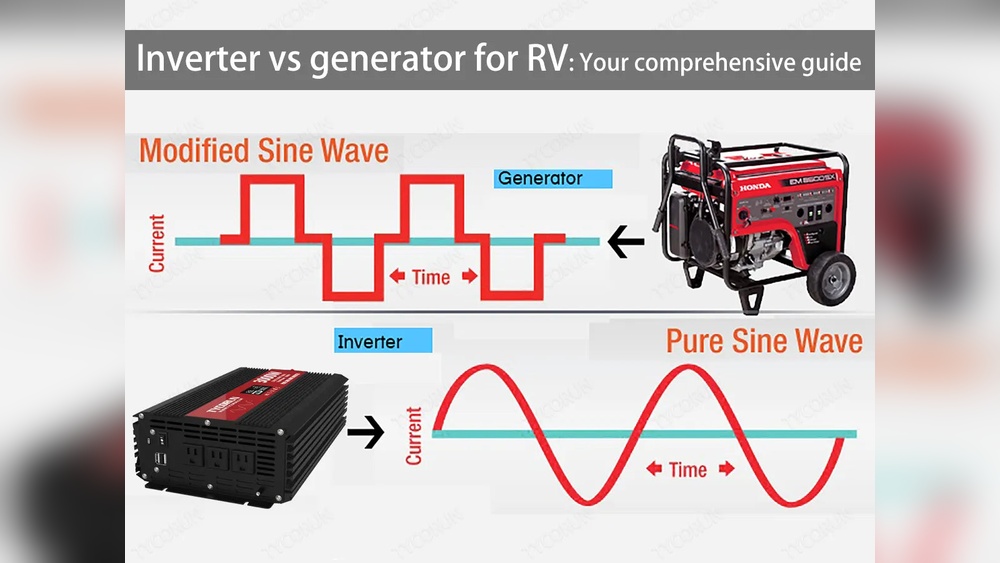
An inverter generator is a modern type of portable generator. It uses advanced electronics to convert the raw power from the engine into clean, stable electricity. This process is important for sensitive devices like smartphones, laptops, and cameras. Inverter generators are usually smaller, quieter, and more fuel-efficient than traditional generators. They’re often the first choice for campers who want a peaceful experience.
What Is A Traditional Generator?
A traditional generator, sometimes called a conventional generator, creates AC power directly from the engine. The design is simple and often less expensive. These generators can produce more power, making them a common choice for job sites and home backup. However, they tend to be heavier, noisier, and less efficient. For camping, these downsides matter—but sometimes the extra power is necessary.

Credit: erayakpower.com
Core Differences At A Glance
The table below shows the main differences between inverter generators and traditional generators:
| Feature | Inverter Generator | Traditional Generator |
|---|---|---|
| Power Quality | Clean, stable | Less stable |
| Noise Level | Very quiet (as low as 50 dB) | Loud (often 70 dB+) |
| Weight & Size | Light, compact | Heavy, bulky |
| Fuel Efficiency | High | Lower |
| Price | Higher | Lower |
| Best For | Electronics, camping | High-power tools, home backup |
Power Output: How Much Do You Need?
One of the first questions to ask is: How much power do you really need?
- Inverter generators for camping usually range from 1000 to 3000 watts. That’s enough for lights, small kitchen appliances, and charging devices.
- Traditional generators often start at 2000 watts and go much higher, sometimes 5000 watts or more. This extra power can run large appliances or even RV air conditioners.
Most campers don’t need huge amounts of power. But if you plan to use energy-hungry devices—like a microwave, electric heater, or a big fridge—you might need the extra watts a traditional generator offers.
Non-obvious insight: Many beginners forget that running multiple appliances at the same time adds up quickly. Always check the “starting watts” and “running watts” on your devices, and add them up before choosing a generator.

Credit: campernation.co.uk
Portability And Weight
When you’re camping, portability matters. Nobody wants to carry a heavy machine through the woods.
- Inverter generators are designed for easy transport. Many models weigh between 30 and 50 pounds and have comfortable handles.
- Traditional generators can be much heavier, sometimes over 100 pounds. They often need wheels or two people to move them.
If you camp in remote places, or need to move your power source often, the lighter inverter generator is usually the better option.
Pro tip: Some inverter generators can be “paralleled”—you can connect two units for more power if you ever need it, without buying a huge machine.
Noise Levels: Enjoying The Outdoors
Peace and quiet are part of camping. The last thing you want is a loud engine drowning out the sounds of nature.
- Inverter generators are famously quiet. Many run at 50–60 decibels, which is about as loud as a normal conversation.
- Traditional generators are much noisier, sometimes over 70 decibels. That’s more like a vacuum cleaner or traffic.
Some campgrounds have strict noise limits, and a loud generator can disturb other campers. Always check campground rules before bringing any generator.
Non-obvious insight: Noise isn’t just about comfort. Loud generators can attract unwanted attention from wildlife or even thieves.
Fuel Efficiency And Runtime
Fuel efficiency affects both your wallet and your convenience. You don’t want to carry extra gas or run out in the middle of the night.
- Inverter generators adjust their engine speed based on load. This means they use less fuel when you’re not using much power, and can run for 8–12 hours on a tank.
- Traditional generators run at constant speed, using more fuel. They may need refueling every 4–8 hours.
Over a weekend, the difference can be big. For longer trips, the savings on fuel (and the hassle of carrying less) really add up.
Power Quality: Protecting Your Devices
Modern devices are sensitive to “dirty” power—power with voltage spikes or fluctuations.
- Inverter generators create clean, stable electricity with less than 3% Total Harmonic Distortion (THD). This is safe for laptops, phones, and CPAP machines.
- Traditional generators can have higher THD, which might damage or shorten the life of sensitive electronics.
If you plan to charge or use expensive electronics, an inverter generator is the safer choice.

Credit: aijourn.com
Price: Upfront Costs And Value
Money is always a factor. Let’s compare typical prices:
- Inverter generators: $500 to $1500 for camping-sized units.
- Traditional generators: $250 to $800 for similar wattages.
While traditional generators are cheaper at first, the extra fuel use and possible repairs to sensitive devices can make them more expensive in the long run.
Non-obvious insight: Some campers buy a cheap traditional generator, then end up spending more on fuel or having to replace devices. Investing in the right tool upfront saves money over time.
Maintenance And Reliability
No one wants their power source to break down in the middle of nowhere.
- Inverter generators need regular oil changes and air filter cleaning, but their smart electronics can reduce engine wear.
- Traditional generators also need maintenance, but their simpler design can make repairs easier if you have basic mechanical skills.
If you want simple, “just works” operation with less noise and fuss, inverter generators are usually more reliable for camping. If you’re handy and don’t mind a bit of noise, a traditional generator is still a solid choice.
Environmental Impact
Caring for nature is part of camping. Which option is greener?
- Inverter generators use less fuel and have lower emissions. Many meet EPA and CARB standards for clean operation.
- Traditional generators are less efficient and often produce more pollution.
Some parks now require generators to meet certain emission standards. Always check local rules before you go.
Practical Examples: Real Camping Scenarios
Consider these two campers:
- Anna loves quiet weekends in her tent. She needs to charge her phone, run a small lamp, and maybe power a fan. She chooses a 2000-watt inverter generator. It’s quiet, light, and runs all night on one tank of gas.
- Ben has a family RV and wants to use the microwave, TV, and air conditioner. He picks a 4000-watt traditional generator. It’s louder and heavier, but it handles the bigger load.
Your needs may be somewhere in between. Think about what you actually want to power, not just what’s possible.
Common Mistakes Campers Make
- Underestimating power needs: It’s easy to forget to add up the wattage of everything you’ll use.
- Ignoring noise rules: A loud generator can get you kicked out of some campgrounds.
- Bringing the wrong fuel type: Some generators use gasoline, others propane. Always check before your trip.
- Not testing before leaving: Make sure your generator works and you know how to use it before you’re in the woods.
Which Should You Choose?
Here’s a summary to help you decide:
| Situation | Best Choice | Why |
|---|---|---|
| Quiet, remote camping | Inverter generator | Low noise, easy to carry, safe for electronics |
| Large RV, high power needs | Traditional generator | More power for big appliances |
| Campgrounds with rules | Inverter generator | Meets noise/emission standards |
| Budget is tight | Traditional generator | Cheaper upfront |
Safety Tips For Using Generators While Camping
- Always use generators outside, away from tents and RVs, to prevent carbon monoxide poisoning.
- Store fuel safely, in approved containers.
- Let the generator cool before refueling.
- Use heavy-duty extension cords, rated for outdoor use.
- Never overload the generator—check the wattage rating.
For more details about generator safety and best practices, the Centers for Disease Control and Prevention offers an excellent guide.
Frequently Asked Questions
What Size Generator Do I Need For Camping?
You should add up the wattage of all the devices you want to use at the same time. For tent camping, a 1000–2000 watt inverter generator is usually enough. For RVs with air conditioning, you may need a 3000–4000 watt generator.
Can I Use A Generator In Any Campground?
No. Many campgrounds have rules about noise, quiet hours, and emissions. Always check the rules before you arrive. Some sites only allow inverter generators because they are quieter.
Is It Safe To Run Electronics On A Traditional Generator?
It’s safer to use inverter generators for sensitive electronics. Traditional generators can cause voltage spikes, which may damage phones, laptops, or medical devices.
How Often Should I Maintain My Camping Generator?
Check the oil and air filter before each trip. Change the oil every 20–50 hours of use, depending on the manufacturer’s instructions. Store the generator with fresh fuel or use a fuel stabilizer.
Are Solar Generators A Good Alternative For Camping?
Solar generators are quiet, clean, and need no fuel, but they usually provide less power. They’re a good choice for charging devices and small lights, but not for large appliances or air conditioning.
Choosing between an inverter generator and a traditional generator for camping is all about your needs, your budget, and your style of camping. If you want peace, quiet, and safe power for your devices, an inverter generator is a smart investment.
If you need lots of power and don’t mind the extra noise and weight, a traditional generator can get the job done. Either way, smart planning and safe use will make your camping trip more enjoyable.
Disclosure: As an Amazon Associate, I may earn from qualifying purchases at no extra cost to you. Amazon and the Amazon logo are trademarks of Amazon.com, Inc, or its affiliates.
