
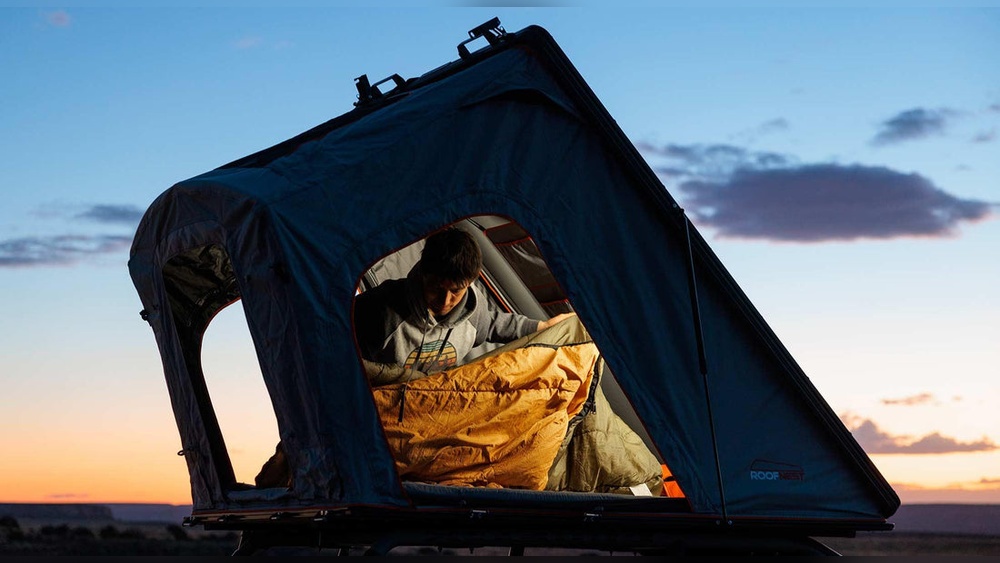
Sleeping in a roof top tent is an adventure many campers dream about. You’re above the ground, closer to the stars, and away from crawling bugs. But after the first night, many realize that comfort in a roof top tent doesn’t just happen by itself. A good night’s sleep depends on smart choices and a few key adjustments. This guide will help you turn your rooftop shelter into a cozy, restful space—even if you’re new to rooftop camping or have struggled with comfort before.
Why Comfort Matters In A Roof Top Tent
A good night’s sleep is crucial, especially when you’re camping. Poor sleep can make the next day’s hike or drive feel much harder. In a roof top tent, conditions are different from a house or even a ground tent. Wind, noise, temperature changes, and thin mattresses can all affect your rest. Getting comfortable isn’t just about luxury—it keeps you healthy and ready for adventure.
Choosing The Right Roof Top Tent For Comfort
The first step to comfortable sleep is picking a tent that fits your needs. Not all roof top tents are the same. Some have better mattresses, insulation, and ventilation than others.
Key Factors To Consider
- Mattress thickness: Look for at least a 2-3 inch foam mattress. Thicker is usually better for side sleepers.
- Tent size: Choose a tent that gives you enough space to stretch out. Solo campers might prefer a compact tent, while couples or families need something bigger.
- Materials: Insulated walls and a sturdy rainfly help regulate temperature and reduce condensation.
- Setup style: Hard-shell tents are faster to set up and often quieter in the wind, but soft-shell tents can be lighter and offer more space.
- Ventilation: Good airflow keeps the tent from getting stuffy or damp.
Here’s a quick comparison of common roof top tent types:
| Type | Comfort Features | Downsides |
|---|---|---|
| Hard-Shell | Thicker mattresses, better insulation, quieter | Heavier, more expensive |
| Soft-Shell | Lighter, bigger floor area | Thinner mattresses, more wind noise |
Upgrading Your Mattress
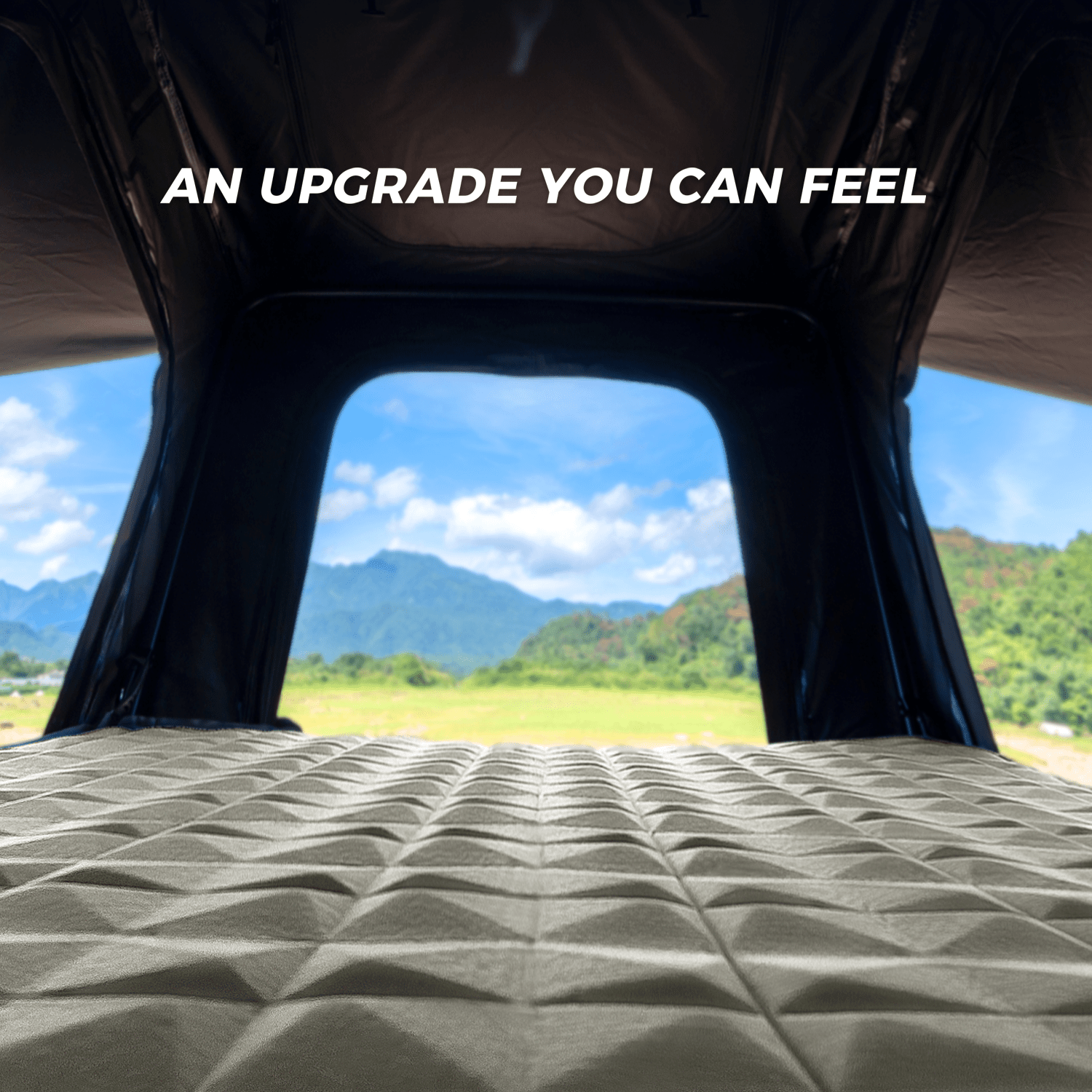
Most roof top tents come with a basic mattress, but many campers find these pads too firm or thin. Replacing or upgrading your mattress can make a big difference.
Options For Better Sleep
- Foam toppers: A memory foam topper (1-2 inches) can add softness and support. Cut it to the size of your tent mattress.
- Self-inflating pads: Place these under or over the existing mattress for extra cushioning.
- Inflatable camping pads: These are adjustable for firmness but may be noisy if you move a lot.
If you’re tall or sleep with a partner, make sure your pad covers the full sleeping area. Also, try your new setup at home before your trip. Some materials off-gas or have strong smells at first.
Controlling Temperature Inside The Tent
Temperature swings are common when sleeping on a car roof. Warm days can make the tent too hot, and nights can get cold, even in summer.
Staying Warm
- Insulated sleeping bags: Choose a sleeping bag rated for temperatures 5°C (10°F) lower than the coldest night expected.
- Blankets and liners: Fleece liners or wool blankets add warmth without much weight.
- Wear thermal layers: Layer up before bed. Merino wool is a good choice for its warmth and breathability.
- Hot water bottles: Fill a bottle with hot water and place it at your feet before you sleep.
Keeping Cool
- Ventilation: Open vents and windows to let hot air escape. Use mesh screens to keep bugs out.
- Battery-powered fans: Small portable fans can help circulate air.
- Light bedding: Bring a cotton sheet or a lightweight blanket for warm nights.
Here’s a quick look at how insulation and airflow affect inside temperatures:
| Condition | Effect on Comfort | Solution |
|---|---|---|
| Hot & Stuffy | Hard to fall asleep, sweating | Open vents, use fans, light bedding |
| Cold & Damp | Shivering, poor sleep quality | Insulated bag, extra blankets, thermal clothes |
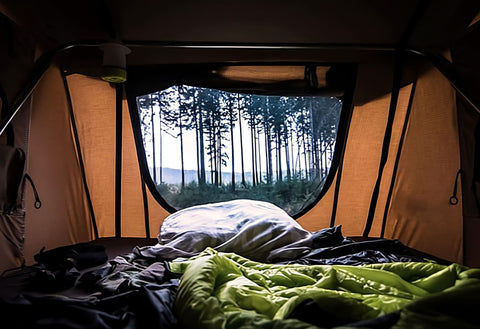
Credit: benehike.com
Managing Noise And Light
Roof top tents can be noisier than ground tents. Wind, rain, and even city sounds are more noticeable. Light from streetlights or the sunrise can also wake you up early.
Reducing Noise
- Earplugs: Simple foam earplugs can block most noises.
- White noise: Use a white noise app or a small portable device to mask outside sounds.
- Pitch direction: Set up your vehicle so the tent door faces away from busy roads or wind.
Blocking Light
- Eye masks: A soft sleep mask can help if your tent doesn’t have blackout panels.
- Window covers: Some tents offer blackout window covers; if not, use a dark towel or extra shirt.
Bedding Choices For Roof Top Tents
The right bedding can make a huge difference. Sleeping bags are popular, but some people prefer regular sheets and blankets.
Pros And Cons
| Bedding Type | Pros | Cons |
|---|---|---|
| Sleeping Bag | Warmth, packs small, easy to use | Can feel restrictive, hard to share |
| Sheets & Blanket | Feels like home, easy to layer, good for couples | Bulkier, needs careful packing |
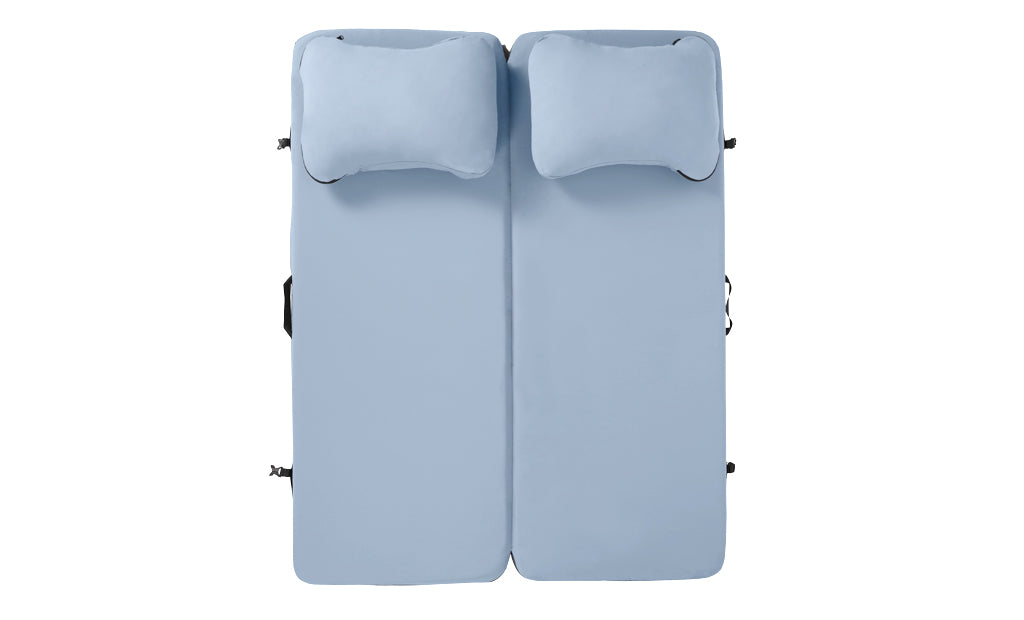
If you move around a lot in your sleep, sheets and a duvet may be more comfortable. For couples, a double sleeping bag or two zipped together can work well.
Credit: hest.com
Setting Up Your Tent For Maximum Comfort
A few simple steps during setup can make your tent more comfortable.
- Level your vehicle: Park on as flat a surface as possible. Sleeping on a slope leads to sliding and poor sleep.
- Clear the area: Remove sharp rocks or branches under your vehicle—they can transfer noise or cold.
- Secure the ladder: Make sure the ladder is stable and won’t move during the night.
- Organize gear: Store bags and shoes in the tent’s vestibule or a hanging organizer to keep the sleeping area tidy.
Pro tip: If your tent floor feels cold, add a layer of foam tiles or a blanket under the mattress.
Dealing With Condensation
Waking up to a damp mattress or bedding is unpleasant. Condensation forms when warm air inside the tent hits cold surfaces.
How To Prevent It
- Ventilate: Always keep at least one vent slightly open, even on cold nights.
- Dry wet clothes outside: Don’t bring damp gear into the tent.
- Use moisture absorbers: Silica gel packs or small moisture absorbers can help reduce dampness.
If you notice condensation, wipe down surfaces in the morning and air out your bedding.
Personal Sleep Habits And Routines
Your comfort also depends on your usual sleep needs. Some people fall asleep easily anywhere, while others need a specific pillow or bedtime routine.
- Pillows: Bring your pillow from home, or use a camping pillow with adjustable firmness.
- Bedtime habits: Stick to your usual routine—read, stretch, or listen to music.
- Hydration: Drink enough water, but avoid too much before bed to minimize night-time trips down the ladder.
Safety Tips For Roof Top Tent Sleepers
Feeling safe helps you relax and sleep better.
- Lock your vehicle: Always lock the doors before going to bed.
- Keep essentials handy: Flashlight, phone, and water bottle should be within reach.
- Check weather forecasts: Avoid setting up in high-wind areas or places with severe storms expected.
If you’re camping in bear country, follow all food storage rules. Never keep food in or near your tent.
Non-obvious Comfort Tricks
Many guides miss these two important tips:
- Pre-heat your bedding: On cold nights, warm your sleeping bag with a hot water bottle or by laying it in the sun during the afternoon.
- Rotate your mattress: Every few nights, rotate or flip your mattress if possible to avoid forming dips or pressure points.
These small actions can make a big difference, especially on longer trips.
Frequently Asked Questions
How Do I Make The Mattress In My Roof Top Tent More Comfortable?
Adding a foam topper or self-inflating pad is the most effective upgrade. Make sure it fits your tent size. Some people also use an extra blanket underneath for extra softness.
What’s The Best Bedding For Roof Top Tents In Hot Climates?
Use lightweight cotton sheets and a thin blanket. Open all mesh windows for ventilation and consider a battery-powered fan for airflow.
How Can I Stay Warm In A Roof Top Tent During Winter?
Choose a sleeping bag rated for cold weather, add thermal liners, and wear base layers to bed. Insulated roof top tents or internal liners also help trap heat.
Are Roof Top Tents Safe To Sleep In During Storms?
Most high-quality roof top tents are waterproof and wind-resistant, but it’s best to avoid camping in extreme conditions. Always check your tent’s specs and weather ratings before your trip.
Can Two Adults Sleep Comfortably In A Roof Top Tent?
Yes, if you pick a tent sized for two and use the right bedding. Look for tents with at least a queen-sized mattress area and consider a double sleeping bag or two zipped together for extra comfort.
Sleeping in a roof top tent can be the highlight of your camping trip. With the right setup, careful planning, and a few smart upgrades, you’ll sleep as well—or better—than you do at home. For more detailed technical data and tent reviews, visit CampSpot. Remember, comfort is personal, so experiment until you find what works best for you. With these tips, your next night under the stars will be cozy, restful, and unforgettable.
Credit: topoakoverland.com
Disclosure: As an Amazon Associate, I may earn from qualifying purchases at no extra cost to you. Amazon and the Amazon logo are trademarks of Amazon.com, Inc, or its affiliates.
