
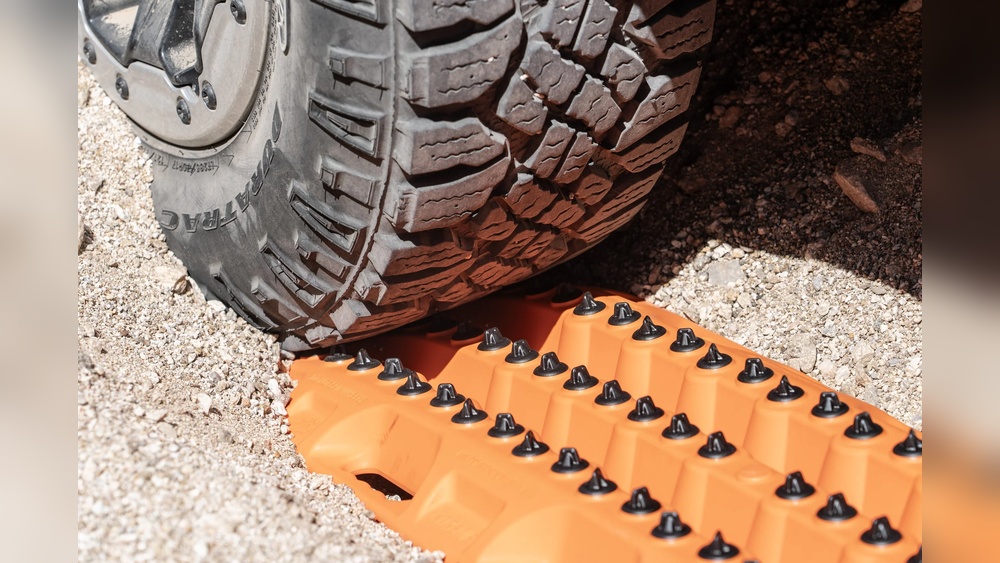
Getting stuck in mud, sand, or snow is a common challenge for off-road drivers. Traction boards are a popular tool for escaping slippery situations. But sometimes, after freeing your vehicle, the boards themselves become trapped under the wheels, deep in mud, or buried in sand. Recovering stuck traction boards can be frustrating and tiring. In this guide, you’ll learn reliable ways to retrieve your traction boards, prevent damage, and avoid losing your gear. Real-world examples, expert tips, and practical advice will help you handle any recovery situation with confidence.
Understanding Traction Boards And Why They Get Stuck
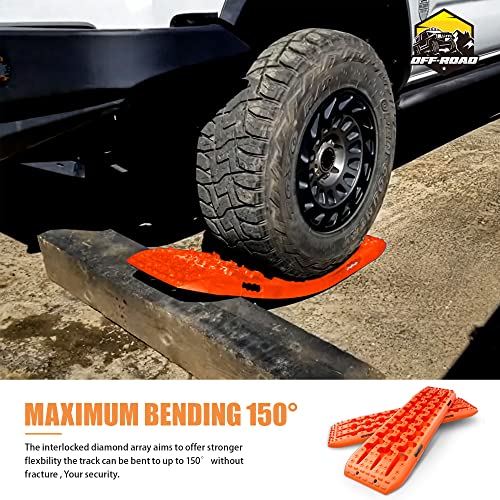
Traction boards, also known as recovery tracks, are designed to give your tires extra grip on slippery surfaces. They’re usually made from tough plastic and feature grooves or teeth. When you place them under your wheels, they help your vehicle move forward. However, once your vehicle is moving, the boards can:
- Sink deeper into mud or sand
- Slide under the vehicle
- Get caught under spinning tires
- Become covered by debris
This happens because the vehicle’s weight and tire movement push the boards downward. Sometimes, boards are forgotten in the rush to escape, leading to lost or damaged gear.
Preparing For Traction Board Recovery
Before you start, it’s important to think ahead. Recovering traction boards can be dirty and physically demanding. Here’s what you need:
- Gloves: Protect your hands from sharp edges or mud.
- Shovel: Useful for digging around stuck boards.
- Recovery rope or strap: For pulling boards out from a distance.
- Buddy system: If you’re not alone, ask for help.
- Visibility check: Make sure you know where the boards are before trying to recover them.
Many beginners overlook the value of gloves. Mud and sand can hide debris that may cut your hands. Also, using a shovel instead of your hands is safer and more effective.
Credit: linearcollider.org
Step-by-step Methods To Recover Stuck Traction Boards
Different terrains require different recovery methods. Let’s break down the best techniques for mud, sand, snow, and rocky surfaces.
Mud Recovery
Mud is sticky, heavy, and can suck boards deep below the surface. Here’s what to do:
- Locate the boards: Look for the edge or corner sticking out.
- Use a shovel: Dig around the board, not directly on top, to avoid pushing it deeper.
- Rock the board: Try moving it side-to-side to loosen the grip.
- Pull with a rope: Attach a recovery strap if accessible. Pull slowly to avoid breaking the board.
- Lift carefully: Use your knees, not your back, when lifting.
If the board is too deep, mark the spot and return later when the mud dries and becomes less sticky.
Sand Recovery
Sand is lighter than mud, but boards can sink quickly and disappear. Here’s a proven approach:
- Identify location: Look for tire tracks or disturbed sand.
- Dig horizontally: Sand collapses easily, so dig from the side, not straight down.
- Shake the board: Sand falls away when you gently shake the board.
- Use leverage: A shovel or stick can help lift the board.
- Brush off sand: Once recovered, clear sand before storing to prevent abrasion.
A common mistake is digging too deep. Most boards are less than 30 cm below the surface. Digging deeper often wastes energy.
Snow Recovery
Snow can cover boards completely. Sometimes, boards freeze into place.
- Trace tracks: Snow prints often show where boards are buried.
- Clear snow: Use a shovel or your hands to remove snow gently.
- Warm the area: If possible, pour a little warm water to loosen ice.
- Break ice carefully: Use a blunt tool to avoid damaging the board.
- Lift and shake: Shake the board to remove packed snow.
Avoid using sharp tools. They can crack plastic boards in cold temperatures.
Rocky Terrain Recovery
Rocks can wedge boards tightly. Here’s how to get them free:
- Inspect the board: See which side is most accessible.
- Remove loose stones: Clear the area around the board.
- Use leverage: Insert a stick or tool under the board and gently pry.
- Avoid force: Excessive force can snap the board.
- Slide out: Once loose, slide the board sideways for easier removal.
Boards often get scratched in rocky terrain. Inspect for cracks before next use.
Practical Tips For Easier Recovery
Over the years, experienced off-roaders have developed tricks to make board recovery simpler and safer.
- Attach a retrieval rope: Tie a strong rope to each board before use. After recovery, pull the rope to find and lift the board easily.
- Mark boards with bright colors: Boards painted orange or yellow are easier to spot.
- Record board positions: Take a quick photo with your phone before driving off. This helps you remember where boards are if they get buried.
- Avoid spinning tires: Wheel spin pushes boards deeper. Move slowly and steadily.
- Store boards in pairs: Keeping boards together reduces the risk of losing one.
Many beginners don’t think about visibility. Bright colors and ropes make a big difference, especially in muddy or sandy environments.
Comparing Recovery Tools And Techniques
Different tools and strategies can make board recovery easier. Here’s a comparison of their effectiveness on various terrains:
| Tool/Technique | Mud | Sand | Snow | Rocky |
|---|---|---|---|---|
| Shovel | Excellent | Good | Good | Fair |
| Retrieval Rope | Excellent | Excellent | Fair | Poor |
| Leverage Tool | Fair | Fair | Fair | Excellent |
| Bright Markings | Good | Excellent | Fair | Good |
This table shows that shovels and ropes are most helpful in mud and sand, while leverage tools shine in rocky areas.
How To Prevent Traction Boards From Getting Stuck
Prevention is always better than recovery. You can avoid the hassle of digging and pulling by taking a few simple steps:
- Place boards carefully: Position them so the vehicle moves straight over, not sideways.
- Monitor tire movement: Ask someone to watch as you drive off the boards.
- Use less throttle: Gentle acceleration reduces risk of pushing boards deep.
- Keep boards clean: Mud and sand stick less to clean boards.
- Tie ropes before use: This small step saves a lot of effort later.
Many drivers forget the importance of positioning. Angled boards tend to slip and get buried. Always align boards with the tires.

Credit: www.amazon.com
Data On Lost And Damaged Traction Boards
Off-road clubs and forums often share statistics about lost or damaged traction boards. Here are some key numbers:
| Scenario | Lost Boards (%) | Damaged Boards (%) |
|---|---|---|
| Mud Recovery | 18 | 25 |
| Sand Recovery | 12 | 15 |
| Snow Recovery | 8 | 10 |
| Rocky Recovery | 5 | 30 |
These numbers show mud and rocky terrain are the riskiest for losing or breaking boards. Using ropes and careful techniques can reduce these risks.
Real-world Example: Recovering Traction Boards In Deep Mud
Let’s look at a real situation. In 2022, an off-road group in Australia faced deep mud after heavy rain. Their traction boards disappeared under the wheels of a 4×4 truck. The group used:
- Retrieval ropes tied to each board
- Shovels to dig around the edges
- Bright markings to spot boards in muddy water
After 30 minutes, they recovered all boards without damage. The ropes made it easy to locate and pull the boards. This example shows that preparation and teamwork pay off.
Common Mistakes When Recovering Traction Boards
Many drivers repeat the same errors when recovering boards. Here are the most frequent mistakes:
- Digging straight down: This pushes boards deeper.
- Using too much force: This can snap plastic boards.
- Forgetting gloves: Mud and sand hide sharp objects.
- Ignoring board location: Not checking before moving the vehicle leads to lost boards.
- Leaving boards behind: Always double-check before driving away.
Avoiding these mistakes saves time, money, and frustration.
Maintenance And Inspection After Recovery
Once you’ve recovered your boards, inspect them before storing:
- Clean thoroughly: Remove mud, sand, or snow.
- Check for cracks: Look along the edges and teeth.
- Dry completely: Wet boards can grow mold.
- Store flat: Avoid bending or stacking heavy items on top.
- Replace damaged boards: Broken boards can fail in future emergencies.
Regular maintenance extends the life of your traction boards. It also helps you spot problems before your next adventure.

Credit: gearjunkie.com
Comparing Popular Traction Board Brands For Recovery
Different brands offer varying durability and recovery features. Here’s a comparison of three popular brands:
| Brand | Material | Durability | Recovery Features | Price Range |
|---|---|---|---|---|
| Maxtrax | Nylon | Excellent | Bright color, rope holes | $200-$300 |
| TRED | Polyethylene | Good | Leverage points, rope slots | $150-$220 |
| ARB | Composite | Good | Textured surface, rope holes | $180-$250 |
Maxtrax boards are especially popular due to their durability and bright colors, making recovery easier.
When To Replace Traction Boards
Boards don’t last forever. Here’s when you should consider replacing them:
- Cracks or splits: These weaken the board.
- Missing teeth: Less grip for tires.
- Warped shape: Harder to place under wheels.
- Excessive wear: Surface becomes smooth.
- Broken rope holes: Harder to retrieve.
Using damaged boards can lead to failure when you need them most.
Frequently Asked Questions
How Deep Can Traction Boards Sink In Mud Or Sand?
Traction boards can sink up to 30 cm (12 inches) in soft mud or sand. In extreme cases, they may go deeper if the vehicle is heavy or the surface is very loose. Always dig from the sides and use retrieval ropes for easier recovery.
What’s The Best Tool For Recovering Boards Stuck In Rocky Terrain?
A leverage tool like a crowbar or sturdy stick works best in rocky areas. It helps lift and slide the board out without applying too much force, which could cause damage.
Should I Use Metal Boards Instead Of Plastic For Easier Recovery?
Metal boards are more durable but heavier and harder to handle. They can be easier to spot but harder to pull out, especially in mud. Most off-roaders prefer high-quality plastic boards for their lighter weight and easier recovery.
How Can I Prevent Losing Traction Boards During Off-road Trips?
Tie a retrieval rope to each board and use bright markings. Also, take a photo of board placement before moving the vehicle. Double-check the area before leaving to make sure nothing is left behind.
Are Damaged Boards Safe To Use?
No, damaged boards are risky. Cracks, missing teeth, or warped shapes can cause the board to fail when you need traction. Always inspect boards after each use and replace them if necessary.
Recovering stuck vehicle traction boards is a skill every off-road enthusiast should learn. With the right tools, smart techniques, and careful preparation, you can save time, protect your gear, and stay safe. Remember, prevention is just as important as recovery. Take care of your boards and they’ll take care of you. For more expert guidance on recovery gear, visit the Tread Magazine. Happy trails and safe adventures!
Disclosure: As an Amazon Associate, I may earn from qualifying purchases at no extra cost to you. Amazon and the Amazon logo are trademarks of Amazon.com, Inc, or its affiliates.
