

Are you ready to take control of your kitchen plumbing and save money on costly repairs? Knowing how to plumb a kitchen sink yourself is easier than you think.
Whether you’re fixing a leak or installing a brand-new sink, this guide will walk you through every step with simple instructions you can follow. Imagine the satisfaction of turning on your faucet and seeing everything work perfectly, all because you did it yourself.
Keep reading, and by the end, you’ll have the confidence and know-how to handle your kitchen sink plumbing like a pro.
Tools And Materials Needed
Plumbing a kitchen sink requires specific tools and materials. Having these ready makes the job easier and faster. Understanding what you need helps avoid delays and mistakes.
Essential Plumbing Tools
Start with a pipe wrench. It helps tighten and loosen pipes. A basin wrench is perfect for hard-to-reach nuts under the sink. Use adjustable pliers for gripping and turning. A plumber’s tape seals pipe threads to stop leaks. A hacksaw cuts pipes to the right size. A bucket catches water during pipe removal. A flashlight helps see in dark, tight spaces. Safety gloves protect your hands from sharp edges.
Required Materials And Parts
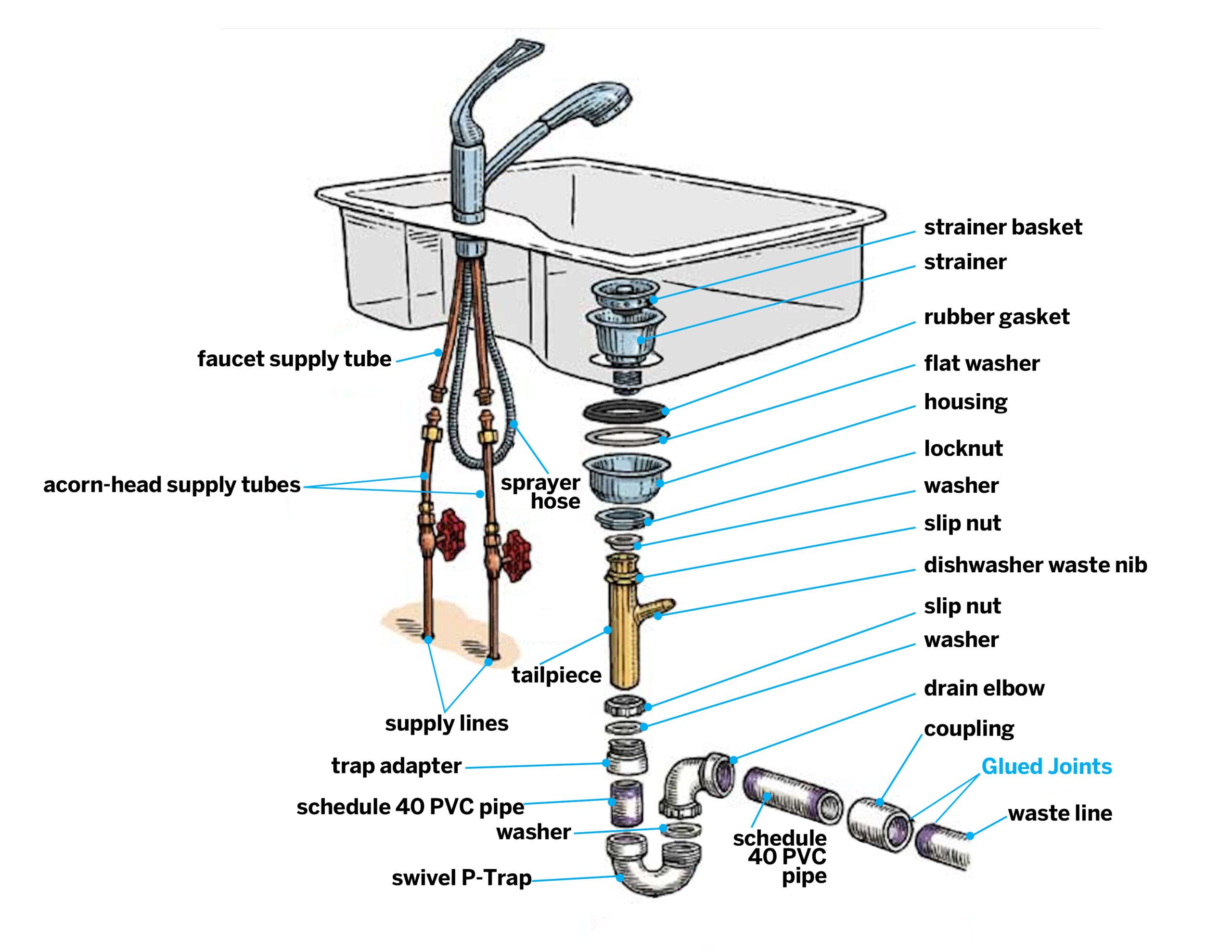
You need a sink drain assembly, including the strainer and gasket. P-trap pipes prevent sewer gas from entering your kitchen. Flexible supply lines connect water valves to the faucet. Plumber’s putty seals the drain and prevents leaks. Pipe fittings like elbows and couplings join pipe sections. Use Teflon tape on threaded connections to stop leaks. Make sure to have replacement washers and nuts. These small parts often wear out and cause drips.
Credit: antoniosbanquet.com
Preparing The Workspace
Preparing the workspace is the first step to plumb a kitchen sink. A clean and organized area makes the job safer and easier. It helps avoid mistakes and saves time during the work. Take some time to prepare well before starting.
Shutting Off Water Supply
Turn off the water supply to the kitchen sink before beginning. Find the shut-off valves under the sink and close them tightly. If there are no local valves, turn off the main water supply for the house. Open the faucet to drain any remaining water in the pipes. This step prevents leaks and water damage.
Clearing The Area
Remove everything from under the sink and around the workspace. Clear the countertop and sink area for better access. Use a bucket or towel to catch any water spills. Good lighting helps you see all parts of the plumbing. A tidy workspace keeps tools and parts within reach.
Installing The Faucet
Installing the faucet is a key step in plumbing a kitchen sink. It controls water flow and completes the sink setup. A proper faucet installation ensures no leaks and smooth operation. Follow these steps to place and secure your faucet correctly.
Positioning The Faucet
First, place the faucet in the designated hole on the sink or countertop. Check that the faucet aligns with the sink basin for easy use. Make sure the faucet spout reaches the center of the sink. Avoid positioning it too close to the edge or backsplash. This helps prevent water splashing outside the sink. Hold the faucet steady before tightening any connections.
Securing Connections
Next, secure the faucet using the mounting hardware provided. Tighten nuts or screws under the sink to hold the faucet firm. Do not overtighten; this can damage parts. Attach the water supply lines to the faucet inlets. Use plumber’s tape on threads for a tight seal. Check all connections for leaks after turning on the water supply. Fix any drips immediately to avoid water damage.
Connecting The Drain Assembly
Connecting the drain assembly is a key step in plumbing a kitchen sink. It ensures water flows out smoothly without leaks. This part involves attaching the drain flange, sealing it properly, and assembling the P-trap. Each step must be done carefully for a secure and lasting fit.
Attaching The Drain Flange
The drain flange sits at the sink’s drain hole. Place it carefully into the hole from the top. Make sure it fits snugly. From under the sink, screw on the locknut to hold the flange tight. Tighten the nut just enough to avoid leaks.
Sealing With Plumber’s Putty
Plumber’s putty prevents water from leaking around the flange. Roll a small rope of putty with your hands. Place it under the drain flange’s edge before inserting it into the sink. Press down firmly to create a tight seal. Remove any extra putty that squeezes out.
Assembling The P-trap
The P-trap connects the sink drain to the home’s waste pipe. It traps water to block sewer gases. Attach the curved pipe directly under the drain tailpiece. Use slip nuts and washers to connect the trap to the drain and wall pipe. Hand tighten all connections and check for leaks.
Hooking Up Water Supply Lines
Hooking up water supply lines is an important step in plumbing a kitchen sink. It connects your sink to the home’s water system. This allows water to flow properly from the faucet. Careful work ensures no leaks and good water pressure.
Start by identifying the hot and cold water lines. Each line needs to connect to the correct valve. Tight connections prevent water from dripping.
Connecting Hot And Cold Lines
Locate the shutoff valves under the sink. Attach the hot water line to the hot valve. Connect the cold water line to the cold valve. Use plumber’s tape on threads to secure fittings. Tighten connections by hand first, then use a wrench. Avoid over-tightening to prevent damage.
Checking For Leaks
Turn on both water valves slowly. Watch all connections closely for drips or moisture. Check under the sink and around fittings. Tighten any connections that leak slightly. Run water for a few minutes to test pressure. Make sure no water pools or drips remain.

Credit: www.familyhandyman.com
Testing And Troubleshooting
Testing and troubleshooting your kitchen sink plumbing is a crucial step after installation. It ensures everything works well and prevents leaks or blockages. Carefully checking your work saves time and money later. Follow these steps to confirm your plumbing is solid and fix common problems.
Running Water Tests
Turn on the faucet slowly. Watch all pipes and connections closely. Look for dripping or pooling water. Check under the sink and around the drain. Run both hot and cold water to test all lines. Allow water to flow for several minutes. This helps spot slow leaks and weak seals. Make sure the water drains quickly and smoothly. Any backup means a clog or wrong pipe angle.
Fixing Common Issues
Find a leak? Tighten all nuts and joints carefully. Use plumber’s tape on threaded connections for better seals. If water pools, check the drain trap for blockages. Clean out any debris or buildup. For slow drainage, clear the P-trap or use a plunger. Replace damaged washers or cracked pipes immediately. Loose pipes need tightening or repositioning. Always test after each fix to ensure success.
Maintenance Tips
Keeping your kitchen sink plumbing in good shape saves time and money. Simple care helps avoid big problems later. Small steps make a big difference. Follow these maintenance tips to keep water flowing smoothly.
Preventing Clogs
Clogs block water and cause bad smells. Avoid pouring grease or oil down the drain. Use a drain strainer to catch food bits. Run hot water after washing dishes. This clears leftover grease and soap.
Do not flush coffee grounds or eggshells. These items build up and block pipes. Use baking soda and vinegar monthly. Pour the mixture down the drain. It breaks down small clogs and cleans pipes.
Regular Inspection
Check your pipes often for leaks or damage. Look under the sink for water stains or drips. Tighten loose fittings with a wrench. Replace worn-out washers or seals to stop leaks.
Listen for strange sounds like gurgling or dripping. These signs show trouble in the pipes. Fix small problems early to avoid costly repairs. Keep your kitchen sink plumbing working well for years.
/how-to-install-a-sink-drain-2718789-05-a2a602315a3d4d12a8ed20429230382c.jpg)
Credit: www.thespruce.com
Frequently Asked Questions
How Do You Connect A Kitchen Sink Drain?
To connect a kitchen sink drain, align the drain pipe with the sink’s drain hole. Use plumber’s putty to seal the drain flange. Secure the drain with a locknut underneath. Connect the P-trap to the drain tailpiece. Tighten all connections to prevent leaks.
What Tools Are Needed To Plumb A Kitchen Sink?
You need a pipe wrench, adjustable pliers, plumber’s putty, Teflon tape, a hacksaw, and a bucket. These tools help you assemble and tighten pipes, seal connections, and cut pipes to size. Having them ready ensures a smooth plumbing process.
How To Prevent Leaks Under A Kitchen Sink?
Ensure all pipe connections are tight but not overtightened. Use plumber’s tape on threaded joints. Apply plumber’s putty around the drain flange. Regularly check for drips and moisture. Fix any leaks immediately to avoid water damage and mold growth.
Can I Plumb A Kitchen Sink Without Professional Help?
Yes, with basic plumbing knowledge and proper tools, you can plumb a kitchen sink yourself. Follow step-by-step instructions carefully. However, for complex plumbing or code compliance, hiring a professional is recommended to avoid costly mistakes.
Conclusion
Plumbing a kitchen sink can seem tough at first. Take it step by step and stay patient. Use the right tools and follow safety tips. Check all connections for leaks before finishing. A well-plumbed sink works smoothly every day. You can save money by doing it yourself.
Practice helps you get better each time. Don’t rush; careful work makes a big difference. Now, you have the basics to start your project. Enjoy your new kitchen sink setup!
Disclosure: As an Amazon Associate, I may earn from qualifying purchases at no extra cost to you. Amazon and the Amazon logo are trademarks of Amazon.com, Inc, or its affiliates.
