
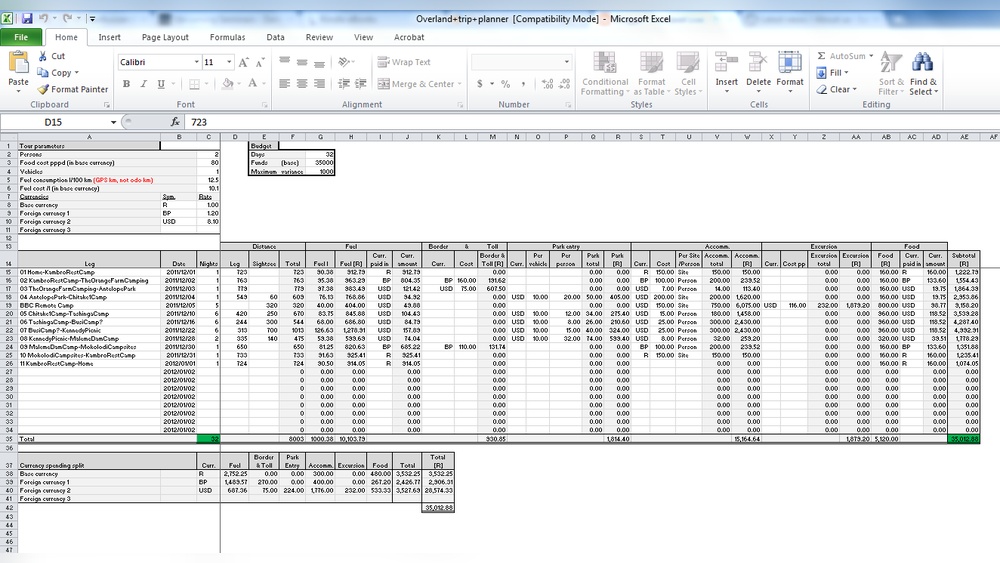
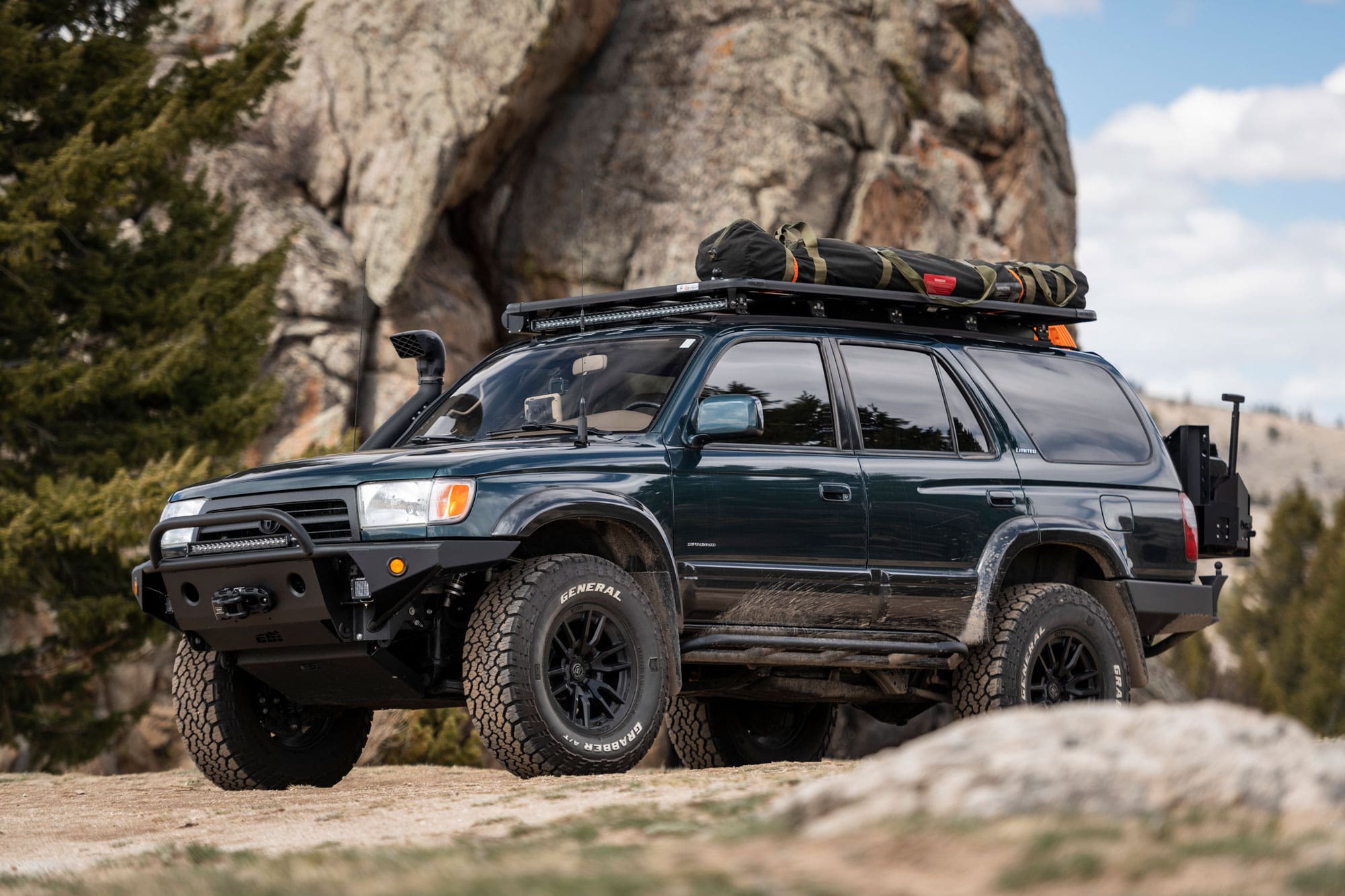
Planning an overlanding trip is exciting, but it can quickly become stressful if you don’t manage your budget well. Overlanding means traveling long distances by vehicle, often off the beaten path, and carrying everything you need. Costs can add up fast, from gear to food to unexpected repairs.
A smart budget helps you enjoy the adventure without constant money worries. Let’s look at how to plan your overlanding trip budget in a way that is practical, realistic, and easy to follow—even if you’re new to this type of travel.
Understanding Overlanding Costs
Every overlanding journey is unique, but certain costs show up on almost every trip. Think about these main categories before you start:
- Vehicle expenses (purchase, upgrades, fuel, maintenance)
- Accommodation (campsites, hotels, wild camping fees)
- Food and water
- Gear and equipment
- Permits and paperwork
- Insurance
- Health and safety
- Unexpected expenses
Many beginners underestimate some of these costs. For example, small repairs in remote areas can be expensive, and crossing borders often requires extra documentation or fees. Always assume things may cost a bit more than you think.
Setting A Realistic Budget
Decide Your Priorities
Your budget depends on your travel style. Do you prefer basic camping or a few hotel stops? Will you cook or eat out? Write down your must-haves and nice-to-haves.
Estimate Daily Spending
A good starting point is to estimate your daily cost. This includes food, accommodation, fuel, and small extras. Research destinations to see typical prices, then multiply by the number of days you plan to travel.
Add A Safety Margin
Always add at least 15–20% extra to your total budget for emergencies. Overlanding rarely goes exactly as planned. Having a buffer means you’re ready for surprises.
Breaking Down The Big Expenses
Vehicle Costs
The vehicle is the heart of any overlanding trip. Costs can include:
- Buying or renting the vehicle
- Upgrades and modifications (roof racks, storage, suspension, tires)
- Routine maintenance (oil changes, brake pads, filters)
- Repairs and spare parts
Example Comparison
Here’s a comparison of estimated costs for preparing different types of vehicles:
| Vehicle Type | Initial Cost (USD) | Upgrade/Prep Cost | Annual Maintenance |
|---|---|---|---|
| Used 4×4 SUV | $15,000 | $3,000 | $1,200 |
| Pickup Truck | $20,000 | $5,000 | $1,500 |
| Camper Van | $35,000 | $7,000 | $2,000 |
Don’t forget fuel. Check your vehicle’s average fuel consumption and calculate costs for your route.
Fuel Expenses
Fuel can be one of the largest ongoing costs. Prices vary by country and region. Use online tools or apps to check fuel prices along your route.
Fuel Cost Calculation Example
Suppose your vehicle uses 12 liters per 100 km, your planned route is 5,000 km, and fuel costs $1. 30/liter.
- Total fuel needed: 12 x 50 = 600 liters
- Total fuel cost: 600 x $1.30 = $780
It’s smart to round up and plan for detours or rough roads, which use more fuel.
Accommodation
You may choose between wild camping, paid campsites, or hotels. Mixing these can save money.
| Accommodation Type | Average Cost/Night | Notes |
|---|---|---|
| Wild Camping | $0 | Free, but not always legal or safe |
| Paid Campsite | $10–$30 | Facilities included, often safer |
| Hostel/Hotel | $20–$100 | Good for rest days or bad weather |
Planning a mix helps balance comfort and cost.
Food And Water
Self-catering is usually cheaper than eating out. Plan for:
- Groceries and fresh produce
- Cooking fuel (gas, charcoal)
- Occasional restaurant meals
- Safe drinking water (filters, bottled water)
Daily food budget can range from $5 (basic cooking) to $30+ (eating out often). Don’t forget snacks and coffee breaks.
Gear And Equipment
Overlanding needs reliable gear. Common items:
- Tent or rooftop tent
- Sleeping bags and mats
- Cooking gear
- Navigation tools (maps, GPS)
- Recovery gear (tow straps, shovel, traction boards)
- Communication devices (satellite phone, radio)
- Solar panels or power banks
Quality gear lasts longer but costs more upfront. Make a list and price each item. Renting can save money on items you’ll only use once.
Permits And Paperwork
Crossing borders may require:
- Visas
- Carnet de Passage (vehicle passport)
- National park permits
- Toll fees
Research each country’s requirements and fees well in advance. Some permits take weeks to arrange. Forgetting paperwork can cause delays and extra costs.
Insurance
Never skip insurance. You’ll need:
- Vehicle insurance (check if it covers all countries on your route)
- Travel/health insurance (accidents, illness, evacuation)
- Gear insurance (for expensive equipment)
Read the policy details. Some insurance only covers certain regions or types of roads.
Health And Safety
Budget for vaccines, medications, and a well-stocked first aid kit. In some regions, you may need malaria tablets or water purification supplies.
Unexpected Expenses
Even with careful planning, surprises happen. Examples:
- Vehicle breakdowns in remote areas
- Medical emergencies
- Changes in political situation or weather
- Lost or stolen gear
Set aside a “contingency fund”—money you don’t touch unless something goes wrong. This is one of the most important tips for stress-free overlanding.
Saving Money Without Cutting Safety
Travel Off-peak
Traveling outside of busy tourist seasons often means lower prices for campsites and hotels. Roads are quieter, and you may find better deals on activities.
Group Travel
Traveling with friends can help share costs for fuel, campsites, and even some gear. You’ll also have help if something goes wrong.
Buy Used Gear
Many overlanders sell good-quality used gear after their trips. Check online forums or local marketplaces for deals.
Cook Your Own Food
Preparing your own meals saves money and lets you control your diet. Practice a few easy recipes before your trip.
Avoid Unnecessary Upgrades
It’s tempting to buy every gadget, but focus on what you really need. Many beginners overspend on equipment they use only once.

Credit: www.twodustytravelers.com
Tracking Your Budget On The Road
Set up a simple way to record your spending each day. A notebook, spreadsheet, or budgeting app works. Tracking helps you spot when you’re spending too much and adjust before it’s a problem.
Sample Budget Tracking Sheet
| Date | Category | Amount Spent | Notes |
|---|---|---|---|
| April 2 | Fuel | $60 | Filled up in small town |
| April 3 | Food | $15 | Groceries for 2 days |
| April 3 | Campsite | $20 | Paid campsite with showers |
A record like this can also be useful if you want to share your experience or help others plan.
Two Non-obvious Insights
- Currency Fluctuations Matter: Exchange rates can change quickly, especially if you’re traveling through many countries. Plan a little extra in your budget to cover sudden changes. Consider carrying a mix of cash and cards, and know the best places to exchange money.
- Border Delays Add Up: Waiting at borders can mean unexpected hotel stays or extra meals if the process takes longer than planned. Budget time and money for these delays—especially in regions known for slow border crossings.
Credit: www.xoverland.com
Example: Budget For A Two-week Overlanding Trip
Let’s estimate a basic budget for a two-week overlanding trip through southern Africa for two people:
- Vehicle rental: $1,200
- Fuel: $400
- Accommodation (mix of camping and budget hotels): $350
- Food and water: $280
- Gear rental: $150
- Permits/visas: $100
- Insurance: $120
- Unexpected expenses: $300
- Total: $2,900
This is just an example, but building your own budget in this way makes it easier to adjust for your own plans.
Where To Find Up-to-date Information
Always check the latest information before your trip. Prices, border rules, and safety can change. The WikiOverland site is a reliable resource for real-world travel costs and tips from overlanders worldwide.
Credit: www.etsy.com
Frequently Asked Questions
How Much Does A Typical Overlanding Trip Cost Per Day?
It depends on where you go and your style. Many travelers spend $50–$120 per day for two people, including fuel, food, and accommodation. Remote or expensive regions can be higher.
Should I Buy Or Rent An Overlanding Vehicle?
If you’re going for a short trip or traveling far from home, renting is often cheaper and easier. Buying makes sense for long or multiple trips, but remember to include maintenance and resale value in your budget.
What If I Run Out Of Money During My Trip?
Plan a backup. Carry an emergency fund you don’t touch except in real need. Also, have a way to access extra money (like a credit card or online bank transfer).
How Do I Find Cheap Campsites Or Free Camping Spots?
Use apps, websites, or ask locals and other travelers. Some regions have legal wild camping, while others don’t. Always check rules and respect the environment.
Is Travel Insurance Really Necessary?
Yes. Travel insurance protects you from big expenses if you have an accident, get sick, or need to be evacuated. Read the details so you know what’s covered.
Planning your overlanding trip budget takes time, but it’s worth every minute. You’ll travel with more confidence, knowing you’re ready for both the adventure and the unexpected. With smart choices and a clear plan, you can enjoy the journey and all the surprises along the way.
Disclosure: As an Amazon Associate, I may earn from qualifying purchases at no extra cost to you. Amazon and the Amazon logo are trademarks of Amazon.com, Inc, or its affiliates.
