
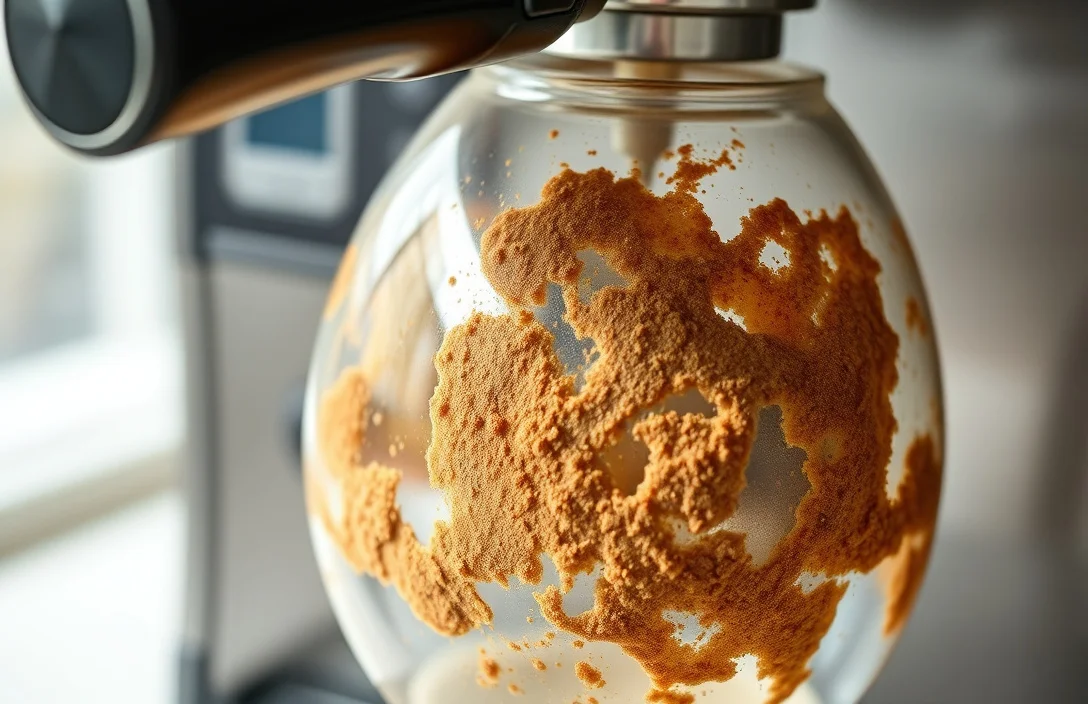
Mold in your coffee reservoir can affect the taste of your brew and even pose health risks. Regular cleaning maintains a fresh coffee experience. With simple household items, you can effectively remove mold and keep your coffee maker in top condition.
Coffee reservoirs often develop mold due to moisture and stagnant water. Cleaning is crucial for hygiene and coffee quality. A straightforward cleaning regimen involves using vinegar or mild detergent. This guide details practical steps for effectively cleaning mold from your coffee reservoir.
Key Takeaways
- Identify the problem. Mold can cause off-flavors in coffee and indicates that regular cleaning is necessary.
- Gather supplies. You’ll need white vinegar, warm water, a soft sponge, and a toothbrush for hard-to-reach spots.
- Follow the steps. Empty the reservoir, mix the cleaning solution, scrub the surfaces, and rinse thoroughly to remove any residue.
- Implement preventive measures. Clean every month to help prevent mold growth in the future.
- Stay vigilant. Check your coffee maker regularly for signs of mold, especially in humid conditions.
How to begin
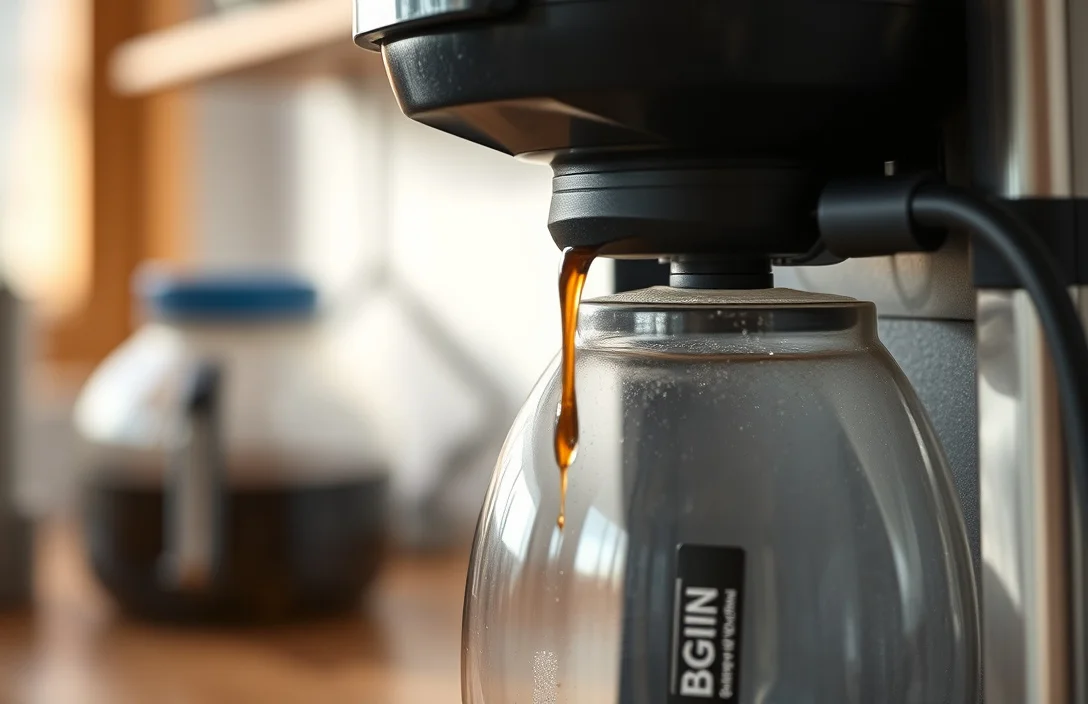
Before cleaning mold from your coffee reservoir, gather the necessary materials: white vinegar or mild dish soap, warm water, a soft sponge or cloth, and a toothbrush for stubborn spots. Unplug your coffee maker for safety before starting the cleaning process.
Identifying mold is crucial. Look for dark, fuzzy spots inside the reservoir or unusual odors. Regular maintenance prevents mold buildup, so aim to clean your coffee maker at least once a month.
Basics of Cleaning Mold from Coffee Reservoirs
Mold thrives in moist environments, making coffee reservoirs ideal breeding grounds if not cleaned regularly. The cleaning process involves using a solution that effectively kills mold spores while being safe for your coffee maker. White vinegar is popular due to its antimicrobial properties, but you can also use a dish soap solution.
Disassemble your coffee maker according to the manufacturer’s instructions to access all areas of the reservoir for a thorough cleaning.
Step-by-Step Cleaning Process
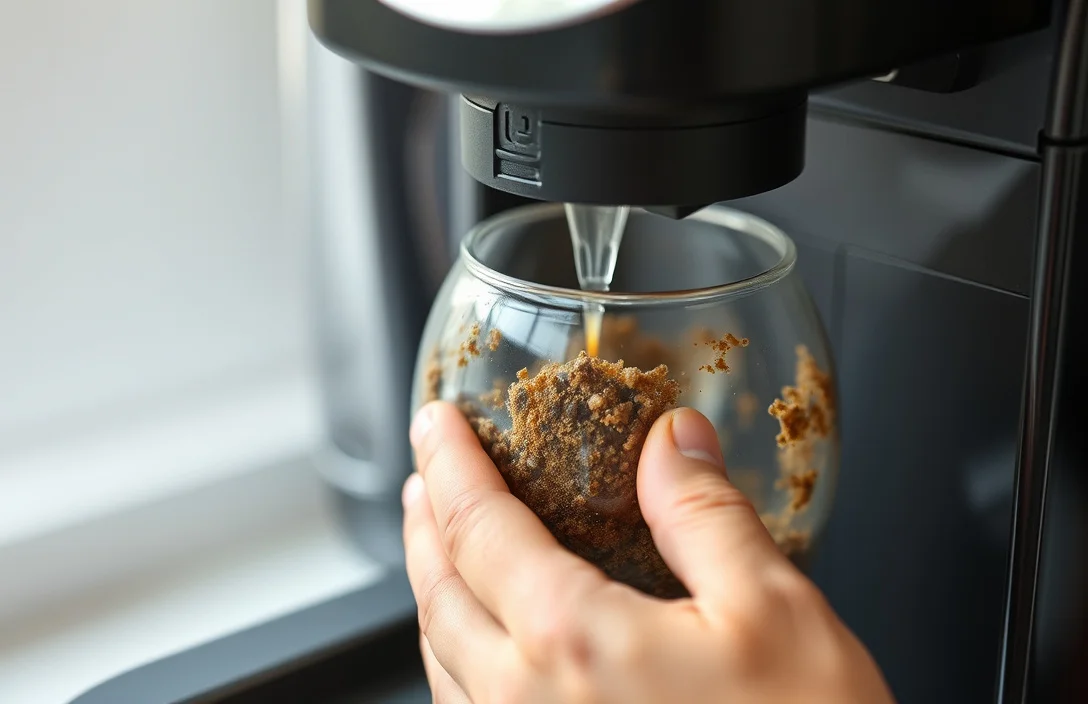
- Unplug the coffee maker. Safety comes first. Ensure your machine is disconnected from power.
- Remove the reservoir. Take the water reservoir out of the coffee maker and empty any remaining water.
- Prepare the cleaning solution. Mix equal parts of water and white vinegar in a bowl, or use warm, soapy water.
- Scrub the reservoir. Use a soft sponge or cloth to scrub the inside of the reservoir. For hard-to-reach areas, use a toothbrush to clean corners and crevices.
- Rinse thoroughly. Rinse the reservoir with warm water to remove any cleaning solution and mold residues.
- Dry completely. Allow the reservoir to air dry completely before reassembling it into the coffee maker.
Following these steps ensures effective mold removal from your coffee reservoir.
Effective Techniques for Cleaning Mold
Consider these techniques to enhance your cleaning:
- Use vinegar. Its natural acidity helps break down mold and disinfect surfaces. Let the vinegar solution sit for a few minutes before scrubbing.
- Soaking method. For persistent mold, fill the reservoir with a vinegar-water solution and let it soak for an hour. This loosens the mold for easier scrubbing.
- Regular maintenance. Establish a cleaning schedule. Flushing the reservoir with vinegar can help prevent mold growth.
These techniques will help maintain a clean coffee reservoir and improve your coffee maker’s lifespan.

Helpful pick
Large Silicone Ice Cube Tray – 3 Pack Trays for 8 Square Cubes with Large Bin, Scoop, Tong & 2 SS Straws – Easy Release Ice Mold for Whiskey, Cocktails, Coffee (Black)
The Large Silicone Ice Cube Tray is perfect for creating ice molds that can be used in coffee drinks.
What works in practice

Implement these best practices:
- Clean monthly. Habitually clean the reservoir at least once a month to prevent mold buildup.
- Use filtered water. Filtered water minimizes mineral deposits that contribute to mold growth.
- Store properly. If you don’t use your coffee maker daily, leave the reservoir empty and dry to discourage mold.
- Check for leaks. Regularly inspect your coffee maker for leaks that could lead to stagnant water.
By following these practices, you can significantly reduce the chances of mold developing in your coffee reservoir.
Mistakes that waste time
Avoid these common mistakes:
- Ignoring hard-to-reach areas. Mold can hide in corners; ensure thorough cleaning of all areas.
- Using abrasive cleaners. Harsh chemicals or abrasive materials can damage the reservoir and affect coffee flavor.
- Neglecting to dry. Not drying the reservoir completely can lead to new mold growth.
- Infrequent cleaning. Skipping cleanings allows mold to build up, making future cleanings more difficult.
Being aware of these mistakes helps maintain a clean coffee maker and enjoy better-tasting coffee.

Helpful pick
LeeYean Silicone Mini Ice Cube Trays 2 Pack, 160 Small Ice Cube Molds Easy Release Crushed Ice Cube for Chilling Whiskey Cocktail, BPA Free Flexible Stackable and Durable Soft Mold Storage Containers
LeeYean Silicone Mini Ice Cube Trays help avoid mistakes by ensuring easy release of ice cubes for your beverages.
Pro Tips for Effective Mold Removal
For effective mold removal, consider these pro tips:
- Boiling water rinse. After scrubbing, rinsing the reservoir with boiling water helps kill remaining mold spores.
- Essential oils. Adding a few drops of food-safe essential oils like tea tree oil to your cleaning solution can enhance its mold-fighting properties.
- Monitor humidity. In humid environments, using a dehumidifier can reduce moisture levels in your kitchen.
Implementing these pro tips enhances your cleaning routine and keeps your coffee reservoir fresh.
💡 The Silicone Coffee Rack Mold is a flexible storage solution for your coffee pods, keeping them organized and accessible. Silicone Coffee Rack Mold – Flexible & Durable Storage Solution for Coffee Pods, DIY Home Use.
FAQ
How often should I clean my coffee reservoir?
Clean your coffee reservoir at least once a month to prevent mold growth and maintain optimal coffee flavor.
Can I use bleach to clean my coffee maker?
Avoid using bleach, as it can leave harmful residues and affect the taste of your coffee. Stick with vinegar or mild soap for safe cleaning.
What are the signs of mold in my coffee maker?
Signs of mold include dark spots in the reservoir, an unpleasant odor, or a change in the taste of your coffee.
How can I prevent mold from growing in my coffee maker?
Regular cleaning, using filtered water, and ensuring the reservoir is dry effectively prevent mold growth.
Is it safe to use vinegar in my coffee maker?
Yes, white vinegar is safe for cleaning your coffee maker and acts as a natural disinfectant. Just remember to rinse thoroughly afterward.
By following these guidelines, you can maintain a clean coffee reservoir and enjoy consistently great-tasting coffee. Regular upkeep enhances flavor and extends the life of your coffee maker. Make cleaning a routine part of your coffee-making process for the best results.
Disclosure: As an Amazon Associate, I may earn from qualifying purchases at no extra cost to you. Amazon and the Amazon logo are trademarks of Amazon.com, Inc, or its affiliates.
