
Keeping your car running smoothly means paying attention to even the small parts under the hood. One of these is the MAF sensor (Mass Air Flow sensor). Many drivers don’t realize how important this sensor is or how often it needs cleaning. If you’ve ever wondered when or why to clean your MAF sensor, you’re not alone. Understanding this simple maintenance task can make a big difference in your car’s performance, fuel efficiency, and even its lifespan. Let’s look closer at when and how often you should clean your MAF sensor, why it matters, and what happens if you ignore it.
What Is A Maf Sensor And Why Is It Important?
The MAF sensor measures the amount of air entering your engine. This information helps your car’s computer (ECU) adjust the fuel mix. If the sensor gives the wrong readings, your car could run too rich (too much fuel) or too lean (not enough fuel). Both conditions can cause problems like rough idling, poor acceleration, and higher emissions.
Most modern cars use either a hot wire or a vane meter type MAF sensor. Hot wire sensors are more common. They use a thin wire heated by electricity. As air flows past, it cools the wire. The sensor measures how much current is needed to keep the wire hot, and this tells the ECU how much air is coming in.
Key roles of the MAF sensor:
- Keeps fuel mix balanced for best power and efficiency
- Helps engine start easily in all conditions
- Reduces harmful emissions
- Prevents engine hesitation and stalling
Why Does The Maf Sensor Get Dirty?
A MAF sensor sits in the air intake. Over time, tiny particles, dust, pollen, oil vapor, and even small bugs can stick to the sensor’s wire or plate. Even with a good air filter, some debris gets through. If you use an oiled air filter, oil particles can coat the sensor more quickly.
Common causes of MAF sensor dirt build-up:
- Driving in dusty or sandy areas
- Leaking or clogged air filters
- Use of oiled aftermarket filters
- Engine blow-by (oil vapor entering intake)
A dirty sensor cannot measure airflow correctly. This causes the ECU to send wrong amounts of fuel, making your car run poorly.
How Often Should You Clean Your Maf Sensor?
There is no single rule for every car. The answer depends on your car’s make, model, driving conditions, and maintenance habits. Most experts suggest cleaning the MAF sensor every 12,000 to 15,000 miles (19,000 to 24,000 km) or once a year. However, some drivers may need to clean it more or less often.
| Mileage | Driving Condition | Recommended Cleaning Interval |
|---|---|---|
| Up to 10,000 miles | Mostly city, clean air | Every 12-18 months |
| 10,000 – 20,000 miles | Some highway, moderate dust | Every 12 months |
| 20,000+ miles | Heavy dust, rural or off-road | Every 6-8 months |
If you notice any engine performance issues (like rough idling, poor acceleration, or decreased fuel economy), you should check and possibly clean the sensor sooner.
Signs Your Maf Sensor Needs Cleaning
You don’t have to wait for a scheduled interval. Your car often gives warning signs when the MAF sensor is dirty. Look for these signals:
- Check Engine Light: This is often the first sign. The car’s computer will detect wrong air-fuel mix.
- Poor Fuel Economy: If you visit the pump more often, a dirty sensor could be the reason.
- Rough Idling or Stalling: The engine may shake or cut out unexpectedly.
- Hard Starts: Engine struggles to start, especially when cold.
- Loss of Power: Sluggish acceleration or weak engine response.
These symptoms can have other causes too, but the MAF sensor is a common culprit. Checking it is a quick and low-cost step before moving to more complex repairs.

Credit: www.youtube.com
How To Clean A Maf Sensor
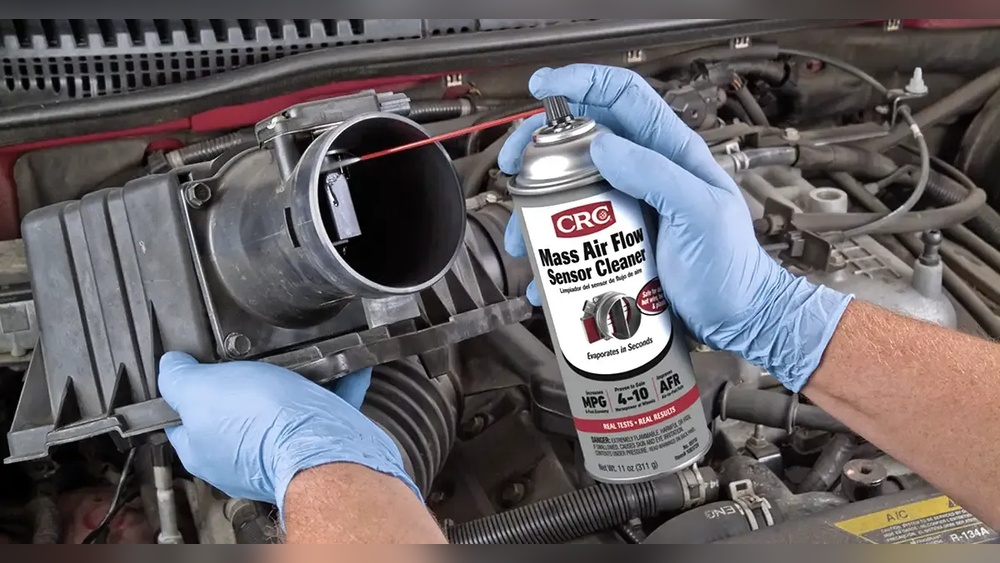
Cleaning a MAF sensor is simple and can often be done in less than 30 minutes. Here’s a step-by-step process, using common tools and a can of MAF sensor cleaner (never use brake or carburetor cleaner).
- Turn Off Engine and Disconnect Battery: Always work on a cool engine.
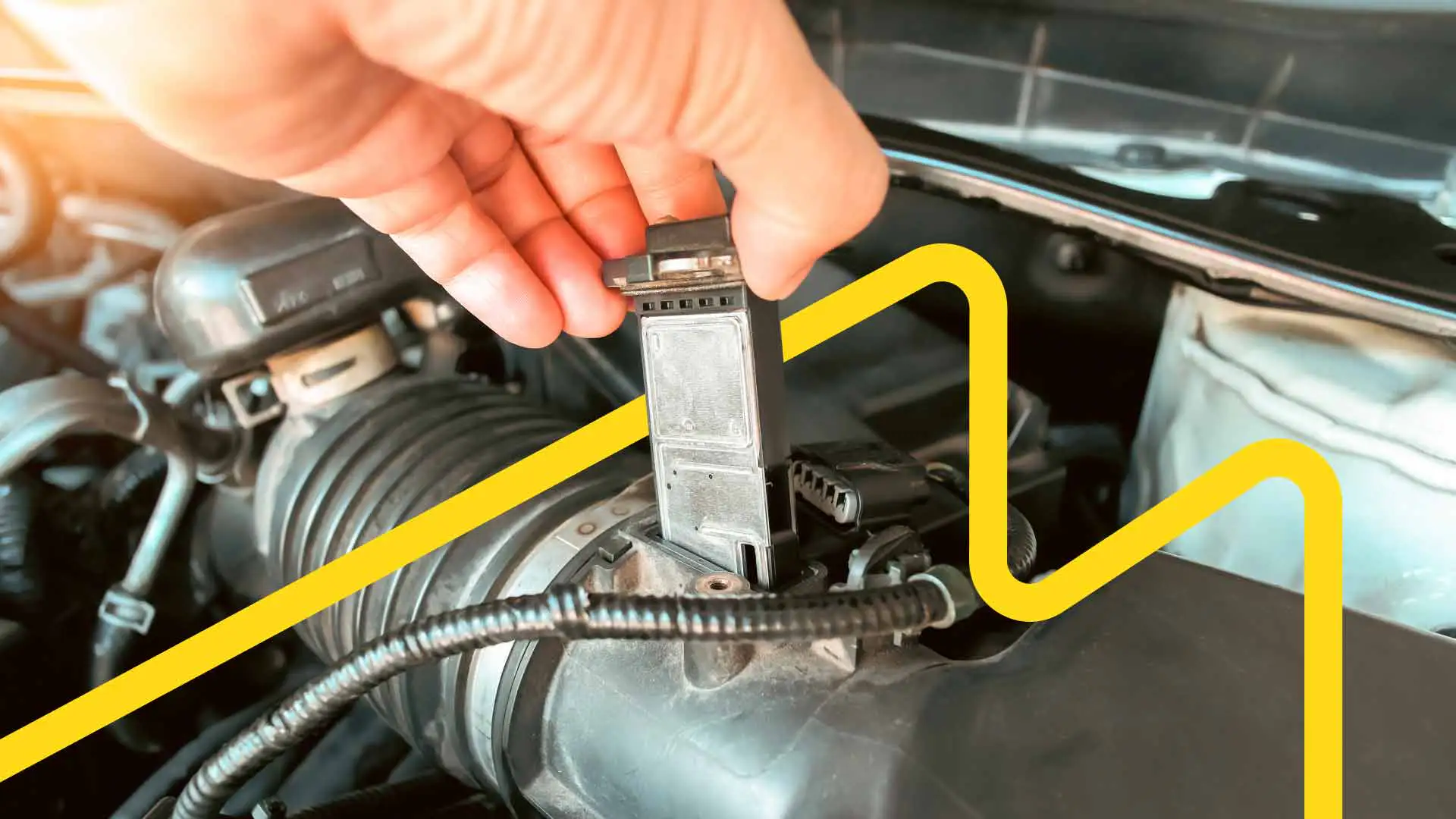
- Locate the MAF Sensor: Usually found between the air filter and throttle body.
- Disconnect the Sensor’s Electrical Plug: Be gentle; the plug is delicate.
- Remove the Sensor: Often held in place by two screws or clamps.
- Spray with MAF Sensor Cleaner: Hold the sensor and spray the wire/plate for 10-15 seconds. Do not touch the wire with fingers or tools.
- Let the Sensor Dry: Wait at least 15 minutes before reinstalling.
- Reinstall Sensor and Plug: Make sure all connections are tight.
Pro tips:
- Use only cleaners marked “MAF sensor safe.”
- Never touch the sensor wire; it’s very fragile.
- Wear gloves and eye protection.
- Double-check your air filter; replace it if dirty.
What Happens If You Don’t Clean The Maf Sensor?
Ignoring MAF sensor cleaning can lead to bigger problems:
- Reduced Fuel Efficiency: The engine burns more fuel to compensate for wrong readings.
- Engine Misfires: Inconsistent air-fuel mix causes rough operation.
- Catalytic Converter Damage: Unburned fuel can overheat and ruin this expensive part.
- Failed Emissions Test: Inaccurate readings cause higher pollutants.
- Reduced Engine Life: Poor combustion leads to carbon build-up and wear.
A clogged MAF sensor can even cause “limp mode,” where the car reduces power to protect itself.
Factory Recommendations Vs. Real-world Practice
Car manufacturers often don’t list MAF sensor cleaning in routine maintenance schedules. They expect the sensor to last for years. However, in the real world, dirty air, aftermarket filters, and older engines mean sensors can get dirty much faster than expected.
Let’s compare factory advice to real-world practice:
| Factory Advice | Real-World Practice |
|---|---|
| Clean only if problem occurs | Preventive cleaning every 12,000-15,000 miles |
| Replace at failure | Clean first, replace only if cleaning fails |
| No schedule for cleaning | Regular cleaning based on driving conditions |
Many mechanics recommend preventive cleaning, especially if you drive in dusty areas or your car is more than 5 years old.
Should You Replace Or Clean The Maf Sensor?
A common question is whether to clean or replace the sensor. Most of the time, regular cleaning keeps the sensor working for the life of the car. Only if cleaning does not help, or if the sensor is damaged, should you replace it.
When cleaning is enough:
- Sensor is dirty but not physically damaged
- No signs of wire breakage or corrosion
- Sensor responds well after cleaning
When to replace:
- Sensor wire is broken or corroded
- Sensor still gives wrong readings after cleaning
- Error codes remain after cleaning and reset
Replacement sensors can cost from $50 to $300 or more, depending on the car. Cleaning first saves money and often solves the problem.

Credit: www.wikihow.com
Common Mistakes When Cleaning A Maf Sensor
Many beginners make errors that can damage the sensor or make the problem worse. Avoid these common mistakes:
- Using the Wrong Cleaner: Only use “MAF sensor cleaner.” Other sprays can leave residue or damage the wire.
- Touching the Wire: Even a light touch can break the sensor wire.
- Not Letting It Dry: Moisture can cause shorts or errors.
- Ignoring the Air Filter: A dirty air filter will quickly re-contaminate a clean sensor.
- Forgetting to Reset Codes: Use a code reader or disconnect the battery to clear error codes after cleaning.
How Clean Maf Sensors Affect Performance And Fuel Economy
Drivers often underestimate how much a clean MAF sensor helps. Many report noticeable gains after cleaning:
- Smoother idling: Engine runs quietly and evenly
- Better acceleration: Faster throttle response
- Improved MPG: Some drivers see 5–10% better fuel economy
- Reduced emissions: Cleaner exhaust, better chance of passing tests
A clean sensor helps the ECU make precise adjustments, leading to a better driving experience.
Practical Tips For Longer Maf Sensor Life
- Change Air Filters Regularly: A clogged filter lets dirt through.
- Avoid Oiled Filters: Oil can coat the sensor wire.
- Seal Air Intake: Make sure there are no leaks after the filter.
- Drive Gently in Dust: Avoid following closely behind trucks on dirt roads.
- Check After Engine Repairs: Any work near the intake can disturb the sensor.
By following these tips, many drivers go years without needing a new sensor.
Cost Of Maf Sensor Cleaning
Professional cleaning can cost $50–$100 at a repair shop. Doing it yourself costs about $10–$15 for a can of cleaner and some time.
DIY cleaning is safe if you follow instructions. Most sensors are easy to reach and remove.
Credit: www.shopmonkey.io
Real-world Example
A 2012 Toyota Corolla owner noticed rough idling and poor gas mileage. The check engine light showed a MAF sensor error. After removing and cleaning the sensor with proper spray, the car returned to normal. The entire job took 20 minutes and cost less than $15—far less than a shop charge.
When In Doubt, Get Professional Help
If you are not sure about cleaning the MAF sensor or your symptoms do not improve, it’s smart to consult a professional mechanic. Some cars have sensitive sensors or require special tools.
Frequently Asked Questions
How Do I Know If My Maf Sensor Is Dirty Or Failing?
Look for check engine light, reduced power, rough idle, or bad fuel economy. A dirty sensor usually improves after cleaning, while a failed sensor may not.
Can I Clean The Maf Sensor With Alcohol Or Brake Cleaner?
No. Use only MAF sensor cleaner. Other sprays can leave residue or damage the sensor wire.
How Long Does It Take To Clean A Maf Sensor?
Most people finish the job in 20–30 minutes. Drying time is important—don’t rush.
Will Cleaning The Maf Sensor Fix My Check Engine Light?
If the light is due to a MAF sensor error, cleaning often fixes it. If not, more diagnostics may be needed.
Where Can I Find More Information About Maf Sensors?
You can read further details at the Wikipedia Mass Flow Sensor page for technical explanations and references.
Keeping your MAF sensor clean is an easy, low-cost way to keep your car running its best. By understanding when and how to clean it, you can avoid bigger problems, save fuel, and enjoy smooth driving for years. Remember: a little care now prevents expensive repairs later.
Disclosure: As an Amazon Associate, I may earn from qualifying purchases at no extra cost to you. Amazon and the Amazon logo are trademarks of Amazon.com, Inc, or its affiliates.
