
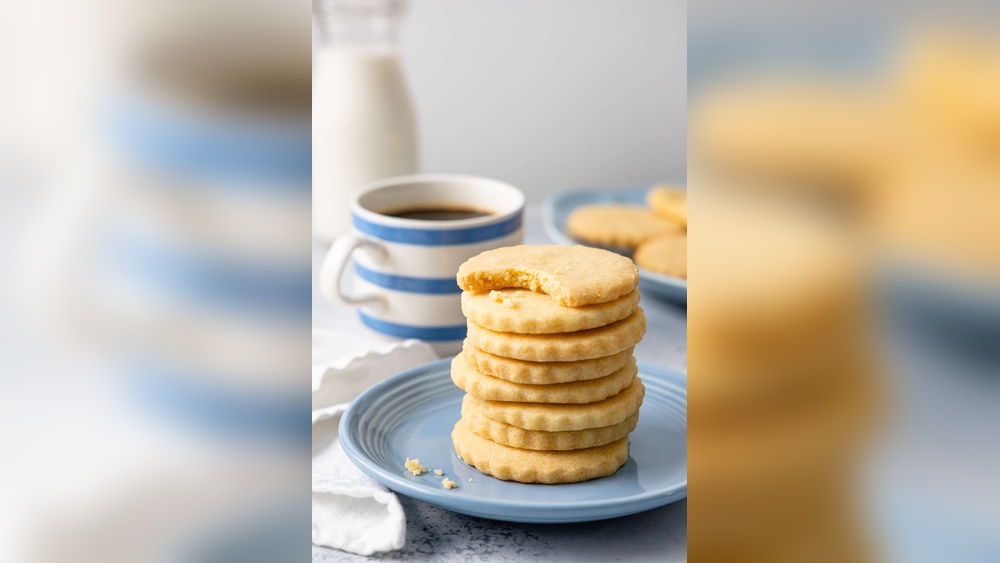
If you love simple, buttery treats that melt in your mouth, this easiest traditional shortbread cookies recipe is just for you. Imagine biting into a cookie that’s perfectly crumbly, rich, and homemade without any fuss or fancy ingredients.
You don’t need to be a baking pro to make these. With just a few simple steps, you’ll have delicious shortbread cookies ready to enjoy or share. Keep reading, and you’ll discover how to create this classic favorite quickly and easily.
Exclusive Amazon Early Sales & Discounts!
Save big with limited-time price drops across top-rated kitchen essentials, tools, auto parts, and accessories on Amazon.
⚡ Shop Prime Big Deal DaysYour taste buds will thank you!
Ingredients For Classic Shortbread
Classic shortbread cookies need just a few simple ingredients. Each one plays a key role in creating the rich, buttery texture that shortbread is known for. Using quality ingredients makes a big difference in taste and texture. The recipe is easy to follow and uses common pantry items.
Butter
Butter is the star of shortbread cookies. It gives the dough a rich flavor and crumbly texture. Use unsalted butter so you control the salt level. Softened butter mixes easily with other ingredients.
Sugar
Granulated sugar adds sweetness and a slight crunch. Some recipes use powdered sugar for a finer texture. Both types work well, but granulated sugar is traditional.
Flour
All-purpose flour forms the base of the dough. It provides structure and helps the cookies hold their shape. Sifting the flour prevents lumps and ensures even mixing.
Salt
A pinch of salt enhances the flavors. It balances the sweetness and deepens the buttery taste. Use fine salt for even distribution in the dough.
Read More: Best Gourmet Shortbread Cookie Gift Baskets Tins

Credit: www.theflavorbender.com
Choosing The Right Butter
Butter is the heart of traditional shortbread cookies. Choosing the right butter affects taste and texture. It controls how crumbly or soft your cookies will be. Using good butter makes baking easier and results better.
Understanding Butter Fat Content
Butter fat gives shortbread its rich flavor. Higher fat means a more tender cookie. Most butters have about 80% fat. European butters have 82% or more fat. These make cookies smoother and richer.
Salted Vs Unsalted Butter
Unsalted butter is best for shortbread. It lets you control the salt in the recipe. Salted butter can change the taste. Too much salt can ruin the delicate balance of flavors.
Choosing Between Room Temperature And Cold Butter
Room temperature butter blends easily with sugar and flour. It helps create a smooth dough. Cold butter is good for flaky pastries but not shortbread. Soft butter gives shortbread its classic crumbly texture.
Butter Quality And Flavor
Fresh butter tastes better and smells fresh. Avoid butter with a strong odor or off taste. Organic or grass-fed butters often have richer flavor. The butter’s flavor shines through in simple recipes like shortbread.
Mixing Techniques For Perfect Dough
Making the perfect traditional shortbread dough depends on the right mixing techniques. The texture and taste start with how you combine the ingredients. Each step affects the crumbly, buttery result you want. Follow these simple methods to get the best dough.
Creaming Butter And Sugar
Start by softening the butter. Use room temperature butter for easy mixing. Beat butter and sugar together until the mix is light and fluffy. This step adds air to the dough. It helps create a tender texture in the cookies. Don’t rush; take about 3 to 5 minutes for this process.
Incorporating Flour
Add the flour slowly to the creamed butter and sugar. Mix gently with a spatula or low speed on a mixer. This helps the flour blend evenly without toughening the dough. Flour gives structure, so mix just until it disappears. The dough should look smooth but still soft.
Avoiding Overmixing
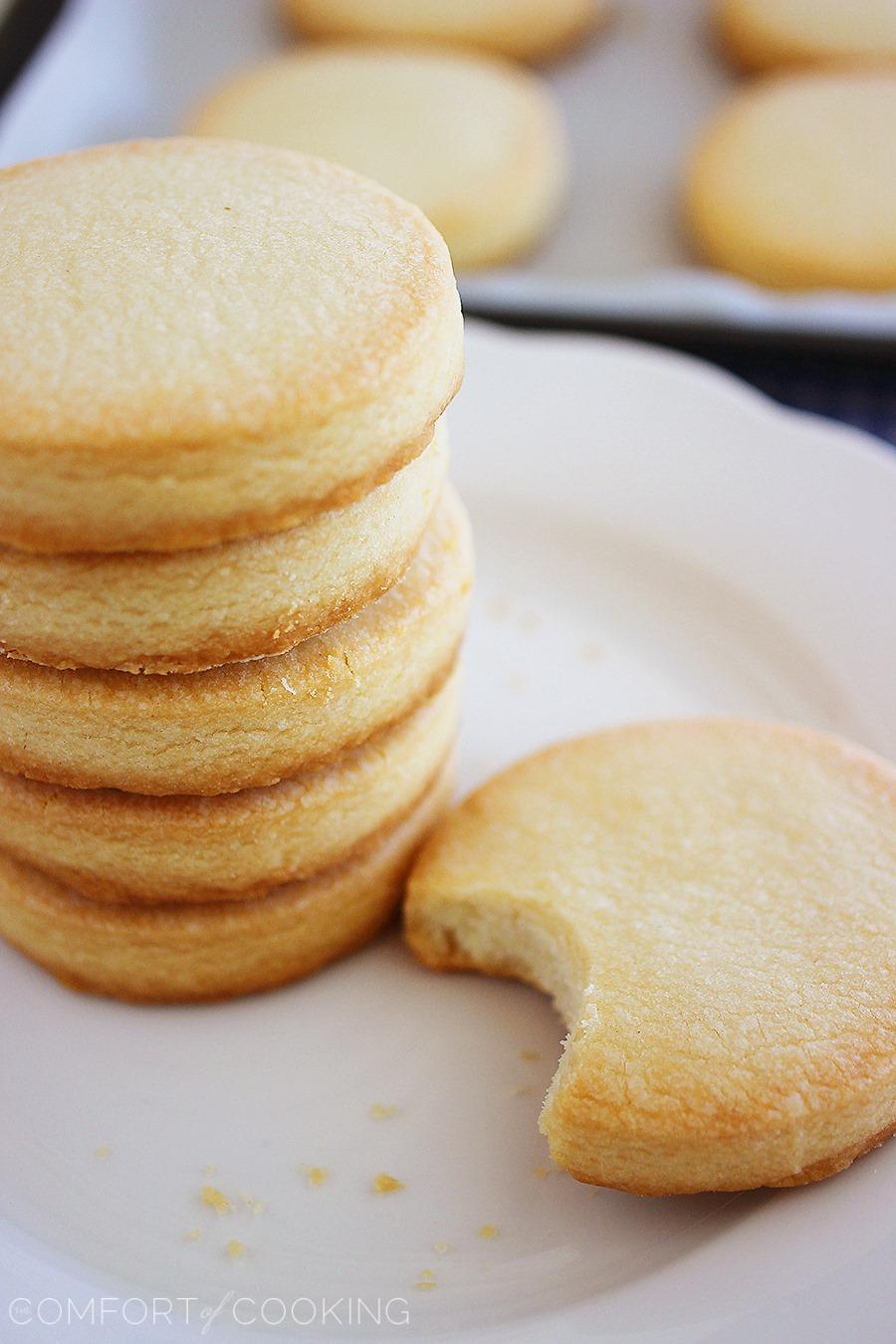
Stop mixing as soon as the dough forms. Overmixing causes gluten to develop. This makes cookies hard and less crumbly. Handle the dough lightly for the best results. Use a gentle folding motion instead of fast stirring. The perfect shortbread dough stays tender and easy to shape.
Credit: www.thecomfortofcooking.com
Shaping Shortbread Cookies
Shaping shortbread cookies is a fun part of baking. It changes the look and feel of your cookies. The shape can make your treats look special or simple. There are many ways to shape shortbread. Each method gives a different style and texture. Choose the one that fits your mood or occasion.
Using A Cookie Cutter
Cookie cutters give you neat, even shapes. Roll out the dough on a flat surface. Press the cutter firmly into the dough. Lift it gently to keep the shape. Use different shapes for variety. Stars, hearts, and circles work well. Dust the cutter with flour to stop sticking.
Hand-shaping Tips
Hand-shaping lets you be creative and quick. Pinch the dough into small balls or logs. Flatten balls slightly for classic shortbread rounds. Use your fingers to smooth edges. Keep your hands cool to prevent dough from melting. This method is perfect for rustic cookies.
Forming A Traditional Shortbread Slab
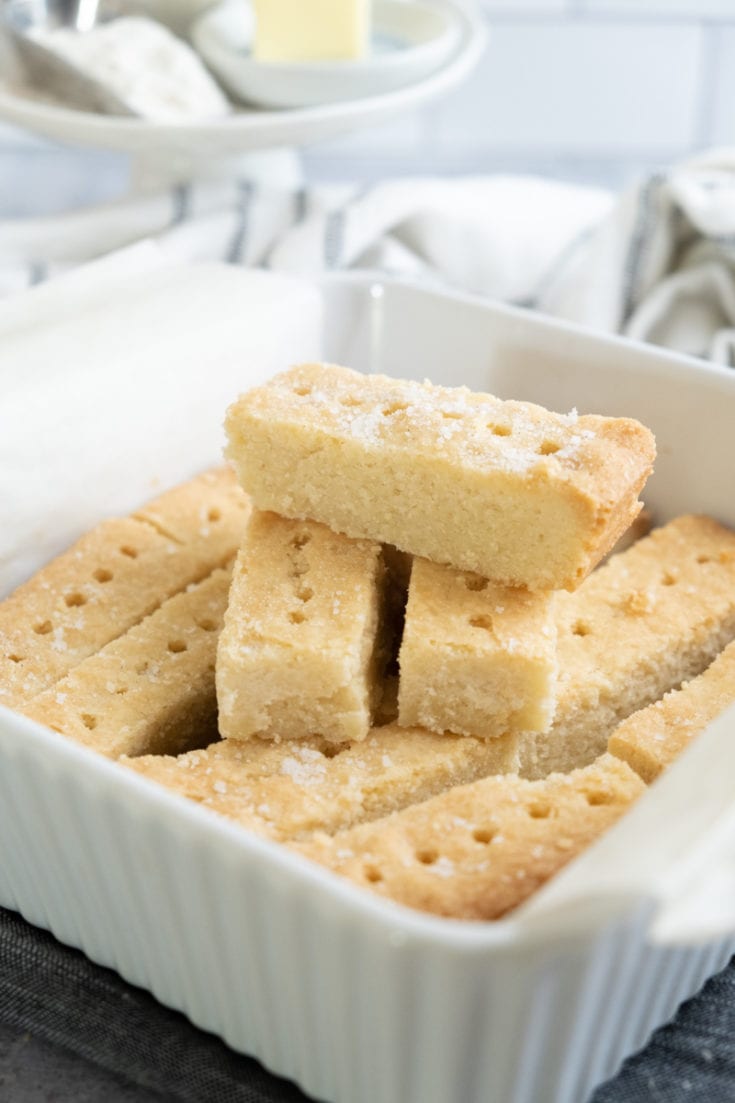
A slab is a large, flat shape. Press dough evenly into a baking pan. Use your fingers or a spatula to smooth the top. Prick the surface with a fork for decoration and air release. Bake the slab, then cut into squares or rectangles. This method is simple and classic.
Baking Tips For Even Cooking
Baking shortbread cookies evenly can be tricky. The right tips can make a big difference. These tips help your cookies bake perfectly every time. They keep the texture just right and the edges from burning. Follow these simple steps for great results.
Ideal Oven Temperature
Set your oven to 325°F for best results. This temperature bakes cookies gently. It helps them cook through without browning too fast. Avoid higher heat to prevent burnt edges. Use an oven thermometer to check accuracy. Oven temperatures can vary a lot.
Baking Time Guidelines
Bake shortbread cookies for 18 to 22 minutes. Check them at the 18-minute mark. Baking time depends on cookie thickness and size. Thicker cookies need more time. Thin ones bake faster. Keep track of time to avoid overbaking.
Checking For Doneness
Look for a light golden color on edges. The center should stay pale and soft. Gently touch the cookie surface; it should feel firm. Do not rely on color alone. Use smell and touch together. Remove cookies from oven before they get hard.
Credit: www.internationaldessertsblog.com
Flavor Variations To Try
Shortbread cookies have a simple, buttery taste that you can easily change. Small tweaks in flavor make each batch unique. These ideas help you enjoy classic shortbread in new ways. Try these easy variations to surprise your taste buds.
Adding Vanilla Or Almond Extract
Vanilla extract gives a warm, sweet aroma to your cookies. Just one teaspoon changes the whole taste. Almond extract adds a nutty, rich flavor. Use it sparingly, as it is strong. Both extracts blend well with the buttery dough.
Incorporating Citrus Zest
Citrus zest brightens the flavor of shortbread. Lemon or orange zest adds a fresh, tangy note. Use a fine grater to avoid bitter white pith. One teaspoon of zest is enough for a batch. It pairs nicely with the cookie’s buttery base.
Mixing In Chocolate Chips Or Nuts
Chocolate chips add a sweet, melty surprise in every bite. Choose mini chips for even distribution. Chopped nuts like pecans or walnuts bring a crunchy texture. Toast nuts lightly to enhance their flavor. These mix-ins make simple shortbread more exciting.
Storing And Serving Suggestions
Knowing how to store and serve your traditional shortbread cookies keeps them fresh and tasty. Proper storage helps keep the texture crisp and the flavor rich. Serving ideas make the experience even more enjoyable. Here are some simple tips to help you enjoy your shortbread cookies.
Proper Storage To Maintain Freshness
Store shortbread cookies in an airtight container. This stops air from making them soft or stale. Keep the container in a cool, dry place. Avoid direct sunlight or heat sources. For longer storage, freeze the cookies. Use a freezer-safe bag or container. Thaw at room temperature before serving.
Pairing With Tea Or Coffee
Shortbread cookies taste great with hot drinks. Their buttery flavor pairs well with tea or coffee. Black tea or green tea works nicely. A mild coffee also complements the cookie’s sweetness. Serve the cookies on a small plate next to your drink. A warm cup and shortbread make a relaxing treat.
Gift-wrapping Ideas
Shortbread cookies make thoughtful gifts. Wrap them in clear cellophane bags for a simple look. Tie the bag with a ribbon or twine. Use a small, decorated box for a nicer presentation. Add a handwritten note for a personal touch. Homemade cookies wrapped nicely show care and effort.
Troubleshooting Common Issues
Baking traditional shortbread cookies can bring joy, but some issues may arise. Troubles with dough texture, color, or shape are common. Understanding how to fix these problems helps create perfect cookies every time.
Small adjustments can make a big difference in your shortbread baking. Follow these tips to solve common problems quickly and easily.
Crumbly Dough Fixes
If the dough crumbles and won’t hold together, it may lack enough moisture. Add a teaspoon of cold water or milk gradually. Mix gently until the dough forms a soft ball.
Be careful not to add too much liquid. Overmixing can make the dough tough. Chill the dough for 30 minutes before rolling to improve texture.
Avoiding Overbrowning
Shortbread cookies can brown too fast at the edges while the center stays pale. Use a lower oven temperature, around 325°F (163°C). Bake cookies on the middle rack for even heat.
Keep an eye on baking time and remove cookies as soon as edges turn light golden. Overbrowning leads to a bitter taste and dry texture.
Maintaining Cookie Shape
Cookies may spread and lose shape during baking. Ensure the dough is well chilled before cutting shapes. Use cold baking sheets to slow spreading.
Avoid using too much butter or sugar, as this causes spreading. Press edges gently after cutting to keep sharp lines and classic shortbread shapes.
FAQs About Easiest Traditional Shortbread Cookies Recipe
What Ingredients Are Needed For Traditional Shortbread Cookies?
Traditional shortbread cookies require simple ingredients: butter, sugar, and all-purpose flour. Some recipes add a pinch of salt or vanilla for flavor. These basics create a rich, crumbly texture characteristic of classic shortbread.
How Long Should Shortbread Cookies Bake?
Shortbread cookies typically bake for 15 to 20 minutes at 325°F (163°C). Baking time depends on cookie size and oven accuracy. They should be lightly golden but not browned to maintain a tender texture.
Can I Store Traditional Shortbread Cookies?
Yes, store shortbread cookies in an airtight container at room temperature. They stay fresh for up to two weeks. For longer storage, freeze them in a sealed bag for up to three months.
What Makes Shortbread Cookies Crumbly And Tender?
The high butter content and minimal mixing create a crumbly, tender texture. Using cold butter and gentle handling prevents gluten development, ensuring the cookies remain soft and melt in your mouth.
Final Thoughts
This traditional shortbread cookie recipe is simple and fun to bake. You only need a few ingredients and little time. The cookies come out buttery, crumbly, and perfect for any occasion. Baking these treats can bring joy to your kitchen and smiles to your family.
Give this recipe a try and enjoy fresh, homemade cookies anytime you want. Easy to follow and delicious to eat what could be better?
Disclosure: As an Amazon Associate, I may earn from qualifying purchases at no extra cost to you. Amazon and the Amazon logo are trademarks of Amazon.com, Inc, or its affiliates.
