
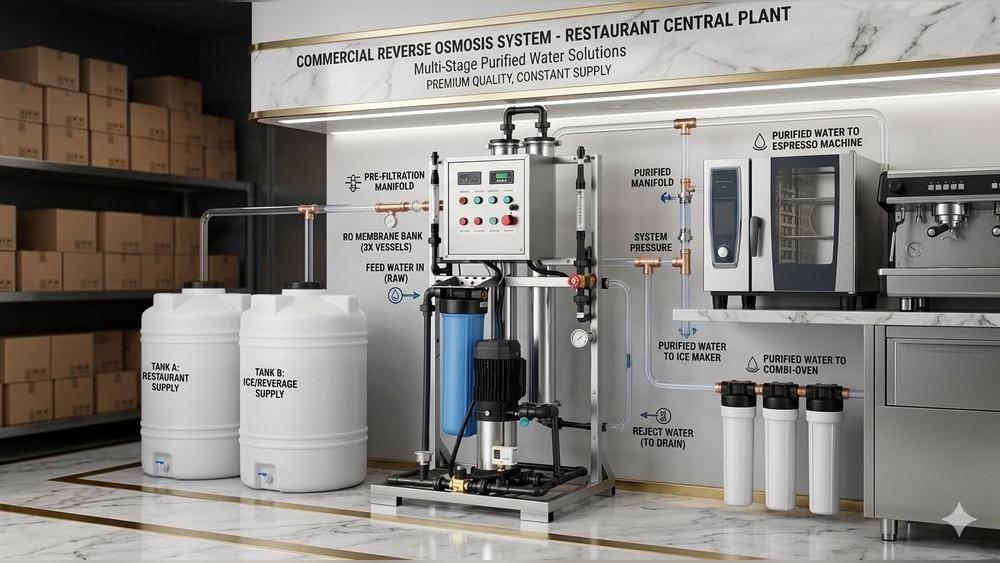
If you love espresso, you know how crucial water quality is for that perfect cup. But have you ever wondered how impurities in your water affect your machine and the taste of your coffee?
A dual stage water filter for your espresso machine could be the game changer you’ve been searching for. It not only protects your machine but also brings out the best flavors in every shot. Keep reading to discover how this simple upgrade can transform your daily coffee ritual and save you money in the long run.
Why Water Quality Matters
Water quality plays a big role in making great espresso. Clean, pure water helps bring out the best flavors in coffee. It also keeps your espresso machine working well for a long time. Using water with impurities can cause problems in taste and machine performance. This is why many coffee lovers choose a dual stage water filter for their espresso machine.
Impact On Espresso Flavor
Water makes up most of your espresso. Bad-tasting water can ruin the coffee’s flavor. Minerals and chemicals in water affect how coffee tastes. Too many minerals can make the coffee bitter or flat. A dual stage filter removes unwanted elements and keeps good minerals. This balance helps the espresso taste rich and smooth. Clean water lets the coffee’s true flavor shine through.
Protecting Your Machine
Hard water causes scale buildup inside your machine. Scale clogs pipes and damages heating parts. This can lead to costly repairs or replacement. A dual stage filter reduces minerals that cause scale. It keeps your machine clean and running smoothly. Using filtered water extends the life of your espresso maker. It also reduces maintenance needs and saves money over time.
What Is A Dual Stage Water Filter
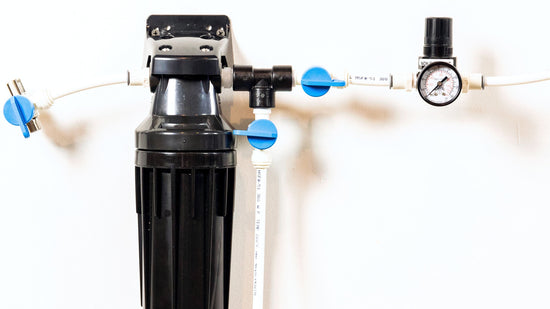
A dual stage water filter is a device that cleans water before it reaches your espresso machine. It uses two different steps to remove impurities. This helps improve the taste of your coffee and protects your machine from damage.
The filter targets both physical particles and chemical substances. These can affect the flavor and cause buildup inside your machine. By using two stages, the filter ensures cleaner water for better espresso.
First Stage: Sediment Removal
The first stage removes sediment like dirt, sand, and rust. These particles can clog your espresso machine’s pipes. The filter traps them before water moves to the next stage. This keeps the machine running smoothly.
Removing sediment also prevents damage to the internal parts. It helps extend the life of your espresso machine. Clean water means fewer repairs and better coffee every time.
Second Stage: Chemical Filtration
The second stage focuses on removing chemicals and odors. It uses activated carbon or similar materials. This stage filters out chlorine, bad tastes, and smells. These chemicals can spoil your coffee’s flavor.
By reducing chemicals, the filter improves water quality. It gives your espresso a purer, richer taste. Clean water means fresher, more enjoyable coffee in every cup.
Benefits Of Dual Stage Filters
Dual stage water filters offer clear advantages for espresso machines. They use two layers of filtration to clean water more effectively. This process improves the quality of water used in brewing. Better water quality leads to a better coffee experience. Below are some key benefits of dual stage filters.
Enhanced Taste And Aroma
Dual stage filters remove chlorine and other chemicals from water. These elements can alter the flavor of espresso. Cleaner water lets the true taste of coffee beans shine. The aroma becomes richer and more inviting. Your espresso tastes fresher and more balanced with these filters.
Improved Machine Longevity
Water hardness causes scale buildup inside espresso machines. Dual stage filters reduce minerals like calcium and magnesium. Less scale means fewer clogs and less wear on parts. This keeps your machine running smoothly longer. Maintenance needs decrease, saving time and effort.
Cost Savings Over Time
By preventing scale and damage, dual stage filters lower repair costs. Machines last longer, reducing the need for replacements. Using filtered water also means fewer cleaning products are needed. These savings add up over months and years. Investing in a dual stage filter pays off well.
Choosing The Right Filter
Choosing the right dual stage water filter for your espresso machine affects taste and machine health. It helps remove impurities while keeping minerals that enhance flavor. Picking a filter requires attention to a few key factors. These factors ensure the filter fits your needs and machine perfectly.
Compatibility With Espresso Machines
Check the filter size and connection type before buying. Different machines use different filters. Some need cartridge-style filters, others need inline filters. Confirm the filter matches your espresso machine model. Using the wrong filter can cause leaks or damage.
Also, think about water flow rate. The filter should not slow down water too much. Ensure the filter supports the machine’s water pressure. This helps maintain consistent espresso extraction.
Filter Capacity And Lifespan
Filter capacity means how much water it can clean before changing. Lifespan varies between brands and models. Choose a filter that lasts long enough for your usage. Frequent filter changes increase costs and effort.
Some filters last 2-3 months, others up to 6 months. Check product details for lifespan info. Replace filters regularly to avoid buildup and poor water quality.
Certifications And Quality Standards
Look for filters certified by trusted organizations. Certifications prove the filter meets safety and performance standards. Common certifications include NSF and WQA marks.
High-quality filters remove chlorine, sediment, and metals effectively. Certification ensures the filter does not release harmful substances. Always choose filters that meet strict quality standards.
Installation And Maintenance Tips
Installing and maintaining a dual stage water filter for your espresso machine helps ensure better water quality. Clean water improves the taste of your coffee and protects your machine from damage. Follow these simple steps to install and care for your filter properly.
Step-by-step Installation Guide
Turn off the water supply before starting installation. Remove any old filters or fittings from your espresso machine. Attach the dual stage filter to the water line using the connectors provided. Make sure all connections are tight to avoid leaks. Turn the water supply back on and check for leaks. Run water through the filter for a few minutes to flush out any loose particles. Your filter is now ready to use.
When To Replace Filters
Replace the filters every three to six months. The exact timing depends on your water hardness and usage. Change filters sooner if you notice a drop in water flow. Also, replace if your coffee tastes different or has an off-flavor. Regular replacement keeps your machine safe and coffee tasting fresh.
Cleaning And Care
Clean the filter housing when changing filters. Use warm water and mild soap to remove buildup. Rinse thoroughly before inserting new filters. Check the filter’s seals and O-rings for wear. Replace damaged parts to prevent leaks. Store spare filters in a cool, dry place until needed.
Comparing Dual Stage With Other Filters
Choosing the right water filter for your espresso machine matters a lot. Different filters offer different benefits and types of protection for your machine. Dual stage water filters stand out by combining two filtration methods in one system. This section compares dual stage filters with other common types. It helps you see which filter suits your espresso needs best.
Single Stage Filters
Single stage filters use one method to clean water. Usually, they remove chlorine or sediment. They improve taste but may miss other harmful minerals. These filters are simple and cost less. Yet, they do not protect machines from scale buildup well. Dual stage filters offer more thorough protection by filtering multiple contaminants.
Reverse Osmosis Systems
Reverse osmosis (RO) systems remove almost all minerals and impurities. They create very pure water. This can protect your espresso machine from scale. But RO water can taste flat or dull. RO systems waste some water during the process. They are also more expensive and complex to install. Dual stage filters keep minerals balanced for better flavor.
Carbon Only Filters
Carbon only filters focus on removing chlorine and odors. They improve water taste by reducing bad smells. These filters do not remove hardness minerals like calcium. Hard minerals can cause scale buildup inside espresso machines. Dual stage filters combine carbon with a second stage to reduce hardness. This offers better machine care and water quality.
User Experiences And Reviews
User experiences and reviews offer real insight into the benefits and drawbacks of dual stage water filters for espresso machines. These filters aim to improve water quality, which affects taste and machine health. Many users share detailed feedback on how the filter changes their coffee experience and machine operation.
Reading through honest reviews helps potential buyers understand what to expect. Users often describe clear changes in taste and machine performance after installing the filter. Some also mention challenges they faced during use. This section summarizes common points from user feedback.
Taste Improvements Noted
Many users report smoother and richer espresso flavor. The filter removes chlorine and impurities that cause bitter tastes. Coffee often tastes fresher and cleaner after filtering. Some notice better crema and aroma in their espresso shots. A few users say their water’s mineral balance enhances coffee extraction. Overall, taste improvements are the most praised feature.
Machine Performance Feedback
Users find their espresso machines work more efficiently with filtered water. Scale buildup reduces, which lowers maintenance needs. Some mention fewer machine errors and longer machine life. Water flow remains steady, improving shot consistency. Several users appreciate less frequent descaling sessions. Clean water helps keep internal parts safe from damage.
Common Challenges
Some users face issues with filter installation due to unclear instructions. A few report leaks if not fitted properly. Filter lifespan varies depending on water quality and use frequency. Replacing filters regularly is important but can be overlooked. Certain models may be expensive to maintain over time. Despite these challenges, most users find benefits outweigh drawbacks.
Credit: clivecoffee.com
Frequently Asked Questions
What Is A Dual Stage Water Filter For Espresso Machines?
A dual stage water filter uses two filtration steps to purify water. It removes chlorine, sediments, and impurities. This improves espresso taste and protects the machine from scale buildup. It ensures clean, fresh water for better coffee quality and machine longevity.
How Does A Dual Stage Water Filter Improve Espresso Taste?
The filter removes chlorine and harmful chemicals that affect flavor. It also reduces hardness, preventing scale buildup that alters taste. Clean water lets espresso’s natural flavors shine. This results in a smoother, richer, and more balanced cup of coffee.
Why Is Water Filtration Important For Espresso Machines?
Water filtration protects the machine from scale and corrosion. It also ensures consistent water quality for better espresso extraction. Clean water prevents damage and prolongs machine life. It helps maintain optimal brewing temperature and pressure for perfect espresso every time.
How Often Should I Replace The Dual Stage Filter?
Replace the filter every 2 to 3 months or after filtering 100 gallons. Frequent replacement ensures effective filtration and prevents clogging. Always follow manufacturer guidelines for best performance. Regular changes maintain water purity and protect your espresso machine.
Conclusion
A dual stage water filter improves your espresso machine’s water quality. It removes impurities and protects the machine from damage. Clean water makes better tasting coffee every time. This filter helps your machine last longer and work well. Choosing the right filter means fewer repairs and less hassle.
Enjoy fresh, smooth espresso with less effort. Simple, effective, and worth it for any coffee lover.
Disclosure: As an Amazon Associate, I may earn from qualifying purchases at no extra cost to you. Amazon and the Amazon logo are trademarks of Amazon.com, Inc, or its affiliates.
