
Your bathroom should be a safe place where you can start and end your day comfortably. But did you know that it can hide dangers, especially for older adults like you or your loved ones?
Slippery floors, sharp edges, and poor lighting can turn everyday routines into risky moments. Understanding these common bathroom hazards is the first step to protecting yourself and your family. Keep reading to discover what to watch out for and how to make your bathroom safer every single day.
Slip And Fall Risks
Slip and fall accidents are a major concern for older adults in the bathroom. This area often has risks that increase chances of injury. Bathrooms are small, with hard surfaces and water. These conditions make slips and falls more likely.
Wet Floors And Mats
Water on floors causes slippery spots. Showers, sinks, and tubs drip water easily. Wet floors can cause sudden slips. Mats can help, but they must stay dry and flat. Mats that bunch or slide create new hazards.
Uneven Surfaces
Bathroom floors often have different levels or thresholds. These changes in height can cause trips. Tiles or flooring may become loose or cracked. Uneven surfaces confuse balance and footing. They make walking tricky for older adults.
Lack Of Grab Bars
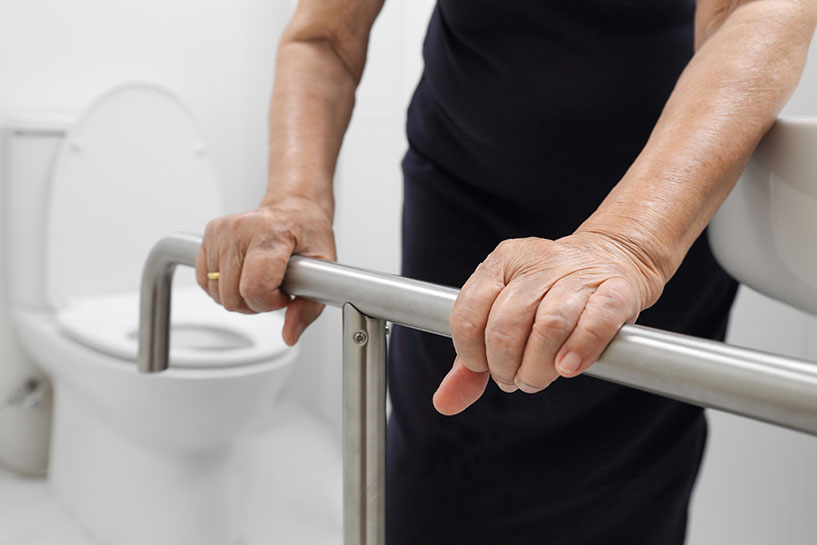
Grab bars provide support and balance. Without them, it is hard to steady oneself. Older adults struggle when standing up or sitting down. Bars near the toilet and inside the shower help prevent falls. Lack of grab bars is a common safety gap.

Credit: www.manipalhospitals.com
Poor Lighting Issues
Poor lighting in the bathroom can create serious risks for older adults. It makes it harder to see hazards and increases the chance of slips and falls. Bathrooms need bright, steady light to keep everyone safe.
Older eyes need more light to see clearly. Shadows and dark spots can hide wet floors or objects. Fixing lighting issues can improve safety and comfort.
Dim Or Flickering Lights
Dim lights reduce visibility and cause eye strain. Flickering lights distract and confuse. Both problems make it difficult to move safely. Replace old bulbs and check wiring often to keep lights bright and steady.
Nighttime Visibility
Bathroom trips at night are common. Bright lights can hurt older eyes when waking up. Too little light causes stumbling. Use soft, low-level lights to help see without glare. Night lights near the floor provide safe paths in the dark.
Motion-activated Lighting
Motion-activated lights turn on automatically when someone enters. They help avoid fumbling for switches in the dark. These lights improve safety and convenience. Place sensors to cover the whole bathroom area for best results.
Water Temperature Dangers
Water temperature in the bathroom can cause serious injuries for older adults. Hot water can burn skin quickly, leading to painful scalds. Older adults often have slower reaction times and thinner skin, making burns more dangerous. Understanding water temperature dangers helps prevent accidents and keep the bathroom safe.
Scalding Risks
Scalding happens when hot water touches the skin. Temperatures above 120°F can cause burns in seconds. Older adults may not feel heat as fast, increasing risk. Scalds can lead to infections and long healing times. Many burns occur during showers or baths. Avoiding very hot water reduces these risks.
Thermostatic Controls
Thermostatic controls keep water at safe temperatures. These devices mix hot and cold water to prevent overheating. They help maintain a steady temperature during showers or baths. Installing thermostatic valves reduces chances of sudden hot water bursts. These controls are easy to use and increase safety.
Safe Water Heater Settings
Setting water heaters to a safe temperature is essential. The recommended maximum is 120°F. This setting prevents water from becoming dangerously hot. Check your water heater regularly to ensure the temperature is correct. Lower settings save energy and protect older adults from burns.
Credit: www.freedomshowers.com
Clutter And Obstructions
Clutter and obstructions in the bathroom create serious safety risks for older adults. These hazards increase the chance of slips, trips, and falls. Bathrooms are usually small spaces, so even small items can block movement or cause accidents.
Keeping the bathroom clear and organized helps prevent injuries. Simple changes can make a big difference in safety. Focus on loose rugs, towels, storage, and clear pathways to reduce clutter and obstructions.
Loose Rugs And Towels
Loose rugs can slip and cause falls. Older adults may not notice when a rug moves underfoot. Use rugs with non-slip backing or remove them entirely. Wet towels left on the floor add to the risk. Always hang towels on racks or hooks instead of leaving them on the floor.
Storage Organization
Bathroom items scattered on counters or shelves create obstacles. Organize toiletries and cleaning supplies in cabinets or baskets. Place frequently used items within easy reach. Avoid stacking too many things in small spaces. Proper storage keeps the bathroom tidy and safer for older adults.
Clear Pathways
Clear pathways reduce the chance of tripping. Keep floors free from clutter like laundry baskets or trash cans. Arrange furniture and fixtures to allow easy movement. Check for obstacles regularly and remove anything blocking the way. This simple step helps older adults move safely and confidently in the bathroom.
Electrical Hazards
Bathrooms pose many electrical risks for older adults. Water and electricity do not mix well. This creates a high chance of shocks or even fires. Understanding these dangers helps keep seniors safe in the bathroom.
Wet Hands And Outlets
Touching electrical outlets with wet hands is risky. Water conducts electricity and can cause shocks. Older adults may have slower reflexes, increasing danger. Always dry hands before using switches or plugs.
Gfci Outlets
Ground Fault Circuit Interrupter (GFCI) outlets reduce shock risks. They cut power quickly when detecting electrical faults. Installing GFCI outlets near sinks and tubs is smart. These outlets save lives by preventing serious shocks.
Safe Appliance Use
Using bathroom appliances safely is crucial. Hairdryers and electric shavers should never touch water. Unplug devices after use to avoid accidents. Check cords for damage and replace if needed. Keep appliances away from wet surfaces.

Credit: www.mobilehelp.com
Medication And Product Safety
Medication and product safety is vital for older adults in the bathroom. Many medicines and personal care items can pose risks if not handled carefully. Proper management helps prevent accidents, misuse, and harmful reactions. Keeping medicines and products safe reduces chances of falls, poisoning, and other injuries.
Proper Storage
Store all medicines and products in a dry, cool place. Avoid keeping them near water sources like sinks or showers. Use child-proof containers even if children are not around. Keep medicines out of direct sunlight to preserve their effectiveness. Organize items so they are easy to find quickly.
Labeling And Expiry Dates
Always check labels before using any medicine or product. Labels provide important information on dosage and safety. Mark the expiry dates clearly to avoid using old products. Dispose of expired medicines safely to prevent harm. Replace products regularly to ensure they work properly.
Avoiding Mix-ups
Keep different medicines separate to avoid confusion. Use pill organizers with clear compartments for daily doses. Never share medicines with others, even if symptoms seem similar. Review medicines with a healthcare provider to avoid harmful interactions. Double-check labels before taking any new medicine.
Emergency Preparedness
Emergency preparedness in the bathroom is crucial for older adults. Falls and slips can happen quickly and cause serious injuries. Taking simple steps can help prevent accidents and ensure help arrives fast if needed.
Accessible Phone Or Alert System
Keep a phone within reach in the bathroom. A cordless phone or waterproof emergency alert device works best. These tools allow quick calls for help after a fall or injury.
Wear a medical alert necklace or bracelet. Pressing a button can alert family or emergency services. This system saves precious time in critical moments.
Non-slip Bath Mats
Place non-slip mats inside and outside the tub or shower. These mats reduce the risk of slipping on wet surfaces. Choose mats with strong grips to keep them firmly in place.
Regularly check mats for wear and tear. Replace any that lose their grip or become damaged. A secure mat adds a layer of safety every time.
Regular Safety Checks
Inspect bathroom fixtures and flooring often. Look for loose tiles, slippery spots, or broken grab bars. Fix problems immediately to avoid accidents.
Ensure grab bars and handrails are secure and sturdy. Older adults rely on these supports for balance and stability. Regular checks maintain their safety and function.
Frequently Asked Questions
What Are The Most Common Bathroom Hazards For Seniors?
Slippery floors, poor lighting, and lack of grab bars are top hazards. These increase fall risks for older adults. Clutter and uneven surfaces also contribute to accidents. Addressing these issues improves bathroom safety significantly.
How Can Grab Bars Prevent Bathroom Falls?
Grab bars provide stable support when entering or exiting the shower or toilet. They help seniors maintain balance and reduce slip risks. Installing grab bars near key areas enhances safety and confidence in bathroom use.
Why Is Proper Lighting Important In Senior Bathrooms?
Good lighting reduces the chance of trips and falls by improving visibility. Bright, glare-free lights help seniors see hazards clearly. Installing night lights also aids safe navigation during nighttime bathroom trips.
What Flooring Types Are Safest For Older Adults?
Non-slip, textured flooring like rubber or slip-resistant vinyl minimizes fall risks. Avoid glossy tiles or smooth surfaces that become slippery when wet. Proper flooring choice is crucial for senior bathroom safety.
Final Thoughts On Common Bathroom Hazards for Older Adults
Bathroom hazards can cause serious injuries for older adults. Taking simple steps helps keep the bathroom safe. Grab bars, non-slip mats, and good lighting reduce risks. Regular checks prevent accidents before they happen. Safety should always come first in the bathroom.
Small changes create a safer space for everyone. Protect your loved ones by staying aware and prepared. A safe bathroom means peace of mind every day.
Disclosure: As an Amazon Associate, I may earn from qualifying purchases at no extra cost to you. Amazon and the Amazon logo are trademarks of Amazon.com, Inc, or its affiliates.
