
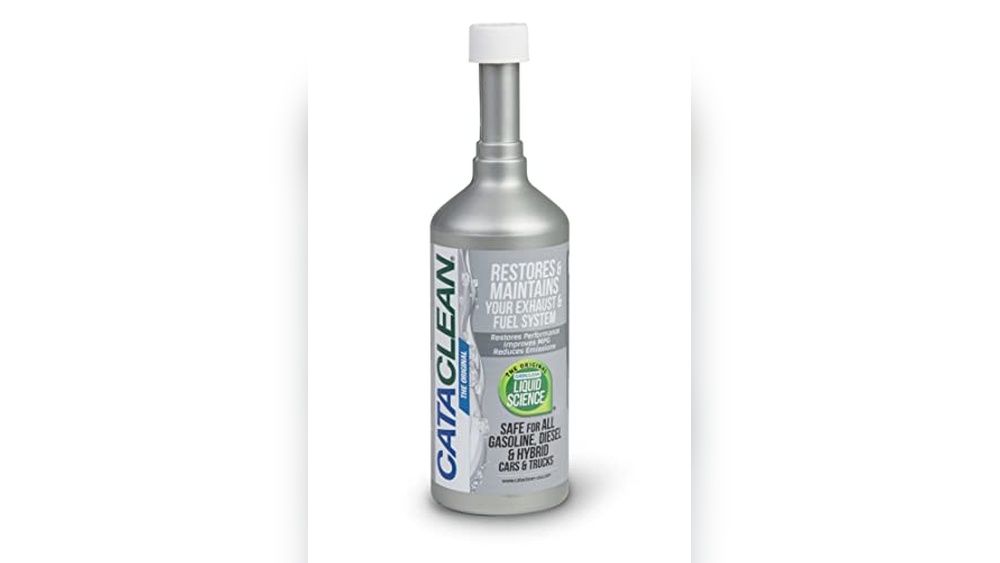
When it comes to keeping your engine’s sensors clean, choosing the right product makes a big difference. Some cleaners work well on fuel systems but can harm sensitive sensors over time. Others are gentler and designed to protect these components while still removing buildup effectively. Understanding the differences in how these products interact with sensors can save you from costly repairs and keep your engine running smoothly. Let’s break down Cataclean vs Seafoam and see which one is better for sensors, so you can make an informed choice that fits your needs.
Cataclean Fuel System Cleaner
For drivers comparing Cataclean Vs Seafoam Which is Better for Sensors, this product suits those wanting to maintain sensor health and emissions control effectively.

Everyday Benefits for Sensor Maintenance
- Significantly reduces carbon deposits on oxygen sensors and catalytic converters.
- Supports smoother engine operation by addressing fuel injector and cylinder head build-up.
- Compatible with gasoline, diesel, hybrid, and flex-fuel engines, offering versatility.
- Helps lower hydrocarbon emissions, aiding in passing emissions tests.
- Simple to use, added directly to the fuel tank without complicated steps.
Things to Keep in Mind
- Not suitable for 2-stroke or oil/gas mix engines.
- Effects are gradual and require consistent use for best results.
- Does not alter fuel properties, so performance improvements depend on existing engine condition.
Practical Thoughts on Cataclean Fuel System Cleaner
Cataclean stands out for its specific focus on sensor and catalytic converter health. It addresses common issues like carbon build-up that can reduce sensor accuracy and vehicle performance. Using it feels straightforward since it’s added to the fuel tank, allowing the engine to benefit without extra effort.
The cleaner works quietly in the background, improving emissions and potentially preventing check engine lights related to sensor fouling. One trade-off is that it won’t fix all engine problems immediately, so patience is needed to observe noticeable benefits.
Is This the Right Choice for Sensor Care?
This cleaner fits well for vehicle owners who prioritize maintaining sensor performance and passing emissions tests without fuss. It is especially useful for those who want a product compatible with various fuel types and who prefer gradual, maintenance-focused solutions.
However, those needing rapid fixes or who operate 2-stroke engines should look elsewhere. For most users, adding Cataclean occasionally can support sensor longevity and help avoid costly repairs.
- Ideal for drivers facing sensor-related emission concerns.
- Suitable for a broad range of vehicle types.
- Not recommended for 2-stroke engine users.
- Best for those willing to maintain their vehicle regularly.
Cataclean Fuel & Exhaust Cleaner
For those comparing Cataclean Vs Seafoam Which is Better for Sensors, this product is tailored for drivers seeking sensor-safe fuel system maintenance.

Fuel System Care Highlights
| Feature | Benefit |
|---|---|
| Catalytic Converter Cleaning | Prevents carbon build-up to maintain sensor efficiency |
| Check Engine Light Support | Helps clear common sensor-related error codes |
| Easy Application | Add directly to fuel tank without tools |
Cataclean Fuel & Exhaust Cleaner is designed to reduce carbon deposits in your vehicle’s fuel and exhaust systems. It addresses common sensor issues by maintaining the catalytic converter and oxygen sensors, which can help your car pass emissions tests and clear check engine lights. A key feature is its ability to reduce hydrocarbon emissions by up to 50%, which supports sensor function effectively.
In everyday use, Cataclean is straightforward and convenient. Simply adding it to your fuel tank requires no special skills, which saves time and effort. The product offers peace of mind knowing it helps keep sensors and related components clean, promoting smoother engine performance without complex maintenance steps.
Who This Works For and Who Might Look Elsewhere
This cleaner suits drivers who want a sensor-friendly solution to fuel system upkeep. It’s especially helpful for those dealing with emissions testing or persistent check engine lights related to sensors. Regular use supports sensor longevity and engine efficiency.
However, if you are looking for a multi-purpose additive that targets other engine parts beyond emissions and sensors, this may feel limited. Those wanting more aggressive cleaning or additional performance boosts might want to consider other options.
- Ideal for gasoline, diesel, and hybrid engines
- Good for vehicles with catalytic converters and DPF filters
- Not a quick fix for severe engine damage or major sensor failures
A Thoughtful Choice for Sensor Care
If your priority is maintaining sensor health and passing emissions tests, Cataclean offers a practical and easy-to-use option. It fits well for routine maintenance rather than emergency repairs. Those who want a hassle-free approach to keep sensors clean will find it useful.
For users less focused on sensor-specific benefits or looking for broad engine cleaning, this may not fully meet expectations. Remember to use it as directed for best results and to support sensor longevity over time. It’s a calm, sensible addition to regular vehicle care without gimmicks.
Cataclean Fuel System Sensor Cleaner
For those wondering Cataclean Vs Seafoam Which is Better for Sensors, this product suits drivers seeking a reliable cleaner to protect oxygen sensors and catalytic converters.

Practical Sensor and Emissions Care
| Targeted Problem | Carbon buildup on sensors and catalytic converters |
| Key Benefit | Helps pass emissions tests by cleaning oxygen sensors |
| Ease of Use | Simply add to fuel tank; no tools needed |
| Engine Compatibility | Gasoline, diesel, and hybrid engines |
Cataclean Fuel System Sensor Cleaner is designed to reduce carbon deposits on oxygen sensors, catalytic converters, and fuel injectors. This helps your vehicle meet emission standards and can clear common check engine light codes related to sensor issues. Its formulation targets crucial parts that affect sensor accuracy and engine performance.
In use, this cleaner offers peace of mind with its easy application—just pour it into the fuel tank as directed. I found it convenient because it requires no mechanical skills or extra equipment. It keeps the exhaust system running smoothly and can save time and money on sensor-related repairs.
Who Benefits Most and Who Might Pass
This product fits drivers who want a straightforward way to maintain sensor health and pass emissions inspections without complex procedures. It is ideal for those with vehicles showing sensor-related error codes or reduced fuel efficiency due to carbon buildup.
Those who prefer more frequent or manual cleaning methods, or who want immediate sensor diagnostics, may find this less suited to their needs. It’s not a quick fix for severe sensor damage but works best as preventive maintenance.
- Best for regular maintenance of emissions and sensor systems
- Suitable for a range of engine types
- Not recommended for vehicles with damaged sensors needing replacement
Balanced Insight for Sensor Maintenance
Cataclean offers a focused approach to cleaning sensors and catalytic converters, which sets it apart for those specifically concerned about sensor performance. While it doesn’t promise instant fixes, its ease of use and compatibility with various engines make it a practical choice for ongoing care.
One consideration is that it requires regular use to maintain results. If neglected, sensor issues may persist despite treatment. Still, the product’s ability to help clear check engine lights related to sensors provides a useful diagnostic benefit.
Overall, it’s a solid option for maintaining sensor health without complicated procedures or tools.
Narrowing Down Your Choice For Sensor-safe Fuel System Cleaners
When choosing between Cataclean and Seafoam for sensor care, focus on how each product affects oxygen and catalytic converter sensors. Both aim to reduce carbon buildup, but their formulations differ slightly. Consider the vehicle type and fuel system compatibility before deciding. Many overlook the impact on sensor longevity, which is crucial for avoiding costly repairs. If sensor safety is your priority, look closely at product ingredients and user feedback. Also, think about ease of use and the frequency of application that fits your maintenance routine.
The 30-second Checklist For Sensor-friendly Fuel Cleaners
- Does the product explicitly mention safe use with oxygen and catalytic converter sensors? Yes / No
- Is it compatible with your vehicle’s fuel type (gasoline, diesel, hybrid)? Yes / No
- Is it easy to add without special tools or mechanical skills? Yes / No
- Will it help clear common check engine light codes related to sensors? Yes / No
- Is it legal for use in your state or region? Yes / No
- Does it have positive user reviews specific to sensor performance? Yes / No
Preventing Regret When Choosing Fuel System Cleaners For Sensors
Regret #1: Choosing a cleaner that harms sensors. Some products contain harsh chemicals that can degrade oxygen sensors over time. Fix this by selecting products known for sensor-safe formulations like Cataclean.
Regret #2: Not considering vehicle compatibility. Using a fuel cleaner not meant for your engine type can cause poor results or damage. Always check the product’s compatibility list before purchase.
Regret #3: Overlooking how often to use the cleaner. Too frequent use can be unnecessary and costly, while too infrequent use might not prevent buildup effectively. Follow manufacturer guidelines closely for best outcomes.
Cataclean Vs Seafoam Which Is Better For Sensors: Quick Decision Table
| If you want… | Look for this | Avoid this |
|---|---|---|
| Fuel system cleaner with proven sensor safety | Formulations that explicitly state sensor compatibility (e.g., Cataclean) | Harsh solvents or additives that may degrade sensors |
| Cleaner suitable for hybrid and diesel engines | Multi-fuel compatible products | Gasoline-only cleaners without hybrid/diesel approval |
| Simple, tool-free application | Products designed to add directly to fuel tank | Cleaners requiring complex engine disassembly |
| Support for common check engine light codes related to sensors | Products noted for resolving sensor-related codes | Cleaners without evidence of code clearance |
| Cleaner with legal use in all states | 50-state legal formulations | Products restricted by local environmental laws |
Tips For Using Fuel System Cleaners To Protect Sensors
- Add the cleaner to a nearly full fuel tank to ensure proper mixing and flow through the fuel system.
- Use the cleaner at recommended intervals rather than continuously to avoid overexposure of sensors to chemicals.
- Monitor your vehicle’s performance and check engine light status after treatment to assess effectiveness.
- Store cleaner bottles tightly sealed in a cool, dry place to preserve chemical integrity.
- Follow any specific instructions related to engine type, especially for diesel and hybrid vehicles.
Faqs About Cataclean Vs Seafoam Which Is Better For Sensors
Are Cataclean and Seafoam safe for oxygen sensors?
Cataclean is designed with sensor safety in mind, explicitly reducing carbon buildup without harming sensors. Seafoam is generally safe but may not emphasize sensor protection as clearly.
Can I use these cleaners in hybrid vehicles?
Cataclean is safe for gasoline, diesel, and hybrid engines. Check Seafoam’s label for hybrid compatibility to be sure before use.
How often should I use these products?
Follow the manufacturer’s instructions, usually every few thousand miles or as needed when performance issues arise. Overuse is unnecessary and may not improve results.
Will these cleaners clear my check engine light?
Both cleaners can help reduce common sensor-related error codes by improving sensor function, but they won’t fix mechanical sensor faults.
Are there any special storage requirements?
Keep the product sealed and stored in a cool, dry place away from direct sunlight to maintain effectiveness.
Can I mix these cleaners with other fuel additives?
It’s best to avoid mixing additives to prevent chemical interactions. Use one cleaner at a time and allow it to work fully before adding another.
Is there a risk of damaging my catalytic converter?
Proper use of these cleaners supports catalytic converter health by reducing carbon buildup. Avoid overuse to prevent potential issues.
Final Thoughts On Cataclean Vs Seafoam Which Is Better For Sensors
When it comes to protecting your vehicle’s sensors, both Cataclean and Seafoam offer effective solutions, but Cataclean’s formulation is often favored for explicit sensor safety and multi-fuel compatibility. The key is to choose a cleaner that matches your vehicle’s fuel type and maintenance needs without risking sensor damage.
As a simple tie-break rule: if sensor longevity and emissions test success are top priorities, lean toward Cataclean. Otherwise, consider your vehicle specifics and usage preferences to decide confidently.
Disclosure: As an Amazon Associate, I may earn from qualifying purchases at no extra cost to you. Amazon and the Amazon logo are trademarks of Amazon.com, Inc, or its affiliates.
