
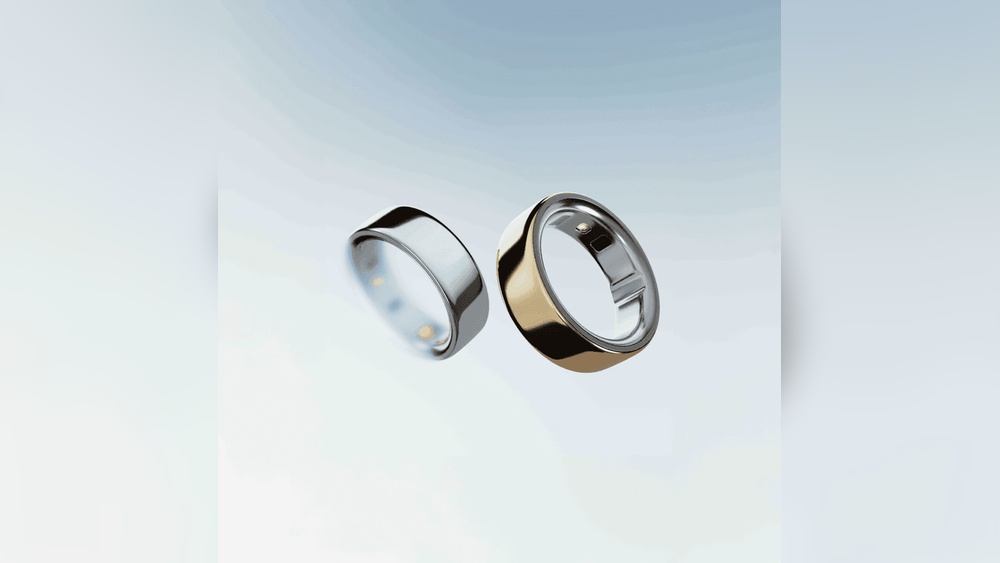
Buying an Oura Ring 4 With HSA or FSA Funds: The Complete Guide
Wearable health tech has moved from novelty to necessity for millions. The Oura Ring 4 stands out as a smart ring that tracks sleep, activity, heart rate, and readiness, providing data that can improve your well-being. But with a price tag above $300, you might wonder if you can use your Health Savings Account (HSA) or Flexible Spending Account (FSA) to pay for it. The answer is more complex than a simple yes or no.
Exclusive Amazon Early Sales & Discounts!
Save big with limited-time price drops across top-rated kitchen essentials, tools, auto parts, and accessories on Amazon.
⚡ Shop Prime Big Deal DaysThis guide will help you understand every step required to buy an Oura Ring 4 using HSA or FSA funds. We’ll cover how HSA and FSA work, what IRS rules say, how Oura’s policies fit in, and the practical process you need to follow.
You’ll also learn about common mistakes and ways to maximize your health dollars.
Many people miss out on using their tax-advantaged accounts for products like the Oura Ring 4 simply because they don’t know the rules or the process. By the end, you’ll have a clear, step-by-step understanding and the confidence to buy your Oura Ring 4 smartly and legally with HSA or FSA funds.
Instant HSA/FSA card payment supported at checkout
Understanding Hsa And Fsa: What You Need To Know
Before you try to buy the Oura Ring 4 with HSA or FSA money, you need to know what these accounts actually are and how they work.
HSA (Health Savings Account):
- Tax-advantaged account for people with high-deductible health plans.
- Money goes in pre-tax, grows tax-free, and comes out tax-free for qualified medical expenses.
- Funds roll over year to year.
- You own the account even if you change jobs.
FSA (Flexible Spending Account):
- Pre-tax money set aside from your paycheck for medical expenses.
- “Use it or lose it” – most funds must be used within the plan year.
- Owned by your employer.
- Sometimes allows a small carryover or grace period.
Both accounts help you save on taxes and can cover a wide range of health-related expenses. But not every health product is eligible, and the rules often confuse even experienced users.
What Are “qualified Medical Expenses”?
The IRS controls what you can buy with HSA or FSA funds. Qualified medical expenses are services or products that diagnose, cure, treat, or prevent disease, or affect body structure or function. These include doctor visits, prescriptions, and some medical devices.
The line between “wellness” and “medical necessity” matters. Fitness trackers and smart rings like the Oura Ring 4 live in a gray area. The IRS does not approve every health gadget by default.
Why Not All Health Devices Qualify
Here’s a non-obvious point: just because a device tracks health, that does not mean you can buy it with HSA or FSA dollars. The IRS and your plan provider decide what is eligible. Some devices are automatically eligible; others require special documentation.
For example, blood glucose meters are always eligible. A yoga mat is not. The Oura Ring 4 usually needs extra steps for approval.
Is The Oura Ring 4 Hsa/fsa Eligible?
The Oura Ring 4 is a popular health tracking ring. It measures sleep, temperature, blood oxygen, heart rate, and activity. Many people use it to monitor conditions like insomnia, fatigue, or recovery from illness.
But is it considered a “qualified medical expense”? The answer: It depends on how you buy it and your documentation.
Irs Guidelines On Health Trackers
According to IRS Publication 502, fitness trackers and health monitoring devices are only eligible if they are used to treat a diagnosed medical condition and are recommended by a doctor. They are not automatically eligible for everyone.
- If you buy the Oura Ring 4 for general wellness or curiosity, HSA/FSA use is not allowed.
- If your doctor recommends the Oura Ring 4 to help monitor a specific medical condition (like sleep apnea), it can be eligible with a Letter of Medical Necessity (LMN).
Oura’s Position
The Oura website states that the Oura Ring can be purchased with HSA or FSA funds if you have a Letter of Medical Necessity. However, Oura does not guarantee your claim will be approved; your plan administrator has the final say.
When Oura Ring 4 Is Usually Approved
You are most likely to succeed if:
- You have a diagnosed medical condition (e.g., insomnia, sleep apnea, chronic fatigue).
- Your doctor writes a Letter of Medical Necessity.
- You keep all receipts and documentation.
Read More: Oura Ring 4 vs Oura Ring 5 Comparison
The Four Key Steps To Buy Oura Ring 4 With Hsa Or Fsa Funds
To make this process as clear as possible, let’s break it down into four essential steps. Each step needs your attention.
1. Get A Letter Of Medical Necessity (lmn)
This is the most critical step. Without it, your claim will almost always be denied.
What is a Letter of Medical Necessity?
A Letter of Medical Necessity is a note from your doctor that explains why you need the Oura Ring 4 for diagnosis, treatment, or prevention of a medical condition. It should include:
- Your diagnosis or condition
- Why the Oura Ring 4 is needed
- How it will help manage your health
- The expected duration of use
How to Get One:
- Schedule an appointment with your doctor.
- Explain your symptoms and why you think the Oura Ring 4 can help.
- Ask your doctor to write a letter that includes all the points above.
- Keep both a digital and paper copy for your records.
Practical Example:
If you have insomnia, your doctor can write: “Patient suffers from chronic insomnia. The Oura Ring 4 will help track sleep stages and patterns to adjust treatment.”
Non-Obvious Insight: Some doctors use templates or electronic health records to generate LMNs. Ask if they have done this before for other devices.
2. Check With Your Hsa/fsa Administrator
Every HSA or FSA plan has its own rules. Some are stricter than others.
Steps to Take:
- Call your plan administrator or log into your account online.
- Ask if smart rings are eligible with a Letter of Medical Necessity.
- Request any forms or instructions needed for documentation.
- Ask about the claims process and required receipts.
Why This Matters: Some administrators reject all wearable devices, even with a letter. Checking early prevents wasted time and money.
Real Example: Some major FSA card providers (like WageWorks or HealthEquity) have clear lists of eligible items. Always confirm Oura Ring eligibility before buying.
3. Purchase The Oura Ring 4
Once you have your LMN and approval from your administrator, you can buy the ring.
Where to Buy:
- The official Oura website (https: //ouraring.com)
- Authorized retailers (such as Amazon or Best Buy, but check if they provide itemized receipts)
How to Pay:
- Use your HSA or FSA debit card at checkout, if possible.
- If your card is declined or you cannot use it, pay with your personal card and submit a reimbursement claim.
Important Documentation:
- Save the itemized receipt (must show “Oura Ring 4” and price).
- Keep your Letter of Medical Necessity.
- Download or print your order confirmation.
Practical Tip: Some FSA/HSA cards may not work directly on the Oura website. Reimbursement is common in these cases.
4. Submit Your Claim And Documentation
The last step is to file a claim with your HSA or FSA provider.
What to Include:
- Itemized receipt for the Oura Ring 4
- Letter of Medical Necessity
- Any claim forms required by your administrator
How to Submit:
- Most plans allow online uploads; some require fax or mail.
- Double-check that all documents are clear and readable.
What Happens Next:
- Your administrator reviews the claim.
- If approved, the expense is covered.
- If denied, you may have to appeal or provide more information.
Non-Obvious Insight: Some plans will only reimburse up to the lowest-cost device that meets medical needs. Check if the Oura Ring 4’s price is reasonable compared to similar devices.
Comparing Oura Ring 4 To Other Eligible Health Devices
It’s helpful to see how the Oura Ring 4 stacks up against other common health tracking devices. Here is a comparison of features and typical HSA/FSA eligibility requirements:
| Device | Key Features | Automatic HSA/FSA Eligibility | Requires LMN? |
|---|---|---|---|
| Oura Ring 4 | Sleep, HR, SpO2, Activity | No | Yes |
| Fitbit | Activity, HR, Sleep | No | Yes |
| Blood Glucose Meter | Blood Sugar Monitoring | Yes | No |
| Pulse Oximeter | Blood Oxygen | Yes | No |
| Apple Watch | Activity, ECG, HR | No | Yes |
Key Takeaway: The Oura Ring 4 is not automatically HSA/FSA eligible, but with proper documentation, it can be.
Why A Letter Of Medical Necessity Matters
A Letter of Medical Necessity is your main tool for HSA/FSA eligibility. Here’s why:
- It satisfies IRS rules for non-standard devices.
- It proves your purchase is not for general wellness or lifestyle.
- It protects you during audits.
Common Mistake: People often submit claims without an LMN and get denied. Always get the letter first.
Sample LMN Template:
“patient Name: [your Name]
Diagnosis: [medical Condition]
Device: Oura Ring 4
Reason: To monitor sleep patterns as part of ongoing treatment.
Duration: [e.g., 12 Months]”
How To Maximize Your Hsa Or Fsa Benefits When Buying Oura Ring 4
If you want to get the most from your health savings, plan ahead:
- Talk to Your Doctor Early: If you have sleep, heart, or recovery issues, discuss them before your HSA/FSA plan year ends.
- Time Your Purchase: FSA funds usually expire at year-end. Don’t wait until the last week.
- Save All Documents: Keep digital and hard copies of every form and receipt.
- Track Your Claims: Set reminders to check your claim status.
- Budget for Out-of-Pocket Costs: If your claim is denied, you may need to pay from regular funds.
Non-Obvious Insight: Some FSA plans reimburse membership fees for health apps if linked to a medical device. Check if your Oura subscription is eligible.
Real-world Example: The Oura Ring 4 Hsa/fsa Process
Let’s walk through a real-life scenario.
Case:
Maria, age 41, has chronic insomnia. Her doctor recommends tracking her sleep data nightly to adjust medication. Maria asks about the Oura Ring 4.
Steps Taken:
- Her doctor writes a Letter of Medical Necessity for the Oura Ring 4.
- Maria calls her FSA provider. They say LMN is required and provide a claim form.
- She buys the Oura Ring 4 using her own credit card. The FSA card did not work online.
- Maria gets an itemized receipt and uploads the LMN and receipt to her FSA portal.
- Two weeks later, her claim is approved, and the funds are reimbursed to her checking account.
Lesson: The process takes time and paperwork, but it works with good documentation.
Common Mistakes And How To Avoid Them
Many people try to buy health tech with HSA or FSA money and are surprised when their claims are denied. Here’s how to avoid common pitfalls:
- Skipping the LMN: Always get a Letter of Medical Necessity before buying.
- Assuming All Devices Qualify: Most smart rings and watches need documentation.
- Not Checking With Your Administrator: Rules vary by plan. Confirm before purchase.
- Poor Documentation: Blurry receipts, missing letters, or incomplete forms delay reimbursement.
- Waiting Until Year-End: FSA funds can expire—plan ahead.
Tip: If denied, ask your administrator for the reason and appeal with more information if needed.

Credit: ouraring.com
What To Do If Your Claim Is Denied
A denied claim does not always mean the end. Here are steps you can take:
- Read the Denial Reason: Find out exactly why it was denied.
- Contact Customer Service: Sometimes, missing documents or unclear letters can be fixed.
- Resubmit With More Detail: A more detailed LMN or better receipt may help.
- Appeal the Decision: Most plans have an appeal process.
- Ask Your Doctor for More Support: A doctor’s explanation letter or more specific diagnosis can improve your case.
Practical Example: If your LMN was too general (“for wellness”), ask your doctor to include your diagnosis and treatment details.
Are Oura Ring 4 Subscriptions Hsa/fsa Eligible?
The Oura Ring 4 requires a monthly subscription for advanced features. Are these fees eligible?
- Oura’s Subscription: Provides extra data, reports, and insights.
- Eligibility: Most HSA/FSA plans do not cover subscriptions unless they are required to operate a medical device and are included in your LMN.
What to Do: Ask your doctor to mention the subscription in your LMN if it’s medically necessary. Check with your plan administrator.
Non-Obvious Insight: Some plans cover only the device, not ongoing fees. Be prepared to pay for subscriptions out of pocket.

Credit: www.withflex.com
Pros And Cons Of Using Hsa Or Fsa For Oura Ring 4
Here’s a quick overview of the benefits and drawbacks.
| Pros | Cons |
|---|---|
| Tax-free purchase | Requires paperwork (LMN, claims) |
| Can offset high device cost | Not automatically eligible |
| Helps manage real health issues | Time-consuming process |
| May cover related expenses (if approved) | Risk of denial and out-of-pocket costs |
Frequently Asked Questions buy Oura Ring 4
Is The Oura Ring 4 Always Eligible For Hsa Or Fsa?
No, the Oura Ring 4 is not automatically HSA or FSA eligible. You must have a medical reason and a Letter of Medical Necessity from your doctor. Your plan administrator must also approve the claim.
Can I Use My Hsa Or Fsa Card To Pay For The Oura Ring 4 At Checkout?
Sometimes. The Oura website may accept HSA/FSA cards, but many users find their cards are declined. In that case, buy the ring with a regular card and submit a claim for reimbursement with the proper documentation.
What Happens If My Claim For The Oura Ring 4 Is Denied?
If your claim is denied, review the reason, contact your administrator, and see if more documentation (such as a detailed LMN) could help. You can often appeal or resubmit your claim with additional information.
Do I Need A New Letter Of Medical Necessity Every Year?
Usually, yes. Most HSA/FSA plans require a new LMN each plan year for ongoing device use or subscriptions. Check your plan’s rules and renew your letter annually if needed.
Where Can I Find More Information About Hsa And Fsa Eligibility?
For official details, review the IRS’s guide, Publication 502. You can also check the Oura support page or consult your plan administrator. A good starting point is the IRS Publication 502.
You now have a complete roadmap for buying the Oura Ring 4 with your HSA or FSA funds. With careful preparation, the right documents, and clear communication, you can use your health savings to invest in meaningful wellness technology—without risking an IRS penalty. Remember: when in doubt, ask your doctor and your plan administrator. That extra step can save you both money and hassle.

Credit: ouraring.com
Disclosure: As an Amazon Associate, I may earn from qualifying purchases at no extra cost to you. Amazon and the Amazon logo are trademarks of Amazon.com, Inc, or its affiliates.
