
Butter cookies and Scottish shortbread are two famous treats that have delighted people for generations. Both are simple, rich, and comforting, yet they offer different tastes, textures, and histories. Many people confuse them or wonder which is better for their next baking session, holiday, or snack.
Understanding their differences helps you choose the right cookie for your mood, occasion, or recipe. Let’s explore what sets butter cookies and Scottish shortbread apart, how they’re made, their flavors, and their cultural backgrounds.
Exclusive Amazon Early Sales & Discounts!
Save big with limited-time price drops across top-rated kitchen essentials, tools, auto parts, and accessories on Amazon.
⚡ Shop Prime Big Deal DaysOrigins And History
Butter cookies and Scottish shortbread both have deep roots, but their stories begin in different places.
Butter cookies likely originated in Denmark during the late 19th century. Danish bakers perfected the art of making cookies with high butter content, often using molds or piping for decorative shapes. Today, Danish butter cookies are shipped worldwide, especially during the holidays.
Scottish shortbread dates back to medieval Scotland. It evolved from medieval “biscuit bread,” a leftover baked dough sweetened and dried out in the oven. Over centuries, Scottish bakers refined it, making it more delicate and rich. Shortbread became a symbol of Scottish hospitality and tradition. It’s often served during Christmas, New Year (Hogmanay), and weddings.
Ingredients And Recipes
The main difference between these cookies lies in their ingredients and proportions. Both share butter, but the other elements and ratios change the final result.
| Cookie Type | Main Ingredients | Typical Ratio |
|---|---|---|
| Butter Cookies | Butter, Sugar, Flour, Eggs, Vanilla | 1:1:2 (Butter:Sugar:Flour), eggs added |
| Scottish Shortbread | Butter, Sugar, Flour | 2:1:3 (Butter:Sugar:Flour), no eggs |
Butter Cookies Recipe Example
- 1 cup unsalted butter (softened)
- 3/4 cup granulated sugar
- 2 cups all-purpose flour
- 1 egg
- 1 tsp vanilla extract
Cream butter and sugar, add egg and vanilla, then mix in flour. Shape or pipe dough, chill, then bake at 350°F (175°C) for 10–12 minutes. Yields about 24 cookies.
Scottish Shortbread Recipe Example
- 1 cup unsalted butter (cold)
- 1/2 cup granulated sugar (caster sugar preferred)
- 2 cups all-purpose flour
Mix butter and sugar until smooth, then gently combine flour. Press into a pan or roll out and cut shapes. Bake at 325°F (160°C) for 20–25 minutes. Yields about 16 fingers or wedges.
Key insight: Many beginners miss that shortbread never uses eggs. Adding eggs makes the texture chewy, which is not traditional shortbread.
:max_bytes(150000):strip_icc()/232956-the-best-scottish-shortbread-VAT-Beauty-4x3-fba7a89e73164a72a3ce2292b5555503.jpg)
Credit: www.allrecipes.com
Texture And Flavor Comparison
Butter cookies and Scottish shortbread look similar, but their textures and flavors are distinct.
| Cookie Type | Texture | Flavor |
|---|---|---|
| Butter Cookies | Crisp, sometimes tender, holds shape well | Sweet, buttery, often vanilla notes |
| Scottish Shortbread | Crumbly, melt-in-the-mouth, dense | Rich butter flavor, less sweet, simple |
Butter cookies are lighter and often crunchier. The addition of egg gives them structure and allows for more decorative shapes. Vanilla or almond extracts are common, boosting aroma.
Scottish shortbread is dense, sandy, and delicate. It breaks easily and almost dissolves when you eat it. The flavor is pure butter, with just enough sugar for balance. No vanilla or other flavorings are used in traditional recipes.
Non-obvious insight: The flour type matters for shortbread. Using low-protein flour (like cake flour) creates a softer, more delicate texture. Many home bakers use regular flour, which makes shortbread tougher.
Appearance And Shapes
The way you shape these cookies is influenced by their dough.
Butter cookie dough is softer and more flexible. It’s often piped, rolled, or pressed into molds. This makes them popular for decorative tins and holiday shapes like rings, stars, and hearts.
Scottish shortbread dough is firmer and crumbly. It’s usually pressed into a pan and cut into fingers, wedges, or rounds. The surface is pricked with a fork to help even baking and avoid bubbling.
Examples Of Common Shapes
- Butter cookies: Rings, stars, rectangles, coins, or swirled piped shapes
- Scottish shortbread: Fingers (rectangular bars), wedges (triangles from a round), rounds (large or small disks)
Some modern shortbread bakers use cookie cutters, but this is not traditional.
Cultural Significance
Butter cookies are popular worldwide, especially in Denmark, Germany, and the US. They’re often given as gifts, found in festive tins, and served at parties. Danish butter cookies in blue tins are a holiday classic.
Scottish shortbread is deeply tied to Scottish culture. It’s served at celebrations, weddings, and New Year’s parties. Shortbread is considered a luxury treat, sometimes decorated with sugar or dipped in chocolate, but always simple.
Interesting fact: The Scottish town of Walkers is famous for its shortbread. Walkers Shortbread is the largest shortbread manufacturer in the world, selling in over 60 countries.
Nutrition And Health
Both cookies are high in calories and fat because of their butter content. Their simplicity means there are no hidden ingredients, but moderation is key.
| Cookie Type | Calories (per 30g) | Fat (g) | Sugar (g) | Protein (g) |
|---|---|---|---|---|
| Butter Cookies | 140 | 7 | 7 | 2 |
| Scottish Shortbread | 150 | 8 | 5 | 1 |
Butter cookies contain slightly more sugar and protein (from eggs). Shortbread has more fat per serving, which gives it a richer taste.
If you’re watching your diet, both should be enjoyed in small amounts. Neither is suitable for vegan diets due to the butter.
Non-obvious insight: Shortbread is less sweet than butter cookies, so some people expect it to be bland. However, the flavor develops as it rests. The buttery taste becomes more pronounced after a day.
Baking Tips And Common Mistakes
Many home bakers try both cookies, but there are common errors to avoid.
Butter Cookies
- Chill the dough before baking. This prevents spreading and keeps shapes sharp.
- Do not overmix after adding flour. Overworking makes them tough.
- Pipe or mold quickly—the dough softens fast.
Scottish Shortbread
- Use cold butter and handle dough gently. Warm hands can melt the butter and ruin texture.
- Do not add eggs. This is a mistake many beginners make.
- Prick the surface with a fork for even baking.
- Let shortbread cool completely before cutting. It crumbles easily if hot.
Expert tip: For extra delicate shortbread, sift the flour and sugar before mixing. This creates a finer crumb.
Which Is Better For You?
Choosing between butter cookies and Scottish shortbread depends on your preferences and needs.
- For decoration and variety: Butter cookies are ideal because you can shape, pipe, and flavor them.
- For pure, simple flavor: Scottish shortbread wins. It’s perfect for those who love buttery taste and crumbly texture.
- For gifting: Butter cookies look more festive and are often sold in decorative tins.
- For tradition: Scottish shortbread is the classic choice for holidays and ceremonies.
If you want to try both, consider making butter cookies for parties and shortbread for quiet moments or special occasions.
How To Store And Serve
Proper storage keeps both cookies fresh and delicious.
Butter Cookies
- Store in an airtight container at room temperature.
- Lasts up to 2 weeks.
- Can be frozen for 3 months.
Scottish Shortbread
- Store in a tin or airtight box.
- Lasts 2–3 weeks at room temperature.
- Improves in flavor after 1–2 days.
Shortbread is often served with tea or coffee. Butter cookies are more flexible, working well with milk, tea, or as snacks.
International Variations
Butter cookies have many international versions, such as German Spritzgebäck, French Sablé, and American sugar cookies. Scottish shortbread has fewer variations, but some include rice flour or cornstarch for texture.
The Danish butter cookie is most famous, often sold in blue tins. Scottish shortbread is protected as a regional specialty in Europe.
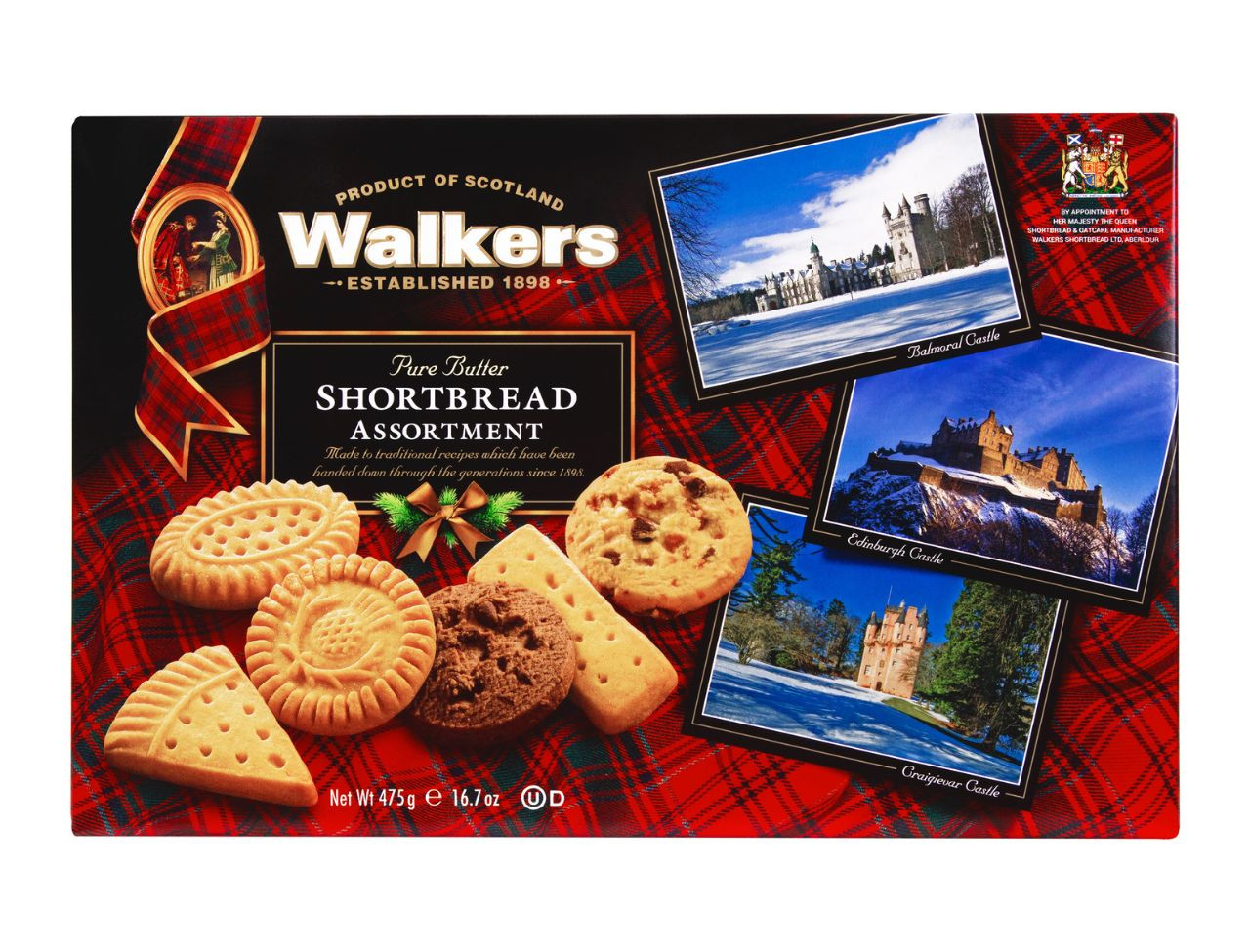
Credit: us.walkersshortbread.com
Where To Buy Or Try
Both cookies are available in supermarkets, bakeries, and online. Look for:
- Danish Butter Cookies: Royal Dansk, Kjeldsens, and supermarket brands
- Scottish Shortbread: Walkers, Dean’s, and local Scottish bakeries
For more information about their origins and differences, see Wikipedia’s Shortbread page.
FAQs Of Butter Cookies Vs Scottish Shortbread
What Makes Scottish Shortbread Different From Butter Cookies?
Scottish shortbread contains only butter, sugar, and flour—no eggs or flavorings. This gives it a crumbly, dense texture and pure butter taste. Butter cookies include eggs and sometimes vanilla, making them lighter and more decorative.
Are Butter Cookies Healthier Than Scottish Shortbread?
Both are high in calories and fat. Butter cookies have more sugar and slightly more protein because of eggs. Shortbread is richer in butter, so it’s a bit higher in fat. Neither is considered a healthy snack, but shortbread is less sweet.
Can I Use Margarine Instead Of Butter?
It’s possible, but not recommended. Margarine changes the flavor and texture, especially for shortbread, where butter is key. For butter cookies, margarine makes them less crisp and less aromatic.
Why Does My Shortbread Turn Out Tough?
This usually happens because of overmixing or using high-protein flour. Handle the dough gently and use cake flour or sifted flour for a softer crumb.
How Can I Make Butter Cookies More Decorative?
Chill the dough, then pipe it through a star tip or press it into molds. You can also dip baked cookies in chocolate or add colored sugar for festive looks.
Butter cookies and Scottish shortbread are both classic treats, each with their own strengths and traditions. Whether you crave a crisp, sweet cookie or a rich, crumbly biscuit, knowing their differences helps you choose or bake with confidence.
Disclosure: As an Amazon Associate, I may earn from qualifying purchases at no extra cost to you. Amazon and the Amazon logo are trademarks of Amazon.com, Inc, or its affiliates.
