
Want better coffee at home without guessing? Your brew style is the biggest make-or-break choice, because drip, pod, and espresso machines deliver different flavors, cleanup effort, and total cost. This guide ranks the best coffee makers for home use by what matters in real households, then matches each pick to a specific routine. You’ll get clear recommendations, trade-offs, and a short checklist to buy with confidence.
Best coffee makers for home use (quick picks)
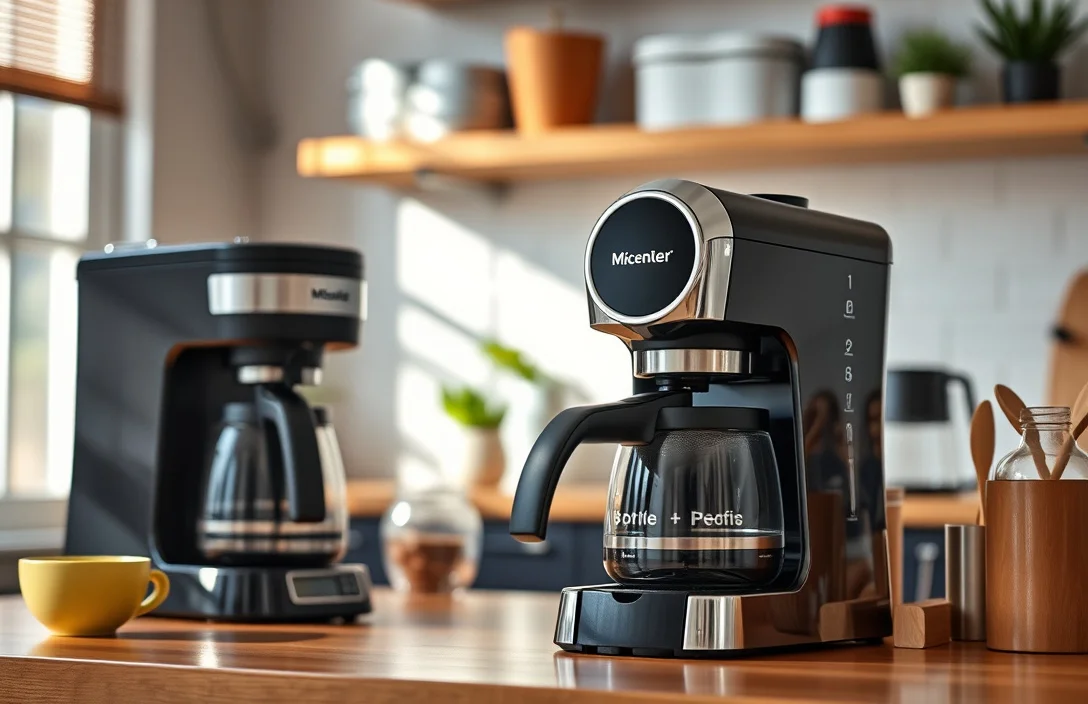
- Best for everyday brewed coffee + convenience: Programmable drip, like BUNN Heat N’ Brew
- Best for espresso drinks with less technique stress: Bean-to-cup (for example, De’Longhi bean-to-cup)
- Best for low-effort coffee when you accept per-cup cost: Pod machines
- Best for espresso and milk drinks if you’ll do the workflow: Semi-automatic espresso setups (with a grinder)
Key Takeaways
- Pick by drink type. Drip is for brewed coffee, espresso machines are for espresso and milk drinks.
- Expect extra from espresso. A home espresso setup often needs $500-$2,000 plus essentials like a grinder, tamper, and supplies.
- Programmability matters. A programmable clock can let you brew on a schedule (for example, BUNN’s digital clock).
- Speed has a trade-off. Fast brewing models may cost more, but they can reduce morning wait time.
- Capacity affects convenience. Larger reservoirs and carafes help when multiple people drink coffee.
- Long-term care wins. Proper maintenance is why machines can last 7-10 years.
What to Know About What are the best coffee maker
The best coffee makers for home use aren’t “best” in the abstract – they’re best for your routine. If your everyday cup is drip coffee, an espresso machine becomes extra work for a drink you make once a day. If you want lattes or cappuccinos, a drip machine cannot replicate espresso flavor, even with “espresso-style” marketing.
Your second constraint is how much hands-on effort you’ll tolerate. Espresso setups usually require more than pressing a button. A quality home espresso setup often needs $500-$2,000 for the machine, plus additional costs for a grinder, tamper, and initial supplies – and that reality shapes the “best” choice for most households.
Then there’s the practical stuff: brewing time, whether it supports a carafe or travel mugs, and how much cleanup you’ll actually do. BUNN’s Heat N’ Brew is built around travel mug or carafe brewing, with outputs ranging from 20 ounces to a 10-cup carafe, and it lists brew times of about 6 minutes for 20 ounces and about 10 minutes for 10 cups.
Things that matter most
Make the decision with four inputs: drink style, budget scope, speed, and maintenance tolerance. Espresso machines win for espresso and milk drinks, but they lose for people who want “push button, walk away.” Pod machines win for simplicity, but you pay per cup and you’re limited to what pods offer.
For a household, capacity and scheduling often matter more than tiny taste differences. A programmable brewer can start at a set time, which changes your mornings. BUNN’s programmable clock is one example of automation that reduces morning friction.
If I’m ranking for a typical US home, these are the criteria that actually drive satisfaction:
- Taste consistency for your most common drink (not every fantasy drink)
- Daily workflow (brew speed and how often you clean)
- Total cost of ownership (filters, pods, milk tools, maintenance)
- Setup difficulty (especially if espresso is in the plan)
- Reliability signals (warranty support, return windows, and how common the ecosystem is)
Pricing only makes sense with the full cost in mind. With proper maintenance, an espresso machine can last 7-10 years, which is why espresso can be a smart long-term pick when you use it daily and you’re willing to maintain it.
Tips for What are the best coffee maker
Start with your “default drink.” Buy the machine that nails that first – don’t let espresso curiosity derail you if you’re a drip household. If your routine is lattes, decide whether you want a semi-automatic espresso setup or a bean-to-cup machine, because “espresso at home” can mean very different levels of effort.
Match capacity to your mornings. If two people pour back-to-back, a brewer that can handle a full carafe quickly beats a smaller unit that makes you wait. The Heat N’ Brew example lists 20 ounces in about 6 minutes and 10 cups in about 10 minutes, which is the kind of practical detail that matters when serving more than one cup.
Solve the “missing accessory” problem up front. Espresso buyers often discover too late that they still need a grinder, tamper, and supplies. The cost context is straightforward: a home espresso setup typically needs $500-$2,000 for a quality machine plus additional essentials.
Finally, build maintenance and water quality into your buying plan. Even the best machine tastes worse with bad water or skipped cleaning. If your machine depends on filters or regular cleaning, budget time and money for it – or choose a style that demands less from you.

Helpful pick
SHARDOR 10-Cup Programmable Coffee Maker, Regular & Strong Brew Drip Coffee Machine for Home and Office, Auto Shut Off, Permanent Filter, Silver
A programmable drip model ensures your default drink is brewed reliably each morning, reducing espresso curiosity.
Benefits of What are the best coffee maker
The right coffee maker reduces friction. When the machine matches your drink type and cleanup tolerance, you’ll actually use it – and your coffee stays more consistent.
Convenience is the obvious win for pod machines and many programmable drip models. If your mornings start with “hit brew at 7:00,” a programmable clock removes decision fatigue. The Heat N’ Brew example lists a digital clock for scheduling a brew start time, which is exactly the feature that helps people keep a routine.
The second benefit is long-term satisfaction. Espresso costs more upfront, but with proper care, an espresso machine can last 7-10 years. That can also reduce how often you buy daily drinks outside the home. Espresso isn’t automatically better – it’s better when you’re committed to using it.
The right machine also limits waste and surprise costs. Drip machines use filters, espresso adds grinder workflow and cleaning supplies, and pods use consumables that vary by brand. When you buy based on real usage, you avoid paying for features you won’t use.

Helpful pick
Keurig K-Elite Single Serve K-Cup Pod Coffee Maker, with Strength and Temperature Control, Iced Coffee Capability, 8 to 12oz Brew Size, Programmable, Brushed Slate
Pod simplicity and programmable options reduce morning friction, delivering consistent coffee with minimal cleanup.
Options for What are the best coffee maker
Best picks by common home needs come with trade-offs, so the goal is clarity
| Model (Type) | Key Spec / What to Know | Best For | Main Trade-off |
|---|---|---|---|
| BUNN Heat N’ Brew (Programmable drip) | Brews 20 oz in about 6 minutes, 10 cups in about 10 minutes, programmable clock, brew a travel mug or a full carafe | Fast, schedule-based drip for households | Higher cost than basic drip, still not espresso |
| De’Longhi bean-to-cup (Automated espresso) | “Bean-to-cup” with automated settings for espresso and other drinks | Espresso drinks with minimal workflow | More expensive, still uses specialty cleaning routines |
| Cuisinart coffee maker lineup (Drip options across price tiers) | Price tiers shown from $50 to $99.99, $100 to $149.99, $150 to $199.99, and above | Value-focused drip, variety of models | You must compare specific models for speed and features |
| Pod machine class (Pods) | Push-button drinks with less mess | Lowest-effort daily coffee | Recurring per-cup cost, limited drink customization |
| Espresso machine class (Semi-automatic) | Espresso at home, but setup needs grinder and supplies | Milk drinks and espresso lovers | Higher upfront cost and daily routine |
Your best choice depends on what you’ll make every day. If your routine is mostly drip, prioritize speed, programming, and easy cleaning. If you make espresso drinks, prioritize automation level, milk workflow, and how simple maintenance is for your household.

Helpful pick
BLACK+DECKER 12-Cup Digital Coffee Maker, Programmable, Washable Basket Filter, Sneak-A-Cup, Auto Brew, Water Window, Keep Hot Plate, Black
Offers programmable brewing times and a reliable 12-cup capacity for consistent home coffee.
Expert Advice on What are the best coffee maker
My straight recommendation is to buy the simplest machine that makes your favorite drink. People buy “aspirational” machines, then stop using them once the novelty wears off – and that’s how a great espresso setup ends up as counter decoration.
Use this shortcut:
- Default drink is brewed coffee? Buy a programmable drip brewer with convenient capacity. BUNN’s Heat N’ Brew is an example of speed plus schedule plus carafe-or-mug flexibility.
- Default drink is espresso-based (latte, cappuccino)? Decide how much automation you want. Bean-to-cup reduces guesswork, while semi-automatic espresso gives more control but demands more workflow.
- You want minimal cleanup and consistent results? Pods are often the easiest path – and you accept the per-cup cost.
Set an honest espresso budget before you get excited. A quality home espresso setup typically requires $500-$2,000 for the machine plus additional costs for the grinder, tamper, and initial supplies. If you can’t cover that total, a drip machine plus a milk steamer for occasional cappuccino-style drinks may fit better than jumping straight into espresso.
Look for features that match your kitchen reality. Brew time matters if you have a set schedule. Capacity matters if multiple people share the pot. Water filtration matters if your local water tastes off. Those workflow details are what keep a machine in daily rotation.
What are the best coffee maker?
Match examples to real routines so the decision stops feeling vague.
- Fast hot coffee on a schedule (household use): BUNN Heat N’ Brew is built for that, with 20 ounces in about 6 minutes and 10 cups in about 10 minutes. It’s programmable with a digital clock for a brew start time, and the “brew a travel mug or a carafe” capability lets you scale output to your morning instead of defaulting to a full pot.
- Espresso drinks without learning espresso technique: A bean-to-cup machine (like De’Longhi’s PrimaDonna Aromatic line) is the typical example. It’s “bean-to-cup” with automated settings for espresso and other drink styles. The trade-off is ongoing maintenance, plus a higher machine cost than a basic drip brewer.
- Value-focused drip coffee without overbuilding: Cuisinart’s lineup shows how you can shop across price tiers. Their pages show refiners in ranges such as $50 to $99.99, $100 to $149.99, $150 to $199.99, $200 to $249.99, and $250+. The practical move is to target your budget first, then compare features within that tier.
If you only take one buying lesson from these examples, it’s this: treat programming and capacity as quality-of-life features. A programmable brewer that makes either a travel mug or a full pot can beat a fancier-looking machine that slows you down. If your mornings are relaxed, you can prioritize taste and experiment with beans and grind settings.
If you want one recommendation: if you drink brewed coffee most days, get a programmable drip brewer with speed and flexible output (the Heat N’ Brew style of design fits that). If you drink espresso drinks most days, budget for an automated bean-to-cup or a semi-automatic espresso setup and accept the learning and maintenance that come with it.
FAQ About Best Coffee Makers For Home
What is the best coffee maker for home use if I mostly drink drip coffee?
A programmable drip coffee maker is usually the best fit for daily brewed coffee, especially if you want consistent results without extra setup. Prioritize fast brew times for your typical serving size and confirm it supports the volume you actually make (single mugs vs full carafes). If you want schedule brewing, choose models with a digital clock and programmable start time.
What coffee makers for home use are worth it under $200?
Under $200, the best value is usually a simple drip machine or a basic programmable drip model. Espresso often requires additional essentials like a grinder and supplies, so many people spend more than $200 once they include that. For brewed coffee, you can still get practical features like programming and convenient capacity without entering espresso workflow.
Are pod coffee makers a good choice for home use?
Pod coffee makers are a good choice when you want speed, low cleanup, and consistent results with minimal effort. The main downside is recurring per-cup cost and less ability to customize grind and beans. If you care about maximum flavor control, pods will feel limiting compared with fresh-bean drip or espresso with a grinder.
How long do home espresso machines last?
With proper care, a home espresso machine can last 7-10 years. Longevity depends on routine cleaning, using proper water filtration, and not skipping maintenance. If you won’t do daily or weekly cleaning tasks, a simpler drip machine will likely fit your lifestyle better.
What is the most common mistake people make when buying a coffee maker?
Buying the wrong brew style for your daily drinks is the most common mistake. Drip-first buyers end up with an espresso machine that adds workflow they don’t enjoy, and pod buyers sometimes assume pods can match fresh-bean drip quality. Start with your default drink and choose the machine that creates the least friction.
The better move is to match the coffee maker to your daily drink style instead of chasing “best overall.” Pick your routine first (drip vs espresso drinks), then choose the machine that minimizes morning friction, and double-check the real total cost if espresso is involved. If you share what drinks you make most (black coffee, lattes, iced, etc.) and your rough budget, I can narrow it to 2-3 best-fit options.
Disclosure: As an Amazon Associate, I may earn from qualifying purchases at no extra cost to you. Amazon and the Amazon logo are trademarks of Amazon.com, Inc, or its affiliates.
