
Exploring the world of Japanese tea ceremony is a gentle and rewarding journey. It’s more than just drinking tea—it’s about mindfulness, tradition, and a sense of calm. For newcomers, finding the right Japanese Tea Ceremony Book Beginners Guide makes all the difference.
These books break down each step, from preparing matcha to understanding the meaning behind every gesture. They offer clear instructions, beautiful illustrations, and helpful tips for practice. Whether you want to join a tea gathering or simply appreciate Japanese culture, the right beginner’s guide opens the door.
It’s a peaceful way to start something new and meaningful.
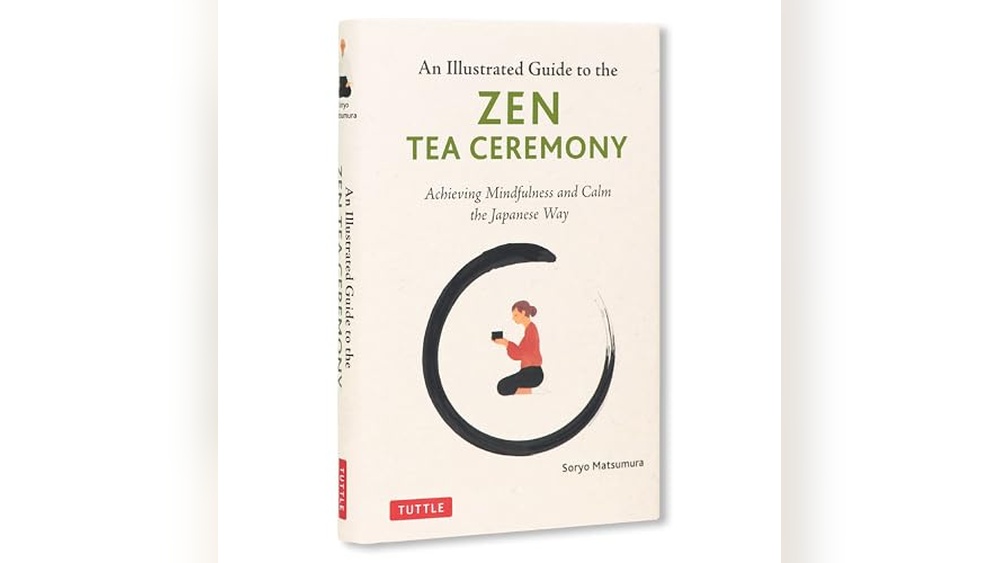
Zen Tea Ceremony Illustrated Guide
This Japanese Tea Ceremony Book Beginners Guide is ideal for anyone seeking a gentle introduction to mindfulness through traditional Zen practices.

This book is a visual and practical guide to the Zen tea ceremony. It is designed for beginners who want to learn the basics of Japanese mindfulness rituals without feeling overwhelmed. The clear illustrations and step-by-step instructions help demystify the process.
Using it feels calm and structured. The book’s layout encourages a relaxed pace, making it easy to follow along. I found that the simple instructions made me feel at ease, even when trying something new.
Everyday Learning With Zen Rituals
- Visual steps make preparation simple.
- Compact size fits easily on a table or lap.
- Instructions are easy to understand for beginners.
- Encourages slow, mindful practice.
- Good balance of text and illustrations.
- Can be used solo or with friends.
Calm Choices For Mindful Routines
This book is best for those wanting to start a Japanese tea ceremony practice at home, especially if you value gentle guidance and clear visuals. If you prefer quick, advanced tips or already know the basics, you might find the pace slower than desired.
A practical tip is to keep the book open during your first session, so you can refer to each step without stress. For anyone concerned about complexity, the book reassures with its straightforward layout and supportive tone. Take your time and enjoy the process.
Japanese Tea Bowl Styles Guide
This Japanese Tea Ceremony Book Beginners Guide is a helpful choice for newcomers who want to understand and appreciate the main styles of tea bowls used in traditional practice.

This book introduces the main types of Japanese tea bowls used in the tea ceremony, including Raku, Hagi, Karatsu, Shino, Oribe, and Tenmoku. It helps beginners who feel lost with the variety of bowl styles, offering clear examples and basic guidance.
Reading through, each style is explained in simple terms, making it easy to follow. You can flip through the 75 pages quickly and gain enough knowledge to feel comfortable at your first tea gathering.
Making Sense Of Tea Bowl Choices
| Covers major styles | Yes |
| Beginner-friendly language | Yes |
| Images of bowls included | No info |
| In-depth history | Basic overview |
| Length | 75 pages |
For Curious Beginners, Not Collectors
If you are new to the Japanese tea ceremony and want a simple guide for recognizing and choosing tea bowls, this book is a good place to start. It is especially suited to those who want to join a ceremony soon or are just starting to collect tea wares.
Those looking for deep history or advanced collecting tips may find it too basic. If you want detailed information about the clay, glaze, or makers, you might need a more comprehensive resource. A practical tip: use this guide as a starting point and observe real bowls at a local tea gathering for hands-on learning.
It’s fine to start with a basic understanding—no one expects mastery at the first ceremony. This book offers enough clarity to avoid feeling out of place.
Tea Rituals For Calm Living
This Japanese Tea Ceremony Book Beginners Guide is ideal for newcomers who want a gentle introduction to tea traditions and mindfulness.

The Way of Tea: Health, Harmony, and Inner Calm presents the basics of Japanese tea ceremony in a clear, approachable way. It offers a calm method for people who want to understand the tradition without feeling overwhelmed. The book’s manageable size and straightforward writing make it easy to start learning, even if you have no background in Japanese culture.
In practice, this book feels gentle and encouraging. The tone is steady and welcoming, which helps you build confidence as you try new steps. Reading it, I found the instructions practical and not rushed. Everything is explained simply, so you can focus on enjoying the experience rather than stressing about the details.
Is This Guide Right For Your Routine?
| Easy for beginners | Yes |
| Focuses on mindfulness | Strongly |
| Detailed traditional steps | Basic only |
| Suitable for advanced learners | Not really |
Steady Start For Tea Rituals
This guide works best for those looking to begin their journey into Japanese tea rituals without feeling pressured. If you prefer a gentle pace and clear, simple explanations, the book offers a calm foundation. It is not packed with advanced techniques, so experienced practitioners might find it too basic.
If you want deep dives into ceremonial history or complex procedures, you may need a more specialized resource.
If you’re starting out, try reading just one chapter at a time and practicing each step slowly. The book’s layout is forgiving, so you can revisit sections as needed. There’s no rush to finish—take your time and let the process settle.
Beginners can feel comfortable knowing the book doesn’t demand perfection, only steady progress.
Book Of Tea: Japanese Wisdom Guide
The Japanese Tea Ceremony Book Beginners Guide is suited for those curious about the spiritual and cultural roots of tea in Japan, especially newcomers to Zen philosophy.

What To Expect From This Guide
This book introduces the heart of the Japanese tea ceremony, exploring Zen and Taoist influences. It helps beginners understand the ceremony’s meaning, not just the steps. The format is gentle and the length is manageable, making it less intimidating for first-time readers.
Reading through, the experience is calm and reflective. There are no overwhelming details—just enough to feel the ceremony’s spirit. The book is compact and light, easy to hold, and doesn’t take up much space. If you want a quiet introduction, this fits well.
Consider This Before You Buy
If you want a basic overview and a sense of tradition, this book is a good match. It’s especially helpful if you like to read in short sessions and reflect on simple wisdom. The content isn’t technical; instead, it emphasizes philosophy and feeling.
However, if you expect step-by-step instructions, detailed photos, or recipes, you might be disappointed. The book is only 88 pages and focuses on ideas, not practical demonstrations. If you already know the basics and crave more depth, you may want to look for a different resource.
- Ideal for quiet, reflective readers
- Not for those seeking hands-on guidance
- Easy to carry and finish in a weekend
Beginner’s Guide To Tea Gardening
Japanese Tea Ceremony Book Beginners Guide seekers who want to grow and enjoy their own tea at home will find this book is made for hands-on beginners.
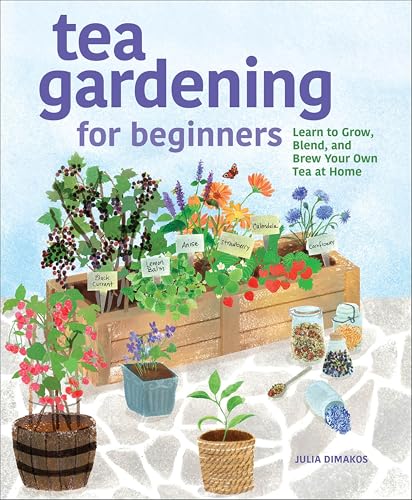
This book introduces the basics of growing, blending, and brewing tea at home. It solves the problem of not knowing where to start if you want to experience tea from the garden to the cup. The step-by-step guidance is especially helpful for those new to gardening or tea preparation.
Using this book feels calm and straightforward. The instructions are easy to follow, and you gain confidence as you see your own tea plants grow. Even if you have no previous experience, you’ll find the explanations make the process less intimidating.
Making Tea At Home: What To Expect
- Instructions are clear for planting and caring for tea.
- No need for a large garden—small spaces work too.
- Helps you blend and brew your own tea.
- Pages are easy to reference while working outside.
- Gives a sense of progress as your plants develop.
- Reduces confusion about which tools and seeds to use.
Worth A Look For Curious Beginners
If you are interested in Japanese Tea Ceremony Book Beginners Guide resources but want to start with hands-on tea gardening, this book is a gentle entry point. It’s best for patient beginners who enjoy learning by doing and want to create a personal tea experience from scratch.
Those who prefer reading about the cultural or ceremonial aspects of Japanese tea, rather than growing, might find the focus on gardening less helpful. If you dislike working with soil or expect elaborate historical context, this may not fit your needs.
Try keeping a small notebook handy as you follow along, so you can track your progress and any questions. There’s no need to rush—each page encourages a calm, steady approach to learning about tea at your own pace.
How To Narrow Down Your Japanese Tea Ceremony Book Choices
The best way to choose is to match your current interest level. If you want to learn about the philosophy, start with books focused on Zen or tradition. If you enjoy hands-on learning, look for guides with clear instructions or illustrations. Some books are short and simple, while others go deeper into history and meaning. Check the number of pages if you have limited time. Think about whether you want a reference book or just a gentle introduction. Most people miss this: the style of photography or illustration can change the feel of your learning experience.
The 30-second Checklist For Picking A Tea Ceremony Guide
- Does the book match your current level of knowledge?
- Are the steps and tools clearly explained for beginners?
- Is the writing style easy for you to understand?
- Do you want more history or more practical guidance?
- Will you use the book for solo learning or with a group?
- Does the page count fit the time you have available?
Common Regrets And Simple Fixes
Regret #1: Choosing a book that’s too advanced. If you feel lost, pick one labeled as a beginner’s guide or with clear step-by-step instructions. Look for books with lots of visuals to support the text.
Regret #2: Getting a book that’s mostly theory. If you want to practice the ceremony, make sure your book includes practical demonstrations, not just philosophy. Check for “how-to” sections or diagrams before buying.
Regret #3: Overlooking cultural context. Some guides focus only on ritual without explaining why each step matters. To avoid confusion, choose books that provide a mix of background and application, so you understand both the how and the why.
Quick Decision Table: Japanese Tea Ceremony Book Beginners Guide
| If you want… | Look for this | Avoid this |
|---|---|---|
| Hands-on practice at home | Step-by-step guides with photos or drawings | Philosophy-only books |
| Understanding cultural background | Books with history and context sections | Pure recipe or tool lists |
| Quick reading sessions | Short page counts (under 100 pages) | Lengthy, in-depth manuals |
| Learning about tea bowls and utensils | Books covering specific styles and materials | General overviews without details |
| Mindfulness or stress relief | Titles that mention Zen or calmness in the subtitle | Books focused only on gardening or blending |
Real-life Tips For Using Your Guide
- Set aside a quiet time to read and practice, free from distractions.
- Gather basic tools like a tea bowl and whisk if you want hands-on experience.
- Follow the book’s order; skipping ahead can make steps confusing.
- Try simple ceremonies before moving to advanced techniques.
- Keep a small notebook for personal reflections as you learn.
Faqs: Japanese Tea Ceremony Book Beginners Guide
Are These Guides Suitable For Complete Beginners?
Yes, most books labeled as guides for beginners start with the basics. Check the introduction or table of contents for a clear learning path.
Do I Need Special Tools To Follow Along?
Some books include practical steps that require tea bowls or whisks. Others focus on theory and can be read without any equipment.
How Long Does It Take To Read And Practice The Basics?
Short guides can be read in a few hours. Practicing a simple ceremony usually takes 30 minutes to an hour per session.
Is There A Difference Between Books On Tea Ceremony And General Tea Books?
Yes. Tea ceremony guides focus on Japanese rituals, history, and tools. General tea books may cover a wide range of topics and not include ceremony steps.
Can I Use These Books For Group Learning?
Many beginner guides are suitable for groups. Look for books with clear instructions and illustrations for each participant.
How Important Are Illustrations Or Photos In These Guides?
Visuals make it much easier to follow steps, especially for beginners. Consider choosing a book with plenty of images if you learn best by seeing.
Are Returns Or Exchanges Possible If I Choose The Wrong Book?
Check the return policy with your seller before buying. Most large retailers offer returns within a set period if the book is in good condition.
A Calm Finish For Your Japanese Tea Ceremony Book Beginners Guide Search
Choosing a Japanese Tea Ceremony Book Beginners Guide is a gentle first step into a thoughtful tradition. The right book can guide you, whether you seek mindful practice or cultural understanding.
If you are undecided, let your learning style be the tie-break rule: choose a book with more visuals if you like to see, or more text if you prefer reading quietly. Your experience will grow with each page and cup of tea.
Disclosure: As an Amazon Associate, I may earn from qualifying purchases at no extra cost to you. Amazon and the Amazon logo are trademarks of Amazon.com, Inc, or its affiliates.
