
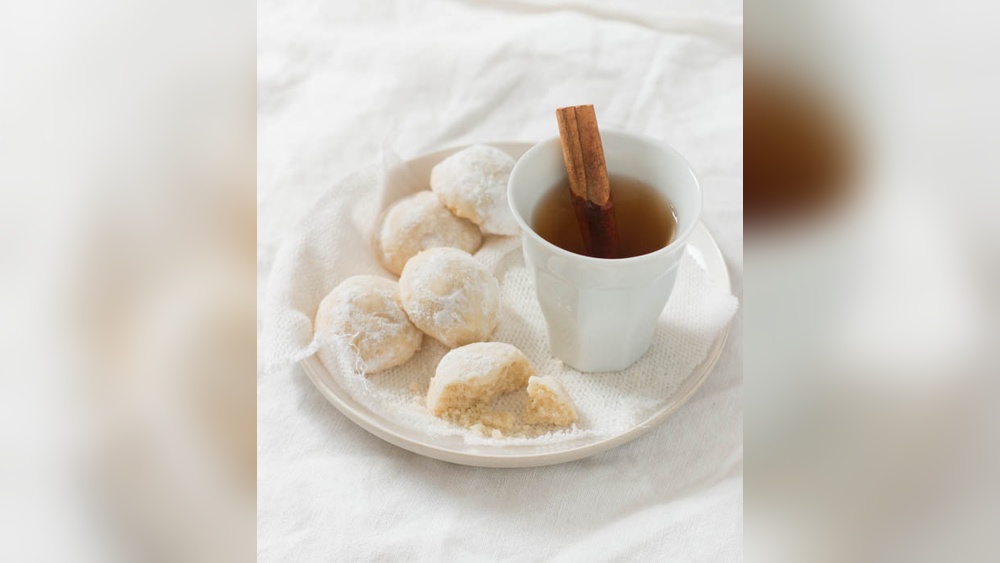
Have you ever wondered why butter cookies melt in your mouth the moment you take a bite? That soft, buttery sensation isn’t just luck—it’s a carefully crafted magic of ingredients and baking techniques.
If you love that smooth, melt-in-your-mouth feeling, understanding the secret behind it will change the way you enjoy every cookie. Keep reading to discover why your favorite butter cookies feel so heavenly and how this simple delight comes to life with every bite.
Exclusive Amazon Early Sales & Discounts!
Save big with limited-time price drops across top-rated kitchen essentials, tools, auto parts, and accessories on Amazon.
⚡ Shop Prime Big Deal Days
Credit: www.thekitchn.com
Butter’s Role In Texture
Butter plays a key role in the texture of butter cookies. It gives them a soft, tender feel that seems to melt in your mouth. The unique way butter behaves during baking creates this special texture. Understanding butter’s role helps explain why these cookies are so delightful.
Fat Content And Melting Point
Butter contains about 80% fat. This fat is solid when cold but melts at body temperature. This melting point helps cookies soften quickly in your mouth. The fat coats the flour particles, reducing gluten formation. Less gluten means a more crumbly, tender cookie.
Creaming Method Impact
The creaming method mixes butter with sugar until fluffy. This process traps air in the dough. These tiny air pockets expand during baking. They make the cookies light and soft. Proper creaming creates a delicate texture that dissolves easily when eaten.
Flour’s Influence On Structure
The type of flour used in butter cookies greatly affects their texture and how they melt in your mouth. Flour provides the structure for the cookie dough. It creates a balance between softness and firmness. This balance is key to the cookie’s delicate, melt-in-your-mouth quality.
The protein in flour interacts with moisture and fat. This interaction forms gluten, which gives dough its elasticity and strength. Controlling gluten development is essential for soft, tender cookies rather than tough or chewy ones.
Gluten Development Control
Gluten forms when flour mixes with water and is kneaded. Too much gluten makes cookies tough and dense. Butter cookies need minimal gluten to stay light and crumbly. Mixing the dough gently helps control gluten development. Avoid overworking the dough to keep it tender. Using cold ingredients also slows gluten formation. This ensures a softer texture that melts easily in the mouth.
Choosing The Right Flour Type
Different flours have different protein levels. Cake flour has the lowest protein, making it ideal for tender cookies. All-purpose flour has a moderate protein amount. It works well but can make cookies a bit firmer. Pastry flour falls between cake and all-purpose flour. It offers a good balance for soft, crumbly cookies. Choosing the right flour type helps achieve that perfect melt-in-your-mouth texture.
Sugar And Sweetness Balance
Sugar plays a big role in making butter cookies melt in your mouth. It adds sweetness and also changes the cookie’s texture. The right balance of sugar makes cookies soft and tender. Too much sugar can make them hard or too sweet. Too little sugar can leave cookies dry and crumbly. Sugar controls how the cookie feels and tastes.
Sugar Granule Size Effect
The size of sugar granules affects cookie texture. Fine sugar dissolves quickly in dough. It helps make cookies smooth and soft. Larger sugar crystals take longer to melt. They create small air pockets in the cookie. This makes the cookie light and tender. Bakers choose sugar size to control cookie softness. The right granule size helps cookies melt gently on the tongue.
Caramelization During Baking
Caramelization happens when sugar heats in the oven. It turns sugar into a rich, golden color. This process adds flavor and smell to cookies. Caramelized sugar gives cookies a slight crunch outside. Inside, it keeps them soft and moist. The balance of caramelization affects cookie sweetness. Perfect caramelization makes butter cookies taste deep and smooth.
Baking Techniques That Matter
Baking butter cookies that melt in your mouth is not just about ingredients. The techniques you use during baking play a big role. Small changes in how you bake can change the cookie’s texture and taste. Understanding key baking steps helps create that soft, buttery melt.
Focus on temperature control and dough handling. These steps affect how cookies bake and feel when eaten. Let’s explore two important baking techniques that make butter cookies special.
Temperature And Time Precision
Baking butter cookies needs exact oven temperature and baking time. Too hot, and cookies become hard or burnt. Too cool, and they stay doughy or dry out. The right temperature lets butter melt slowly inside the cookie.
Baking time is just as important. Bake cookies long enough to cook through but not dry out. Watch for golden edges and soft centers. This balance keeps cookies tender and melt-in-your-mouth.
Chilling Dough Importance
Chilling the dough before baking helps cookies keep shape. Cold dough spreads less, making cookies thick and soft. This step also lets butter solidify again. When baked, solid butter melts slowly, creating a tender texture.
Chilling also helps flavors develop. It makes the dough easier to handle. Skipping this step can lead to flat, hard cookies. Always chill dough for at least 30 minutes for best results.
Additional Ingredients’ Impact
Butter cookies are famous for their soft, melt-in-your-mouth texture. This special feel comes from more than just butter and sugar. Other ingredients play a big role in creating that perfect bite. These extra ingredients affect how the dough behaves and how the cookie feels after baking.
Eggs And Moisture Levels
Eggs add moisture and help bind the dough. They create a tender crumb that breaks easily. This softness helps the cookie melt quickly on the tongue. Too much moisture can make cookies cakey, not melt-in-the-mouth. The right balance keeps them soft but still crisp around the edges.
Additives That Enhance Texture
Some recipes use small amounts of cornstarch or baking powder. Cornstarch softens the cookie by reducing gluten formation. Baking powder adds tiny air pockets, making cookies lighter. These additives change texture without affecting taste. They help cookies stay delicate and smooth.

Credit: myincrediblerecipes.com
Science Behind Mouthfeel
Butter cookies are famous for their smooth, soft texture. This texture feels special because of how they interact with your mouth. The science behind mouthfeel explains why these cookies seem to melt as you eat them. It involves the way heat and your senses work together.
Understanding this helps you appreciate the magic of butter cookies more. It shows how simple ingredients create a unique experience.
Melting Point And Body Temperature
Butter has a low melting point, about 90 to 95 degrees Fahrenheit. This is close to the average human body temperature. When you bite into a butter cookie, the heat from your mouth starts to melt the butter quickly.
This melting softens the cookie and creates a creamy feel. The fat in butter changes from solid to liquid, making the cookie dissolve easily. This sensation is why the cookie seems to melt in your mouth.
Sensory Perception Of Texture
Your mouth senses texture using nerves on the tongue and inside the cheeks. These nerves detect the smoothness and softness of the cookie as the butter melts. The creamy, soft texture signals pleasure to your brain.
The contrast between the cookie’s crumbly parts and melted butter adds to the sensation. This mix of textures makes eating butter cookies enjoyable and satisfying. Your senses work together to create a feeling of indulgence.

Credit: www.youtube.com
FAQs About Why Do Butter Cookies Melt in Your Mouth
Why Do Butter Cookies Melt In Your Mouth?
Butter cookies melt in your mouth due to their high butter content. Butter creates a smooth, creamy texture that dissolves quickly with warmth, giving a melt-in-mouth sensation.
What Ingredients Make Butter Cookies Melt Easily?
Butter, sugar, and flour are key. High butter and sugar ratios soften the cookie, while finely milled flour ensures a tender texture that melts smoothly.
How Does Butter Affect Cookie Texture?
Butter adds moisture and fat, which softens the dough. It melts at body temperature, making cookies feel soft and creamy when eaten.
Can Baking Temperature Impact Cookie Meltability?
Yes, baking at the right temperature ensures cookies remain soft. Overbaking dries them out, while proper timing keeps the texture tender and melt-in-mouth.
Conclusion
Butter cookies melt in your mouth because of their rich butter and fine sugar. The butter softens as it warms, creating a smooth texture. Sugar crystals dissolve quickly, adding to the melt-in-mouth feel. The cookie’s crumb is light and delicate, breaking apart easily.
This combination makes each bite feel soft and creamy. Enjoying butter cookies is about simple ingredients working perfectly together. That melt-in-your-mouth sensation keeps people coming back for more. It’s a small pleasure that feels special every time. Butter cookies show how basic baking can create amazing tastes.
Disclosure: As an Amazon Associate, I may earn from qualifying purchases at no extra cost to you. Amazon and the Amazon logo are trademarks of Amazon.com, Inc, or its affiliates.
