
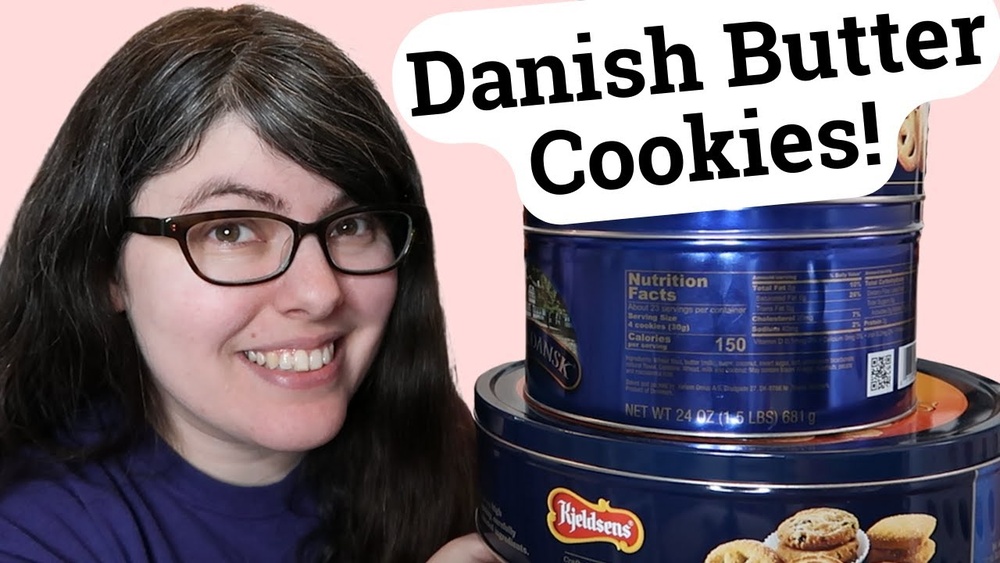
Kjeldsens Butter Cookies Vs Royal Dansk. Butter cookies are more than just a treat. For many, the blue tins mean family gatherings, holiday memories, or a small joy with coffee. Two brands often stand out: Kjeldsens Butter Cookies and Royal Dansk. Both come from Denmark, both use blue tins, and both have global followings. But are they really the same? Let’s dig deep into what sets them apart, where they overlap, and which might be the best choice for you.
The Origins: Danish Heritage And Global Reach
Kjeldsens and Royal Dansk both started in Denmark, but their stories are unique. Kjeldsens was founded in 1933 by Marinus Kjeldsen in the small town of Hjørring. His idea was simple: make quality cookies using the best ingredients. Over the decades, Kjeldsens grew from a local bakery to an international brand, now owned by the Hong Kong-based Campbell Soup Company.
Royal Dansk began in 1966 in the town of Helsingør. Its founders wanted to bring Danish butter cookies to a wider audience. The famous blue tin with the country manor on it became a symbol of classic European baking. After several mergers, Royal Dansk is now part of Kelsen Group, owned by the Italian food giant Ferrero.
These backgrounds shape each brand’s approach. Kjeldsens leans into its old-world recipes and Asian market strength, while Royal Dansk emphasizes tradition and wide availability, especially in the US and Europe.
Packaging: More Than Just A Blue Tin
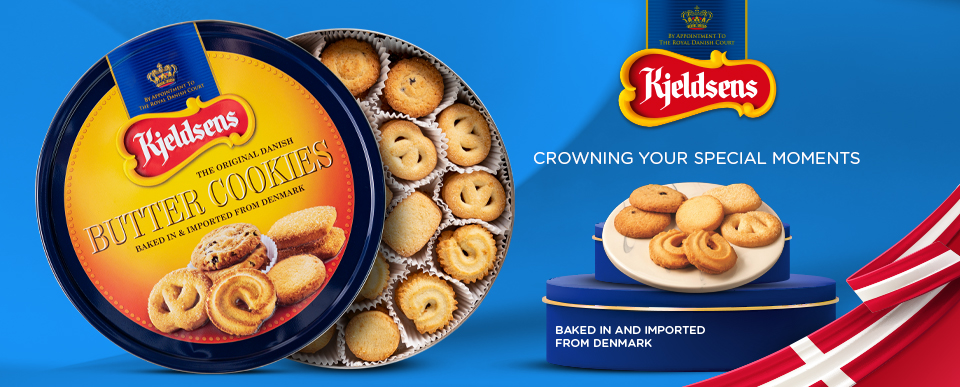
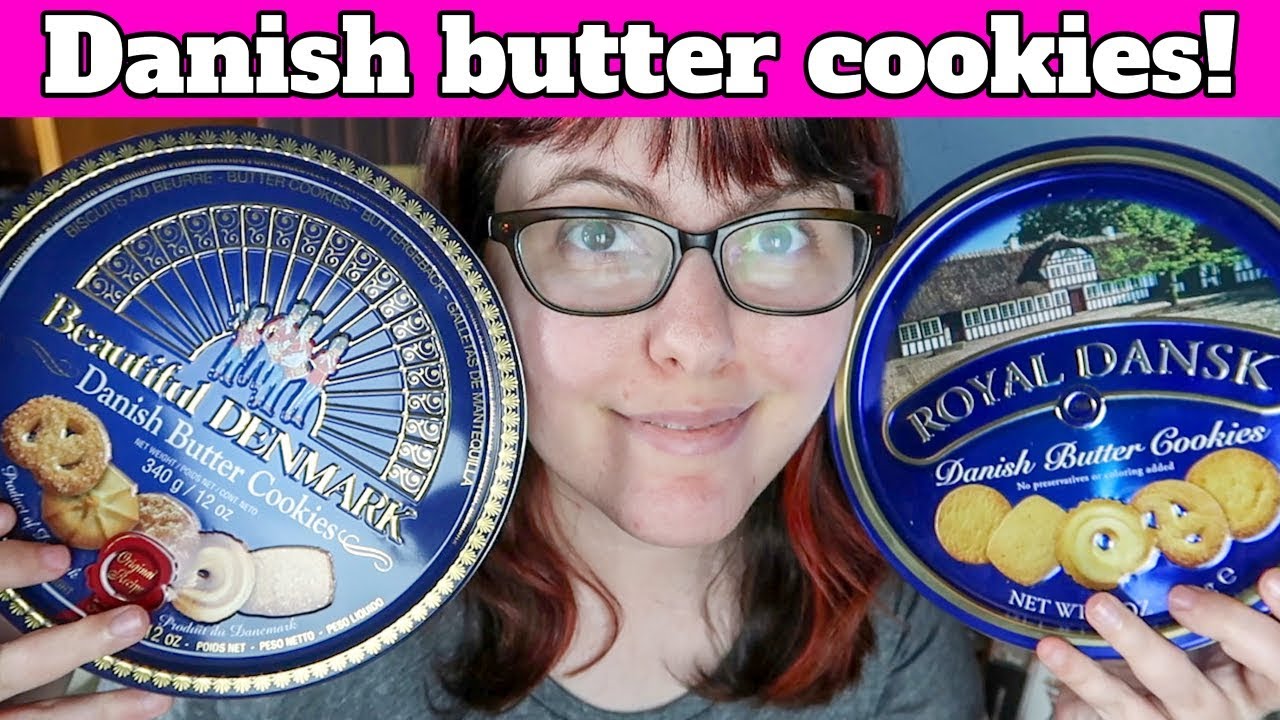
At first glance, the tins look almost identical. But a closer look reveals subtle differences that matter to collectors and gift-givers.
| Feature | Kjeldsens | Royal Dansk |
|---|---|---|
| Main Color | Deep blue with gold highlights | Royal blue with white manor image |
| Logo Placement | Red oval logo, top center | Cursive text, centered |
| Common Tin Sizes | 454g, 908g, 162g | 340g, 908g, 227g |
| Visual Theme | Gold border, elegant script | Country manor, classic look |
Collectors sometimes favor Kjeldsens for its gold accents, while Royal Dansk is a top pick for its iconic manor illustration. Both tins are often reused for sewing kits or keepsakes, giving them a life beyond the cookies.
Ingredients And Recipe: What’s Inside Matters
Both brands highlight their use of real butter, but there are recipe differences that change taste and texture.
Main Ingredients
- Kjeldsens: Wheat flour, butter (minimum 26%), sugar, desiccated coconut, salt, and sometimes milk powder.
- Royal Dansk: Wheat flour, butter (minimum 21%), sugar, coconut, and salt.
The butter percentage is higher in Kjeldsens, which affects richness. You’ll also notice coconut in both, but it tends to be more noticeable in Royal Dansk. Importantly, neither brand uses artificial flavors or preservatives in their classic recipes.
Nutritional Data
Here’s a side-by-side look at a standard serving (about 30g, or 3–4 cookies):
| Nutrient | Kjeldsens | Royal Dansk |
|---|---|---|
| Calories | 160 | 150 |
| Total Fat | 8g | 7g |
| Saturated Fat | 5g | 4.5g |
| Sugar | 7g | 6g |
| Protein | 2g | 2g |
| Sodium | 60mg | 70mg |
One non-obvious point: Kjeldsens’ slightly higher butter and sugar content creates a richer mouthfeel, but also raises calories per serving. If you prefer a less-sweet cookie, Royal Dansk may be better.
Taste And Texture: Subtle But Noticeable Differences
If you taste both brands side by side, you’ll spot subtle differences.
- Kjeldsens: The cookies are crisp but tender, with a melt-in-the-mouth quality. The butter flavor is strong and lingers. Some varieties have a slight coconut aftertaste.
- Royal Dansk: The texture is crunchy and light. The flavor is milder, with more focus on sweetness and a cleaner finish.
Both brands offer classic shapes—pretzel, vanilla ring, country style, and Finnish bread—but the texture of Kjeldsens is a bit denser. Royal Dansk’s cookies break with a snap, while Kjeldsens crumbles softly. This may seem minor, but for many fans, it’s a key reason to prefer one over the other.

Credit: www.reddit.com
Variety And Special Editions
While both brands stick to the five classic shapes, there are some differences in selection and limited editions.
Kjeldsens offers:
- Original Butter Cookies
- Assorted Butter Cookies (with chocolate chip, vanilla, coconut)
- Special tins for Lunar New Year and other holidays
Royal Dansk offers:
- Danish Butter Cookies (classic assortment)
- Chocolate Chip Cookies
- Coconut Cookies
- Seasonal and holiday tins
Kjeldsens has a stronger presence in Asia, so its special editions often feature Chinese New Year designs. Royal Dansk releases more themed tins in Western markets, like Christmas or Royal occasions.
Price And Value: What You Get For Your Money
Price can vary widely depending on where you buy and the size of the tin. However, on average:
- Kjeldsens tends to be priced slightly higher, especially outside Asia. A 454g tin may cost $9–$13.
- Royal Dansk is often more affordable, with a 340g tin typically priced at $5–$8 in the US.
Why is Kjeldsens more expensive? Part of it is the higher butter content, but it’s also due to import costs and packaging. Royal Dansk’s wider distribution network helps keep prices lower.
When it comes to value, both brands offer similar quantities per tin, and both stay fresh for months if unopened. If price is your main concern, Royal Dansk is usually the better deal.
Popularity And Availability Around The World
Royal Dansk dominates in North America and Europe. You’ll find their tins in most supermarkets, especially during the holidays. In the US, Royal Dansk is often the only Danish butter cookie brand on the shelf.
Kjeldsens leads in Asia, particularly in China, Hong Kong, Singapore, and Malaysia. During Lunar New Year, Kjeldsens tins are a popular gift and can be found in most major stores.
Both brands are available globally through online retailers like Amazon, but regional pricing and selection can vary. For example, in Australia, Kjeldsens is often found in Asian supermarkets, while Royal Dansk is at mainstream grocery chains.
One less obvious insight: Some countries get slightly different recipes due to local food regulations or taste preferences. This means the same brand may taste a bit different in Singapore vs. the US.
Gifting And Cultural Significance
Butter cookie tins are a classic gift during holidays, weddings, and family gatherings. In many Asian countries, Kjeldsens tins are a symbol of good luck and prosperity. It’s common to see them stacked in stores during Chinese New Year, often with special packaging.
In Western countries, Royal Dansk is associated with Christmas and cozy winter traditions. The blue tin has become a nostalgic object, often used to store sewing supplies or family treasures long after the cookies are gone.
A practical tip: If you’re gifting in Asia, Kjeldsens is likely to be more appreciated. In the US or Europe, Royal Dansk is the familiar favorite.
Which Is Better? Choosing Based On Your Needs
There’s no single answer—each brand has strengths depending on what you value.
Choose Kjeldsens if you want:
- Richer butter taste
- Slightly denser, softer texture
- Special holiday editions, especially for Asian festivals
- A “premium” feel (and are okay with a higher price)
Choose Royal Dansk if you want:
- Crunchier, lighter cookies
- More affordable prices
- Easy availability in most stores
- Classic, recognizable packaging
If you’re buying for a group or a party, Royal Dansk is a safe, crowd-pleasing option. For gifting or a “treat yourself” moment, Kjeldsens might be worth the splurge.
Common Mistakes When Buying
- Assuming all blue tins taste the same: They look similar, but the flavor and texture are different.
- Not checking the expiration date: Both brands have long shelf lives, but older tins can lose crispness.
- Ignoring serving size: Both are high in calories—easy to overindulge!
- Buying based only on price: A higher price doesn’t always mean better quality for your taste.
- Overlooking local editions: Special editions may have unique flavors or packaging not available elsewhere.
Credit: www.kjeldsens.com
Non-obvious Insights
- Ingredient order can signal recipe changes: In some markets, coconut moves higher or lower on the list, affecting flavor.
- Reusability of tins: Kjeldsens tins are slightly deeper, which some crafters prefer for storage.
- Both brands have changed ownership in recent decades, which sometimes leads to small recipe tweaks.
The Final Verdict
Both Kjeldsens Butter Cookies and Royal Dansk have earned their place in the world of classic treats. If you want a richer, “old-world” cookie, Kjeldsens is the winner. If you value tradition, a light crunch, and easy availability, Royal Dansk is hard to beat. The best way to decide? Try both side by side—the taste test never lies.
For more on Danish butter cookie history, see the Wikipedia entry on butter cookies.
Credit: www.youtube.com
Frequently Asked Questions Kjeldsens Butter Cookies Vs Royal Dansk
Why Are Danish Butter Cookies So Popular Worldwide?
Danish butter cookies have a unique combination of rich flavor, crisp texture, and attractive packaging. They became popular as gifts and holiday treats, and their long shelf life makes them ideal for sharing and storing.
Are Kjeldsens And Royal Dansk Cookies Made In Denmark?
Most tins sold worldwide are still made in Denmark, though some production for Kjeldsens has moved to other countries to serve Asian markets. Always check the label to confirm the country of origin.
Do Either Kjeldsens Or Royal Dansk Contain Nuts?
The classic recipes for both brands do not include nuts. However, they are made in facilities that may handle nuts, so those with allergies should read packaging carefully.
How Long Do The Cookies Stay Fresh After Opening?
Once opened, both brands’ cookies stay fresh for about 2–3 weeks if stored in an airtight container. Unopened, they last for months thanks to the tin packaging.
Why Do People Use The Tins For Sewing Supplies?
The sturdy, reusable tins are the perfect size for storing needles, thread, and buttons. This tradition started because families did not want to waste the decorative packaging, turning it into a handy storage box once the cookies were gone.
Disclosure: As an Amazon Associate, I may earn from qualifying purchases at no extra cost to you. Amazon and the Amazon logo are trademarks of Amazon.com, Inc, or its affiliates.
