
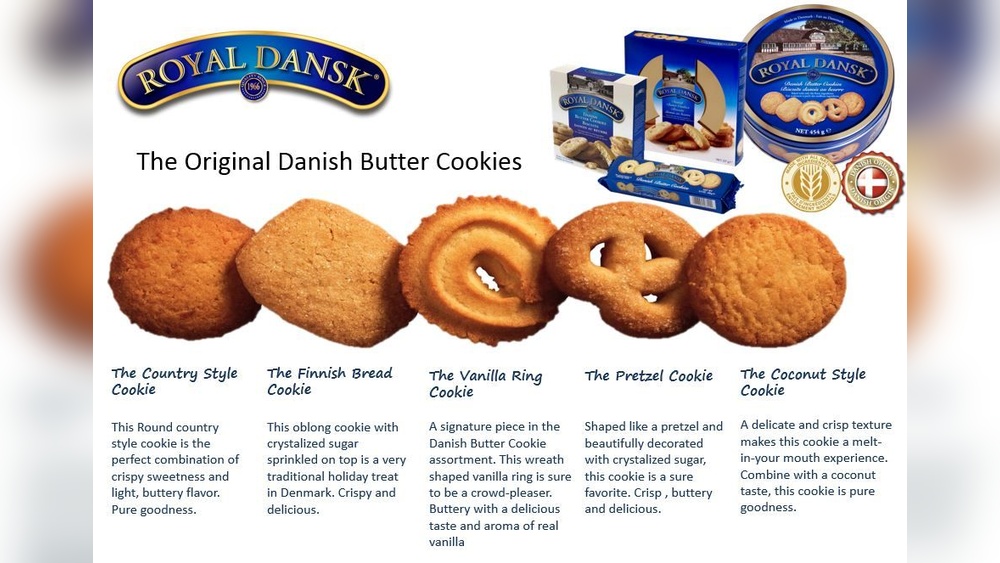
When you walk down the cookie aisle in a store, you might see tins of Danish butter cookies and boxes of shortbread. Both look simple, golden, and tempting. But are they the same? Not quite. These two classic cookies have deep roots in European baking, and while they share some similarities, the differences are much bigger than most people realize. If you want to know which cookie suits your taste, your recipes, or your celebrations, understanding their unique qualities is essential.
This article will guide you through the origins, ingredients, textures, flavors, cultural roles, and even the nutritional values of Danish butter cookies and shortbread. You’ll also see practical tips for baking, storing, and serving each. Finally, a FAQ section will answer common questions beginners often ask.
Let’s dive in and uncover the secrets behind these beloved cookies.
Origins And History
The story of Danish butter cookies begins in Denmark. In the late 19th and early 20th centuries, Danish bakers developed these cookies as a way to showcase their country’s high-quality butter. The cookies quickly became a symbol of Danish hospitality and are now exported worldwide. The famous blue tins, often filled with different shapes, are a holiday staple in many homes.
Shortbread, on the other hand, traces its roots to Scotland. Its history goes back to the 12th century, but it became popular in the 16th century when Queen Mary of Scots enjoyed it. Scottish shortbread was traditionally made for festive occasions like Christmas and Hogmanay (Scottish New Year). Today, shortbread is a point of pride in Scotland, with many family recipes passed down through generations.
Both cookies have evolved, but their traditions remain strong. Danish butter cookies are often associated with Christmas and celebrations, while shortbread is tied to Scottish heritage and special events.
Key Ingredients And Recipe Differences
Although Danish butter cookies and shortbread look similar, their ingredient lists and preparation methods are distinct. Let’s break down the core differences.
| Cookie Type | Main Ingredients | Common Additions | Fat Content |
|---|---|---|---|
| Danish Butter Cookies | Butter, sugar, flour, eggs | Vanilla, salt, sometimes milk | Moderate to high |
| Shortbread | Butter, sugar, flour | Salt, sometimes rice flour | Very high |
Danish Butter Cookies
- Use butter as the main fat, but often include eggs.
- The dough is sometimes flavored with vanilla or a pinch of salt.
- The addition of eggs creates a richer, softer dough, which can be piped into shapes.
- Danish butter cookies often have a delicate, crisp texture, but not as crumbly as shortbread.
Shortbread
- Classic shortbread uses only butter, sugar, and flour. No eggs.
- Sometimes, rice flour is added to improve the crumbly texture.
- The high ratio of butter makes shortbread very rich and crumbly.
- Shortbread dough is usually pressed or rolled, not piped.
A non-obvious insight: The absence of eggs in shortbread is key to its dry, sandy texture. Eggs in Danish butter cookies act as a binder, making them less fragile.

Credit: www.reddit.com
Texture And Taste: What’s The Real Difference?
The first bite tells you a lot. Let’s compare how these cookies feel and taste.
| Cookie | Texture | Flavor |
|---|---|---|
| Danish Butter Cookies | Light, crisp, slightly chewy | Buttery, sweet, mild vanilla |
| Shortbread | Crumbly, dry, melt-in-the-mouth | Very buttery, less sweet, simple |
Danish Butter Cookies
When you bite into a Danish butter cookie, you get a crisp edge and a soft, airy center. The flavor is sweet but not overpowering, with hints of butter and vanilla. Some versions may have a slight chewiness, thanks to eggs in the dough.
Shortbread
Shortbread breaks apart easily, almost dissolving when you eat it. The crumbly, sandy texture is its signature. The taste is pure butter, with little sweetness. Some bakers use a touch of salt to enhance the butter’s flavor. Unlike Danish butter cookies, shortbread usually lacks any vanilla or extra flavorings.
A practical tip: If you prefer cookies that hold their shape and have a gentle crunch, go for Danish butter cookies. If you love a rich, buttery, melt-in-your-mouth treat, shortbread is your best choice.
Read More: Royal Dansk Danish Butter Cookies Taste Review
Shapes And Presentation
Both cookies are visually appealing, but their shapes and presentations differ due to their dough consistency.
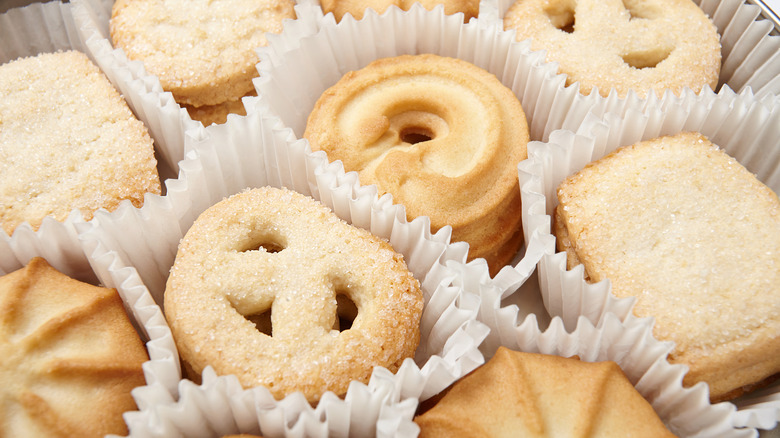
- Danish butter cookies are often piped into swirls, rings, or pretzel shapes. The dough is soft enough to be shaped with a pastry bag. You’ll also find them in flower or shell shapes, sometimes topped with coarse sugar.
- Shortbread is usually cut into thick rounds, rectangles (“fingers”), or triangles. The dough is pressed flat and cut, not piped. Traditional Scottish shortbread often has fork marks or decorative edges.
One insight beginners miss: The shape is not just for looks—piped cookies bake differently than pressed cookies, leading to unique textures.
Credit: www.thedailymeal.com
Cultural Significance And Uses
Both cookies are more than just snacks; they’re part of family traditions and celebrations.
Danish Butter Cookies
- Gifted during Christmas, weddings, and birthdays.
- The iconic blue tins are reused for sewing supplies or keepsakes.
- Served with coffee or tea in Danish homes, symbolizing hospitality.
- Popular worldwide, especially in the US, Asia, and Europe.
Shortbread
- Essential for Scottish festivals like Hogmanay.
- Used as a base for desserts (like millionaire’s shortbread).
- Often served with tea, especially in the UK.
- Recipes passed down in families, sometimes with unique twists.
A comparison: Danish butter cookies are celebrated for their variety and festive packaging, while shortbread is valued for its simplicity and tradition.
Nutritional Comparison
Both cookies are rich in butter, but their nutrition profiles differ. Here’s a quick breakdown per standard serving (about 30g):
| Cookie | Calories | Fat (g) | Sugar (g) | Carbs (g) |
|---|---|---|---|---|
| Danish Butter Cookies | 150 | 7 | 8 | 18 |
| Shortbread | 180 | 10 | 6 | 17 |
- Shortbread is higher in fat and calories due to its butter-heavy recipe.
- Danish butter cookies have more sugar and often slightly more carbohydrates.
If you’re watching your diet, shortbread can be more calorie-dense. However, both are treats meant to be enjoyed in moderation.

Credit: www.youtube.com
Baking Tips: Getting Each Cookie Right
If you want to bake these cookies at home, knowing the right technique is essential.
Danish Butter Cookies
- Use room temperature butter. This helps the dough blend smoothly.
- Cream butter and sugar until light and fluffy.
- Add eggs one at a time for a soft, pipeable dough.
- Chill the dough if it feels too soft.
- Pipe shapes onto baking sheets; bake at 350°F for 10–12 minutes.
Shortbread
- Use cold butter. Cut it into the flour and sugar for a crumbly dough.
- Avoid overworking the dough; this keeps the texture tender.
- Press dough into a pan or roll and cut.
- Prick with a fork for traditional look and even baking.
- Bake at 325°F for 18–20 minutes until pale golden.
Common mistake: Beginners often bake shortbread too long, turning it brown. Classic shortbread should stay pale.
Storing And Serving
Both cookies keep well, but storage matters.
- Danish butter cookies are best kept in airtight tins. They stay fresh for up to 3 weeks.
- Shortbread can last 1–2 weeks if stored in a cool, dry place. Too much moisture can make it soggy.
For serving:
- Danish butter cookies are perfect for sharing at parties or with coffee.
- Shortbread pairs well with tea and can be used as a base for desserts.
Non-obvious insight: The butter in shortbread absorbs odors easily. Store away from strong-smelling foods.
Modern Variations And Trends
Today, bakers experiment with both cookies.
- Danish butter cookies are flavored with chocolate, coconut, or citrus zest.
- Shortbread is topped with chocolate, nuts, or even savory herbs.
Some bakeries use plant-based butters for vegan versions. The taste changes, but the texture can stay close to the original. Gluten-free shortbread is also popular, using rice flour or cornstarch.
The Verdict: Which Cookie Should You Choose?
If you want a festive, sweet, and crisp cookie with beautiful shapes, Danish butter cookies are ideal. They’re also versatile and loved by all ages. If you prefer a rich, buttery, crumbly treat with deep tradition, shortbread wins. Both have loyal fans, and both deserve a place in your kitchen.
For more in-depth details about Danish butter cookies, you can visit Wikipedia.
FAQs About Danish Butter Cookies vs Shortbread
Are Danish Butter Cookies And Shortbread Gluten-free?
No, both cookies use wheat flour and are not naturally gluten-free. However, some recipes use rice flour or cornstarch for gluten-free versions. Always check labels or make your own if you need gluten-free cookies.
Can I Substitute Butter With Margarine In These Cookies?
You can, but the taste and texture will change. Butter gives a richer flavor and better texture. Margarine may make Danish butter cookies less crisp and shortbread less crumbly. For best results, stick with real butter.
Why Are Danish Butter Cookies Often Sold In Tins?
The tins help keep the cookies fresh and protect their delicate shapes. It’s also a tradition started in Denmark for gifting and storing cookies. Many people reuse the tins for other purposes, like storing sewing supplies.
What Makes Shortbread Melt In Your Mouth?
The high butter-to-flour ratio and absence of eggs create a crumbly, sandy texture. Butter coats the flour particles, preventing gluten formation and giving shortbread its melt-in-the-mouth quality.
Can I Freeze Danish Butter Cookies Or Shortbread?
Yes, both cookies freeze well. Place them in airtight containers and freeze for up to 2 months. Thaw at room temperature before serving. This is a great way to keep cookies fresh for holidays or special occasions.
Both Danish butter cookies and shortbread are timeless classics. Whether you enjoy them with tea, gift them to friends, or bake them for family celebrations, knowing their differences makes your experience richer. Try both, and you’ll find your favorite.
Disclosure: As an Amazon Associate, I may earn from qualifying purchases at no extra cost to you. Amazon and the Amazon logo are trademarks of Amazon.com, Inc, or its affiliates.
