
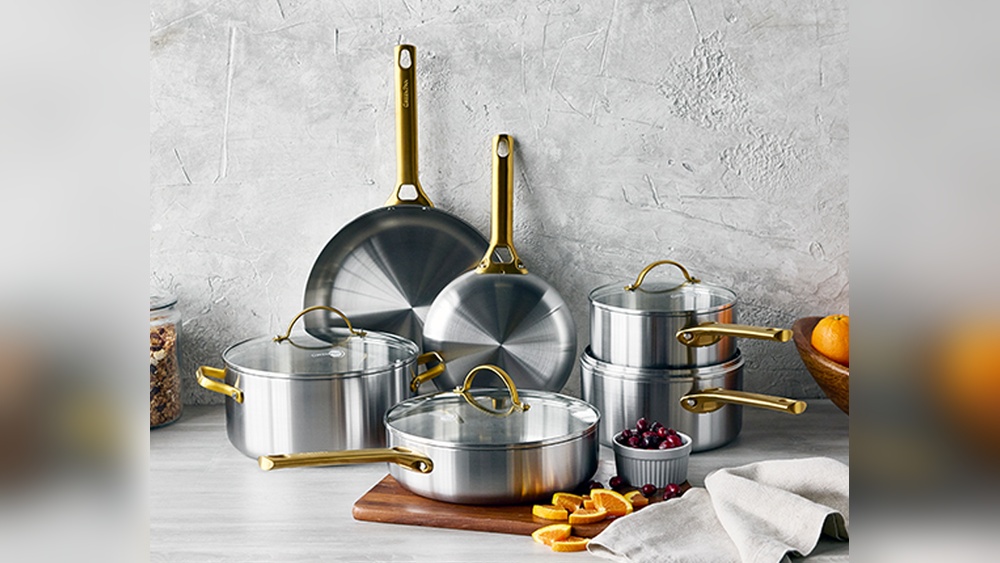
Choosing the right cookware set can change the way you cook—and enjoy your meals. But with so many options out there, how do you find the perfect match for your kitchen and lifestyle?
You want pots and pans that last, heat evenly, and make cooking easier, not more complicated. In this guide, you’ll discover simple tips to pick cookware that fits your needs, budget, and cooking style. By the end, you’ll feel confident making a choice that turns every meal into a pleasure.
Keep reading to unlock the secrets to cookware that works for you.
Types Of Cookware Materials
Choosing the right cookware material affects cooking results and durability. Each type offers unique features for different cooking styles. Understanding these materials helps pick the best set for your kitchen needs.
Stainless Steel Benefits
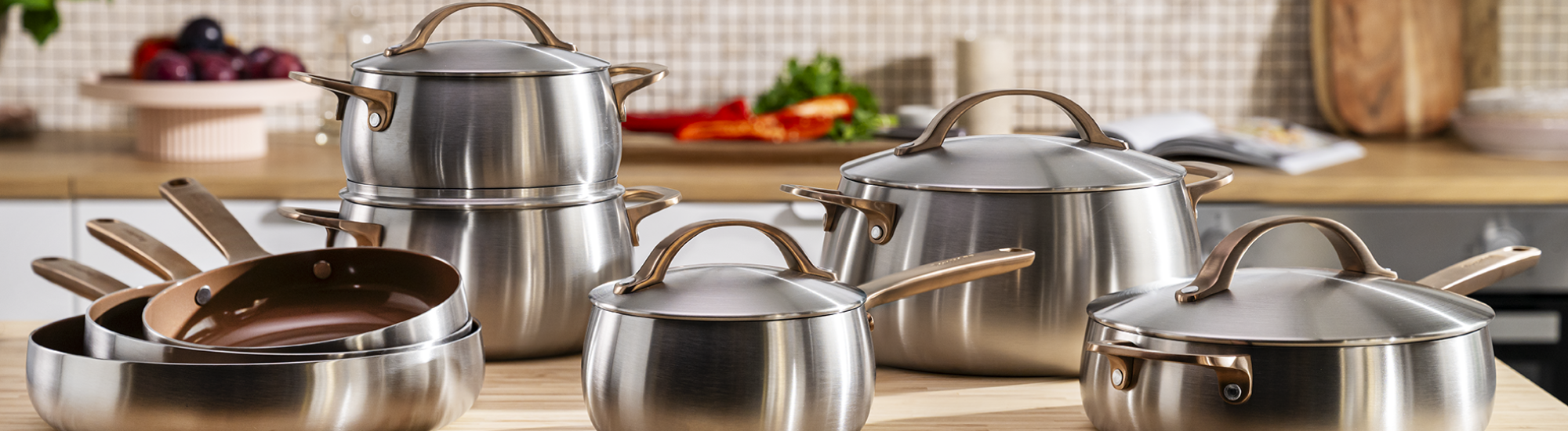
Stainless steel is strong and resists rust and stains. It heats evenly but may need more oil to prevent sticking. This material works well for boiling, frying, and searing. It is dishwasher safe and easy to clean. Stainless steel cookware looks modern and lasts many years.
Nonstick Advantages
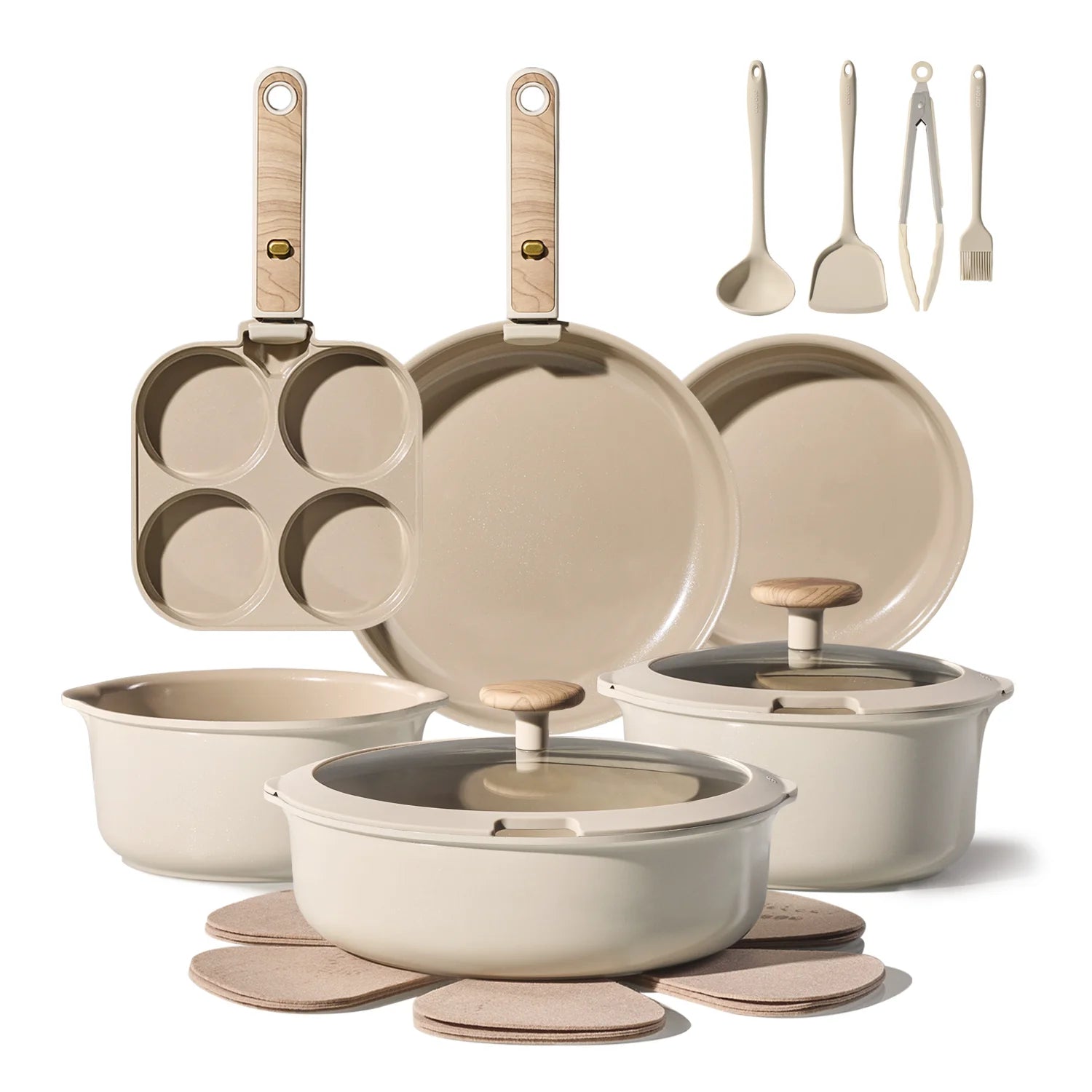
Nonstick cookware has a smooth coating that stops food from sticking. It needs less oil, making it good for healthy cooking. Cleaning is quick and simple with nonstick pans. Avoid high heat to keep the coating safe. Great for eggs, pancakes, and delicate foods.
Cast Iron Uses
Cast iron holds and spreads heat very well. It is perfect for slow cooking, frying, and baking. Over time, it develops a natural nonstick surface called seasoning. Cast iron is heavy but very durable. It can be used on stovetops, ovens, and grills.
Copper Cookware Insights
Copper heats up fast and cools down quickly for precise control. It is often lined with stainless steel to avoid reactions with food. Copper pans need regular polishing to stay shiny. They are popular for sauces and delicate dishes. Copper cookware looks elegant but can be expensive.
Aluminum Options
Aluminum is lightweight and heats evenly. It is often coated or anodized to prevent scratching and food reaction. Aluminum cookware is affordable and good for daily use. It works well for frying, sautéing, and baking. Avoid using bare aluminum with acidic foods.
Credit: www.berghoffhome.com
Essential Cookware Pieces
Choosing the right cookware pieces builds a strong kitchen foundation. Essential cookware helps prepare many dishes easily. Focus on versatile items that suit everyday cooking needs. Quality and durability matter most for lasting use.
Understand the basic cookware types to cover most recipes. Each piece serves a specific cooking purpose. Select items that match your cooking style and family size.
Saucepans And Skillets
Saucepans are perfect for boiling, simmering, and making sauces. Choose one with a lid and comfortable handle. A 2 to 3-quart size fits most tasks well.
Skillets, or frying pans, handle frying, searing, and sautéing. Nonstick or stainless steel options work for different preferences. A 10-inch skillet suits most kitchens.
Stockpots And Dutch Ovens
Stockpots are large pots designed for soups, stews, and boiling pasta. Pick one with a tight-fitting lid for better cooking results. Sizes around 8 to 12 quarts serve families well.
Dutch ovens offer even heat for braising and slow cooking. Heavy cast iron models retain heat longer. They are great for one-pot meals and baking bread.
Specialty Items To Consider
Some cookware pieces add convenience for specific recipes. A grill pan creates indoor grill marks and flavor. A wok is ideal for stir-frying and quick cooking.
Consider a roasting pan for oven meals and a steamer insert for healthy dishes. These pieces expand cooking possibilities without clutter.
Size And Capacity Guide
Choosing the right size and capacity for cookware sets matters a lot. It affects how well you cook and store food. Picking the wrong size can lead to wasted space or not enough room to cook.
This guide helps you find the best sizes for your kitchen needs. It focuses on matching cookware to the number of people and types of meals you make.
Choosing The Right Sizes
Cookware comes in many sizes. Small pans work well for one or two people. Large pots suit families or batch cooking. Think about your usual meal portions.
For frying pans, 8-inch and 10-inch sizes cover most needs. Saucepans in 1 to 3 quarts handle sauces and soups. Bigger pots, like 6 to 8 quarts, are good for stews or pasta.
Choose sizes that fit your stove and storage space. Avoid very large pans if you rarely cook for many people.
Matching Cookware To Household Needs
Consider how many people you cook for daily. A single person needs fewer and smaller pots. A family needs bigger pots and more variety.
Think about the types of meals you prepare. Do you often make soups, stir-fries, or casseroles? Different meals require different cookware shapes and sizes.
Also, plan for special occasions. A large pot or pan can help when guests come over. But it should not take too much space on normal days.
Cookware Compatibility
Choosing the right cookware means checking if it works with your cooktop. Cookware compatibility affects how well your pots and pans heat up. It also impacts safety and cooking results. Knowing which types fit your kitchen helps avoid wasted money and frustration.
Induction And Other Cooktops
Not all cookware works on every cooktop. Induction cooktops need pots with magnetic bottoms. Cast iron and some stainless steel work well. Aluminum or glass pans usually do not. Gas and electric cooktops are less picky. They can use most cookware types. Check your cooktop’s manual or label for details. Using the right cookware ensures even heat and better meals.
Oven-safe Features
Some cookware can go from stove to oven. Look for sets that say “oven-safe” and check the temperature limit. Handles made of metal or silicone often handle oven heat. Avoid cookware with plastic or wooden handles for oven use. Oven-safe cookware adds cooking flexibility. You can brown, bake, or finish dishes without extra pans.
Durability And Maintenance
Durability and maintenance matter a lot in choosing cookware sets. Durable cookware lasts longer and saves money. It also keeps cooking safe and easy. Maintenance affects how the cookware performs over time. Good maintenance keeps pots and pans looking new. It prevents damage and keeps food tasting great.
Cleaning Tips For Longevity
Clean cookware right after use. Avoid letting food dry on the surface. Use warm water and mild soap for washing. Soft sponges work best to prevent scratches. Avoid steel wool or harsh scrubbers. Dry cookware completely to stop rust or stains. For stubborn spots, soak the cookware before cleaning.
Avoiding Common Wear And Tear
Use wooden or silicone utensils to protect the surface. Avoid metal tools that can scratch or chip. Do not heat cookware empty for long periods. High heat can warp or damage pans. Store cookware carefully to avoid dents or scratches. Stack pans with a cloth or paper towel between them.
Credit: www.mycarote.com
Budgeting For Cookware Sets
Setting a budget for cookware sets helps you find the best fit for your kitchen. Cookware varies widely in price, quality, and features. Knowing your budget guides your choice and keeps spending in check. It also helps you focus on sets that meet your cooking needs without overspending.
Balancing Cost And Quality
Cheap cookware might seem tempting but often wears out quickly. High-quality sets last longer and perform better. Look for durable materials like stainless steel or hard-anodized aluminum. Choose sets with good reviews about heat distribution and durability. Finding a balance means spending enough for quality but not overspending on extras.
When To Invest More
Spend more on cookware if you cook often or need special pieces. Professional-grade materials improve cooking results and safety. Investing in a few key pots and pans can save money over time. Good cookware reduces cooking frustration and food waste. Buy what fits your cooking style and daily habits.
Brand Reputation And Warranty
Choosing cookware sets involves more than just looks and price. Brand reputation and warranty are key factors. They show how much a company trusts its products. A good brand often means better quality and service. Warranties protect your purchase and give peace of mind. Knowing these details helps you make a smart choice.
Trusted Manufacturers
Brands with strong reputations have proven quality over time. They use good materials and careful craftsmanship. These companies often test their products thoroughly. Customers trust them because they deliver durable cookware. Reviews and ratings also show if a brand is reliable. Choosing a well-known maker reduces the risk of poor quality.
Warranty Benefits
A warranty covers defects and problems with the cookware. It means the company will fix or replace faulty items. Warranties vary in length and coverage. Longer warranties show the brand’s confidence in its product. They save money on repairs or replacements. Always check what the warranty includes before buying. This helps avoid unexpected costs later.

Credit: www.vikingculinaryproducts.com
Eco-friendly And Health Considerations
Choosing cookware sets with eco-friendly and health considerations benefits both your kitchen and the planet. Cookware made from safe materials helps avoid harmful chemicals in your food. Sustainable products reduce waste and protect natural resources. These factors make your cooking safer and more responsible.
Non-toxic Materials
Non-toxic cookware means no harmful chemicals leak into your food. Look for sets made from stainless steel, cast iron, or ceramic. Avoid cookware with Teflon or other coatings that can break down at high heat. These materials keep your meals clean and healthy. They also last longer, saving money and reducing waste.
Sustainable Manufacturing
Sustainable manufacturing uses less energy and creates less pollution. Choose brands that follow eco-friendly processes. They often use recycled metals and reduce waste during production. This helps lower your carbon footprint. Supporting these companies promotes better practices in the industry. Your choice can make a positive impact on the environment.
Frequently Asked Questions
What Materials Are Best For Cookware Sets?
Stainless steel and non-stick are popular choices. Stainless steel is durable and heats evenly. Non-stick is easy to clean and ideal for low-fat cooking. Cast iron retains heat well but needs maintenance. Choose based on cooking style and maintenance preference.
How Many Pieces Should A Cookware Set Include?
A basic set has 8 to 10 pieces. It usually includes saucepans, frying pans, and a stockpot. Larger sets offer more specialized items like sauté pans and lids. Consider your cooking needs and kitchen space before buying.
Are Non-stick Cookware Sets Safe To Use?
Yes, modern non-stick coatings are generally safe. Avoid overheating to prevent coating breakdown. Use wooden or silicone utensils to avoid scratches. Proper care extends lifespan and maintains safety.
Should I Choose Cookware With Induction Compatibility?
If you have an induction cooktop, choose compatible cookware. Look for sets labeled induction-ready with magnetic bases. Non-magnetic materials like aluminum won’t work without a special base. Compatibility ensures efficient heating and energy use.
Conclusion
Choosing the right cookware set takes thought and care. Think about the materials, size, and how you cook. Pick sets that fit your kitchen style and budget. Good cookware makes cooking easier and more fun. Trust your needs and preferences to guide you.
With the right set, you can enjoy many tasty meals. Simple choices lead to better cooking days ahead.
Disclosure: As an Amazon Associate, I may earn from qualifying purchases at no extra cost to you. Amazon and the Amazon logo are trademarks of Amazon.com, Inc, or its affiliates.
