
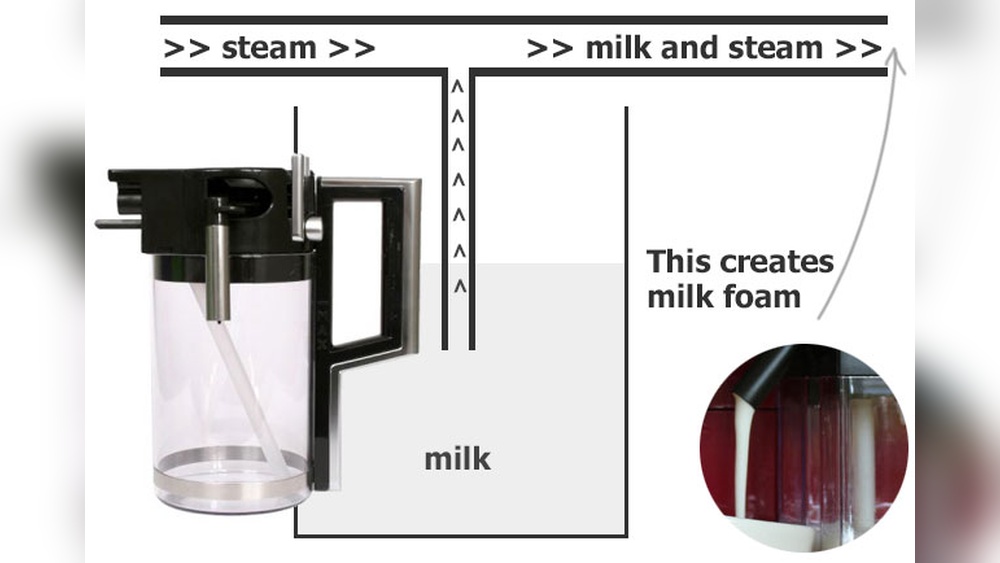
Have you ever wondered how your favorite coffee shop creates that rich, creamy foam on top of your latte? The secret lies in a simple yet clever gadget called a milk frother.
If you want to enjoy barista-quality drinks right at home, understanding how a milk frother works is the first step. This small device can transform your everyday cup of coffee into a luxurious treat. Keep reading, and you’ll discover exactly what happens inside a milk frother to make your drinks so smooth and delightful.
Exclusive Amazon Early Sales & Discounts!
Save big with limited-time price drops across top-rated kitchen essentials, tools, auto parts, and accessories on Amazon.
⚡ Shop Prime Big Deal DaysYour mornings (and taste buds) will thank you!
Types Of Milk Frothers
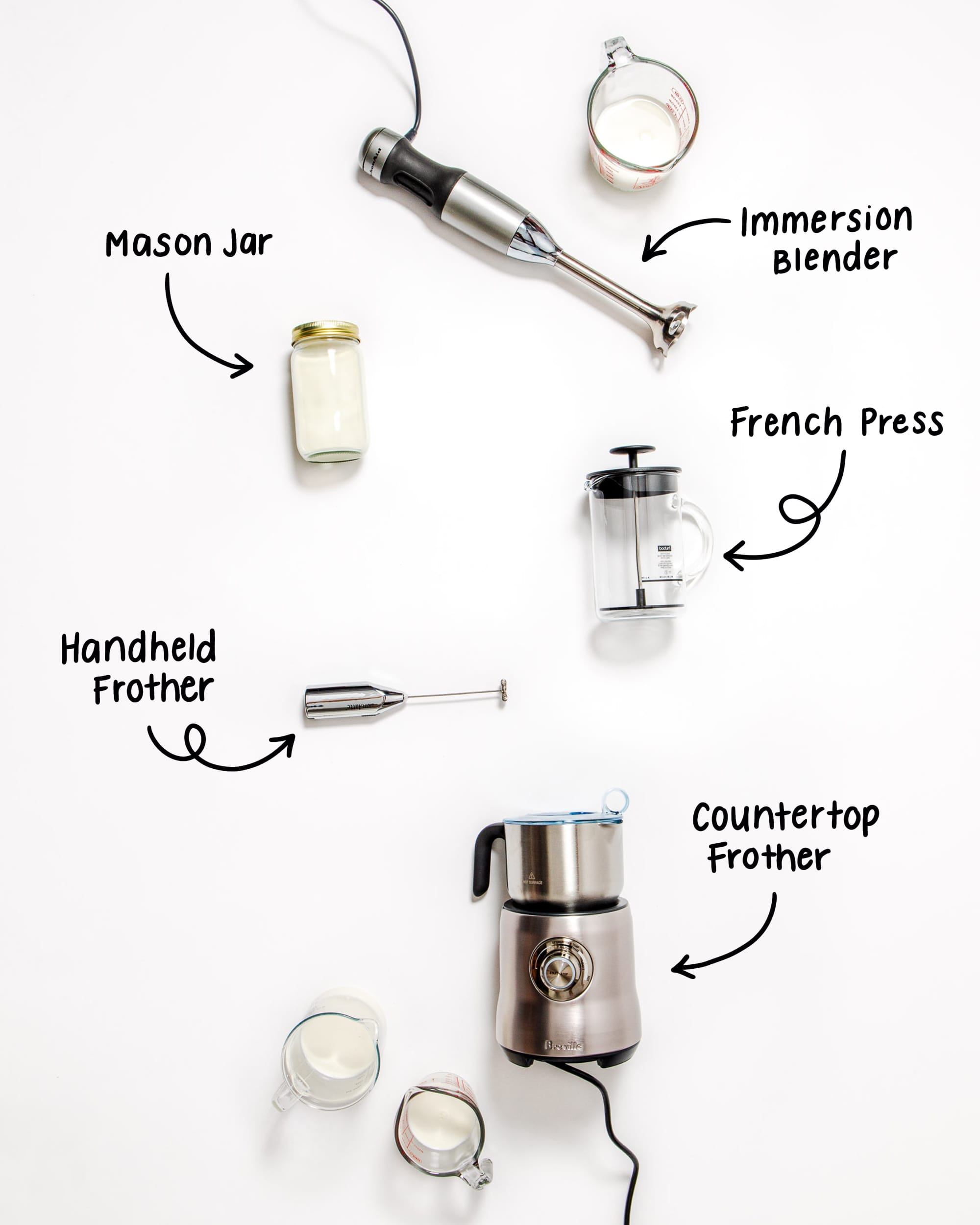
Milk frothers help make creamy foam for coffee and other drinks. Different types of frothers work in different ways. Each type has its own benefits and uses. Understanding these types helps you choose the right frother for your needs.
Manual Frothers
Manual frothers need no electricity. You pump a handle or press a plunger to create foam. They are small and easy to carry. Great for quick frothing at home or travel. Manual frothers give you control over foam thickness.
Electric Frothers
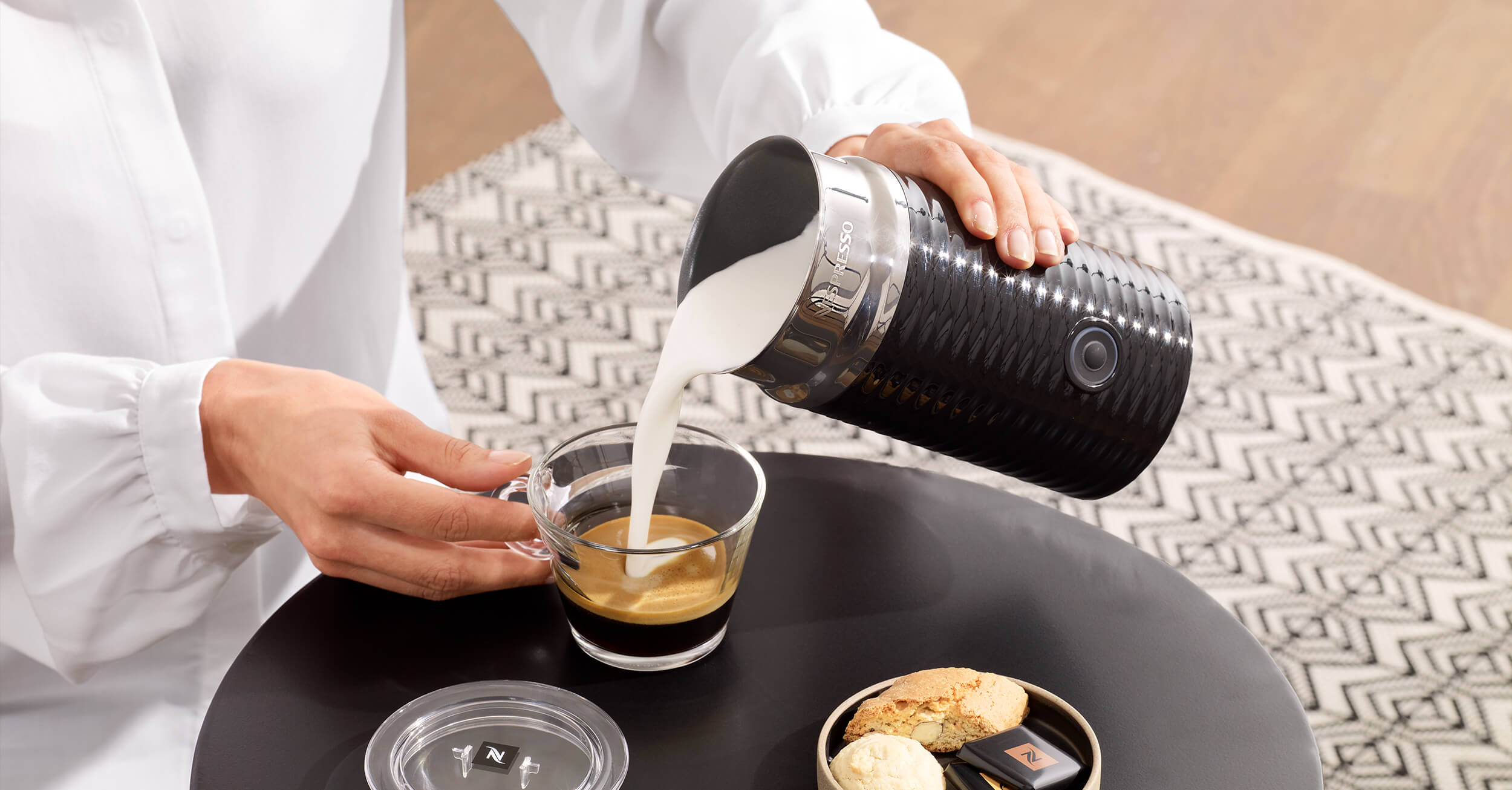
Electric frothers use a motor to spin a whisk inside the container. They heat and froth the milk automatically. This type is fast and very easy to use. Many models offer different settings for hot or cold foam. Electric frothers are perfect for everyday use.
Steam Wands
Steam wands are part of espresso machines. They use steam pressure to heat and froth milk. This method creates rich and smooth foam. Baristas use steam wands for professional coffee drinks. Requires some skill but offers great results.
Credit: www.nespresso.com
Key Components Inside A Frother
The key components inside a milk frother work together to create smooth, creamy foam. Each part plays an important role in the frothing process. Understanding these parts helps to see how the frother turns simple milk into frothy delight.
Whisk Mechanism
The whisk mechanism spins rapidly inside the frother. It stirs the milk, trapping air and creating foam. The whisk is usually made of metal or plastic. Its fast movement is essential for forming light, airy froth.
Heating Element
The heating element warms the milk to the right temperature. It ensures the milk does not burn or get too hot. This part helps produce a creamy texture and better flavor. The heating element works quietly and evenly.
Motor Function
The motor powers the whisk and heating element. It controls the speed of the whisk’s rotation. A good motor runs smoothly and without noise. It is the heart of the frother, making the process efficient and quick.
How Frothing Creates Foam
Milk frothing turns plain milk into a creamy foam. This foam adds texture and taste to coffee drinks. The process involves mixing air with milk and changing its structure. Understanding how frothing creates foam helps you appreciate the magic behind your favorite cup.
Air Incorporation Process
Frothing adds tiny air bubbles into the milk. The milk’s surface breaks, trapping air inside. These bubbles create the foam’s light, airy texture. The frother’s fast motion forces air into milk quickly. This makes many small bubbles instead of a few large ones.
Milk Protein Role
Milk proteins hold the air bubbles in place. Casein and whey proteins surround each bubble. They prevent bubbles from joining and popping. This keeps the foam stable and creamy. Without proteins, the foam would collapse fast.
Temperature Effects
Warm milk froths better than cold milk. Heat changes milk proteins, making them stretch and hold air. Ideal frothing temperature is around 140°F to 150°F. Too hot milk breaks proteins and reduces foam. Cold milk creates less foam and feels thinner.
Choosing The Right Milk For Frothing
Choosing the right milk is key to perfect froth. Different types of milk create different textures and flavors. The milk’s fat content and freshness affect the frothing process. Understanding these factors helps you enjoy creamy, smooth foam every time.
Whole Vs Skim Milk
Whole milk has more fat, making the foam creamier and richer. Skim milk has less fat, so the foam is lighter and airier. Whole milk creates a thick, velvety texture. Skim milk produces bigger bubbles and a drier foam. Choose whole milk for smooth, dense froth. Pick skim milk for a lighter, frothy top.
Non-dairy Alternatives
Non-dairy milks can froth well but vary by type. Almond milk often makes thin, less stable foam. Oat milk froths thick and creamy, close to dairy milk. Soy milk creates stable foam with medium creaminess. Coconut milk gives a rich but slightly sweet froth. Experiment with non-dairy options to find your favorite.
Milk Freshness Impact
Fresh milk froths better and tastes sweeter. Old milk can produce weak foam and off flavors. Always use cold, fresh milk for best results. Milk past its prime may not froth well. Check the expiration date before frothing to ensure quality.
Frothing Techniques For Best Results
Frothing milk correctly can change your coffee experience. It adds creaminess and texture to your drinks. Using the right techniques helps create smooth, velvety foam every time. Small details matter for best results. Follow these tips to improve your frothing skills.
Proper Milk Temperature
Milk should be warm but not too hot. Aim for 140°F to 150°F. Too cold milk won’t foam well. Too hot milk tastes burnt and loses sweetness. Use a thermometer or feel the jug’s side. Stop heating when it feels hot but comfortable to touch.
Frothing Time Tips
Froth milk for about 20 to 30 seconds. Shorter time means less foam and thinner texture. Longer frothing can create bubbles that are too big. Watch for smooth, creamy foam forming on top. Stop frothing once foam thickens and milk volume grows.
Cleaning And Maintenance
Clean your milk frother after each use. Warm water and soap remove milk residue. Wipe the steam wand or whisk carefully. Leftover milk can clog parts and cause bad smells. Regular cleaning keeps your frother working well and safe to use.

Credit: duronic.com
Credit: www.thekitchn.com
Frequently Asked Questions
How Does A Milk Frother Create Foam?
A milk frother uses air and heat to create tiny bubbles. It agitates milk, incorporating air to form smooth, creamy foam. This process enhances the texture and taste of coffee drinks like lattes and cappuccinos.
What Types Of Milk Work Best In Frothers?
Whole milk and 2% milk froth best due to their fat content. Non-dairy alternatives like almond and oat milk can also froth but may produce less stable foam. Skim milk creates lighter, airier foam.
Can A Milk Frother Heat Milk?
Yes, many frothers heat milk while frothing. They combine steam or electric heating with frothing to warm milk to ideal temperatures. This makes them convenient for preparing warm coffee beverages quickly.
Is A Manual Or Electric Milk Frother Better?
Electric frothers are faster and more consistent, ideal for daily use. Manual frothers require hand pumping but offer control and portability. The choice depends on convenience, budget, and personal preference.
Conclusion
A milk frother heats and whips milk to create foam. It uses air and motion to make milk light and creamy. This foam adds flavor and texture to coffee drinks. Small machines or handheld tools do the job well. Knowing how it works helps you choose the right frother.
Enjoy better coffee at home with simple steps. Frothing milk is easy once you understand the process. Give it a try and taste the difference.
Disclosure: As an Amazon Associate, I may earn from qualifying purchases at no extra cost to you. Amazon and the Amazon logo are trademarks of Amazon.com, Inc, or its affiliates.
