
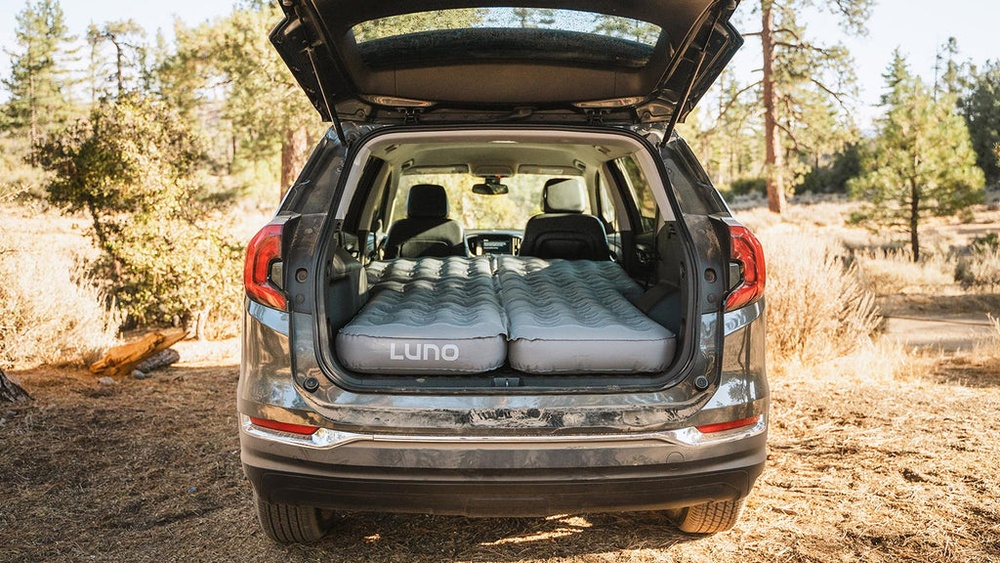
Suv camping is becoming more popular every year. If you are new to this adventure, you might feel excited but also a little confused. How do you set up your SUV for camping? What do you need to bring? Can you sleep comfortably inside your vehicle?
These are common questions for beginners. The good news is, you do not need a big budget or lots of experience to start. With the right setup, your SUV can be a cozy, safe, and practical home on wheels.
This guide will show you the best beginner-friendly ideas for SUV camping. You will learn how to prepare your vehicle, choose the right gear, and avoid common mistakes. You will also discover tips that most beginners miss—so you can enjoy your first SUV camping trip with confidence.
Why Choose Suv Camping?
SUV camping offers a special mix of comfort and flexibility. Unlike tent camping, you are protected from wind, rain, and bugs. You can park almost anywhere—national parks, forests, or even city rest stops. Modern SUVs are built with enough space for sleeping and storing gear, but are still easy to drive and park.
Another advantage is safety. Being inside your vehicle gives you peace of mind, especially if you are camping alone. You can lock your doors and keep your gear secure. You are also more mobile—you can leave quickly if the weather changes or you do not like your spot.
Planning Your First Suv Camping Setup
Before your trip, you need to do some basic planning. Here are the main things to think about:
- Where to Sleep: Inside the SUV or outside with a tent?
- What to Pack: Sleeping gear, food, water, clothes, and more.
- How to Organize: Making the most of limited space.
- Safety and Hygiene: Staying healthy and safe on the road.
Let’s look at each part in detail.
Creating A Comfortable Sleeping Space
Most beginners worry about how to sleep well in their SUV. You have two main options: sleep inside your vehicle or use a tent next to it. Sleeping inside gives you more security and weather protection. Here’s how to set up a good sleeping area:
Choosing Your Sleeping Platform
First, check if your back seats can fold down flat. Most SUVs allow this. If the surface is uneven, you can use foam pads or a simple folding platform made from wood. Some campers buy ready-made platforms, but for beginners, a DIY solution with foam mats is enough.
Pro tip: Place your heaviest gear (like water or food bins) under the sleeping platform. This keeps your sleeping space flat and opens more room.
Sleeping Pad And Bedding
Comfort is important. Air mattresses are common, but many beginners find them cold or noisy. Instead, a memory foam mattress topper (2-3 inches thick) is a great choice. Pair it with a sleeping bag rated for the night temperatures you expect. If you want more comfort, add a soft blanket and pillow from home.
Window Covers And Ventilation
Privacy and airflow matter. Use reflective sunshades or cut black-out material to fit your windows. This blocks light and helps keep your SUV cool. Always crack a window slightly for fresh air. You can cover the opening with mesh or a cheap bug screen to keep insects out.
Example: Simple Sleeping Setup
For a weekend trip in spring, fold your back seats flat, lay down a 2-inch foam mattress, and cover your windows with cut-to-fit sunshades. Add a three-season sleeping bag, a small pillow, and a battery-powered fan for airflow.
Essential Gear For Suv Camping
Packing the right gear makes your trip safer and more fun. Here are the basics for beginners:
- Sleeping gear: Foam pad, sleeping bag, pillow, window covers, bug screens.
- Cooking gear: Portable stove, fuel, lighter, pots, utensils, sponge, and soap.
- Water: At least 2-3 liters per person per day. Use refillable bottles or a water jug.
- Food: Easy-to-cook meals, snacks, and a cooler for perishables.
- Lighting: Headlamp, lantern, or battery lights.
- Clothes: Layers for day and night, plus rain gear.
- First aid kit: Basic supplies for cuts, burns, and insect bites.
- Toiletries: Toothbrush, toothpaste, wipes, hand sanitizer, small towel.
- Trash bags: Leave no trace—pack out all your waste.
Non-obvious tip: Bring a portable battery bank for charging your phone or lights. Many beginners forget this and run out of power quickly.
Organizing Your Suv For Maximum Space
A messy SUV makes camping harder. Good organization saves time and stress. Here are key ideas:
Use Storage Bins
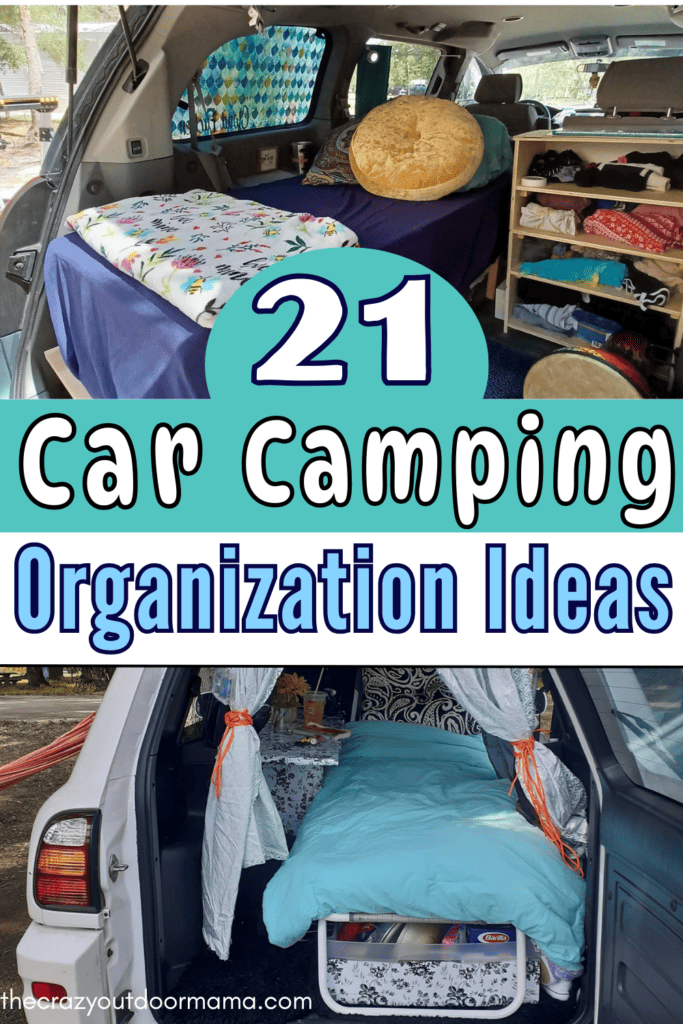
Plastic bins keep your gear sorted and easy to find. Use one for kitchen supplies, one for clothes, and one for tools or emergency items. Stack them under your sleeping platform or behind the front seats.
Pack By Use
Keep “night” items (sleeping bag, pajamas, book) within reach from your bed. Store “day” items (stove, water, hiking gear) near the tailgate for easy access.
Install Hooks And Pockets
Hang small items (keys, flashlight, hat) from hooks or use seat-back organizers. This keeps important things off the floor and easy to grab.
Example: Simple Packing Layout
- Under bed: Food bin, water jug, shoes.
- Side pockets: First aid kit, bug spray.
- Back area: Stove, cooler, camp chair.
Simple Cooking Setup For Beginners
Cooking while camping does not have to be hard. A small stove and basic tools are enough. Here’s how to set up your SUV kitchen:
Choosing A Stove
Most beginners use a single-burner propane stove. It’s small, safe, and easy to use. If you want to cook inside your SUV (only when weather is bad), open windows for ventilation and never leave the stove unattended.
Food Storage
A small cooler keeps food fresh for 1-2 days. For longer trips, choose foods that do not spoil fast, like canned beans, pasta, or rice. Store snacks (nuts, bars, fruit) in a dry bin.
Cleaning Up
Bring a small basin or collapsible sink, a sponge, and eco-friendly soap. Wash dishes away from lakes or rivers. Always dump dirty water in a safe place.
Example: Quick Camp Breakfast
Heat water on your stove for instant oatmeal and coffee. Wash your spoon and mug, wipe the stove, and you’re ready to start your day.
Staying Safe And Healthy
Safety is a top concern for new campers. Here are important tips:
- Lock your doors when sleeping.
- Park in safe, legal areas—avoid private land unless you have permission.
- Keep a first aid kit and know how to use it.
- Carry a small fire extinguisher and a flashlight.
- Tell someone your plans and expected return time.
For hygiene, bring wet wipes and hand sanitizer for quick cleaning. For longer trips, a portable camping toilet or a “wag bag” is useful. Never leave trash or waste behind—protect nature for everyone.
Choosing The Best Campsite
Finding a good place to park is key for a great night. Beginners often worry about rules and safety. Here’s what to look for:
- Official campgrounds: Offer toilets, water, and fire pits. Some charge a fee.
- Free dispersed camping: Many national forests and BLM lands in the US allow free camping. No services, but more privacy.
- Rest stops or travel centers: Good for one night. Always check local rules.
- Urban stealth camping: In cities, park in 24-hour store lots (with permission) or quiet side streets. Keep a low profile and leave early.
Non-obvious insight: In hot weather, park so your windows face away from the sun in the afternoon. This keeps your vehicle cooler at night.
Credit: www.thecrazyoutdoormama.com
Comparing Suv Camping Setups
Different SUVs have different space and features. Here is a comparison of three common SUV sizes for camping:
| Type | Sleeping Comfort | Storage Space | Fuel Use |
|---|---|---|---|
| Compact SUV | Limited (best for 1 adult) | Small | High (better MPG) |
| Mid-size SUV | Good (1-2 adults) | Moderate | Medium |
| Full-size SUV | Very good (2 adults + gear) | Large | Low (uses more fuel) |
Choose the type that fits your needs and budget. Full-size SUVs offer more comfort, but compact models are easier to drive and cheaper on gas.
Weather And Season Considerations
The time of year changes your camping setup. Here’s how seasons affect your plan:
| Season | Main Challenge | Key Gear Needed |
|---|---|---|
| Spring | Rain, cold nights | Waterproof layers, warm sleeping bag |
| Summer | Heat, bugs | Bug screens, fan, light bedding |
| Fall | Cool nights, early dark | Extra lights, insulated pad |
| Winter | Cold, icy roads | Four-season bag, snow chains, heater |
Pro tip: For winter trips, never use propane heaters inside your SUV unless they are 100% safe for indoor use, and always crack a window.

Credit: lunolife.com
Budgeting For Your First Suv Camping Trip
Many beginners think SUV camping is expensive, but you can start with a small budget. Here is a sample budget breakdown:
| Item | Estimated Cost (USD) |
|---|---|
| Foam sleeping pad | $40 |
| Sleeping bag | $50 |
| Single-burner stove | $25 |
| Cooler | $20 |
| Bin and organizers | $15 |
| Window covers | $10 |
| Headlamp | $15 |
| Water jug | $10 |
Total: Around $185. Most items can be found second-hand or borrowed from friends. Over time, you can upgrade as you learn what you like.
Common Mistakes Beginners Make
Even simple mistakes can ruin your trip. Here are the most common problems and how to avoid them:
- Overpacking: Too much gear makes it hard to find things. Stick to basics for your first trip.
- Poor ventilation: Not cracking a window leads to condensation and stuffy air.
- Ignoring weather: Always check the forecast and prepare for cold or rain.
- Parking in the wrong place: Avoid private property or unsafe areas.
- Not testing gear: Try sleeping in your SUV at home before your trip.
Non-obvious insight: Always practice setting up your sleeping platform and cooking a meal before your first night away. This helps you spot problems early.

Credit: www.youtube.com
Upgrading Your Setup Over Time
As you gain experience, you might want to add some extras:
- Small rooftop cargo box for more storage.
- Portable solar panel for charging devices.
- Better mattress or custom sleeping platform.
- Awning for shade and outdoor cooking.
But start simple. The best way to learn is to try, adjust, and enjoy each trip.
Final Thoughts
SUV camping is a fun, low-cost way to explore the outdoors. You do not need special skills or expensive gear to start. Focus on a comfortable sleeping space, simple cooking setup, good organization, and safety. Each trip will teach you something new.
With practice, you will discover your own favorite style and spots. Remember, the main goal is to enjoy the journey and the freedom that comes with your own mobile camp.
If you want more inspiration and advanced tips, check out the REI Car Camping Guide.
Frequently Asked Questions
How Do I Stay Warm While Sleeping In My Suv?
Use a sleeping bag rated for the lowest expected temperature. Add a foam mattress for insulation from the cold floor. Wear warm layers and use a beanie or hat at night. Never use a gas heater inside your vehicle unless it is made for indoor use and you have proper ventilation.
Can I Sleep In My Suv Anywhere?
Not always. Some places have rules against overnight parking. Campgrounds, national forests, and Bureau of Land Management lands usually allow it, but always check local laws. In cities, park in areas where overnight parking is permitted, and avoid private property without permission.
What Is The Best Suv For Camping?
The best SUV is one with flat-folding seats and enough space for you to lie down. Mid-size and full-size SUVs give more comfort, but even compact models work for solo campers. Reliability and fuel efficiency are also important.
How Do I Keep My Suv Cool In Summer?
Park in the shade when possible. Use reflective sunshades and bug screens so you can crack the windows for airflow. A small battery-powered fan helps, too. Open windows just enough for air but not big enough for bugs to enter.
Is Suv Camping Safe For Solo Travelers?
Yes, if you follow basic safety rules. Lock your doors, tell someone your plans, and camp in safe, legal areas. Trust your instincts—if a place feels unsafe, move to a new spot. Most campers are friendly and helpful, but it is smart to stay aware.
SUV camping is a great way to travel, explore, and enjoy the outdoors. Start simple, learn as you go, and have fun creating your own adventure!
Disclosure: As an Amazon Associate, I may earn from qualifying purchases at no extra cost to you. Amazon and the Amazon logo are trademarks of Amazon.com, Inc, or its affiliates.
