
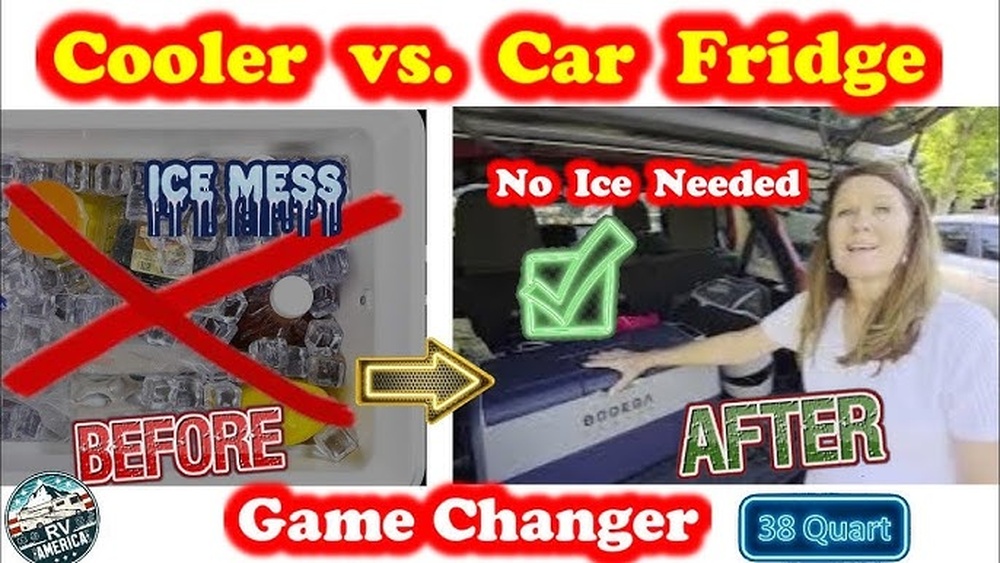
Camping trips promise adventure, fresh air, and unforgettable memories. But nothing spoils the fun faster than spoiled food or warm drinks. That’s why having a reliable way to keep food and beverages cool is essential for campers. Two common options stand out: the car fridge and the cooler. Both serve the same basic purpose but differ in technology, price, convenience, and performance. If you’re planning your next outdoor escape, understanding the differences between these two can help you make the best choice for your needs.
This article looks at the car fridge vs cooler camping comparison in detail. We’ll break down how each works, the pros and cons, and key buying factors. You’ll see real-life examples, hear about common mistakes, and get practical tips to help you decide. Whether you’re a weekend camper or a road trip veteran, you’ll find everything you need to choose wisely.
How Car Fridges Work
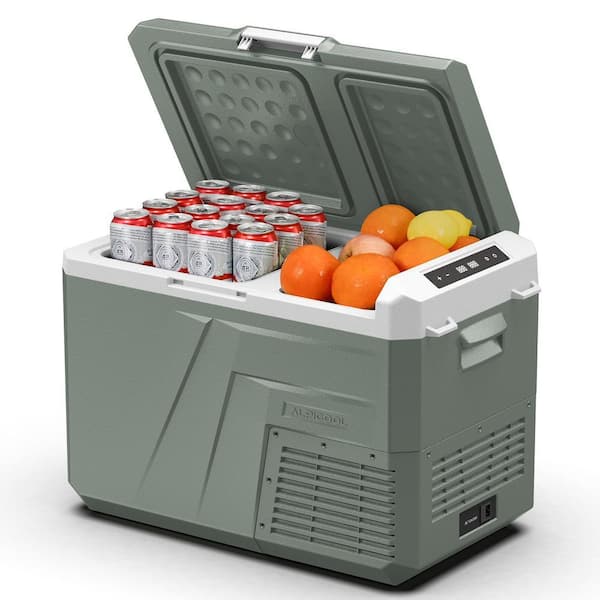
A car fridge—sometimes called a portable fridge or 12V fridge—is a compact refrigerator that runs on your vehicle’s battery. Most use one of two cooling technologies: compressor-based or thermoelectric.
Compressor fridges use a small compressor (like a home fridge) and refrigerant gas to cool the inside. They’re powerful, can keep food below freezing, and work well even in hot weather. Thermoelectric fridges use electricity to move heat from inside the unit to the outside.
They’re lighter and quieter but usually can’t cool below about 20°C (36°F) below ambient temperature. For example, if it’s 35°C (95°F) outside, the fridge might only reach 15°C (59°F).
Car fridges usually have temperature controls, digital displays, and sometimes dual zones for cooling and freezing. They connect to your car’s 12V DC outlet (the cigarette lighter port) or, in some cases, a portable battery or solar panel.
How Coolers Work
A cooler (or ice chest) is a simple insulated box, usually made from plastic with foam insulation. You fill it with ice or ice packs, and it keeps food and drinks cold by preventing outside heat from getting in. There’s no electricity required—just ice.
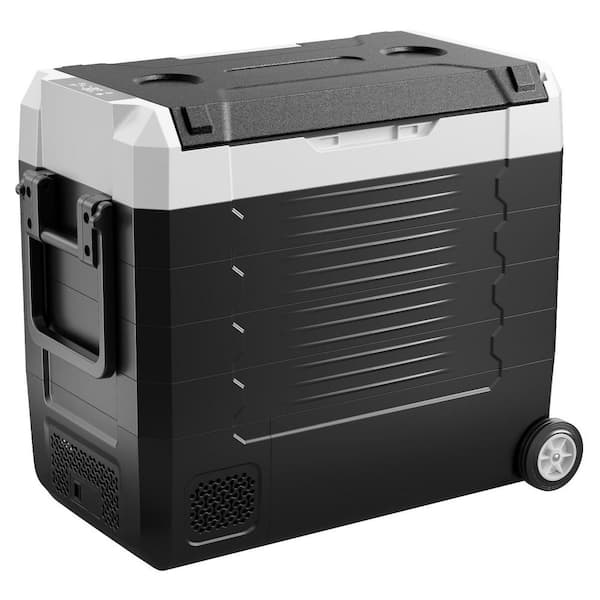
Coolers come in many sizes, from small lunch-box types to large chests that hold enough food for a family. Some have advanced insulation, wheels, or even built-in cup holders. High-end models, like those from YETI or Coleman, can keep ice for several days if packed correctly.
Coolers are easy to use—just add ice, load your items, and close the lid. However, the temperature inside will rise as the ice melts, so they’re best for shorter trips or when you can restock ice.
Credit: www.homedepot.com
Key Factors: Car Fridge Vs Cooler
Choosing between a car fridge and a cooler depends on many factors. Let’s compare the most important ones.
| Feature | Car Fridge | Cooler |
|---|---|---|
| Cooling Method | Electric (compressor/thermoelectric) | Ice or ice packs |
| Power Source | 12V car outlet, battery, or solar | None |
| Temperature Control | Yes, adjustable | No |
| Maximum Cold | Below freezing (compressor models) | Limited by ice melting |
| Weight (empty) | 10–20 kg (22–44 lbs) | 3–10 kg (7–22 lbs) |
| Typical Price | $200–$1000+ | $20–$400 |
| Maintenance | Wipe clean, check connections | Drain water, clean interior |
Cooling Performance
Car fridges win on cooling power. Compressor models can keep food at safe temperatures for days, even if it’s hot outside. Many can freeze water or ice cream. Thermoelectric models are less powerful but still more reliable than ice in extreme heat.
Coolers rely on ice. If you pack them full and keep them closed, they can keep food cold for 2–7 days, depending on the model, amount of ice, and outside temperature. But once the ice melts, food can warm up quickly.
Non-obvious insight: Many beginners forget that opening a cooler often lets out cold air and speeds up ice melting. A car fridge, on the other hand, can quickly recover lost cold.
Power And Convenience
A car fridge needs a steady power source. If you leave it running in your car overnight without the engine, it can drain the battery and leave you stranded. That’s why many campers use a dual battery setup or a portable power station.
A cooler is simple—no power needed. It works anywhere, anytime, even if your car battery is dead. However, you need access to ice, which can be hard to find in remote areas.
Practical tip: For long trips, some campers use both—a fridge for essentials and a cooler for drinks.
Price And Value
Car fridges are much more expensive. Even small models start around $200, and large, high-end ones can cost over $1,000. You’re paying for technology and reliability.
Coolers are affordable. Basic models cost as little as $20, and even the best premium coolers rarely go above $400. For budget campers, this is a big advantage.
But remember, car fridges can last many years and may save money on ice over time.
Non-obvious insight: Some campers overlook the cost of ice. Over a whole summer, buying bags of ice for a cooler can add up to $50–$100 or more.
Weight And Portability
Car fridges are heavy, even before you add food. Large models can weigh up to 20 kg (44 lbs). Add food and drinks, and it’s a two-person lift.
Coolers are lighter, especially when empty. But a large cooler full of ice and drinks can still be heavy.
For solo campers or those with limited strength, a smaller cooler may be easier to manage.
Capacity
Both come in various sizes, from 15 liters to over 100 liters. The actual usable space in a cooler is less because ice takes up room. In a car fridge, all the space is for your food and drinks.
Example: A 40L car fridge can hold about the same amount of food as a 60L cooler, once you account for ice.
Durability
Premium coolers are nearly indestructible. Many are bear-resistant, can survive being dropped, and have simple parts that rarely break.
Car fridges are durable but have electrical components that can fail. Compressor fridges often last for 10+ years with care. But drops or water exposure can cause damage.
Noise
Compressor fridges make a soft humming sound when running, similar to a mini-fridge at home. Thermoelectric models are even quieter. For most campers, noise is not a big problem.
Coolers are silent.
Food Safety
Car fridges keep food at a constant, safe temperature. This is especially important for raw meat, dairy, or medicine.
Coolers can keep food safe as long as there’s enough ice. But as the ice melts, the temperature rises, increasing the risk of spoilage or foodborne illness.
Practical tip: Always use a thermometer inside your cooler to make sure food stays below 5°C (41°F).
When To Choose A Car Fridge
A car fridge is best for:
- Long camping trips (3+ days) with no access to ice
- Hot climates where ice melts fast
- Storing perishable foods, raw meat, dairy, or medicine
- Campers who want freezer capability
- Overlanding, RVing, or road tripping for weeks
For example, if you’re driving across the Australian Outback, a car fridge is almost essential. You can’t rely on finding ice, and the high temperatures make coolers less effective.
Experience-based tip: Set your car fridge to just above freezing (about 2°C/35°F) for best energy efficiency and food safety.

Credit: www.ankersolix.com
When To Choose A Cooler
A cooler is ideal for:
- Short trips (1–3 days) where you can restock ice
- Group picnics, tailgating, or beach days
- Campers on a budget
- Areas with easy access to ice
- Those who want a lightweight, simple solution
For example, a family camping weekend with easy ice access is perfect for a high-quality cooler. You avoid the hassle of extra batteries or worrying about your car’s electrical system.
Common Mistakes To Avoid
- Letting the car fridge run off the main battery overnight – This can kill your battery. Use a dual battery system or portable power.
- Under-packing a cooler – Empty space speeds up ice melt. Fill all gaps with extra ice or towels.
- Opening the cooler too often – Every time you open it, cold air escapes. Plan what you need before opening.
- Not pre-chilling your fridge or cooler – Start with everything cold for best results.
- Ignoring maintenance – Clean both fridges and coolers after every trip to prevent odors and bacteria.
Credit: www.homedepot.com
Real-life Examples
Sarah, a solo hiker, uses a 25L cooler for weekend trips. She pre-cools everything at home and packs tightly. She says she gets about two days of cold drinks, but ice is gone by the third day. For her, the price and simplicity win.
Mike, who travels with his family in an SUV, invested in a 50L compressor car fridge. They camp for a week at a time and often go off-grid. He connects the fridge to a portable power station and never worries about spoiled meat or warm milk.
He says the upfront cost was high, but it changed the way they camp.
Advanced Tips For Maximum Cooling
- Pre-chill food and drinks at home before packing.
- Freeze water bottles to use as ice and for drinking later.
- Use reflective covers on your fridge or cooler to reduce heat from the sun.
- Keep the unit in the shade whenever possible.
- Organize food by how soon you’ll use it, placing items for day one on top.
| Tip | Applies to | Benefit |
|---|---|---|
| Pre-chill items | Both | Longer cooling time |
| Freeze water bottles | Cooler | Less soggy food |
| Use a thermometer | Both | Food safety |
Environmental Impact
Car fridges use electricity, which can come from your car’s fuel or a solar panel. The energy use is modest—most compressor fridges draw 30–60 watts. Over a week, this adds up, but solar panels can cover the need in sunny climates.
Coolers have no direct energy use, but making and transporting ice does consume energy and water. High-end coolers last for decades, reducing waste.
Non-obvious insight: If you camp often and use renewable power, a car fridge can be the greener choice in the long run.
Which One Is Right For You?
If you camp just a few weekends a year, mostly near towns or campsites with ice for sale, a cooler is a smart, affordable pick. If you love long, remote adventures, travel in very hot climates, or need reliable cold storage for days, a car fridge is worth the investment.
Take time to think about your camping style, group size, trip length, and budget. And remember, the best solution might be using both—a fridge for essentials and a cooler for drinks and snacks.
For more technical details and recommendations on portable fridges, visit Wikipedia.
Frequently Asked Questions
How Long Will A Car Fridge Run On My Vehicle’s Battery?
Most car fridges draw 30–60 watts per hour. A standard car battery (60Ah) can power a fridge for about 24–48 hours before the battery is drained. However, it’s risky to run a fridge overnight without a second battery or power station, as you may not have enough power left to start your car in the morning.
How Long Does Ice Last In A Cooler?
With a high-quality, well-packed cooler, ice can last 3–7 days, depending on the outside temperature, how often you open it, and how full it is. Cheaper coolers may only keep ice for 1–2 days. Pre-chilling the cooler and using large ice blocks helps extend the cooling time.
Can I Use A Car Fridge And Cooler Together?
Yes, many campers do this. Use the fridge for items that must stay very cold (meat, dairy, medicine) and the cooler for drinks or snacks. This way, you open the fridge less often, saving energy and keeping essentials safer.
Is A Car Fridge Noisy At Night?
Most compressor fridges are quiet, producing a gentle hum when running. Thermoelectric models are even quieter. Unless you’re a very light sleeper and camp right next to the fridge, noise is rarely a problem.
What Size Car Fridge Or Cooler Do I Need For A Family Of Four?
For a weekend trip, a 40–50L car fridge or a 60–80L cooler usually works well for a family of four. If you camp for a week or more, consider a 60L+ fridge or a 100L cooler, especially if you need to store all food and drinks.
Camping is all about enjoying the outdoors, and choosing the right cooling solution means you’ll spend less time worrying and more time making memories. Whether you pick a car fridge, a cooler, or both, informed choices lead to better adventures.
Disclosure: As an Amazon Associate, I may earn from qualifying purchases at no extra cost to you. Amazon and the Amazon logo are trademarks of Amazon.com, Inc, or its affiliates.
