
When it comes to choosing between a Bluetooth OBD2 scanner and a wired one, many wonder which is better. Both options help you read your car’s data and spot problems early. The main difference lies in how they connect to your device. Bluetooth scanners offer wireless convenience, letting you move freely while checking your car’s health. Wired scanners, on the other hand, provide a direct, stable connection without worrying about battery life or signal issues. The right choice depends on your needs and how you plan to use the scanner. Let’s break down the key points to help you decide which fits your style best.
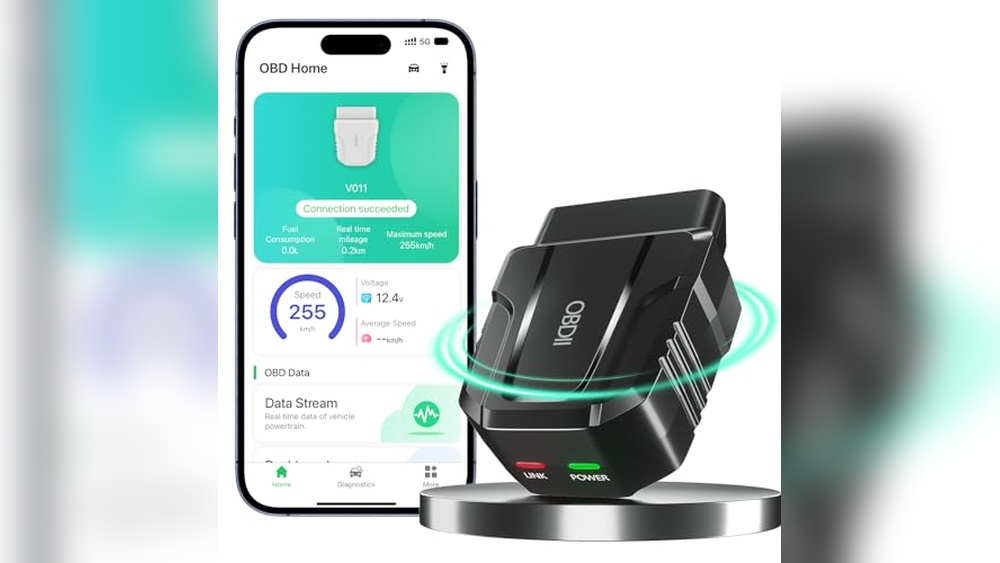
Umeija Wireless Obd2 Car Scanner
For car owners debating Bluetooth Obd2 Scanner Vs Wired Which is Better, this wireless scanner suits those wanting easy diagnostics without cables.

Real-World Benefits and Considerations
- Easy wireless connection with Bluetooth 5.4 reduces setup hassle.
- Compatible with most cars since 1996, covering many brands globally.
- Clear, visual charts make understanding live data straightforward.
- App guidance helps even beginners interpret error codes and fixes.
- Requires car ignition on and specific app for Apple devices.
- Clearing fault codes depends on actual repairs; the device can’t override.
What to Expect in Daily Use
- Instant data streaming without physical cables keeps your workspace tidy.
- Using the dedicated app feels intuitive and informative.
- Offers peace of mind through early detection of potential issues.
- Some users may find app setup needs attention, especially on Apple phones.
Thoughts for Potential Buyers
This scanner fits well for those who want a neat, wireless diagnostic tool that works with many cars. Its Bluetooth 5.4 connectivity and user-friendly app make it a practical choice for everyday car monitoring without tangled wires. However, if you prefer a plug-and-play device with no app dependency or have limited smartphone use, this might feel less straightforward.
One trade-off is that it can’t clear fault codes unless the underlying issue is fixed, which is a sensible safety feature but may frustrate users expecting instant resets. Still, this ensures responsible vehicle care.
Guidance for Your Choice
If you appreciate convenience and want to monitor your car’s health regularly, this wireless OBD2 scanner is a solid pick. It’s especially suitable for those comfortable with smartphone apps and looking to avoid cable clutter. On the other hand, drivers who want a device with minimal setup or no reliance on apps might want to consider alternatives.
Before buying, make sure your phone meets the app requirements and your car is compatible. Remember, this tool supports you in understanding your car better but doesn’t replace professional repairs. It offers reliable data and ease, helping you stay informed without complication.
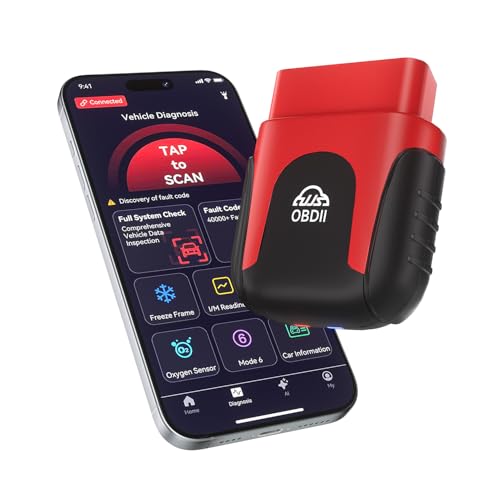
Ujs Bluetooth Wireless Obd2 Scanner
For car owners debating Bluetooth OBD2 Scanner vs Wired which is better, this scanner suits those wanting a wireless, hassle-free diagnostic tool.
Everyday Wireless Diagnostics
This device is a Bluetooth OBD2 scanner that plugs directly into your car’s diagnostic port. It removes the clutter of wires and lets you check engine codes and vehicle health through your phone. The AI-powered health reports stand out, translating complex data into simple advice without needing mechanical expertise.
In daily use, it feels light and unobtrusive, fitting snugly in the port without interfering with driving. Connecting via Bluetooth is straightforward, and the real-time data visualization helps catch issues early. Using it saved me time compared to traditional wired models that require plugging and unplugging each use.
Pros of Going Wireless
- Minimal setup with no cables to manage.
- Continuous monitoring with the scanner left in place.
- Clear, AI-generated health reports simplify troubleshooting.
- Works with both iPhone and Android devices.
Considerations Before Choosing
- Bluetooth range might limit use inside the car only.
- Relies on smartphone battery and app for full functionality.
- Wireless connection may occasionally lag compared to wired scanners.
Finding the Right Fit
This scanner suits drivers who prefer a neat, wireless solution that provides ongoing vehicle insights without fuss. It’s ideal if you want to avoid cables and appreciate AI assistance in interpreting codes.
However, if you frequently need to connect in noisy Bluetooth environments or require the fastest possible data transfer, a wired scanner might be better. Also, those without a compatible smartphone might find this less practical.
- Perfect for everyday car owners wanting quick diagnostics.
- Great for users who value minimal setup and clean design.
- Best if you use your phone regularly for car maintenance checks.
Thoughts for Your Decision
For those weighing Bluetooth OBD2 Scanner vs Wired which is better, this UJS model leans toward convenience and ease. It works well if you want a low-profile device that stays plugged in and delivers simple reports.
It’s less suited for mechanics or users needing ultra-fast, wired connections. Before buying, ensure your phone supports the app and Bluetooth version for smooth operation.
One practical tip: keep your app updated to benefit from lifetime improvements and expanded code libraries. Overall, it’s a reliable companion for anyone wanting to understand their car’s health without extra hassle.
Rdxcv Bluetooth Obd2 Scanner
For drivers wondering Bluetooth Obd2 Scanner Vs Wired Which is Better, this wireless scanner suits those seeking easy, cable-free diagnostics for their car.

Practical Insights for Daily Vehicle Checks
- Quickly identifies engine faults and clears codes without connecting wires.
- Compact size fits discreetly in vehicle compartments for easy access.
- Bluetooth connection pairs smoothly with phones and PCs for flexible use.
- Durable ABS build stands up to heat and routine car environment wear.
- Supports a wide range of vehicles with OBD-II ports for broad compatibility.
Considerations Before Choosing Wireless
- Requires smartphone or PC with Bluetooth capability to operate.
- May depend on app quality and compatibility for full feature access.
- Bluetooth range limits use to close proximity near the vehicle.
Thoughts on Choosing Wireless Over Wired
This Bluetooth OBD2 scanner offers a neat alternative to traditional wired tools by cutting down cable clutter and setup time. Its plug-and-play design means you can start diagnostics quickly without fiddling with wires. However, it does rely on your device’s Bluetooth and app support, so that’s worth considering if you prefer a standalone gadget.
Its compact, sturdy build makes it feel reliable during use, and I found pairing it straightforward. For those comfortable using apps on their phones or computers, this device adds convenience without sacrificing core diagnostic functions.
Finding the Right Fit for Your Diagnostic Needs
This scanner suits car owners who value portability and wireless ease, especially when performing regular engine checks or clearing fault codes. It’s best for those who have compatible smartphones or PCs and want to avoid the hassle of wires.
On the other hand, if you often work in areas with limited Bluetooth range or prefer a device that functions independently of other gadgets, a wired scanner might be more dependable.
- Ideal for quick, on-the-go diagnostics without equipment tangles.
- Good for users comfortable with app-based interfaces.
- Less suited for mechanics needing standalone or extended-range tools.
Autophix Wireless Obd2 Scanner
For car owners wondering about Bluetooth Obd2 Scanner Vs Wired Which is Better, this AUTOPHIX wireless scanner suits those seeking easy DIY diagnostics without cables.

This is a Bluetooth-enabled OBD2 scanner designed for vehicle owners who want to diagnose car issues themselves. It helps identify engine problems and clear check engine lights without needing professional tools. One feature worth noting is the built-in DTC Lookup that connects directly to Google, making error codes easier to understand and fix.
Using it feels straightforward and convenient. Just plug it in, pair it with your phone, and you get instant access to live data and trouble codes. This wireless setup saves time and reduces hassle compared to wired options. I found the live data view especially useful for getting a clearer picture of my car’s health.
Real-World Use Insights
- Wireless connection simplifies setup and frees you from cables.
- Easy to clear check engine lights after repairs.
- Works with most cars from 1996 and later worldwide.
- Live engine data helps monitor performance beyond basic codes.
- Does not clear ABS, SRS, or transmission codes—limited to engine diagnostics.
- Requires a smartphone app to access all features.
Choosing This Scanner: Who It Suits and Who Should Look Elsewhere
This scanner fits car owners comfortable using smartphone apps and wanting a hassle-free wireless diagnostic tool. It’s good for those who want clear explanations of error codes and quick resets of check engine lights. If you prefer a simple, cable-free experience that covers basic to advanced engine data, this will meet your needs.
However, drivers needing to diagnose ABS or transmission faults might find this scanner lacking. Also, if you want a device that works standalone without a phone, this may not be ideal. Wired scanners or professional-grade tools might be better for those specific needs.
Balanced Takeaway for Potential Buyers
If you want a compact, wireless OBD2 scanner for routine car checks and prefer a straightforward interface via your phone, this AUTOPHIX model is a solid choice. It avoids the clutter of wires and provides helpful live data to track your vehicle’s condition.
On the flip side, avoid it if you require broader diagnostic coverage or dislike relying on a mobile device. A practical tip is to check your car’s compatibility before purchase to ensure smooth setup. Overall, it offers reliable basic diagnostics and peace of mind for everyday drivers without complicating the process.
Veepeak Wireless Bluetooth Obd2 Scanner
For those weighing Bluetooth Obd2 Scanner Vs Wired Which is Better, this device suits car owners wanting a wireless, easy-to-use diagnostic tool.

Practical Features and Considerations
| Connectivity | Bluetooth LE, no pairing needed on iOS |
| Compatibility | Most 1996+ cars and light trucks, some EVs |
| App Requirement | Needs a third-party app like Car Scanner |
| Ease of Use | Plug in and connect within the app, no Bluetooth menu pairing |
The Veepeak Wireless Bluetooth OBD2 Scanner is a compact tool that reads and clears engine trouble codes wirelessly. It solves the common problem of having to connect physically to the car’s diagnostic port with wires. The Bluetooth LE connection on iOS devices is especially convenient, removing the need for manual pairing.
Using this scanner feels straightforward and quick. I appreciated how simply it connects through the app, making diagnostics less of a hassle. It saves time and adds confidence when checking engine health without fiddling with cables or complicated setups.
Deciding Who This Fits Best
This scanner is ideal for drivers who want a wireless option and are comfortable using smartphone apps for car diagnostics. It’s especially fitting for those with compatible vehicles and who prefer quick, cable-free connectivity.
However, if you prefer a plug-and-play device without extra apps or have a vehicle not supported by Bluetooth LE, this might feel limiting. Wired scanners might be better for those who want guaranteed compatibility and no reliance on phone apps.
- Supports many cars from 1996 onwards
- Works best with recommended apps like Car Scanner
- Bluetooth LE avoids pairing hassle on iOS
Thoughts for Consideration
This scanner provides a clean and wireless approach to OBD2 diagnostics. The trade-off is the need for compatible apps and the occasional extra purchase for advanced features. It’s a practical pick for tech-savvy users who value convenience and mobile integration.
When to Choose This Device
If you want to avoid tangled wires and are comfortable using smartphone apps, this scanner fits well. It’s not for those who want a simple device without any app dependency or who drive vehicles unsupported by Bluetooth LE.
Before buying, check your vehicle compatibility and app support to avoid surprises. Once set up, you’ll find it a smooth way to monitor your car’s engine status without extra fuss.
Choosing Between Bluetooth And Wired Obd2 Scanners
When deciding between Bluetooth and wired OBD2 scanners, think about how you plan to use the device daily. Bluetooth scanners offer convenience and wireless freedom, but wired options can provide more stable connections in some cases. Consider your vehicle compatibility and whether you want to use a mobile app or a standalone device. Most people miss checking the app’s user interface, which can make or break your experience. Also, think about your comfort level with technology and pairing devices. Narrowing your choice starts by matching your lifestyle and tech comfort with the scanner’s features.
The 30-second Checklist
- Does the scanner easily connect to your smartphone or device without constant dropouts?
- Can you access clear and understandable live data and trouble codes?
- Is the scanner compatible with your vehicle’s make and model year?
- Will you use the scanner mostly at home or need it on the go?
- Is the app or software user-friendly and regularly updated?
- Are you comfortable managing Bluetooth pairing and potential connectivity issues?
Preventing Common Regrets With Obd2 Scanners
Regret #1: Buying a scanner that doesn’t support your car’s protocol. Fix this by verifying compatibility with your vehicle before purchase.
Regret #2: Choosing a wireless scanner with unreliable connection in your environment. The fix is to test Bluetooth range or opt for wired if you prioritize consistent connection.
Regret #3: Overlooking the app’s ease of use or support. Make sure the app provides clear diagnostics and has ongoing updates to avoid frustration.
Bluetooth Obd2 Scanner Vs Wired Which Is Better: Quick Decision Table
| If you want… | Look for this | Avoid this |
|---|---|---|
| Freedom from cables and ease of use | Bluetooth OBD2 scanner with stable wireless connection | Wired scanner requiring physical connection every time |
| Reliable connection without interference | Wired OBD2 scanner with direct plug-in connection | Bluetooth scanners with frequent disconnects |
| Ability to use your smartphone app for detailed data | Bluetooth scanners compatible with your phone’s OS | Wired scanners without app support or limited software |
| Simple plug-and-play operation without pairing | Wired scanner requiring no wireless setup | Bluetooth scanners needing complex pairing steps |
| Compact design you can leave plugged in | Small Bluetooth scanners designed for permanent installation | Bulky wired devices that must be removed |
Tips For Using Bluetooth Obd2 Scanners Effectively
- Always start your car before connecting the Bluetooth scanner to ensure proper communication.
- Do not pair the Bluetooth device via your phone’s Bluetooth settings; connect through the scanner’s app instead.
- Keep your scanner firmware and app updated to improve compatibility and add new features.
- Store the scanner in your car’s OBD2 port if the design allows, so it’s ready when you need it.
- Use the app’s diagnostic reports to monitor trends over time, not just one-time readings.
Bluetooth Obd2 Scanner Vs Wired Which Is Better: Common Questions
Will a Bluetooth OBD2 scanner work with all cars?
Most Bluetooth scanners support vehicles from 1996 onward that have OBD2 ports. However, always check the specific scanner’s compatibility list to confirm your car is covered.
Is the Bluetooth connection reliable during diagnostics?
Bluetooth connections can vary by environment. In open spaces, they are generally stable, but interference or distance can cause dropouts. Wired scanners avoid this but sacrifice convenience.
Can I use the scanner with multiple devices?
Bluetooth scanners usually pair with one device at a time but can be unpaired and connected to another. Check the app’s support for multiple devices to ensure smooth switching.
Do I need to worry about battery life with Bluetooth scanners?
Most Bluetooth OBD2 scanners draw power directly from the car’s port and do not have batteries. They stay powered when plugged in, so battery life isn’t a concern.
How do I maintain my OBD2 scanner?
Keep the scanner clean and store it in a dry place when not in use. For Bluetooth models, regularly update the app and device firmware for best performance.
Are wired scanners safer to use than Bluetooth?
Both types are safe when used properly. Wired scanners have a physical connection, which can be more secure, but Bluetooth scanners use encrypted wireless protocols to protect data.
Can I leave a Bluetooth OBD2 scanner plugged in all the time?
Yes, many Bluetooth scanners are designed to remain plugged in. Just ensure your car’s battery can handle the small continuous power draw to avoid drain.
Final Thoughts On Bluetooth Obd2 Scanner Vs Wired Which Is Better
Choosing between Bluetooth and wired OBD2 scanners depends on your usage needs and comfort with technology. Bluetooth scanners provide convenience and mobility, while wired scanners offer stable connections with minimal setup.
If you want a simple tie-breaker, pick Bluetooth for everyday ease and app integration, or wired if you prioritize consistent connection and straightforward use without pairing.
Disclosure: As an Amazon Associate, I may earn from qualifying purchases at no extra cost to you. Amazon and the Amazon logo are trademarks of Amazon.com, Inc, or its affiliates.
